Recovering a Stolen ATV
There’s almost nothing worse than walking out to where your beloved ATV or UTV should be, only to find an empty space. That gut-wrenching feeling of realizing your machine, your weekend escape, your workhorse, is gone is truly devastating. This comprehensive guide is here to walk you through the critical steps you need to take in Idaho to maximize your chances of recovering your stolen off-highway vehicle and navigating the aftermath with as much peace of mind as possible.
The Immediate Aftermath: What to Do First When Your Machine is Gone
The first few hours after discovering your ATV or UTV has been stolen are often a whirlwind of panic, anger, and confusion. It’s a completely understandable reaction, but it’s crucial to try and gather your thoughts so you can act decisively. The faster you can get accurate information to the right people, the better your chances of recovery.
Confirming the Theft and Documenting the Scene
Before you do anything else, take a deep breath and confirm that your machine is, in fact, stolen and not just borrowed by a family member or friend (it happens!). Once you’re certain it's gone, try to secure the area if possible, but do not put yourself in harm's way. If you see anything suspicious or evidence of forced entry, resist the urge to touch anything. This isn't about solving a crime yourself; it's about preserving potential evidence for law enforcement.
Start documenting everything you observe. Take photos of the empty space, any disturbed areas, or anything that looks out of place. Think about the last time you saw your machine: what time was it? Who might have been in the area? Did you notice any unfamiliar vehicles or people? Write down the exact location where it was taken from. These details, no matter how small they seem, can be incredibly helpful to the authorities. Having clear, recent photos of your ATV or UTV before it was stolen, along with its unique identifiers, will be invaluable.
Calling Law Enforcement in Idaho
This is, without a doubt, your absolute first official step. As soon as you confirm the theft, pick up the phone and call your local Idaho law enforcement agency – that’s the police department if you’re in a city, or the county sheriff’s office if you’re in a more rural area like many of us are when riding or storing our machines. Don't wait. The sooner they have the information, the sooner they can issue an alert and potentially intercept the thieves.
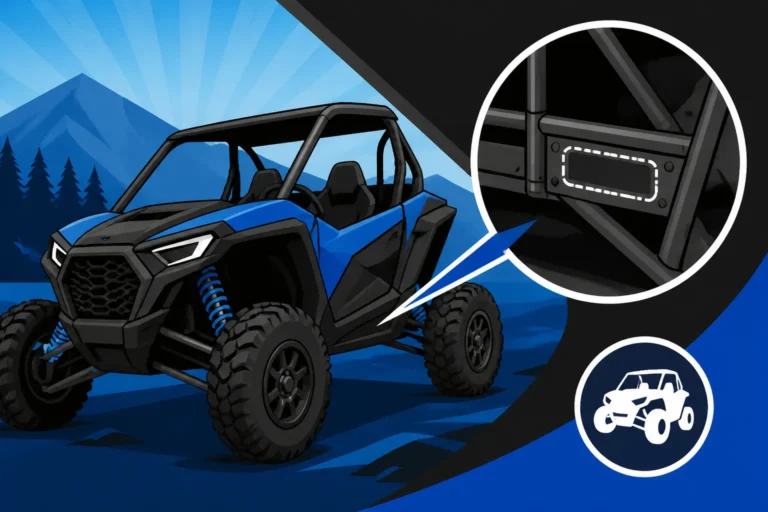
When you call, be prepared to provide as much detail as possible. They will want to know the make, model, year, color, and any distinguishing features of your ATV or UTV. Most importantly, they will ask for the Vehicle Identification Number (VIN). This unique 17-digit code is the fingerprint of your machine, and it's essential for tracking. If you’ve got it written down somewhere safe, or better yet, a photo of the VIN plate, have it ready. [Where the VIN Sits on a Side-by-Side Frame] can help you remember where to find it on future machines. The dispatcher will create a police report and give you a case number. This report number is critical for your insurance claim and any future communication with law enforcement, so keep it in a safe place.
Notifying Your Insurance Company and Other Key Players
Once law enforcement has been contacted and a report filed, your next immediate priority should be your insurance company. This step is often just as time-sensitive as calling the police, especially if you want to ensure a smooth claims process.
Filing an Insurance Claim
Don’t delay in contacting your insurance provider. Many policies have clauses requiring prompt notification of theft. Have your police report number handy, as your insurer will almost certainly require it. They will also need the VIN of your stolen machine, details about its make, model, year, and any custom modifications or accessories you had installed. It’s helpful to have purchase receipts or appraisal documents readily available to support your claim. [Insuring an ATV in Idaho] is something we always recommend, and this is exactly why.
Your insurance company will guide you through their specific claims process. They’ll likely ask you about your comprehensive coverage, which is the type of insurance that typically covers theft. Be prepared to discuss your deductible and understand how it will impact your payout. While the primary goal is recovery, your insurance claim also sets the stage for financial compensation if the machine isn't found or is recovered in a damaged state. Remember, you’ll need solid [Proof of Ownership for an Idaho OHV Title] to satisfy both law enforcement and your insurance provider, so ensure all your paperwork is in order.
Spreading the Word: Online and Local Networks
After the official channels are alerted, it's time to tap into your community. Social media can be an incredibly powerful tool for spreading the word quickly. Post clear photos of your stolen ATV or UTV on local community groups, powersports enthusiast pages, and even your own personal page. Share key details like the make, model, color, and any unique modifications. However, be cautious about sharing your VIN publicly; while useful for official channels, it could be misused by scammers. Instead, describe distinctive marks or features.
Beyond social media, consider notifying local powersports dealerships, repair shops, and pawn shops in your area and surrounding communities in Idaho. Thieves often try to quickly sell stolen machines or their parts, and these businesses can be a valuable extra set of eyes. Provide them with your machine’s description and police report number. Don't forget to reach out to local ATV and UTV riding clubs. These tight-knit communities are often very supportive and might spot your machine or hear whispers of something suspicious. Just be sure to always relay any tips directly to law enforcement; never attempt to recover the machine yourself.
Utilizing Technology and Official Databases
In today's connected world, technology offers several avenues for tracking and identifying stolen vehicles. Knowing how these tools work, and how law enforcement uses them, can be empowering.
GPS Trackers and Antitheft Devices
If you were proactive and installed a GPS tracker or another antitheft device on your ATV or UTV, now is the time to activate it or check its last known location. Many modern trackers allow you to monitor your machine's position via a smartphone app. If your device provides real-time location data, immediately share this information with the law enforcement agency handling your case. This kind of intel can be crucial for a rapid recovery. Remember, it's always best to provide the information to the authorities and let them handle the retrieval; confronting thieves yourself can be dangerous.
Even if you didn't have a tracker, understanding the technology can help you think about future prevention. These devices range from simple alarms that notify you if the machine is moved, to advanced GPS systems that can pinpoint its location anywhere with cell service. The upfront cost can seem like a lot, but when you consider the pain of losing your machine, it's an investment many riders find worthwhile.
Checking Online Registries and VIN Databases
The Vehicle Identification Number (VIN) is your machine's most important identifier. Every ATV over 50cc in Idaho needs a title, and that title is tied to its VIN. [Idaho Titles Every ATV Over 50cc] ensures a record exists. Law enforcement uses national databases, such as the National Crime Information Center (NCIC), to flag stolen vehicles by their VIN. Once your machine is reported stolen, its VIN should be entered into this system, making it traceable if it’s stopped by law enforcement anywhere in the country.
As a private citizen, your direct access to these law enforcement databases is limited for privacy reasons. However, you can still monitor online marketplaces like Craigslist, Facebook Marketplace, and other classified sites for listings that match your machine's description. While you shouldn't approach a seller directly if you suspect it's your stolen ATV, you can (and should) pass any suspicious listings and their details directly to your investigating officer. Websites like LawDepot offer templates for affidavits and other legal documents, which, while not directly tracking your machine, help in formally documenting its theft and other related legal steps that might be needed, especially if you're trying to prove ownership for insurance or a potential buyer down the line. Remember, when you're considering buying a used machine, always check its serial number first to ensure it's not reported stolen. [Running a Serial Number Before You Pay] is a crucial step for any buyer.
Here's a quick checklist to help organize your actions:
| Immediate Actions (First 24-48 Hours) | Follow-Up Actions (Ongoing) |
|---|---|
| Confirm theft and secure area | Regularly check online marketplaces and pawn shops |
| Gather all machine details (VIN, make, model, distinguishing features) | Stay in touch with Idaho law enforcement for updates |
| Call Idaho law enforcement and file a report | Update social media posts if new information emerges |
| Obtain police report number | Coordinate with your insurance adjuster for settlement/repairs |
| Notify your insurance company | Consider enhancing security measures for future machines |
| Activate any GPS tracker | Review your machine's documentation and consider digital backups |
| Inform local powersports shops | Consult with LawDepot for any needed legal document templates |
The Recovery Process: What Happens If Your Machine is Found
The moment you get that call or notification that your stolen ATV or UTV has been found is a mix of immense relief and anxiety. While it's great news, the recovery process itself involves several steps, and your machine might not be exactly as you left it.
Interacting with Law Enforcement During Recovery
If your machine is found, law enforcement will typically take possession of it first. They need to verify its identity, document its condition, and potentially collect evidence if it was involved in other crimes or has been stripped for parts. This means you won’t be able to just pick it up immediately. It might be taken to an impound lot, which unfortunately can incur storage fees that you might be responsible for, depending on the circumstances and your insurance policy.
Patience is key during this phase. The officers need to follow procedure. They will contact you to confirm ownership using your title and registration information. This is where having your [Idaho OHV Title Application at the County Assessor] documents and other ownership proofs will pay off. They might ask you to come identify the machine. It’s essential to let law enforcement handle the entire retrieval process. Do not attempt to go to the location where it was found yourself, even if you know where it is. Let the professionals do their job safely.
Assessing Damage and Dealing with Insurance Post-Recovery
Once your ATV or UTV is released back to you, the first thing you’ll want to do is a thorough inspection. Unfortunately, stolen machines are often recovered with damage, missing parts, or even stripped down. Document everything with photos and detailed notes. If your machine shows significant damage, contact your insurance company again immediately. They will likely send an adjuster to assess the repairs needed.
At this point, you'll work with your insurer to decide whether the machine is repairable or considered a total loss. If it’s a total loss, they will pay out its fair market value (minus your deductible). If it's repairable, they will cover the cost of repairs, again, minus your deductible. Be aware that a recovered and significantly damaged machine might end up with a [Salvage and Rebuilt Machines] title, which indicates its past history and can affect its resale value. Understanding these nuances with your insurer is vital to ensure you're fairly compensated for any losses or repairs.
Preventing Future Theft and Protecting Your Investment
While recovering a stolen ATV or UTV is a battle won, the best defense is always a good offense. Taking proactive steps to secure your machine in Idaho can save you a world of heartache down the road.
Implementing Strong Security Measures
Don't make it easy for thieves. Implement a layered security approach. This means not just one lock, but several. Heavy-duty chains and disc locks can deter opportunistic thieves. Consider anchoring your machine to the ground or a sturdy object inside your garage or shed. Alarmed security systems for your storage area, or even for the machine itself, can provide an early warning. Many riders use ground anchors and heavy-duty chains, making it much harder to simply roll the machine away.
Beyond physical deterrents, think about less obvious measures. You could engrave unique identifying marks in obscure places on the frame, making it harder for thieves to sell parts. Storing your machine out of sight, ideally in a locked garage or a secure storage unit, is far better than leaving it exposed in a driveway. If you live in a multi-unit complex or need to park it outside your cabin, consider a heavy-duty cover that conceals its identity and offers an extra layer of protection. Remember, taking out [Insuring an ATV in Idaho] is also a crucial security measure, providing a financial safety net even with the best physical security.
Keeping Meticulous Records
Having comprehensive records isn't just for recovering a stolen machine; it's also essential for selling it, proving ownership, and dealing with various legal and administrative tasks in Idaho. Keep both digital and physical copies of everything. This includes your original bill of sale, the official Idaho title document, photos of your ATV or UTV (from all angles, including close-ups of any unique features or modifications), and a clear, legible photograph of the VIN. Consider using a service like LawDepot to create formal documents such as a detailed [ATV Bill of Sale Wording Buyers Should Insist On] when you purchase or sell a machine, or other affidavits that might be needed in case of loss or dispute. These documents can standardize your records and ensure you have all necessary legal protections.
Beyond basic ownership, maintain a log of any accessories, upgrades, or major repairs you’ve done, including receipts. This helps prove the value of your machine to your insurance company. Many riders even take photos of the odometer reading periodically. Store these records in a secure location, separate from where you keep the machine itself. Cloud storage solutions are excellent for digital copies, ensuring that even if your home is burglarized, your vital documents are safe and accessible. This diligence might seem like a lot of work upfront, but it pays dividends when you need it most.
Disclaimer
This article is for general informational purposes only and does not constitute professional advice. Laws, prices and regulations vary by location and change over time. Consult a qualified professional for guidance on your specific situation.