Idaho Registration Deadline for New Residents
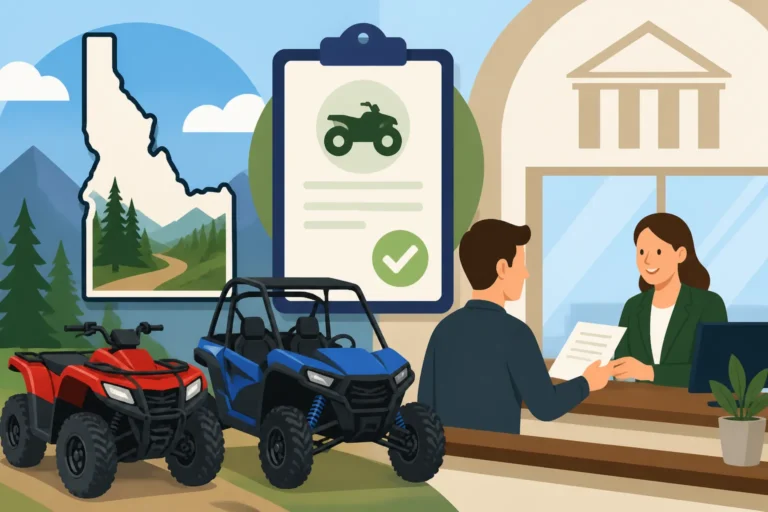
Moving to a new state is exciting, full of fresh starts and new trails to explore. But let's be honest, figuring out all the bureaucratic stuff, especially when it comes to your beloved ATV or UTV, can be a real headache. You’re trying to settle in, unpack boxes, and suddenly you're wondering if your out-of-state registration is still valid, or if you're already breaking a new law. This guide is here to cut through the confusion and walk you through the Idaho registration deadline for new residents, ensuring your off-highway vehicle (OHV) is street — and trail — legal without any unexpected fines.
Understanding Idaho's Residency Rules for OHV Owners
When you pack up your life and head for the beautiful mountains and deserts of Idaho, it’s not just your personal mailing address that changes. The state expects your vehicles, including your off-highway vehicles, to eventually reflect your new residency. This isn't just about collecting fees; it's about ensuring all trail users are part of the system that maintains the very trails you'll be enjoying, and that law enforcement has a clear understanding of vehicle ownership within the state. Ignoring these details can quickly turn a scenic ride into a costly stop.
It's a common frustration to have perfectly valid paperwork from your previous state suddenly become a question mark. You might be thinking, "My registration doesn't expire for another six months, why should I worry?" The reality is that Idaho has its own set of rules once you establish residency here, and those rules often supersede the validity of your old state's documents after a certain point. Getting ahead of this transition is key to a smooth start with your OHV adventures in Idaho.
What "New Resident" Means in the Eyes of Idaho OHV Law
Defining "new resident" isn't always as simple as changing your driver's license address. In the context of Idaho OHV law, "residency" generally refers to establishing a domicile in the state, meaning you intend to live here permanently. This could be triggered by moving into a new home, getting an Idaho driver's license, registering your other vehicles (like your car or truck) here, or enrolling your children in Idaho schools. It's often a combination of factors that collectively signal your intent to make Idaho your home.
It's also important to consider that residency isn't always a hard-and-fast date. Some people maintain ties in other states for a while, perhaps owning property or working remotely for an out-of-state company. However, for the purpose of vehicle registration, once your primary residence and intent to stay are clearly in Idaho, the clock starts ticking on transitioning your OHV paperwork. Don't assume that if you haven't explicitly declared yourself a resident in every single way, the state isn't looking.
For your OHV, the state wants to see that you're playing by local rules, contributing to the system that supports the trails you ride. This means getting an Idaho title and subsequently an Idaho OHV sticker. Even if your out-of-state registration is still valid, its days are numbered once you've truly set down roots in the Gem State. It's all part of becoming a local, even if it feels like a bit of a paperwork marathon.
Why Your Out-of-State Registration Won't Last Forever
The moment you become an Idaho resident, your out-of-state OHV registration enters a grace period. This isn't because Idaho doesn't trust your old state's system, but because each state manages its own trails, its own funding, and its own enforcement. Your old state's fees went to their trails, not the ones you're now riding here in Idaho. So, while your out-of-state paperwork might seem perfectly fine, from Idaho's perspective, it’s only a temporary pass.
It’s completely understandable to feel a bit overwhelmed by the process, especially if you've just moved from a state with very different OHV laws. Maybe your previous state didn't even require a title for your ATV, or the registration process was entirely online and seamless. Idaho has specific requirements, and they need to be met. The sooner you understand and act on these requirements, the less stress you'll experience down the road. This transition ensures you're contributing to the Idaho Parks and Recreation efforts that maintain and expand the incredible riding opportunities we have here.
Think of it like this: your out-of-state registration is like a temporary visitor's pass. It allows you to explore for a little while, but if you're planning on staying, you need to get the local membership. This includes eventually obtaining an Idaho title and an annual OHV sticker. This ensures that every rider is part of the collective effort to keep Idaho's backcountry accessible and enjoyable for everyone. For more on this, you might find [Moving to Idaho With an Out-of-State Machine] particularly helpful.
The Specific Deadline for New Idaho Residents
This is where the rubber meets the trail, so to speak. Idaho does offer a specific window of time for new residents to get their OHVs in order, acknowledging that moving is a big undertaking and things take time. However, this window isn't infinite, and there are clear expectations for what you need to accomplish within that period. Understanding the deadline and what it entails is crucial to avoiding any missteps.
Many new residents mistakenly believe they can simply wait for their out-of-state registration to expire naturally. While that might work for some other vehicles in some other states, Idaho has a firm timeline for OHVs. The state wants to get you into the local system as quickly and efficiently as possible, ensuring everyone is on the same page regarding vehicle identification and trail funding.
The 90-Day Grace Period: What It Covers and What It Doesn't
Idaho law provides new residents a 90-day grace period to register their off-highway vehicles after establishing residency. This means you have three months from the date you officially become an Idaho resident to get your OHV titled and stickered here. During this 90-day window, you can typically continue to operate your OHV using your valid out-of-state registration and title. It's a generous amount of time designed to give you a chance to settle in and tackle the necessary paperwork without immediate pressure.
However, it's vital to understand the limitations of this grace period. It's a window to comply, not a free pass to delay indefinitely. If your out-of-state registration expires within that 90-day period, you need to act even faster. The grace period does not extend the validity of an expired out-of-state registration. So, if your old state's sticker runs out on day 45 of your Idaho residency, you absolutely need to have your Idaho sticker by then to ride legally.
Furthermore, the 90-day period primarily covers your ability to operate the OHV. It doesn't mean you can hold off on the titling process. Titling is the foundational step for all vehicles in Idaho, and for OHVs, it's typically done at your county assessor's office. Think of the 90 days as your countdown to becoming fully compliant with both titling and registration (the sticker) requirements. Don't wait until the last minute; gather your documents and start the process early. For a clear idea of costs, check out [What an Idaho OHV Sticker Costs Each Year].
Consequences of Missing the 90-Day Window
Ignoring the 90-day deadline can lead to some unwelcome surprises, often in the form of fines. Once that grace period passes, operating an OHV with only an out-of-state registration, or worse, no current registration at all, is considered illegal in Idaho. Law enforcement, whether it's a county sheriff or a Parks and Recreation ranger, is well-versed in Idaho's OHV laws and will typically issue citations for non-compliance. These fines can quickly add up and definitely put a damper on your riding enjoyment.
Beyond monetary penalties, there's the inconvenience and stress of being stopped. Nobody wants to have their fun day on the trails interrupted by a law enforcement officer, especially when it could have been easily avoided. Having your paperwork in order shows you're a responsible rider who respects Idaho's laws and contributes to the system that supports our incredible trail networks. It’s always better to be proactive and ensure you're squared away well before any potential issues arise.
In some cases, if you're found operating an unregistered OHV significantly past the deadline, there could be additional complications, though typically the focus is on fines. The key takeaway is that the state expects you to transition your OHV into Idaho's system once you become a resident. Planning ahead and marking that 90-day deadline on your calendar is the simplest way to ensure a seamless and legal transition for your off-road machine.
Steps to Get Your OHV Legally Registered in Idaho
Alright, so you know you've got a deadline. Now, what do you actually do? The process of getting your OHV legally registered in Idaho involves a couple of key steps: titling and then obtaining your annual OHV sticker. While it might sound like a lot, breaking it down into manageable parts makes it much less daunting. With the right documents and a trip to the right office, you’ll be all set.
This isn't a process you can skip, even if your machine is just for private property use sometimes. If you plan to ride on any public lands, designated trails, or even cross a county road, you'll need to be in compliance. Don't let the thought of bureaucracy deter you from enjoying all the fantastic riding Idaho has to offer. Just take it one step at a time, and soon you'll have all the necessary paperwork in hand.
Gathering Your Essential Documents for Titling
Before you even think about heading to the county office, you'll need to gather some critical documents. The more prepared you are, the smoother your visit will be. First and foremost, you'll need your out-of-state title for the OHV. This proves you are the legal owner of the machine. Make sure it's signed over correctly if you've recently purchased it. If there was a recent private sale, a clear, dated, and signed bill of sale is also incredibly important. Sometimes, the original title might not have all the specific information Idaho requires, and a well-detailed bill of sale can fill those gaps. Services like LawDepot can help you generate a legally sound bill of sale if you need one, ensuring all the right details are included for both parties.
You'll also need proof of your Idaho residency. This can typically be an Idaho driver's license, a utility bill in your name with your new Idaho address, or other official documents. The county assessor's office will want to confirm you're truly a resident applying for an Idaho title. Finally, a VIN inspection is often required for machines coming from out of state. This ensures the Vehicle Identification Number on your machine matches your paperwork and isn't reported stolen. This inspection can sometimes be done at the assessor's office, or you might need to visit a law enforcement agency like the county sheriff's office.
Having everything neatly organized will save you a lot of time and potential headaches. Imagine walking into the office only to realize you left your bill of sale at home – a frustrating scenario easily avoided with a pre-trip checklist. For a more detailed list, you can refer to [Documents to Bring to an Idaho Assessor's Office].
The Titling Process at Your County Assessor's Office
Once you have all your documents ready, your next stop is your local county assessor's office. This is where the magic of officially titling your OHV in Idaho happens. The staff there are generally very helpful and can guide you through the specific forms you'll need to fill out. You'll present your out-of-state title, bill of sale, and proof of residency. They will review everything to ensure it meets Idaho's standards.
As mentioned, a VIN inspection is often a crucial part of this process for out-of-state machines. Sometimes, the assessor's office has staff who can perform this inspection on-site in the parking lot, especially if your OHV is trailered there. Other times, they might direct you to a local law enforcement agency. It's always a good idea to call your specific county assessor's office ahead of time to confirm their procedures for VIN inspections and what hours they handle OHV titling.
After all the paperwork is submitted and approved, you'll pay the necessary titling fees. Once processed, you'll receive your new Idaho OHV title. This document is proof of your ownership within the state system. Keep it in a safe place, as you generally don't carry the title with you when you ride. The process can take a little time, so be patient. For a more in-depth look at this specific step, read [Idaho OHV Title Application at the County Assessor].
Obtaining Your Idaho OHV Sticker
Getting your title is the first major hurdle, but it's not the last. To legally ride on Idaho's public trails and roads where OHVs are permitted, you'll also need an annual Idaho OHV sticker. This sticker indicates that you've paid the annual fee that helps fund trail maintenance, signage, and other essential services for the OHV community. Think of it as your annual pass to Idaho's incredible outdoor playground.
You can obtain your Idaho OHV sticker from several convenient locations. Many Idaho Parks and Recreation (IDPR) vendors sell them; these are often sporting goods stores, powersports dealers, or other local businesses that partner with the state. You can also purchase them at some county DMV offices or even online through the Idaho Parks and Recreation website. Buying it online often offers the convenience of having it mailed directly to you, though it means a slight waiting period for delivery.
Once you receive your sticker, make sure to display it correctly on your OHV as required by Idaho law. Typically, this means on the left-hand side of the machine, visible to enforcement. With your Idaho title in hand and your shiny new sticker affixed, you are now officially ready to explore the vast network of trails Idaho has to offer. Make sure to understand [What an Idaho OHV Sticker Costs Each Year] and [Where Idaho Sells OHV Stickers] to plan your purchase.
Special Considerations for New Idaho OHV Owners
As if moving wasn't enough, there are a few extra financial and logistical considerations for new Idaho residents bringing an OHV into the state. These often revolve around taxes and the practicalities of waiting for physical documents. Being aware of these points upfront can prevent unexpected costs or delays in hitting the trails.
Idaho, like many states, wants to ensure that it receives its fair share of revenue, especially when residents are bringing in assets that might not have been taxed locally yet. Furthermore, the administrative side of getting new plates and stickers takes a bit of time, and riders often wonder if they're stuck at home during that waiting period. Addressing these "what ifs" can bring a lot of peace of mind.
Sales Tax and Use Tax for Machines Brought into Idaho
When you bring an OHV into Idaho as a new resident, you need to consider sales tax and use tax. If you purchased your OHV recently in Idaho, you would have paid sales tax at the point of sale. However, if you bought your machine out-of-state and then moved here, Idaho has a use tax that applies. This tax is essentially equivalent to the Idaho sales tax, ensuring that vehicles brought into the state contribute their fair share, even if they weren't purchased here.
The use tax is calculated based on the purchase price of your OHV. If you paid sales tax in another state, Idaho typically allows a credit for the amount of sales tax you did pay, up to the amount you would owe in Idaho. For example, if you paid 4% sales tax in your previous state and Idaho's rate is higher, you might only owe the difference. If you paid no sales tax at all, you'd owe the full Idaho use tax. This is typically collected when you title the machine at the county assessor's office.
It's a common point of confusion for new residents, but it's an important part of the financial picture when moving your OHV to Idaho. Having your original bill of sale handy, clearly showing the purchase price and any sales tax paid, will be crucial for the assessor's office to correctly calculate what you owe. For a deeper dive into this, see [Use Tax When a Machine Comes Into Idaho].
Riding Before Your Plate or Sticker Arrives
So you've done all the paperwork, paid the fees, and now you're anxiously waiting for your physical Idaho OHV sticker or restricted vehicle plate to arrive in the mail. Can you ride during this limbo period? This is a common question, and the answer often involves a bit of common sense and preparation. While specific laws can vary, the general advice is to carry proof of application.
If you purchased your sticker online, you'll often receive an email confirmation or a temporary printout. If you applied in person at the county assessor's office or an IDPR vendor, you might have a receipt. It's highly advisable to keep this proof of purchase or application with you whenever you ride while you're waiting for the physical sticker. This documentation can demonstrate to law enforcement that you have initiated the process and are simply awaiting delivery.
However, relying solely on a receipt isn't a long-term solution. The moment your physical sticker or plate arrives, you need to affix it properly to your OHV. The "waiting for it in the mail" excuse has a very short shelf life. It's also worth noting that if you're waiting for a Restricted Vehicle Plate, which allows certain road access, you might be particularly eager to ride. Understanding [How Long an Idaho OHV Title Takes] or [How Fast an Idaho Sticker Arrives] can help manage expectations for delivery times.
Understanding Idaho's Restricted Vehicle Plate
Beyond the standard OHV sticker for trail access, many new residents are interested in riding their side-by-sides or ATVs on county roads. For this, Idaho offers a special Restricted Vehicle Plate, often referred to as an "R Plate." This plate is a separate registration process from the annual OHV sticker, though you typically need both for legal road access. The R Plate signifies that your OHV meets specific safety equipment requirements to operate on designated county roads.
The R Plate allows you to connect trails, ride from your camp to a trailhead, or access services in some of Idaho's OHV-friendly towns. It's a fantastic option for expanding your riding opportunities, but it does come with its own set of rules and requirements for your machine (like turn signals, horn, mirrors, etc.) and rider (like a valid driver's license and insurance). It's not a free pass to ride anywhere on public roads, but it significantly opens up your options.
If road riding is something you plan to do, it's wise to look into the R Plate requirements concurrently with your titling and sticker process. It can be applied for at the county assessor's office once your OHV is titled in Idaho. Knowing about this option early can help you equip your machine appropriately. For more details on what this plate entails, check out [Idaho's Restricted Vehicle Plate Explained].
Table: New Resident OHV Status Comparison
To help clarify the differences between the grace period and what comes after, here's a quick comparison:
| Feature | Within 90-Day Grace Period (from establishing residency) | After 90-Day Grace Period (or if out-of-state registration expires sooner) |
|---|---|---|
| Out-of-State Registration | Generally valid for operation (if current and unexpired) | Not valid for operation |
| Idaho Title Required? | Yes, process should be initiated/completed during this time | Yes, absolutely required to operate legally |
| Idaho OHV Sticker Required? | No, but you must obtain it within 90 days. | Yes, absolutely required to operate legally |
| Legal Operation on Idaho Trails/Roads | Yes, if out-of-state registration is current and machine meets requirements | No, unless fully Idaho titled AND stickered |
| Risk of Fines/Citation | Low, if actively pursuing Idaho paperwork and out-of-state is current | High risk of fines and potential impoundment |
| Purpose | Transition period for new residents to comply with Idaho laws | Full compliance with Idaho OHV laws expected |
Disclaimer
This article is for general informational purposes only and does not constitute professional advice. Laws, prices and regulations vary by location and change over time. Consult a qualified professional for guidance on your specific situation.