Questions Buyers Forget to Ask
There's nothing quite like the excitement of finding that perfect ATV or side-by-side, imagining all the incredible Idaho trails you'll explore. But let's be real, the thrill of the hunt can sometimes blind us to the nitty-gritty details of buying a used machine, leaving us vulnerable to unexpected costs or legal headaches down the road. This guide is here to ensure you ask all the right questions before you hand over your hard-earned cash, helping you navigate the sometimes-tricky world of private sales and secure a machine that’s truly ready for adventure.
The Paperwork Puzzle: Uncovering Title & Registration Gaps
When you're buying an off-highway vehicle (OHV) in Idaho, the machine itself is only half the story. The other, equally crucial half, is the pile of paperwork that proves ownership and allows you to legally ride. Overlooking these details can turn your dream machine into a garage ornament, so let's dig into the tough questions.
Is the Title in the Seller's Name (and Signed Correctly)?
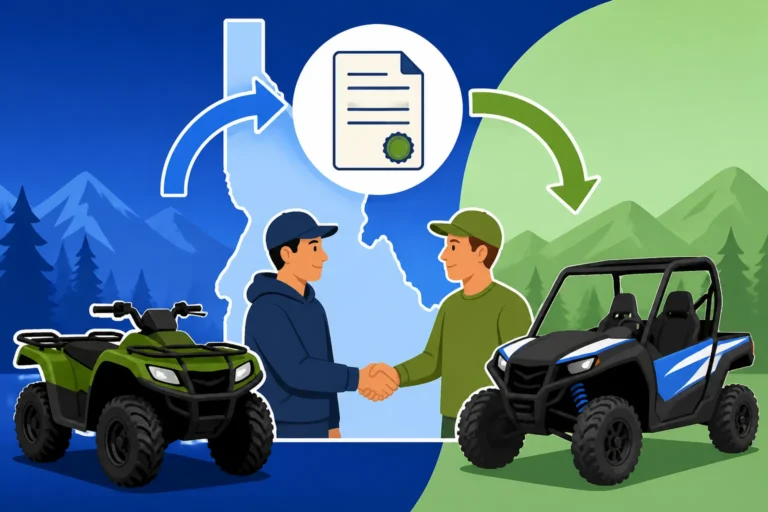
This might seem like a no-brainer, but you'd be surprised how often buyers encounter issues here. Sometimes, you're buying from someone who just bought the machine themselves and never bothered to transfer the title into their name. They might claim they're doing you a favor by leaving the previous owner's name on it so you can save on a transfer fee, but trust me, this is a red flag big enough to see from the top of the Sawtooths. Without a proper chain of ownership, you could find yourself unable to title the machine in your name, which means you can't get an OHV sticker or a restricted plate.
Another common scenario involves a title that's been signed incorrectly, or worse, not signed at all. The Idaho County Assessor's office, where you'll go to get your [Idaho OHV Title Application at the County Assessor], is very particular about signatures. If the seller has signed in the wrong spot, or if the signature doesn't match the printed name on the title, you could be sent packing. Imagine driving an hour to the assessor's office, only to be told you need to track down the seller again for a correct signature. It’s a frustrating and time-consuming situation that’s entirely preventable by checking the title carefully at the point of sale. Don't be afraid to ask to see the seller's ID to verify the name on the title, and then watch them sign the document if it's not already completed. If you're dealing with a situation where [The Seller Never Signed the Title], it's best to resolve that before the transaction is finalized.
What About Liens or Missing Ownership Proof?
A clean title is a happy title. What you absolutely don't want is a title with a lien listed on it. A lien means someone else—usually a bank or finance company—still has a financial claim on the machine. If the seller hasn't paid off their loan, that lienholder still technically owns part of the ATV or UTV. If you buy a machine with an outstanding lien, you could become responsible for that debt, or worse, the lienholder could repossess the machine, leaving you out of luck and out of your money. Always ask the seller if there are any [Liens on an OHV Title] and insist on seeing the lien release if they say there was one. It should be a separate document from the title or clearly indicated as released on the title itself.
Sometimes, a seller might not even have the title at all, claiming it's lost, never existed, or is "in the mail." In Idaho, every ATV over 50cc and every UTV is required to have a title. If the seller can't produce a physical title, it's a huge warning sign. While it is possible to get a [Replacing a Lost Idaho OHV Title], it's generally a process the owner (the seller) should complete before selling the machine. You, as the buyer, don't want to take on that burden. You'll need solid [Proof of Ownership for an Idaho OHV Title] to transfer it into your name. If they're offering to sell without a title, the first question to ask is why. If their explanation doesn't sit right, or if they resist getting a duplicate title first, walk away. The risk of buying a stolen machine or one with hidden legal issues is simply too high.
Understanding the Machine Itself: Beyond the Shiny Paint
Once you're satisfied with the paperwork, it's time to scrutinize the machine itself. A thorough inspection goes far beyond just kicking the tires; it involves verifying the machine's identity and understanding its history.
Is the VIN Clean and Undamaged?
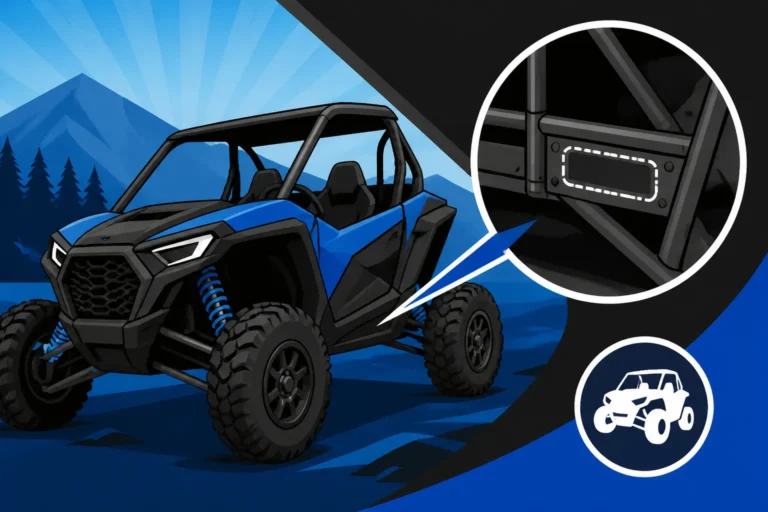
The Vehicle Identification Number (VIN) is your ATV or UTV's unique fingerprint. It's usually stamped on the frame in an easily accessible location, often near the front suspension, on the frame rail, or on the engine case. For a side-by-side, you'll often find [Where the VIN Sits on a Side-by-Side Frame], like on the driver's side frame rail or under the hood. It’s absolutely critical to find this VIN and compare it to the VIN on the title. If they don't match, or if the VIN on the machine appears to have been altered, ground off, or poorly re-stamped, you should immediately suspect foul play. This is a primary indicator of a stolen machine.
Beyond matching the numbers, you should also physically inspect the VIN plate or stamping. Is it clear, legible, and integrated cleanly with the frame? Any signs of tampering, like grinding marks, welding, or new rivets on a plate that should be factory-stamped, are major red flags. If you're unsure, it's worth taking a photo and checking with your local sheriff's office or even contacting the manufacturer. You can use the VIN to perform a background check through services that can tell you about the machine's history, including if it’s been reported stolen. This simple step is crucial for [Checking a Used Machine for Theft] and protecting yourself from unknowingly purchasing hot property.
Salvage, Rebuilt, or Imported: What's the Real Story?
Just like cars, ATVs and UTVs can have salvage or rebuilt titles, and these terms carry significant weight. A salvage title typically means the machine has sustained damage (often from an accident, flood, or fire) to the point where the insurance company deemed the cost of repairs exceeded its market value. While a salvage machine can be repaired and issued a rebuilt title, it means it has a significant history of damage. A [What a Rebuilt Title Tells a Buyer] is that the machine has been put back together after being a total loss, and while it might look great on the outside, there could be underlying issues or structural weaknesses that aren't immediately apparent.
Always ask if the machine has ever held a salvage title, or if the current title is a rebuilt one. If it is, ask to see documentation of the repairs and be extra vigilant in your inspection. Factor in that a machine with a salvage or rebuilt title will likely have a lower resale value and might be harder to insure. Similarly, if the machine was originally purchased outside the U.S. and imported, there might be specific challenges with [Titling an Imported Side-by-Side in Idaho] that you'll need to understand. Idaho has particular rules for [Titling a Homemade Buggy in Idaho] or machines built from various parts, so be prepared for extra scrutiny at the Assessor's office if the machine has an unusual origin story.
The Cost Corner: Fees, Taxes, and Hidden Expenses
The price tag on the machine is rarely the final amount you'll pay. There are several additional costs associated with buying an ATV or UTV in Idaho that many buyers forget to budget for. Being aware of these upfront will save you from a nasty surprise.
Sales Tax, Use Tax, and Dealer Fees: What Are You Really Paying?
When you buy an ATV or UTV, especially from a private seller, it's easy to overlook sales tax. In Idaho, you generally owe sales tax on the purchase of an OHV, whether you buy it from a dealer or a private party. If you buy from a dealer, they will collect the [Idaho Sales Tax on an ATV Purchase] at the time of sale. However, if you buy from a private party, you are responsible for paying the sales tax directly to the county assessor's office when you go to title the machine. This often catches buyers off guard, as they assume private sales are tax-free.
If you bring a machine into Idaho that you purchased elsewhere, you'll likely owe [Idaho Use Tax After an Out-of-State Purchase]. This tax is essentially Idaho's sales tax applied to items purchased outside the state but brought in for use here. It prevents people from avoiding sales tax by buying across state lines. Understanding these tax obligations upfront means you can factor them into your budget, rather than getting hit with an unexpected bill when you try to complete your title transfer. When buying from a dealer, always ask for an itemized breakdown of all costs. Be wary of vague "dealer fees" or "documentation fees" that can inflate the price. While some administrative fees are standard, excessive or unexplained charges should be questioned. Don't be shy; ask exactly what each fee covers before you agree to pay it.
Sticker and Plate Requirements: Don't Get Caught Off Guard
Before you can legally ride your new machine on Idaho's extensive trail system or designated county roads, you'll need the proper registration. This typically involves an Idaho OHV Sticker. Many buyers just assume the sticker comes with the machine, or that they have ample time to get one after purchase. However, riding an unstickered machine on public land can result in [Penalties for an Unstickered OHV in Idaho]. Always ask the seller about the current registration status and when the sticker expires. [What an Idaho OHV Sticker Costs Each Year] is a modest fee, but it's an annual requirement.
If you plan to ride on any designated county roads, you'll also need to consider [Idaho's Restricted Vehicle Plate Explained]. This "R plate" allows you to legally travel on certain public roads to connect trails or access services. It has its own cost and application process, separate from the OHV sticker, though you'll display the sticker on the plate itself. Riders often confuse the two or assume one covers the other. Asking about the current restricted plate status, if applicable, and understanding its implications for road use is essential. Don't forget to factor in the [Idaho Restricted Vehicle Plate Cost] if you plan to utilize this option for road access.
The 'What Ifs': Protecting Your Investment and Ride
Beyond the initial purchase, thinking about the future—and potential problems—is a smart move. Protecting your investment and ensuring you're covered for the unexpected can save you a lot of grief.
Insurance and Lender Requirements
Most private trail riding doesn't require liability insurance in Idaho, but it is an absolute necessity if you plan to use your ATV or UTV on any designated roads or public lands where such use is allowed. [Idaho Liability Insurance Minimums for Riders] are in place for those instances, and you can get fined if you're caught without it. Even if you're only riding off-road, having [Insuring an ATV in Idaho] is a wise decision. What happens if you get into an accident, cause damage to someone else's property, or injure another rider? Your homeowners' insurance might not cover OHV-related incidents, leaving you personally liable for potentially massive costs. Ask your seller if they've ever had insurance issues or if they can recommend a good local provider.
If you're financing your purchase, your lender will absolutely require full coverage insurance. They want to protect their investment, and if the machine is stolen or totaled, they need to ensure their loan is repaid. This means adding another layer of cost to your monthly budget, which needs to be considered before committing to a loan. Moreover, if the seller is still making payments on the machine, you need to be very clear about how the lien will be released. You'll want to see a definitive [Lien Release After the Last Payment] from their lender before you finalize the sale, or arrange for the payment to go directly to their lender to satisfy the lien, ensuring a clear title can be issued to you. Without this, you could find yourself in a very difficult situation trying to secure a clear title.
Writing a Solid Bill of Sale and Protecting Yourself
This might be the most overlooked question of all: "Do we have a solid, legally binding bill of sale?" A simple scribble on a napkin won't cut it. A detailed bill of sale is your best friend in a private sale, protecting both you and the seller. It should clearly state the buyer and seller's names, addresses, the sale date, the purchase price, and a detailed description of the machine including its make, model, year, and crucially, its VIN. It should also state that the machine is being sold "as-is," meaning you acknowledge its current condition and won't hold the seller responsible for issues discovered later.
Don't just take the seller's word for it; insist on a comprehensive document. Resources like LawDepot offer templates for a thorough bill of sale that cover all the necessary bases. This document serves as your proof of purchase for tax purposes and for the county assessor's office when you apply for your title. It also provides a record of the transaction in case any disputes arise later. When discussing the sale, make sure to cover points like [ATV Bill of Sale Wording Buyers Should Insist On] and the proper way to execute it. A well-worded agreement can prevent misunderstandings and provide legal standing if things go sideways. Even if you trust the seller, a formal [Wording a Private Sale Agreement] protects everyone involved.
Common Buyer's Regrets and How to Avoid Them
Here's a quick summary of the common pitfalls and the crucial questions to ask to steer clear of them.
| Common Buyer's Regret | The Question You Should Ask | How It Helps You |
|---|---|---|
| Buying a machine with an invalid title. | "Is the title clearly in your name, and can you sign it correctly right now?" | Ensures clear chain of ownership and avoids issues at the Assessor's office. |
| Discovering an undisclosed lien after purchase. | "Are there any liens on the title, and do you have the release paperwork?" | Prevents you from inheriting the seller's debt or losing the machine to a lienholder. |
| Purchasing a stolen OHV. | "Can I verify the VIN on the machine matches the title, and does the VIN appear untampered?" | Protects you from legal trouble and ensures you're buying a legitimate machine. |
| Unexpected sales tax or fees. | "What are the total costs, including sales tax (if private) or any dealer fees (if dealer)?" | Allows you to budget accurately and avoids surprises when you go to title or register. |
| Getting a ticket for no sticker/plate. | "Is the OHV sticker current, and do you have a restricted plate if I plan to ride roads?" | Ensures you're ready to legally ride on Idaho's trails and designated roads from day one. |
| No insurance for road use/accidents. | "Will my current insurance cover this, or what are the requirements for road use coverage?" | Prevents costly fines for illegal road riding and protects your assets in case of an accident. |
| Disputes over machine condition post-sale. | "Can we use a comprehensive bill of sale, stating the machine's condition and the 'as-is' clause?" | Provides legal documentation of the transaction and protects both parties from later disagreements. LawDepot offers excellent templates for this. |
| Buying a machine with a major undisclosed repair history. | "Has this machine ever had a salvage or rebuilt title, or been in a significant accident?" | Helps you understand the machine's true history and potential long-term issues, impacting value and reliability. |
| Difficulty proving original ownership for titling. | "Do you have all the original purchase documents, or clear proof of ownership?" | Smooths the path for you to obtain your own [Idaho OHV Title Application at the County Assessor] without bureaucratic hurdles. |
| Realizing financing terms are unfavorable. | "What exactly do lenders require before they'll approve a loan for an OHV, beyond the purchase price?" | Prepares you for the full financial commitment, including interest rates and mandatory insurance, before you're deep into the process. |
Asking these detailed questions, and being prepared to walk away if the answers aren't satisfactory, is the best way to ensure your new Idaho ATV or UTV brings you years of enjoyment rather than regret. Enjoy those trails safely and legally!
Disclaimer
This article is for general informational purposes only and does not constitute professional advice. Laws, prices and regulations vary by location and change over time. Consult a qualified professional for guidance on your specific situation.