Carrying a Rifle on an OHV in Idaho
One of the biggest questions that comes up for anyone planning an Idaho ATV or UTV adventure, especially during hunting season or when heading to a remote campsite, is how to legally and safely carry a rifle. It's not as simple as just throwing it across the seat or strapping it to the rack, and the last thing anyone wants is a run-in with law enforcement or, worse, a preventable accident. This guide will walk you through the nuances of transporting firearms on your off-highway vehicle in Idaho, making sure you understand the rules and best practices for peace of mind.
The Basics of Carrying Firearms on OHVs in Idaho
Navigating the rules around firearms, especially when combined with off-highway vehicles, can feel like trying to hit a moving target. In Idaho, there's a good amount of freedom, but that freedom comes with responsibility and specific guidelines you really need to understand. It’s not just about what you can do, but what you should do to ensure safety and compliance.
General Open Carry vs. Concealed Carry on Public Land
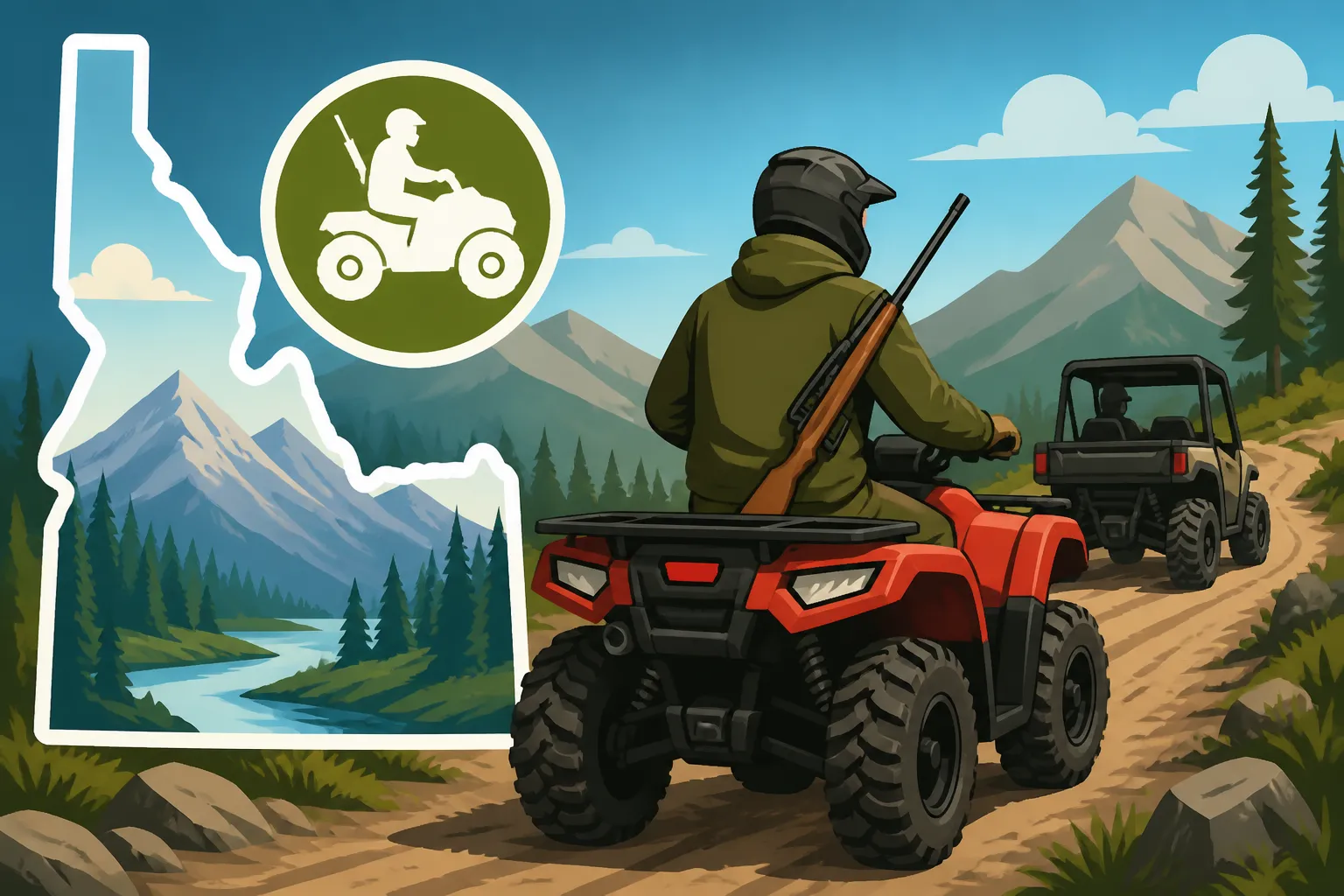
Idaho is largely an open-carry state, meaning that generally, if you're legally allowed to possess a firearm, you can carry it openly. This applies whether you're on foot, in a vehicle, or on an ATV or UTV. The beauty of Idaho is that many of our backcountry trails traverse vast tracts of public land managed by agencies like the Forest Service and the Bureau of Land Management. On these lands, open carry is typically permitted. This means having your rifle visible, perhaps mounted on a rack or in a scabbard on your OHV.
However, the distinction between open carry and concealed carry is crucial, even for those with a concealed weapons permit. While you might legally be able to conceal a handgun, a rifle on an OHV generally falls under open carry. If your rifle is completely obscured from view, even in a case, it's generally still considered open carry if it's not actually on your person and ready for immediate use. The main point here is that for rifles on OHVs, the expectation is that they are not concealed on your person in the same way a handgun might be. It’s about how the firearm is secured and presented on the machine itself.
It’s always a good idea to consider the context. Are you just trail riding with a rifle for protection, or are you actively hunting? The intent doesn't change the open-carry rules, but it might change how an officer views your setup if they pull you over for another reason. Keeping everything above board and visible is often the clearest path.
Hunting Regulations and Transporting Loaded vs. Unloaded
This is where things can get a bit more specific, especially if you're out during hunting season. Idaho hunting regulations dictate how firearms must be transported, particularly concerning whether they are loaded or unloaded. Generally, when hunting big game, it is unlawful to have a loaded firearm in or on any motorized vehicle, including OHVs, if the vehicle is on a public highway or "any motor vehicle way". This usually means forest roads, BLM two-tracks, and designated OHV trails.
What constitutes "loaded"? For rifles and shotguns, it means having a cartridge in the chamber or magazine, or a cap on the nipple of a muzzleloader. For pistols, it means a cartridge in the chamber or magazine. The spirit of the law is to prevent people from road-hunting – shooting from or immediately adjacent to a vehicle. This rule is designed to promote fair chase and prevent dangerous situations. So, if you're cruising down a Forest Service road on your side-by-side, your rifle should ideally be unloaded, with the action open or a chamber flag inserted, and secured in a scabbard or case.
There are some exceptions, such as for individuals with a disability permit that allows them to shoot from a vehicle. However, for the vast majority of riders, the rule is simple: if the machine is moving on a road or trail, the rifle should be unloaded. Always check the current Idaho Department of Fish and Game regulations for the most up-to-date and specific rules regarding hunting and firearm transport, especially for the species you're pursuing. [Idaho OHV Rules During Elk Season] provides more context on general hunting season rules while riding.
Vehicle-Specific Rules: Quads, Side-by-Sides, and the Law
Idaho's OHV laws generally apply uniformly whether you're on a traditional quad (ATV) or a multi-passenger side-by-side (UTV). The statutes governing firearm transport typically refer to "motorized vehicles," which encompasses both. However, the practicalities of carrying a rifle might differ slightly between machine types.
On a quad, space is often at a premium, making a secure, purpose-built mount or scabbard essential. These usually attach to the front or rear rack. On a side-by-side, you might have more options, including overhead gun racks, in-cab mounts, or securing a hard case in the bed. Regardless of the machine, the core legal requirements remain: keep it unloaded if on a public road or trail, and ensure it's safely secured. [Idaho Trails Suited to a 50-Inch Machine] might discuss machine dimensions, but here we're focusing on the interior/exterior setup for firearms.
It’s important to remember that local ordinances in specific counties or cities might add further restrictions, especially if you're riding a county road as part of your route. While state law generally permits open carry, some very localized rules might exist regarding loaded firearms or visible firearms in certain areas. Always know your route and check for any local specifics. For more on general road rules, check out [What Idaho Requires Before You Ride a County Road].
Safety and Storage: Beyond Legal Requirements
Following the letter of the law is critical, but true responsibility extends far beyond simply avoiding a ticket. When you're bumping along rough Idaho trails, exposed to the elements, and potentially miles from help, the way you store and secure your firearm can make all the difference in preventing accidents, damage, or even theft.
Securing Your Firearm for Rough Terrain
Picture this: you're navigating a rocky, rutted trail near the [Danskin Mountains OHV Area Near Boise]. Your OHV is bouncing, twisting, and kicking up dust. If your rifle isn't absolutely rock-solid secure, it's going to suffer, and so could you. A rifle bouncing around on a rack can easily get scratched, its optics knocked out of zero, or even worse, fall off the machine completely. An unsecured rifle can also become a hazard, potentially shifting into a position that interferes with steering or rider movement, or even creating a dangerous situation if it impacts a passenger.
Using high-quality, purpose-built mounts or scabbards is non-negotiable. These are designed to absorb vibrations, hold the rifle snugly, and prevent it from rattling or working loose. Consider brands like SuperATV, which offer a range of robust options, from traditional gun racks that clamp to roll bars on a UTV to scabbards that mount to ATV racks. The goal is to make the rifle an integrated part of the machine, not an afterthought. Test your setup vigorously over rough terrain before you head out on a serious trip. A few hard bumps in your driveway are better than finding out your mount is flimsy halfway up a mountain.
Think about how you'll access it. While unloaded is the rule on the move, you still want to be able to retrieve it safely and efficiently when you reach your destination or if you need it for self-defense in an emergency. The securing mechanism should be quick-release but also secure against accidental dislodgment.
Protecting Your Weapon from the Elements
Idaho's weather is famously unpredictable, especially in the mountains. A sunny morning can quickly turn into a torrential downpour, or you could be kicking up dust for hours on end. Water, dust, and mud are the enemies of firearms. Moisture leads to rust, and grit can foul mechanisms, leading to malfunctions at critical moments.
For this reason, a good quality case or scabbard that offers substantial protection is invaluable. Many scabbards are designed with a protective cover or made from durable, weather-resistant materials to keep rain, snow, and trail grime away from your rifle. If you're using an open-style rack, consider a soft case that completely encloses the rifle, even if it's just a dust cover. A hard case, particularly for long-term transport or in extreme conditions, offers the best protection against both physical damage and the elements.
When choosing a solution, think about drainage if water gets in, and how easy it is to clean out dust and debris. A build-up of fine dust, especially on optics, can be a real headache. After every dusty or wet ride, it's a good practice to remove the rifle from its case or scabbard, wipe it down, and inspect it for any moisture or grit. This simple habit will significantly extend the life and reliability of your firearm.
Best Practices for Riding with Firearms
Beyond the legal and equipment considerations, there are some fundamental best practices that make for a safer ride. Always treat the firearm as if it's loaded, even when you know it's not. This means keeping the muzzle pointed in a safe direction, even when it's secured on your OHV. Ensure the safety is engaged at all times during transport.
When you dismount from your OHV, particularly if you're leaving it unattended for any length of time, consider removing the rifle. This not only adds an extra layer of security against theft but also prevents unauthorized access, especially if children are present. [Checking a Used Machine for Theft] is a good reminder about the importance of security in the OHV world, and this extends to your gear. If you must leave it with the machine, ensure it's locked to the OHV or secured in a way that makes quick theft difficult.
Furthermore, always inform your riding partners if you are carrying a firearm. Open communication helps everyone understand the situation and maintain safe practices. Discussing things like where to stage machines, how to dismount, and how to handle stops with firearms present can prevent misunderstandings and improve overall group safety. Remember, riding safely in the Idaho backcountry requires preparedness, and that includes proper firearm handling. [What to Carry on a Remote Ride] will often include safety gear, and a properly secured firearm should be part of that planning.
Navigating Different Land Jurisdictions
Idaho offers an incredible variety of terrain for OHV enthusiasts, from vast stretches of open desert to dense mountain forests. However, this diversity also means you'll be crossing different land management jurisdictions, and each one can have slightly different rules regarding firearms. Ignorance of these rules isn't a valid excuse if you're found in violation.
Forest Service and BLM Land Rules
The good news for most Idaho riders is that both U.S. Forest Service (USFS) and Bureau of Land Management (BLM) lands generally align with Idaho state law regarding firearm carry. This means open carry of firearms is typically allowed, and the rules about transporting loaded firearms in or on a motorized vehicle apply. On these federal lands, the emphasis is on responsible use and preventing resource damage or public safety hazards.
You'll encounter many designated OHV trails and forest roads on USFS and BLM property. When on these routes, your rifle should be unloaded and secured. It's perfectly fine to transport a cased or scabbarded rifle to your hunting spot, target shooting area, or remote campsite. The key is understanding that "off-highway vehicle" implies you're likely on trails or roads managed by these agencies. For a deeper dive into the specifics of these lands, refer to [Idaho Rules on Forest Service Roads] and [Idaho Rules on BLM Roads].
One thing to always be aware of on federal lands are specific local closures or regulations. For example, some areas might have temporary fire restrictions that prohibit target shooting, or certain developed recreation sites might have different rules. Always check with the local ranger district or BLM field office for any area-specific orders before heading out.
State Parks and Wildlife Management Areas
Idaho's state parks and wildlife management areas (WMAs) often have more restrictive rules than general federal lands. Many state parks prohibit the discharge of firearms entirely, except in designated hunting areas during open seasons, or for specific events. Carrying firearms within state parks might be permitted, but they almost always must be unloaded and encased, even if you have an open or concealed carry permit. The intent is to prioritize public safety in areas with higher concentrations of non-hunting visitors.
Wildlife Management Areas, managed by the Idaho Department of Fish and Game, are often designed with hunting in mind. Therefore, carrying firearms for hunting purposes is usually allowed during appropriate seasons. However, the same rules about loaded firearms in or on a motorized vehicle still apply. Furthermore, WMAs might have specific rules about where you can drive an OHV, often limiting them to designated roads or trails. You'll need to consult the specific WMA's regulations, which are usually available on the IDFG website or posted at kiosks at WMA entrances.
If your OHV route takes you through a state park or WMA, plan accordingly. It might mean pulling over before entering, unloading your rifle, and securing it in a case, even if you normally carry it openly on a scabbard. This small step can save you a lot of hassle and potential fines.
Crossing Private Property
Riding across private property, even if it's just a short section to connect to public land, requires explicit permission from the landowner. When you have that permission, the rules regarding firearms generally defer to the landowner's wishes and state law. However, common courtesy and respect for property rights are paramount.
If you are on private land with permission, the state laws regarding loaded firearms in vehicles may still apply, especially if you are on a private road that is accessible to the public. If you are purely on private property, say a ranch road not accessible to the general public, then the landowner's rules and state laws on private land will govern. Nevertheless, it's always safest to transport your rifle unloaded and secured, even on private property, unless you are actively hunting or target shooting in a safe, designated area.
Before crossing any private land, always confirm permission and clarify any specific rules the landowner has about firearms. A simple conversation can prevent misunderstandings and maintain good relationships with local landowners. Remember, [Idaho Trespass Law for Riders] applies whether you have a firearm or not, so always know where you are.
Accessories and Gear for OHV Firearm Transport
Successfully and safely carrying a rifle on your OHV isn't just about knowing the law; it's also about having the right gear. Investing in proper accessories ensures your firearm is protected, secure, and ready when you need it (and safely stowed when you don't). This is where companies like SuperATV really shine, offering purpose-built solutions for OHV riders.
Scabbards, Racks, and Mounts
These are the backbone of secure firearm transport on an OHV. A well-designed scabbard or rack keeps your rifle out of the way, protected, and firmly in place, even when you're tackling [Sawtooth Switchbacks and Machine Width] trails.
- Scabbards: These are typically rigid or semi-rigid cases designed to completely enclose the rifle, protecting it from dust, mud, rain, and impacts. They often mount to ATV racks, UTV roll bars, or cargo beds. Many scabbards are molded to fit specific rifle types, offering a snug, custom fit that prevents rattling. The best ones offer quick-release mechanisms so you can grab your rifle quickly when you reach your destination. For instance, SuperATV offers robust scabbards that can handle the abuse of Idaho backcountry riding, keeping your valuable firearm safe.
- Racks: For UTVs, overhead or in-cab racks are popular. These systems typically use padded clamps to hold the rifle securely against the roof or behind the seats. While they don't offer the same level of environmental protection as a fully enclosed scabbard, they keep the rifle accessible and out of the cargo area. If using a rack, a soft case or gun sock is a good idea to protect against dust and scratches. SuperATV also manufactures various roll bar-mounted racks that fit a wide range of side-by-sides, ensuring a secure and visible carry.
- Mounts: Beyond full racks and scabbards, there are individual mounts that might hold a specific part of the rifle, perhaps allowing you to attach it to a frame or a cargo box. These are often used in conjunction with other securing methods or for smaller firearms.
| Accessory Type | Primary Benefit | Best For | Considerations |
|---|---|---|---|
| Scabbard (Hard) | Maximum Protection (weather/impact) | ATVs, UTV Beds/Racks | Can be bulky, specific fit |
| Scabbard (Soft) | Good Protection (dust/scratches), Flexible | ATVs, UTV Racks | Less impact protection |
| Overhead Rack | In-Cab Access, Keeps Rifle Out of Bed | UTVs | Less weather protection, potential head clearance issues |
| ATV Fender/Rack Mount | Accessible, Out of Rider's Way | ATVs | Variable protection, rifle exposed to elements |
Hard Cases vs. Soft Cases
Choosing between a hard case and a soft case largely depends on your riding style, the terrain, and the level of protection you need for your firearm.
- Hard Cases: These are the tanks of firearm transport. Made from durable plastics or composites, they offer superior protection against impacts, crushing, and the elements. Many are waterproof and dustproof, making them ideal for long, arduous trips in unpredictable Idaho weather. If you're frequently riding through deep mud, crossing rivers, or planning multi-day backcountry excursions, a hard case is often the best choice. They are heavier and bulkier, but the peace of mind they offer for expensive rifles and optics is often worth it. When securing a hard case, ensure it's firmly strapped down to your OHV's rack or cargo bed so it doesn't shift or become a projectile.
- Soft Cases: Lighter, more flexible, and often more affordable, soft cases are excellent for protecting against scratches, dust, and light rain. They're easy to throw over your shoulder and can offer some padding against minor bumps. For day trips on less extreme trails or when using an overhead rack, a good quality soft case can suffice. However, they won't protect against heavy impacts or prolonged exposure to severe weather. Many hunters use soft cases for walking to their stand from the OHV, but not as the primary transport solution on the machine itself.
Protecting Your Optics and Accessories
Your rifle's optics – scopes, red dots, and other sighting systems – are often the most fragile and expensive components. A bump that doesn't harm the rifle itself can easily knock a scope out of zero or even crack a lens. When choosing a transport solution, pay special attention to how it protects your optics.
Look for scabbards and cases with ample padding around the scope area. Many come with specific cutouts or thicker foam inserts to cradle the optic. If using an open rack, always ensure your scope has covers on the lenses to protect against dust, scratches, and moisture. A simple but effective trick is to use electrical tape to secure scope caps for riding, preventing them from flapping open.
Remember to regularly check your scope mounts for tightness, as vibrations from OHV riding can sometimes loosen them over time. Before every hunting trip, take a few practice shots to confirm your rifle is still sighted in. This proactive approach ensures that when you finally spot that Idaho elk, your equipment is ready. [Riding to a Hunting Camp in Idaho] will often involve careful preparation of all your gear, including firearms and optics.
Disclaimer
This article is for general informational purposes only and does not constitute professional advice. Laws, prices and regulations vary by location and change over time. Consult a qualified professional for guidance on your specific situation.