Idaho Trail Adoption and Volunteer Days
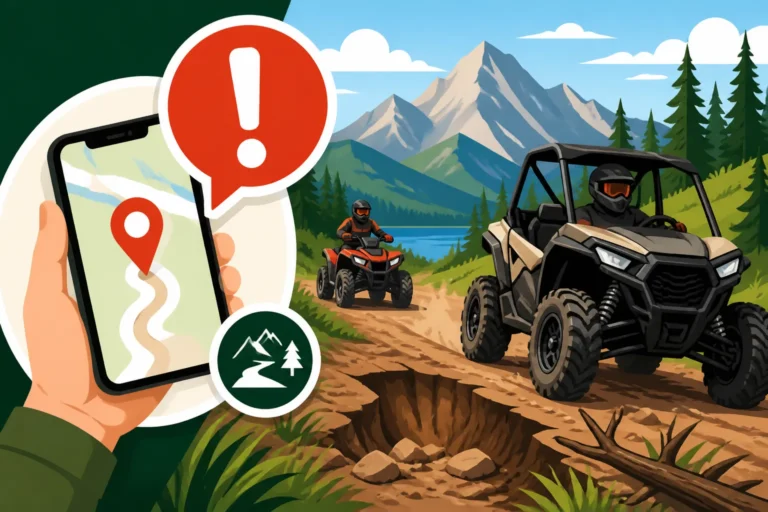
An Idaho trail can look ride-ready while hiding a plugged drainage, a fallen tree, or fresh erosion that gets worse with every passing tire. Trail adoption and volunteer days give riders a practical way to care for the routes they enjoy. This guide explains how to find a group, what volunteers typically do, and how to help without damaging trails or crossing land-management boundaries.
What Idaho trail adoption means
How trail adoption works
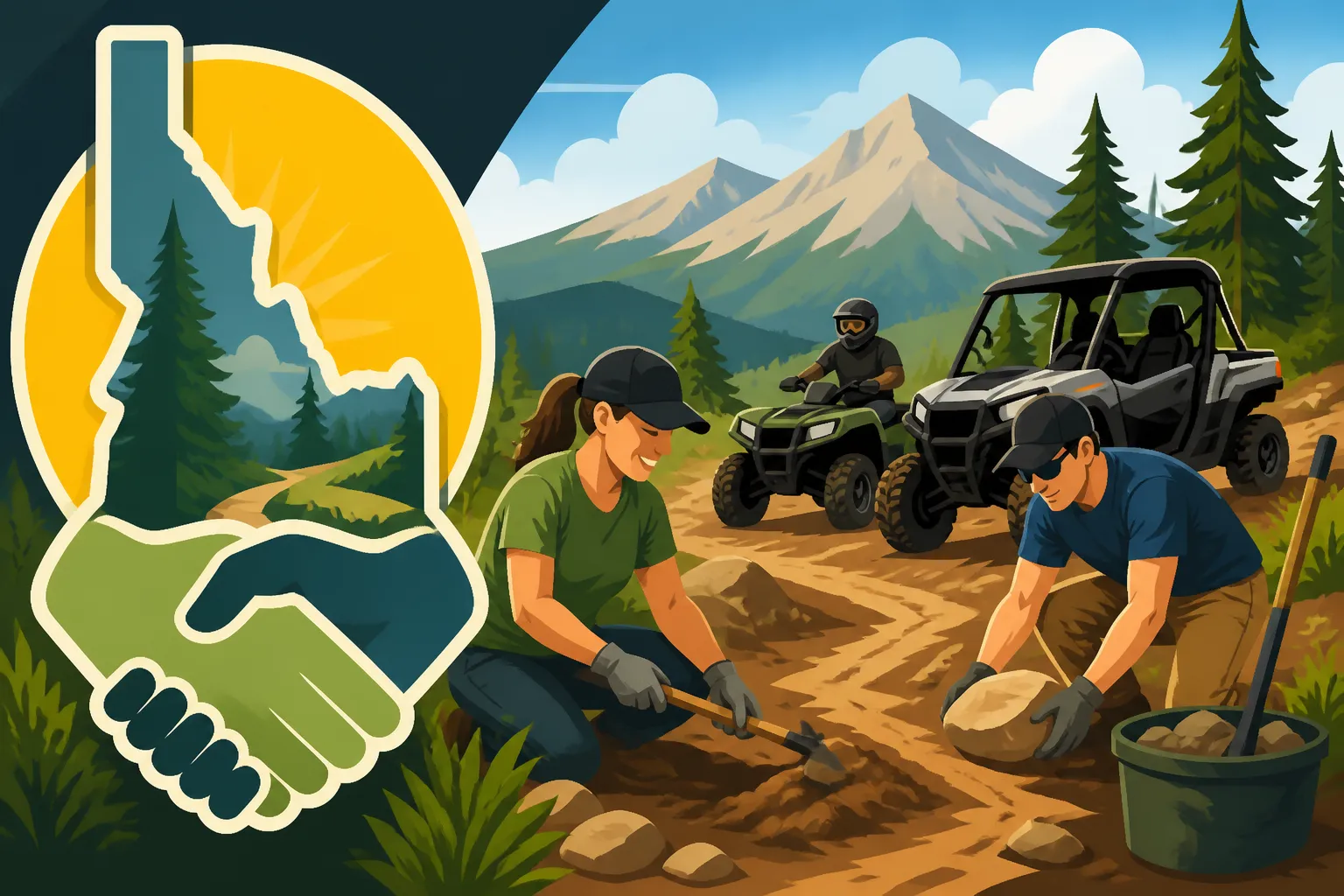
Trail adoption is a partnership: a riding club, community group, or individual volunteers help care for a designated route or trail area, usually with coordination from the agency or land manager responsible for it. The goal is not to take over public land or make independent changes. It is to support responsible upkeep while following the approved route, work plan, and safety requirements.
The work can be modest but valuable. Volunteers may pick up litter, report a blocked route, help clear small debris when authorized, or assist with signs and other maintenance under supervision. Larger projects—such as rebuilding a damaged section, changing drainage, or operating equipment—need the appropriate approval and trained people. A well-meant shortcut with a shovel can redirect water and create a rut that grows into a serious problem.
In Idaho, trail conditions and agency boundaries vary widely. A route in the Boise National Forest may have different access rules and contacts from one on the Idaho Panhandle National Forests or the Sawtooth National Forest. Groups involved in Idaho OHV Clubs and Trail Adoption can help newcomers understand how local volunteer efforts are organized and which public-land contacts to approach.
Why maintenance matters to riders
A small obstruction can become a bigger problem when riders detour around it. Repeatedly riding around a fallen branch or muddy patch widens the trail and may damage vegetation or create an unauthorized parallel route. Clearing or reporting the issue through the right channel protects the intended trail and helps other riders avoid surprises.
Maintenance also affects access. Drainage features that carry runoff away from the trail can limit erosion, while signs and route markers help riders stay on authorized routes. After a storm, snowmelt, or heavy summer use, a section that seemed fine earlier may need attention. Volunteer efforts can help agencies and local groups spot issues and address them through approved work.
There is also a community benefit. A rider who gives a few hours to a cleanup or workday gets to know the people who care for local routes, learns more about land-use boundaries, and helps keep riding areas welcoming. For a broader look at who may handle repairs, see Trail Crews and Summer Repairs and Who Fixes a Washed-Out Idaho Trail.
Finding a volunteer opportunity in Idaho
Start with local clubs and land managers
Begin with an established OHV club or the land-management office responsible for the route you want to support. A club may already coordinate volunteer days, communicate with agency staff, and know which tasks are approved. If you are new to an area, ask whether the event is open to first-time volunteers, what work is planned, and whether you need to bring tools or protective gear.
You can also contact the relevant agency office directly. Be specific about the area: “I’d like to volunteer near Danskin Mountains” is more useful than a general request to work somewhere in central Idaho. The agency or club can tell you whether there is a scheduled event, a current priority, or a better way to help, such as reporting a hazard rather than attempting repairs.
Local context matters. In the Boise area, ask about organized opportunities connected to the Boise National Forest or the Danskin Mountains OHV area. Riders near Coeur d’Alene may want to ask about work in the Idaho Panhandle National Forests. Around Stanley, check with the responsible land manager or local riding groups before planning a volunteer day in the Sawtooths. Routes, access, and seasonal conditions vary, so do not assume a project from one area applies elsewhere.
What to ask before signing up
A little preparation prevents the common frustration of arriving ready to work and discovering the group is meeting somewhere else, the task requires specialized training, or the route is closed. Ask for the meeting location, start time, expected finish, vehicle access details, and whether the work will involve hiking, riding, lifting, or tools. Confirm what clothing, food, water, and safety equipment to bring.
It is also worth asking how the project is authorized. Find out who will lead the work, which routes or features are included, and whether volunteers should stay together. If the work involves cutting, digging, moving rocks, changing drainage, or using powered equipment, ask what training and supervision are provided. Do not bring a chainsaw or start cutting trees just because a trail is blocked.
A useful way to check your route to the meeting place is to compare an app such as onX Offroad with the land manager’s official route information. The app can help with trip planning and orientation, but it is not permission to ride or work on a route. Confirm current access and the approved meeting point with the organizers, and consult Reading an Idaho Motor Vehicle Use Map when you need to understand designated motorized routes.
| Before the volunteer day | What to confirm |
|---|---|
| Location | Exact meeting point, parking plan, and route to the work area |
| Work scope | Approved tasks, areas, and any tasks volunteers must not do |
| Supervision | Event lead, agency contact, and instructions for staying with the group |
| Equipment | Tools supplied by organizers and anything volunteers should bring |
| Safety | Required protective gear, first-aid plan, and emergency communication |
| Access | Whether riding to the site is allowed and what route rules apply |
| Conditions | Weather, closures, smoke, runoff, or other reasons plans may change |
What volunteers can do and how to prepare
Typical volunteer tasks
Many volunteer days focus on straightforward work: picking up litter, documenting trail problems, checking signs, or helping with approved cleanup. Some events may include trail brushing or other maintenance, but the organizer should explain the task and its limits before work begins. The scope depends on the location, current needs, available supervision, and land-manager approval.
A useful volunteer is observant as well as willing to work. Notice where water is collecting, whether a sign is missing, or whether a fallen tree is forcing riders off the designated route. Share the location and a clear description with the event lead. Photos can help, but stay in a safe place and avoid entering unstable slopes or areas with hazardous debris just to get a better view.
The safest rule is simple: follow the project lead and do only the assigned work. If you find a problem outside the work area, report it rather than expanding the project on your own. That distinction is especially important after storms or spring runoff, when a damaged trail may need professional assessment. Reporting Trail Damage in Idaho offers more context on sharing useful information about a problem.
A practical preparation checklist
Wear sturdy footwear, gloves suitable for the task, and clothing that can handle brush, dust, and changing mountain weather. Bring drinking water, food, sun protection, and any personal medication you may need. Even a short workday can feel longer when you are lifting, walking uneven ground, or working at elevation.
If the group asks volunteers to bring tools, confirm the requested type and condition in advance. Do not assume that a tool you own is appropriate for the job. For example, cutting equipment may require training, protective gear, and a designated operator. If you are unsure, ask whether the organizer has tools available or whether a non-tool task would be more suitable.
Plan your transport and communications, too. Some staging areas are remote, and phone service may be unreliable. Share your plan with someone at home, follow the group’s check-in instructions, and keep your machine or vehicle on an authorized route. For an organized event, the organizer’s safety plan should guide decisions about riding, parking, and movement around the work site. Information about Idaho Trailhead Parking and Staging can help you think through access and parking before you go.
Helping responsibly beyond a volunteer day
Report problems without making unauthorized repairs
If you encounter trail damage during a regular ride, note the location as accurately as you can. Include the route name or nearby landmark, the nature of the issue, and whether it appears to block passage or create an immediate hazard. A clear photo taken from a safe spot can be helpful. Send the information to the responsible land manager or an established local group rather than posting sensitive details that could encourage riders to visit a fragile site.
Avoid widening the route to get around mud, cutting a new line around a tree, or moving signs. Those actions can cause damage even when the intention is to help. If there is an immediate safety concern, turn around or follow the event leader’s guidance rather than trying to solve a problem beyond your training.
Trail conditions may also change because of closures, fire activity, erosion, or seasonal restrictions. Check official notices before heading out to a work location, and respect closures even if a map app still displays the route. Idaho Trail Closures in Fire Season explains why access can change quickly during dry, smoky periods. If you use onX Offroad to orient yourself, treat it as a planning aid and confirm restrictions with official information before riding or volunteering.
Keep showing up in ways that fit your schedule
Not everyone can spend a full day on trail work, and that does not make their contribution unimportant. You might join one scheduled cleanup, help a club share event information, report damage carefully, or support an organized effort that raises resources for maintenance. Local clubs and agencies can explain where help is most useful and whether there are options that match your experience and availability.
It is also worth asking how volunteer work connects with broader trail funding and maintenance. Volunteer hours can complement, but do not replace, agency responsibilities, trained crews, or approved project funding. For a clearer picture of how support is organized, explore Idaho Trail Grants and Where They Come From. Understanding the funding side helps set realistic expectations: some problems can be handled during a volunteer day, while others require planning, approvals, equipment, and a longer repair process.
The best way to contribute is to be dependable, careful, and willing to follow the plan. Start with a local group or land manager, ask good questions, and leave the route in better shape without taking on work you are not authorized or equipped to do. Whether you are helping near Danskin, the St. Joe Ranger District, or a route closer to Stanley, that approach supports safer riding and healthier trails.
Disclaimer
This article is for general informational purposes only and does not constitute professional advice. Laws, prices and regulations vary by location and change over time. Consult a qualified professional for guidance on your specific situation.