Idaho Trail Grants and Where They Come From
Idaho trail grants rely on state OHV sticker revenue, federal programs, and local partner contributions to fund maintenance work.
The map is not the permission.
National forest and BLM routes, state OHV parks, and club trails crossing private land — with the closures and passes that decide whether today counts.
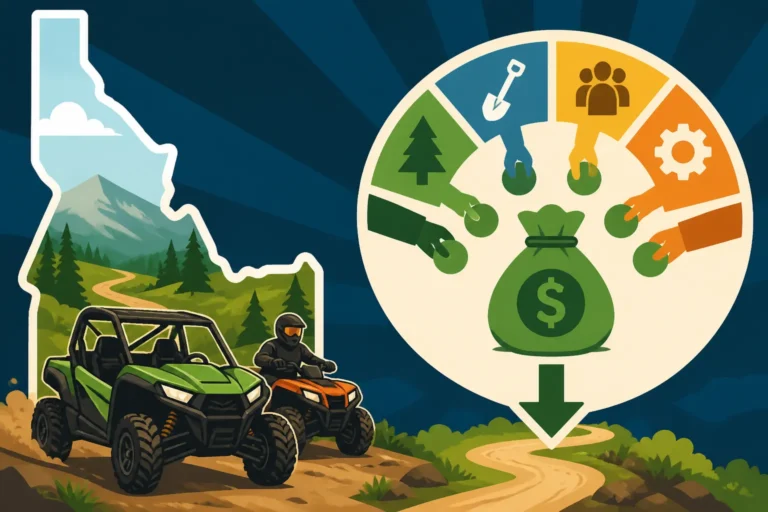
Idaho trail grants rely on state OHV sticker revenue, federal programs, and local partner contributions to fund maintenance work.
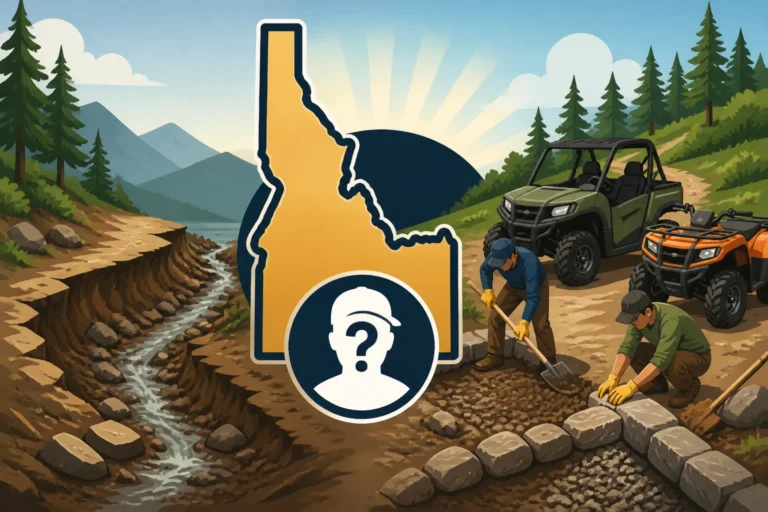
Idaho trail repair responsibilities depend on land managers like the Forest Service or counties, explaining who to contact for damage.
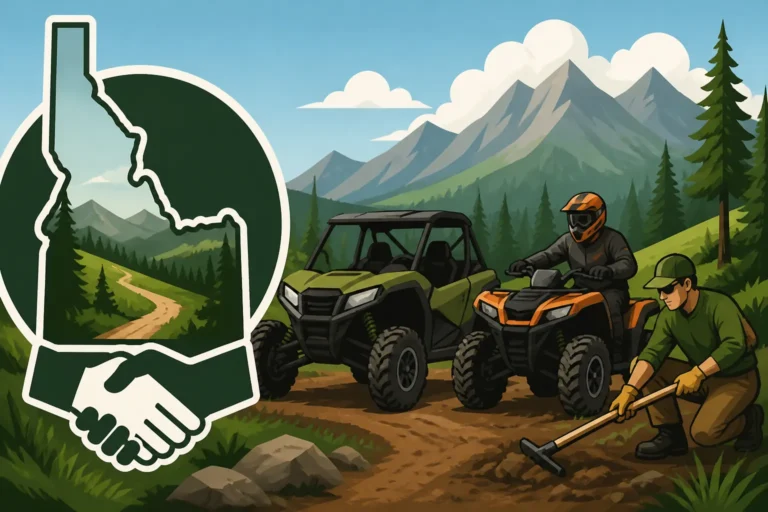
Idaho OHV clubs and trail adoption programs explain how volunteers maintain routes, report hazards, and work with land managers.
Idaho autumn motorcycle trips require planning for shifting weather, varying elevation bands, and forest road access rules.
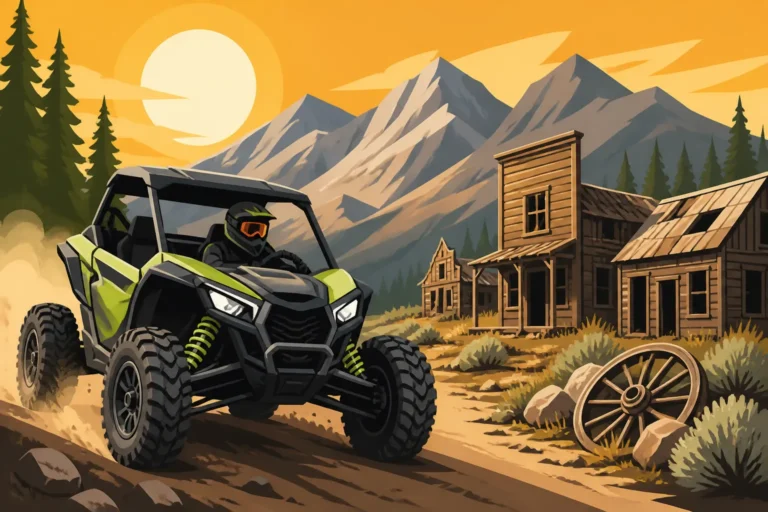
Idaho ghost town routes require planning legal access, checking vehicle rules, and confirming maps before riding ATVs.
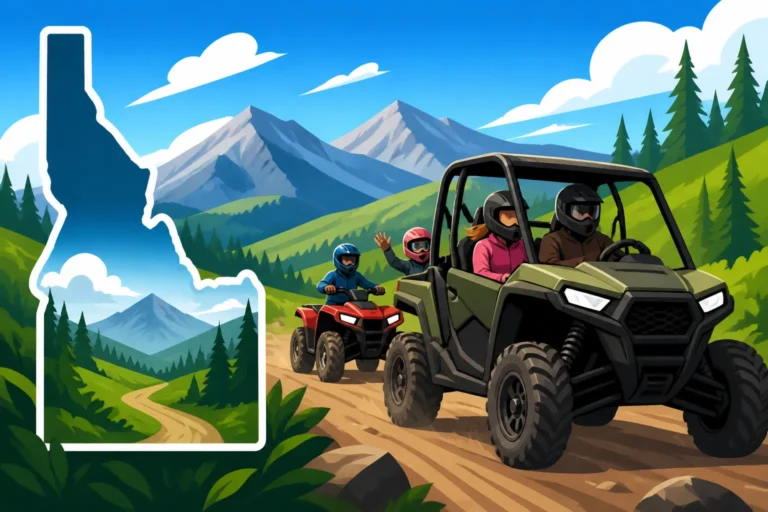
Idaho OHV trail selection tips help families match routes to rider experience, machine width, and children for safe rides.
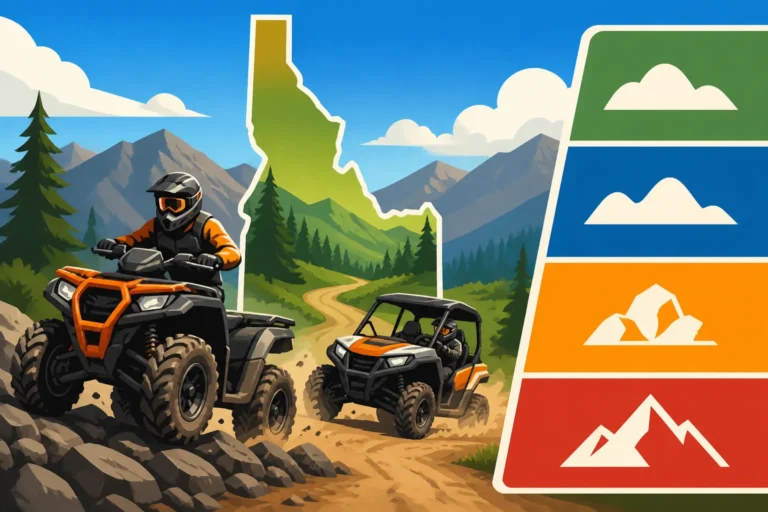
Idaho ATV trail difficulty ratings vary by map and weather, helping riders match routes to group experience levels.
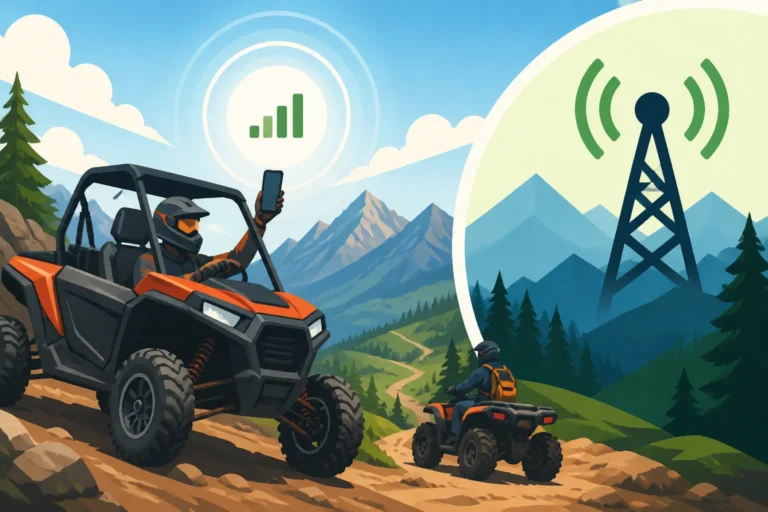
Idaho backcountry cell service varies by terrain and carrier, explaining how to plan communication and offline navigation before riding.
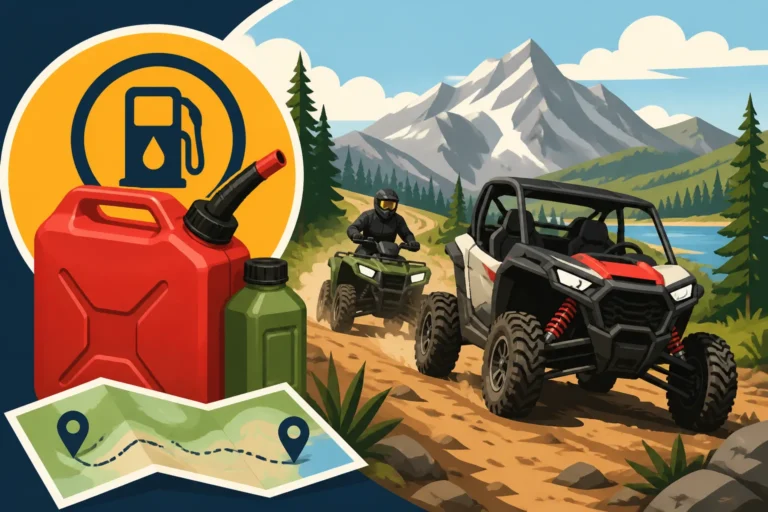
Idaho trail day fuel planning explains how to estimate machine range, calculate route consumption, and carry reserves safely.
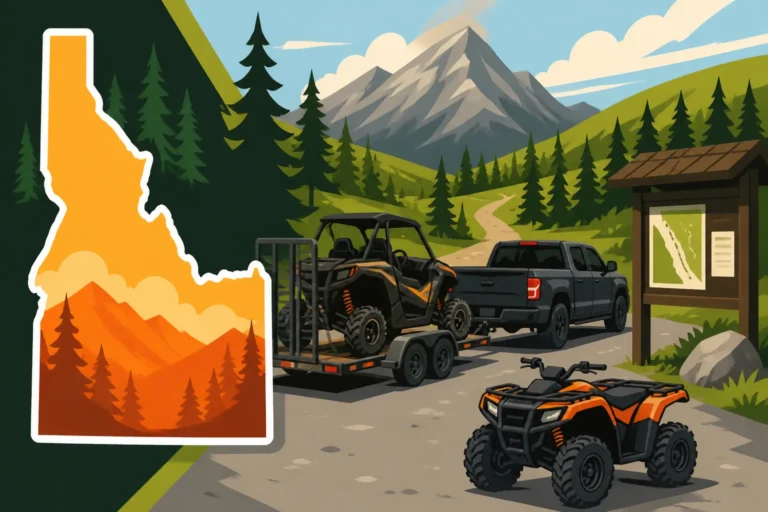
Idaho trailhead parking rules require checking vehicle size, land managers, and space limits before towing trailers.