Idaho Sales Tax on an ATV Purchase
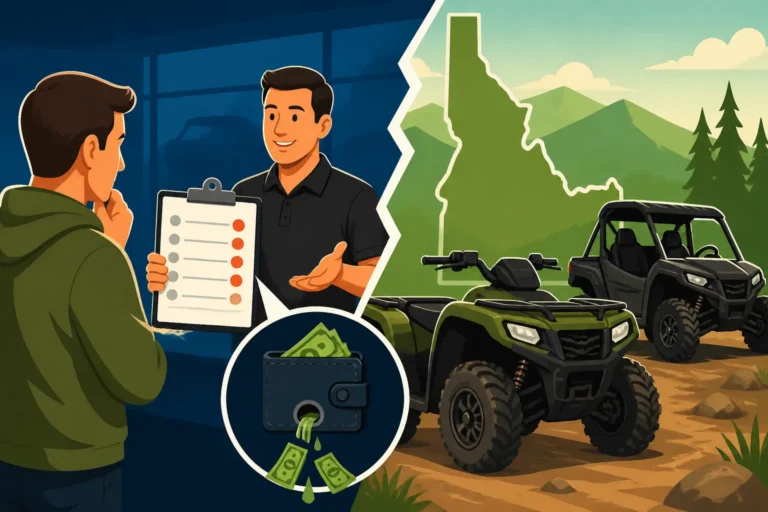
Buying an ATV or UTV is a thrilling prospect, full of anticipation for hitting Idaho's incredible trails. But let's be real: the joy can quickly turn into a headache when you start trying to figure out all the financial details, especially that sticky subject of sales tax. It’s not always straightforward, and nobody wants an unexpected bill or to feel like they’ve missed a critical step. This guide is here to untangle the complexities of Idaho sales tax on your new (or new-to-you) off-highway vehicle (OHV) purchase, ensuring you understand exactly what you need to pay, when, and why, whether you're buying from a dealer or a private seller, in Idaho or out of state.
Understanding Idaho Sales Tax Basics for OHVs
When you're looking at a shiny new side-by-side or a rugged quad, the price tag is usually just the beginning. Idaho, like most states, has a sales tax that applies to many purchases, and unfortunately for our wallets, OHVs are definitely on that list. Understanding the fundamentals of this tax is the first step to avoiding any surprises down the trail.
What Exactly is Sales Tax on an OHV?
At its core, sales tax is a consumption tax. It's a percentage added to the retail price of goods and services purchased, and in Idaho, this applies squarely to off-highway vehicles. Think of it as a contribution you make to the state's coffers every time you acquire a new piece of recreational equipment. For OHVs, this tax is generally collected at the point of sale by a licensed dealer, or it becomes your responsibility to pay directly to the state if you buy from a private party or bring the machine in from another state. It's not just a trivial amount either; on a substantial purchase like an ATV or UTV, it can add up quickly, so budgeting for it from the get-go is crucial. For many folks, this is the biggest "hidden" cost after the sticker price, and it's essential to factor it into your overall budget, right alongside the machine itself, accessories, and, of course, that all-important [Idaho OHV Sticker Cost This Year].
How the Sales Tax Rate Works in Idaho
Idaho has a statewide sales tax rate, which means it generally applies uniformly across the entire state. Unlike some other places that have city or county-specific sales taxes, Idaho keeps it relatively simple on this front. While the exact percentage can change over time, it's a fixed rate that applies to the purchase price of your OHV. When a dealer calculates your final price, they'll apply this percentage to the agreed-upon sale price. If you're buying privately, you'll be responsible for calculating and paying this same rate. It’s crucial to use the current rate to avoid underpaying and facing potential penalties, or overpaying and feeling like you got short-changed. This rate also forms the basis for Idaho's "use tax," which we’ll dive into later, but for now, just know that the percentage itself remains consistent regardless of whether it's a sales tax or a use tax scenario. Always check the official Idaho State Tax Commission website for the most up-to-date rate before making your purchase.
Sales Tax When Buying from an Idaho Dealer
For many riders, buying a new or used OHV from a reputable Idaho dealer offers peace of mind. Dealers often handle the bulk of the paperwork, including the sales tax, which can simplify the process significantly. However, it's still important to understand how it all works so you can review your bill of sale with confidence.
The Dealer's Role in Collecting Sales Tax
When you purchase an ATV or UTV from a licensed dealer in Idaho, they are legally obligated to collect the sales tax from you at the time of the sale. They act as an agent for the state, collecting the funds and remitting them to the Idaho State Tax Commission. This means that when you receive your final invoice, the sales tax amount will be clearly itemized and added to the purchase price of the machine, along with any other fees. This is generally the most straightforward way to handle the sales tax, as you pay it once, and the dealer takes care of the rest. You'll sign the paperwork, pay the full amount, and then you're done with that particular headache. The dealer will also usually help you with the title application, which includes proof that sales tax was paid. This seamless process is one of the main advantages of going through a dealer, especially for first-time buyers who might feel overwhelmed by the process of [Titling and Registering an ATV in Idaho].
Dealer Fees and Sales Tax
Beyond the sales tax on the machine itself, you might notice other fees popping up on your dealer invoice. These can include documentation fees, freight charges, assembly fees, and sometimes even fees for applying for your title. It's a common question: does sales tax apply to these additional charges? Generally, in Idaho, sales tax is applied to the full "sales price" of the vehicle, which can include certain mandatory charges that are part of the sale. However, some fees might be treated differently. For example, a pure "labor" charge for an optional service might not be taxed, while a "documentation fee" often is, as it's considered part of the cost of acquiring the vehicle.
It’s always a good idea to scrutinize the line items on your bill of sale and ask the dealer for clarification. A transparent dealer will be happy to walk you through each charge and explain how sales tax is applied. Don't be shy about asking for an itemized breakdown. Understanding these additional costs upfront, and how they interact with sales tax, will prevent any unwelcome surprises when you're ready to sign on the dotted line. Being proactive here can save you a lot of confusion and ensure you're not paying tax on something that's exempt, or conversely, that you don't have an unpaid tax liability lingering.
Navigating Sales Tax in Private Party ATV Sales
Buying an ATV or UTV from a private seller can often save you some money on the purchase price, but it also shifts more of the responsibility for paperwork and taxes onto your shoulders. This is where many buyers get tripped up, assuming that if there's no dealer, there's no sales tax. This is a common and costly misconception in Idaho.
When Sales Tax Applies to a Private Sale
Here’s the critical point for private party purchases: even if you buy your OHV from an individual rather than a licensed dealer, Idaho still expects you to pay sales tax. The state sees it as your responsibility to self-assess and remit this tax. This is often where the concept of "use tax" comes into play, although it functions very similarly to sales tax in this context. When you go to your county assessor's office to apply for your new title, they will require proof that the sales tax has been paid, or they will collect it from you at that time.
Many buyers, especially those new to OHV ownership or buying privately for the first time, are surprised by this. They might budget for the purchase price and the title fee, but forget about the substantial sales tax bill. Failing to account for this can mean you’re scrambling for extra cash at the county office, which is definitely not how you want to cap off your exciting new purchase. Always factor the sales tax into your budget when negotiating a private sale price. You'll need to present a bill of sale or other documentation to the assessor to prove the purchase price, which then determines the amount of tax you owe. Tools like those offered by LawDepot can help you create a clear, legally sound bill of sale that accurately reflects the transaction details.
Calculating Sales Tax on a Used Machine
When buying a used ATV or UTV from a private seller, the sales tax is calculated on the agreed-upon purchase price. It’s the same statewide sales tax rate that applies to new machines. However, a common issue arises: sometimes the stated purchase price on a handwritten bill of sale might seem unusually low, perhaps to reduce the tax burden. The state of Idaho is well aware of this tactic. If the purchase price you declare is significantly below the fair market value of the machine, the county assessor's office has the discretion to reassess the value for tax purposes.
They might consult resources like Kelley Blue Book, NADA Guides, or other valuation tools specific to powersports vehicles to determine a reasonable fair market value. If their assessed value is higher than what you declared, they will base the sales tax on their valuation, not yours. This can lead to a much higher tax bill than you anticipated. So, while it might be tempting to list a nominal price, it's almost always best to declare the actual price you paid. Transparency will save you headaches and potential audits down the road. Remember, the goal is to pay the correct amount, not to try and skirt the system.
Proving the Sales Price to the State
To correctly calculate and collect sales tax on a private party OHV sale, the Idaho county assessor's office needs clear proof of the purchase price. This is where a well-written bill of sale becomes absolutely indispensable. It should clearly state:
- The full names and addresses of both the buyer and seller.
- The date of the sale.
- The make, model, year, and crucially, the Vehicle Identification Number (VIN) of the OHV.
- The agreed-upon cash purchase price.
- Signatures of both the buyer and seller.
Having a clear, legible, and accurate bill of sale prevents disputes and ensures there's no ambiguity about the sales price. A basic, legally sound template, perhaps one you could adapt from a service like LawDepot, can be incredibly helpful here. Without a proper bill of sale, the assessor might use their own valuation methods, potentially costing you more in taxes. It also serves as important documentation for yourself, especially if there are any questions later regarding the ownership transfer or [ATV Bill of Sale Wording Buyers Should Insist On]. When you go to title the machine, bring this document along with the signed-over title from the previous owner.
The Ins and Outs of Use Tax for Out-of-State Purchases
Idaho's tax system doesn't just care about where you buy your ATV or UTV; it also cares about where you use it. This is where "use tax" comes into play, a concept often misunderstood but vital for anyone bringing a machine into Idaho from another state.
What is Use Tax and Why It Applies
Use tax is essentially the counterpart to sales tax. While sales tax is levied on purchases made within Idaho, use tax is applied to purchases made outside of Idaho when the item is then brought into and used within the state. The primary purpose of use tax is to prevent residents from avoiding Idaho's sales tax by purchasing goods in states with lower or no sales tax. Without a use tax, everyone would simply buy their OHVs across state lines, depriving Idaho of revenue that helps maintain our trails and recreational areas.
So, if you buy an ATV in Oregon (which has no sales tax) and then bring it to your home in Idaho to ride, you owe Idaho's use tax on that purchase. The rate is the same as the Idaho sales tax rate, and it’s calculated on the purchase price of the machine. It’s not a penalty; it's simply the state ensuring fair taxation on items that are consumed or used within its borders, regardless of where they were originally acquired. This system ensures that all Idaho OHV owners contribute equally to the state's revenue, whether they bought their machine at home or away. It’s also important to note that if you paid sales tax in another state that was less than Idaho's rate, you might owe the difference to Idaho as use tax. [Idaho Use Tax After an Out-of-State Purchase] is a common scenario for many residents.
Moving a Machine to Idaho After an Out-of-State Purchase
The process for handling use tax kicks in when you, as an Idaho resident, purchase an OHV in another state and then transport it back to Idaho for use. This includes scenarios like buying from a dealer or a private party across the border. When you go to your local county assessor's office to apply for an Idaho title and registration for your out-of-state machine, they will ask about sales tax. If you didn't pay sales tax in the other state, or if the tax you paid was lower than Idaho's rate, the assessor will collect the Idaho use tax (or the difference) from you at that time.
It's vital to have all your purchase documentation, including the bill of sale, original title, and any proof of sales tax paid in the other state, ready when you visit the assessor's office. This documentation helps them determine if use tax is due and, if so, how much. Without proper documentation, they might have to estimate the value, which could lead to an unexpected higher tax bill. Planning ahead and knowing your responsibilities for [Registering an Out-of-State Machine in Idaho] will make this process smoother. Remember, the clock starts ticking when you bring the machine into Idaho, so it’s best to handle the titling and use tax promptly.
Paying Use Tax When You Title Your Machine
For most individuals, the most common time to pay Idaho use tax on an out-of-state OHV purchase is when they apply for an Idaho title at their county assessor's office. The assessor's staff are trained to identify these situations and will guide you through the process. They will review your purchase documents, calculate any use tax owed based on the purchase price (or fair market value if the price seems unusually low), and collect payment. This is generally a requirement before they will issue you an Idaho title for the machine.
The key takeaway here is that you cannot simply avoid Idaho's sales/use tax by buying elsewhere. The state has mechanisms in place, primarily through the titling process, to ensure that these taxes are collected. Be prepared to pay the use tax at the same time you pay for your title and registration fees. If you purchased the machine in a state with a sales tax rate equal to or higher than Idaho's, and you can provide proof of that payment, you generally won't owe additional use tax to Idaho. However, if the other state's rate was lower, you'd owe the difference. Always bring your original purchase invoice showing any sales tax paid, along with the out-of-state title, when you visit the assessor's office.
Exemptions and Special Situations for ATV Sales Tax
While sales and use tax generally apply to most ATV and UTV purchases in Idaho, there are a few specific scenarios and exemptions that can affect your final tax bill. Knowing these can sometimes save you money or clarify why certain transactions are handled differently.
Trade-In Credits and Sales Tax Reduction
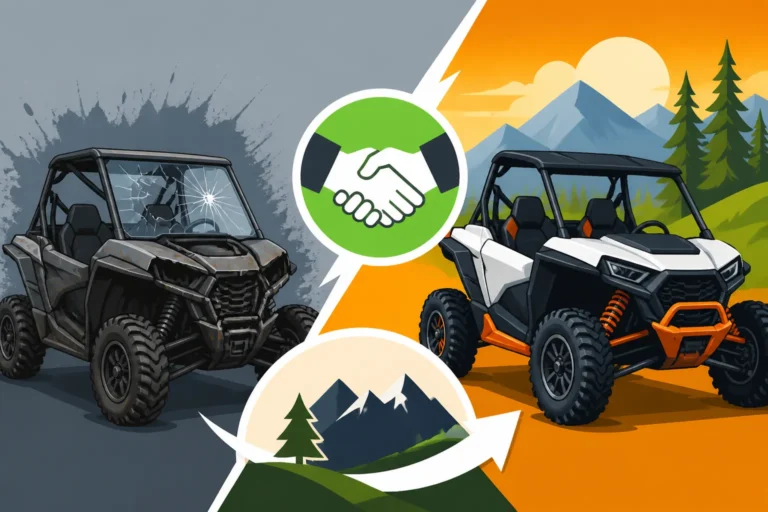
One of the most common ways to reduce your sales tax liability when buying a new OHV from an Idaho dealer is through a trade-in. If you trade in your old ATV or UTV as part of the purchase of a new one, Idaho allows you to reduce the taxable amount of your new purchase by the value of your trade-in. For example, if you're buying a $15,000 side-by-side and you trade in your old quad for $5,000, you would only pay sales tax on the $10,000 difference ($15,000 – $5,000).
This can result in significant savings on your sales tax bill, making a trade-in an attractive option for many riders looking to upgrade. This credit only applies when you trade in a machine to a licensed dealer as part of a new purchase. It generally does not apply to private party sales where you sell your old machine to one person and buy a new one from another. Be sure to discuss trade-in values and how they impact sales tax with your dealer upfront. Understanding your [Trade-In Credit at an Idaho Powersports Dealer] is a smart financial move.
Gifting an ATV to a Family Member
What if you're not buying an OHV, but receiving one as a gift from a family member? This is another scenario that often confuses people regarding sales tax. In Idaho, legitimate gifts between individuals are generally exempt from sales tax. However, there are some important caveats to ensure the state recognizes it as a true gift and not a disguised sale.
When a family member gifts an OHV to another, and no money (or other valuable consideration) changes hands, you would typically not owe sales tax when you go to title the machine in your name. To prove it's a gift, you'll need a clear "Gift Affidavit" or a bill of sale that explicitly states the transaction value is $0 and that it is a gift. This document should include the donor's and recipient's information, the OHV's details (make, model, VIN), and be signed by both parties. Some county assessor offices may require the signatures to be notarized for extra verification. This is important because if the state suspects it's not a genuine gift, they may try to assess sales tax based on fair market value. So, while it's a nice gesture, make sure the paperwork is solid to avoid any tax issues. You might find a suitable gift affidavit template through a legal document service like LawDepot to ensure all the necessary details are included.
Farm and Ranch Exemptions
Idaho is an agricultural state, and there are specific exemptions for equipment used directly and primarily in agricultural production. This can sometimes extend to ATVs and UTVs if they are used almost exclusively for farming or ranching operations. If an OHV is purchased solely for use on a farm or ranch to cultivate the soil, plant, care for, or harvest crops, or raise and care for livestock, it might qualify for a sales tax exemption.
However, this exemption is quite specific and strict. It's not for machines that are occasionally used for farm work but also taken out on recreational trails. The primary use must be agricultural. To claim this exemption, the buyer would typically need to provide an Idaho sales tax exemption certificate to the dealer at the time of purchase. If buying privately, you would claim the exemption when titling the machine, but you would still need to provide proof of the machine's primary agricultural use. It's always best to consult directly with the Idaho State Tax Commission or your local county assessor's office if you believe your OHV purchase qualifies for a farm or ranch exemption to ensure you meet all the criteria and have the correct documentation. Improperly claiming an exemption can lead to penalties and back taxes. Furthermore, it's distinct from any [Idaho OHV Registration for Farm and Ranch Machines] exemptions, which deal with annual stickers, not sales tax.
A Quick Look at Sales Tax Scenarios
To help bring all this information together, here's a brief overview of how sales tax generally applies in different common scenarios for ATV and UTV purchases in Idaho.
| Purchase Scenario | Sales/Use Tax Application | Collected By | Key Documentation Needed (for Buyer) |
|---|---|---|---|
| New OHV from Idaho Dealer | Idaho Sales Tax (current rate) on purchase price | Dealer at time of sale | Bill of Sale |
| Used OHV from Idaho Dealer | Idaho Sales Tax (current rate) on purchase price | Dealer at time of sale | Bill of Sale |
| Used OHV from Idaho Private Seller | Idaho Use Tax (current rate) on purchase price | County Assessor's Office (when titling) | Bill of Sale, Signed-over Title |
| OHV from Out-of-State Dealer | Idaho Use Tax (current rate) minus any sales tax paid in other state | County Assessor's Office (when titling) | Bill of Sale, Out-of-State Title, Proof of Sales Tax Paid (if any) |
| OHV from Out-of-State Private Seller | Idaho Use Tax (current rate) on purchase price | County Assessor's Office (when titling) | Bill of Sale, Out-of-State Title |
| OHV Received as a Gift | Generally Exempt (if genuine gift) | N/A | Gift Affidavit, Signed-over Title |
| OHV for Primary Farm/Ranch Use | Potentially Exempt (with proper documentation) | N/A (claimed at purchase or titling) | Exemption Certificate/Proof of Ag Use |
This table provides a general guide, but remember that specific situations can vary, and it's always best to confirm with the Idaho State Tax Commission or your local county assessor's office for the most accurate information regarding your unique purchase.
Understanding Idaho sales tax on your ATV or UTV purchase is a critical step in becoming a responsible and well-prepared OHV owner. While it can seem complex, especially with private sales and out-of-state purchases, the key is to be informed and to have all your documentation in order. Whether you're paying sales tax at an Idaho dealer, self-assessing use tax for a private purchase, or navigating a gift or trade-in, knowing the rules helps you avoid frustrating surprises and ensures a smooth journey from purchase to hitting those fantastic Idaho trails.
Disclaimer
This article is for general informational purposes only and does not constitute professional advice. Laws, prices and regulations vary by location and change over time. Consult a qualified professional for guidance on your specific situation.