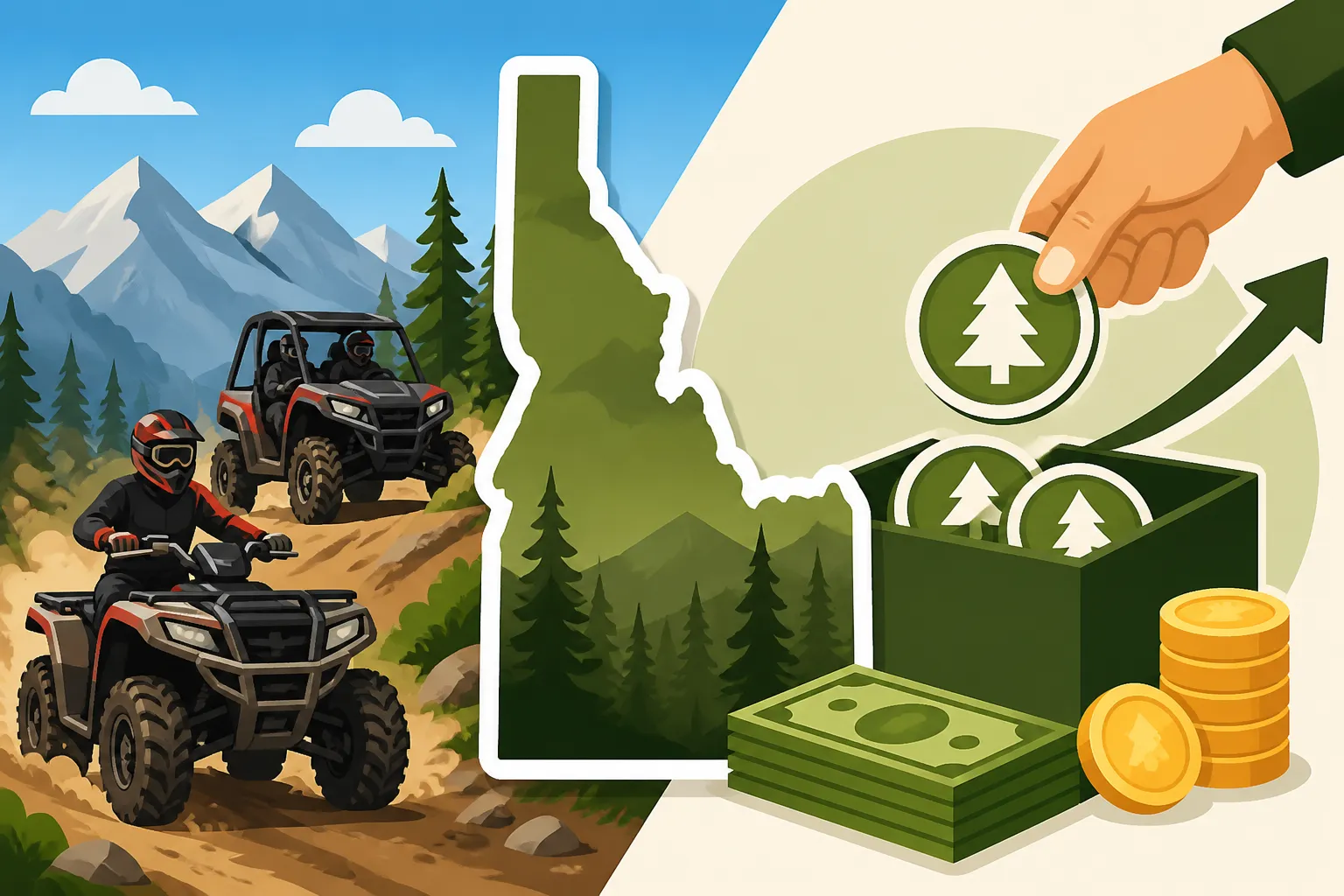
The Idaho Trail Fund and Sticker Revenue
It's a common feeling, isn't it? You dutifully purchase your Idaho OHV sticker each year, slap it on your machine, and wonder, "Where exactly does that money go?" You might feel like it's just another government fee that disappears into a black hole, leaving you to ride the same old trails. This guide is here to pull back the curtain, showing you exactly how your hard-earned sticker dollars feed directly into the maintenance, improvement, and expansion of Idaho's incredible off-highway vehicle trail system, ensuring better riding experiences for everyone.
Your Idaho OHV Sticker: More Than Just a Permit
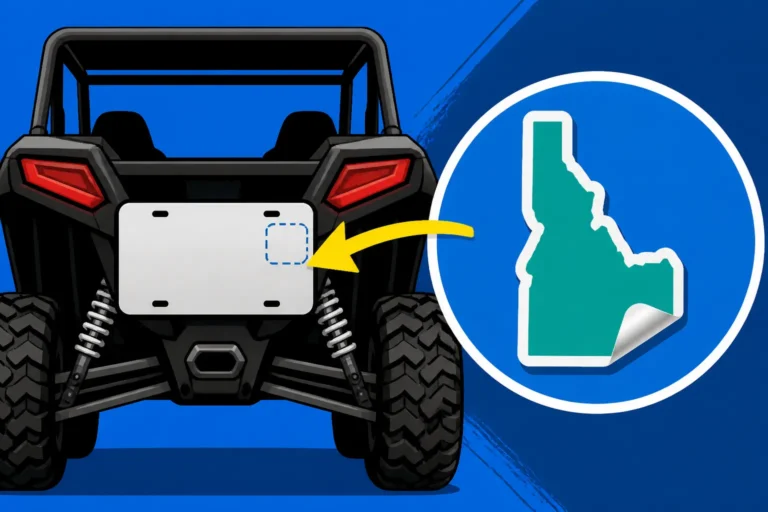
When you buy that small, adhesive piece of paper, you're doing more than just complying with the law. You're making a direct investment in the future of off-roading across the Gem State. It's easy to see it as a hurdle, another requirement before you can hit the dirt, but understanding its true purpose can change your perspective entirely.
The Anatomy of Your OHV Sticker Fee
Let's break it down. When you hand over your payment for an Idaho OHV sticker, part of that money covers administrative costs, and a small portion often goes to the vendor who processes the sale. But the lion's share, the vast majority, is channeled directly into a dedicated fund specifically for off-highway vehicle recreation. This isn't just a general tax that gets swallowed up by unrelated state budgets. This is user-generated revenue designed to be user-benefiting. It's a system built on the principle that those who use the trails contribute to their upkeep and development. Think of it as a membership fee to Idaho's vast and wild playground. For a full breakdown, you can always check out [What an Idaho OHV Sticker Costs Each Year].
Without these funds, the trails we love to ride would quickly fall into disrepair. Imagine encountering washouts every half-mile, trails overgrown with brush, or critical bridges collapsing. The sticker fee ensures there's a consistent source of funding specifically earmarked to prevent these scenarios and keep our trails in top shape. It's a small price to pay for access to hundreds of miles of diverse terrain, from desert washes to alpine forests.
Why a Dedicated Fund Matters for Off-Roaders
Here in Idaho, we're fortunate that our OHV sticker revenue flows into a dedicated fund managed by the Idaho Department of Parks and Recreation (IDPR). This is a crucial distinction. In many places, fees and taxes can be tossed into a general fund, where they compete with countless other state priorities. When that happens, OHV recreation, which might seem niche to some, often gets overlooked or underfunded. Our system helps avoid that.
By dedicating this money to the Idaho Trail Fund, we ensure that the dollars collected from riders like you are spent on things that directly impact your riding experience. This means trail planning, construction, maintenance, and educational programs – all focused solely on off-highway vehicles. It creates a direct feedback loop: riders pay fees, those fees improve riding, which in turn encourages more riding and continued investment. This system empowers the IDPR and local clubs to plan for the long term, knowing they have a reliable source of funding dedicated to the passions of Idaho's OHV community.
Diving Deep into the Idaho Trail Fund
So, the money isn't just vanishing into the ether. It’s being carefully managed to enhance our riding experiences. But what exactly happens behind the scenes? Who decides where the money goes, and what kinds of projects are prioritized?
The Idaho Department of Parks and Recreation's Role
The Idaho Department of Parks and Recreation (IDPR) is the primary administrator of the Idaho Trail Fund. They are the custodians of these funds, responsible for their allocation and oversight. This isn't a job they take lightly; they work closely with various stakeholders, including land management agencies like the Forest Service and BLM, as well as local OHV clubs, to identify needs and prioritize projects across the state. They act as the central hub, collecting the revenue from sticker sales and then distributing it strategically to ensure the greatest benefit for the OHV community. If you ever have questions, remember the IDPR is your go-to resource, and you can find contact information at [Idaho Parks and Recreation OHV Contacts].
The IDPR’s role extends beyond just managing the money. They also lead statewide planning efforts, develop educational materials, and promote responsible recreation. Their goal is to foster a safe and sustainable OHV environment for everyone, from families enjoying a scenic trail ride to experienced adventurers tackling challenging terrain. They're often the ones coordinating efforts to open new areas, resolve land use conflicts, and ensure that our trails remain accessible and enjoyable for years to come.
Where Idaho Sticker Money Goes
Now for the exciting part: what exactly does your sticker money pay for? The Idaho Trail Fund supports a wide array of initiatives, all aimed at improving the quality and sustainability of our OHV trails. These funds are vital for keeping our trails safe, accessible, and in excellent condition. Think about the countless hours of work that go into maintaining a vast trail system, or the resources needed to map new routes. [Where Idaho Sticker Money Goes] details more about the allocation.
Here's a look at some common expenditures:
| Category | Examples of Funded Projects | Impact on Riders |
|---|---|---|
| Trail Maintenance | Repairing washouts, clearing fallen trees, grading surfaces, erosion control, bridge repairs. | Smoother, safer trails; prevents closures; preserves scenic routes. |
| Trail Construction | Developing new loops, connecting existing trails, building staging areas, access points. | Expanded riding opportunities; reduces crowding; creates diverse experiences. |
| Signage & Mapping | Installing clear trail markers, informational kiosks, updated maps (digital and physical). | Easier navigation; enhanced safety; compliance with rules; better trip planning. |
| Education & Safety | Youth safety courses, responsible riding campaigns, funding for search and rescue operations. | Safer riding practices; reduced accidents; quicker emergency response. |
| Equipment Purchases | Buying heavy machinery (e.g., excavators, dozers) for trail work, tools for volunteer crews. | Efficient and effective trail maintenance; supports volunteer efforts. |
| Land Access & Planning | Funding for studies, easements, and negotiations to secure and preserve access to riding areas. | Ensures future access; mitigates conflicts with other land users; protects trail network. |
This table provides a snapshot, but the reality is even more dynamic. Funds can also go towards things like grants for local clubs to undertake their own projects, which we’ll discuss shortly, or even for things like providing educational resources to new riders.
How Your Sticker Dollars Translate to Better Riding
It’s one thing to know the money goes into a fund, but it’s another to see the tangible results on the ground. Your annual sticker purchase directly contributes to the visible improvements you experience every time you hit the trails.
Maintaining Existing Trails and Infrastructure
Imagine riding a popular loop in the Danskin Mountains near Boise, only to find it completely impassable due to a recent storm. Washouts, fallen trees, and crumbling embankments can render trails unusable in a flash. This is where your sticker dollars come into play. Crews funded by the Idaho Trail Fund are dispatched to clear debris, rebuild damaged sections, and install preventative measures like culverts and drainage systems to minimize future erosion. Without this ongoing, often unseen, effort, many of our favorite trails would become unrideable within a season or two. [Reporting Trail Damage in Idaho] is one way you can help these efforts.
Beyond basic clearing, funds are used for more significant infrastructure. This could mean replacing an aging wooden bridge that crosses a creek, installing new safety barriers along a steep drop-off, or creating hardened sections of trail in areas prone to mud bogs. These are not glamorous jobs, but they are absolutely essential for maintaining the integrity of our trail system and ensuring a safe, enjoyable experience for all riders. The dedicated trail crews, often made up of passionate locals and professionals, are literally shaping the landscape for our enjoyment. You might be interested to know that [Trail Crews Paid From Sticker Fees] are out there making sure you have a great ride.
Developing New Opportunities and Enhancing Safety
While maintaining existing trails is crucial, the Idaho Trail Fund also looks to the future. A portion of the revenue is invested in developing new riding opportunities. This could involve scouting and constructing entirely new trail segments, connecting existing loops to create longer, more diverse routes, or even transforming old logging roads into scenic OHV paths. Imagine a new section opening up in the Caribou-Targhee National Forest, giving you fresh terrain to explore – that's your sticker dollars at work.
Furthermore, safety is a paramount concern for the IDPR. Funds are allocated to educational programs aimed at promoting safe and responsible riding practices. This includes funding for youth safety courses that teach young riders essential skills and trail etiquette. Clear, consistent signage on trails, maps available at trailheads, and online resources are also supported by these funds, helping riders navigate safely and understand local regulations. In cases of emergencies, a portion of the fund can even go towards supporting search and rescue operations for lost or injured riders, highlighting the comprehensive nature of this investment. If you're wondering about requirements, check out [Idaho OHV Safety Course Requirements]. It’s another layer of protection that your sticker contributes to, even if you never directly need it. Knowing the importance of proper registration can also help avoid [Penalties for an Unstickered OHV in Idaho].
Beyond the Funds: Community and Conservation
The impact of your OHV sticker goes beyond just financial contributions; it fosters a vibrant community and promotes environmental stewardship. This fund isn't just about pouring concrete and clearing trees; it’s about nurturing a culture of responsible recreation that benefits everyone.
Supporting Local OHV Clubs and Volunteer Efforts
One of the most powerful aspects of the Idaho Trail Fund is its ability to empower local communities and volunteer groups. The IDPR regularly provides grants to qualified OHV clubs and organizations across the state. These grants, directly funded by sticker revenue, allow local groups to undertake their own trail projects, from building new bridges to installing signage or organizing massive cleanup efforts. This means your money is not just managed by state agencies; it's also put directly into the hands of the passionate riders who live and breathe the local trails. If you're part of a club, or thinking of forming one, understanding [How Idaho Clubs Apply for Trail Money] can be a game changer.
These clubs are the backbone of our OHV community, often putting in countless volunteer hours alongside the funded projects. They organize trail work days, advocate for rider access, and serve as crucial partners with land managers. When you buy a sticker, you're essentially providing seed money for these dedicated individuals and groups to further improve the trails you love to ride. It’s a fantastic example of a "user pays, user benefits" system in action, where the benefits are amplified by local passion and commitment. Find out more about how this works through [Idaho Trail Grants to Local Clubs].
Ensuring Responsible Access for Future Generations
Ultimately, the Idaho Trail Fund is about sustainability. It’s about ensuring that the incredible riding opportunities we enjoy today will still be here for our children and grandchildren. This involves not just fixing immediate problems but also implementing long-term conservation strategies. Funds are used for studies on trail impact, for designing sustainable trail systems that minimize erosion and disturbance, and for promoting best practices among riders to protect the natural environment.
By investing in responsible trail management, we help mitigate potential conflicts with other land users and conservation groups, fostering a more harmonious relationship between recreation and environmental protection. It's a commitment to balance the thrill of the ride with the responsibility of preserving Idaho’s pristine landscapes. So, when you peel that new sticker and place it on your machine, remember you're contributing to a legacy – one that safeguards your access to Idaho's wild places and ensures that the spirit of adventure thrives for generations to come.
Disclaimer
This article is for general informational purposes only and does not constitute professional advice. Laws, prices and regulations vary by location and change over time. Consult a qualified professional for guidance on your specific situation.