Checking a Used Machine for Theft
The sting of buying a used ATV or UTV, only to discover later that it was stolen, is a truly heartbreaking and costly experience. It’s not just the money you lose; it’s the frustration, the legal headaches, and the feeling of being taken advantage of. This guide is here to walk you through the essential steps and red flags to watch for, helping you protect your investment and avoid the devastating consequences of unknowingly purchasing a stolen machine in Idaho.
The Steep Risks of Buying a Stolen OHV in Idaho
It might seem like a distant possibility, but buying a stolen off-highway vehicle (OHV) can turn your excitement into a legal nightmare. In Idaho, as anywhere else, ignorance of the machine's origin doesn't protect you from the consequences. You stand to lose more than just your hard-earned cash; you risk serious legal repercussions.
Losing Your Investment and the Machine Itself
Let’s be brutally honest: if you buy a stolen ATV or side-by-side, you don't actually own it. Even if you paid cash and thought you were getting a fantastic deal, the rightful owner retains legal possession. When law enforcement eventually discovers the machine is stolen—and they often do, especially during routine stops or when you try to [Titling and Registering an ATV in Idaho]—they will seize it.
This means you'll surrender the machine, and typically, you won't get your money back from the person who sold it to you, especially if they’ve disappeared or are uncooperative. The original owner is the victim of the theft, and you, unfortunately, become a secondary victim, out of pocket and without a machine. Imagine having your prized UTV, the one you envisioned taking through Idaho’s incredible mountain trails, hauled away by a sheriff's deputy, knowing your money vanished with the seller. It’s a gut-wrenching scenario that can leave you feeling utterly defeated.
Legal Repercussions and Headaches
Beyond losing your money and the machine, purchasing stolen property, even unknowingly, can drag you into legal complications. While direct prosecution for theft might be unlikely if you genuinely had no idea, you could still be forced to spend time and money proving your innocence. You might find yourself subpoenaed, giving statements, or even needing legal counsel just to clear your name.
Think about the time you'd lose from work, the stress of dealing with court proceedings, and the potential impact on your reputation. Law enforcement will want to know how you acquired the machine, who sold it to you, and every detail of the transaction, which can be an intrusive and uncomfortable process. It's far better to invest a little extra time upfront to ensure the machine is legitimate than to face the significant hassle and emotional toll that comes with being involved in a stolen property investigation. Should your machine ever be stolen, knowing the proper steps can help in [Recovering a Stolen ATV].
Deciphering the VIN: Your First Line of Defense
The Vehicle Identification Number (VIN) is more than just a random string of characters; it's your machine's unique fingerprint. Verifying the VIN is the absolute most critical step you can take to protect yourself from buying a stolen OHV. A clean, untampered VIN is non-negotiable.
Locating and Verifying the VIN Plate
Every ATV and UTV has a VIN, typically a 17-character code (for machines manufactured after 1981). This number is usually stamped into the frame of the vehicle. Common locations include:
- On the frame near the steering head: For ATVs, this is often on the right side of the frame, near where the handlebars connect.
- On the frame behind a front wheel: Sometimes tucked away on a frame rail.
- Under the seat: For some UTVs, it might be visible on the frame section under the seat.
- On the dashboard or inside the glove box: For side-by-sides, there's often a sticker or plate here.
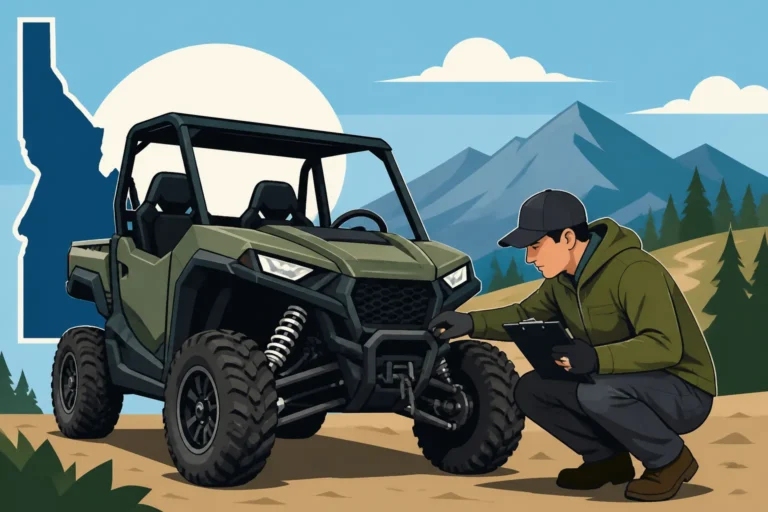
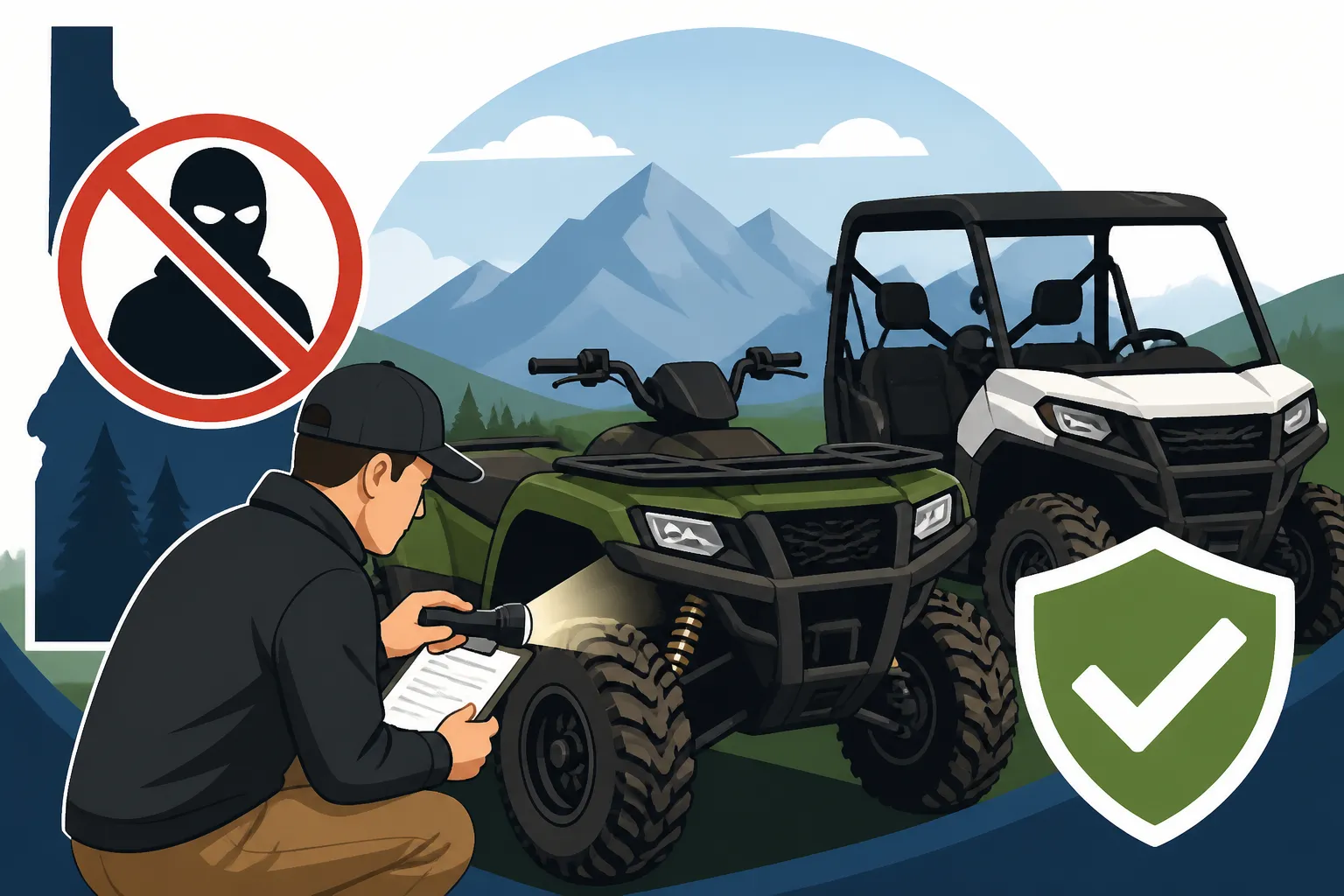
It's absolutely essential to find all VINs on the machine—there might be one stamped on the frame, another on a sticker, and perhaps even one on the engine case. They must all match perfectly. Take your time, get a flashlight, and really scrutinize each character. Look for any signs of tampering: numbers that look like they've been ground off and restamped, plates that are glued on crookedly, or areas that appear to have been painted over to conceal something. A legitimate VIN should be clearly stamped, evenly spaced, and consistent across all locations. To help you know where to look, we've even got a guide on [Where the VIN Sits on a Side-by-Side Frame].
What the VIN Numbers Tell You
Once you've located and verified the VIN, understanding its structure can provide valuable information and help you spot inconsistencies. While memorizing the entire VIN decoding system isn't necessary, knowing a few key elements can be incredibly helpful:
- Manufacturer Information: The first three characters identify the world manufacturer.
- Vehicle Attributes: Characters four through nine describe things like engine type, model, and body style.
- Model Year: The tenth character indicates the model year of the machine. This is a crucial one to verify against what the seller claims. For example, a "B" might mean 2011, a "C" means 2012, and so on. You can easily find charts online to decode this digit.
- Assembly Plant: The eleventh character usually identifies the assembly plant.
- Sequential Production Number: The last six digits are the unique production number for that specific machine.
When you're inspecting the VIN, compare the decoded model year with the seller's stated model year. If they don't match, that's a serious red flag. Also, research the manufacturer code to ensure it aligns with the brand of the machine. Discrepancies here could indicate a "chop shop" operation or a re-VIN attempt. It’s always smart to have a general idea of [Reading the Model Year Digit on a VIN Plate] to double-check against what the seller is telling you. If you ever find yourself in a situation where the VIN seems wrong or tampered with, it's worth knowing about the process of [Fixing a Wrong VIN on an Idaho Title], though ideally, you'd avoid buying such a machine in the first place.
Official Channels for Running a Theft Check
You’ve got the VIN, you’ve checked for tampering, and everything looks good so far. Now it’s time to use official channels to run a theft check. This is where you get objective verification that the machine isn't flagged as stolen. Skipping this step is like playing Russian roulette with your finances.
Contacting Local Law Enforcement
One of the most reliable ways to check for theft is to contact your local Sheriff's office or city police department. It's generally best to do this in person and, ideally, with the seller present. Many law enforcement agencies are willing to run a VIN through their databases (which often link to national databases like NCIC) to check for theft reports.
Here’s how you might approach it: Explain to the seller that as a cautious buyer, you want to ensure a clean transaction and would like to briefly stop by a police station to have the VIN checked. If they are legitimate, they should have no problem with this. Any hesitation or refusal from the seller is an immediate, glaring red flag. When you’re at the station, calmly explain your intent to purchase a used OHV and politely ask if an officer could run the VIN for you. They will usually be happy to assist, as it helps prevent stolen property from changing hands. This quick check can save you immense grief down the road.
Using Online Databases and Services
In addition to local law enforcement, there are several online resources that allow you to check a VIN for theft. Some are free, pulling data from publicly available records, while others are paid services that offer more comprehensive reports, often including accident history, salvage titles, and previous ownership data.
These services pull information from various sources, including police databases, insurance companies, and motor vehicle departments across different states. While a free check can give you a basic "stolen" or "not stolen" status, paid services often provide a much deeper dive into the machine's history. It's always a good idea to cross-reference results from multiple sources if you're using online tools. Remember, these services are only as good as the data they receive, so a check with local law enforcement remains highly recommended. Before you hand over any money, always ensure you've done your due diligence, which absolutely includes [Running a Serial Number Before You Pay].
Checking Titles and Registration Records
In Idaho, nearly all ATVs and UTVs over 50cc are required to have a title. This title is proof of legal ownership. When you're buying a used machine, the seller must provide you with a properly endorsed title. Here’s what to look for:
- Matching VIN: The VIN on the title must perfectly match the VIN on the machine itself.
- Seller's Name: The seller's name on the title must match the name on their government-issued ID. If the title is in someone else's name, you need a clear chain of ownership (e.g., a bill of sale from the titled owner to the current seller).
- Signatures: The title must be properly signed by the seller (and any co-owners) in the designated areas. A title that's been "skipped" (not transferred into the seller's name) or has multiple crossed-out signatures is a huge red flag.
- Lienholders: Check for any liens listed on the title. If there's an outstanding loan, the seller must provide a lien release from the lender before you complete the purchase.
If a seller claims they don’t have a title for a machine that should be titled in Idaho, proceed with extreme caution. While there are legitimate reasons for a lost title, it opens the door to potential fraud. They should be willing to apply for a duplicate title before the sale, or you should be prepared to walk away. You can learn more about this in our guide on [Selling a Machine in Idaho With No Title]. For machines under 50cc, which may not require a title, a comprehensive bill of sale becomes even more critical.
Spotting Red Flags During the Purchase
Beyond the VIN and official checks, there are many subtle (and not-so-subtle) cues that can indicate a seller or a machine is suspicious. Being aware of these red flags can prevent you from stepping into a costly trap.
Suspicious Seller Behavior
A legitimate seller wants a smooth transaction, but a dishonest one will often exhibit behavior that just doesn't feel right. Trust your gut feeling, because it's often right.
- Reluctance to Meet in a Public Place: If a seller insists on meeting only in a remote location, or refuses to let you see the machine at their home address, this is a major red flag. They might be trying to avoid being traced or operating under false pretenses. Suggest a neutral, public location like a local park or even the parking lot of a sheriff's office.
- Cash-Only Demands and Pressure to Close Quickly: While many private sales are cash-based, an insistence on only cash, especially combined with pressure to finalize the deal quickly, can be suspicious. They might be trying to avoid any paper trail or giving you time to do your due diligence.
- Vague or Evasive Answers: When you ask specific questions about the machine’s history, maintenance, or how they acquired it, do they become defensive, provide vague answers, or contradict themselves? A transparent seller will be able to answer your questions clearly and confidently.
- No Proper Identification: The seller should be willing to show you a government-issued ID that matches the name on the title and any other paperwork. If they refuse or offer excuses, this is a serious concern.
- Refusal of a Bill of Sale: A proper bill of sale protects both buyer and seller. If they resist providing one, it might be because they don’t want a written record of the transaction. A solid bill of sale, which you can easily find templates for through services like LawDepot, is crucial.
Inconsistent Paperwork and Pricing
Paperwork is the backbone of any legitimate sale. Any inconsistencies here should make you pause and reconsider.
- Mismatched Names on ID and Title: As mentioned, the seller's ID must match the name on the title. If they claim to be selling for a friend or family member, they should have a written authorization from the titled owner, and preferably, that person should be present.
- Missing or Incomplete Title: For titled machines in Idaho, a missing title is a significant hurdle. If the seller can't produce a clean, properly endorsed title, walk away. You can always refer to [Buying From a Seller With No Paperwork] for a deeper dive into the risks. Even if you secure a duplicate title, you might still face challenges.
- Unusually Low Price: Everyone loves a deal, but a price that seems too good to be true often is. If a high-value machine is listed at a fraction of its market value, it could be a stolen item that the seller is trying to unload quickly. Research comparable machines to get a sense of fair market value.
- No Bill of Sale: Even if the machine is older and untitleable (which is rare for modern ATVs/UTVs in Idaho), a bill of sale is essential proof of your purchase. If a seller seems hesitant to use a formal bill of sale, even one you can customize from a platform like LawDepot, that’s a significant red flag. It specifies the VIN, purchase price, date, and buyer/seller information.
Machine Condition and Modifications
Sometimes, the machine itself can tell a story of suspicious activity. Look beyond the shiny plastic for clues.
- Evidence of Tampered VIN: This is the biggest red flag. If the VIN plate looks like it’s been removed and reattached, if the numbers are scratched out, or if there's any sign of grinding or welding near the VIN area, it's highly suspicious.
- Fresh Paint or Obscured Identification: A recently painted machine might be legitimate, but if it seems to be an attempt to cover up obvious damage or to obscure original factory identification stickers, be wary. Original factory stickers often have VIN derivatives or model information.
- Missing Parts or Obvious Damage for "Cheap": While a fixer-upper can be a good deal, if critical components are missing or there's damage that seems inconsistent with the story, it could be a machine that was stripped for parts or quickly pieced back together.
- Ignition Tampering: Look for signs of forced entry around the ignition, like broken plastic, scratch marks, or a mismatched ignition switch that doesn't fit properly. This could indicate the machine was hot-wired.
By paying close attention to both the seller's behavior and the machine's details, you can significantly reduce your risk. Even if you’re trying to quickly close a deal, take the time to draft a proper bill of sale, perhaps using a reliable template from LawDepot, to ensure you have a record. Don't forget to ask the seller [Questions Buyers Forget to Ask] during your inspection.
Summary of Red Flags to Watch For
Here's a quick reference table for common red flags when checking a used machine for theft:
| Category | Red Flags | Implications |
|---|---|---|
| VIN Inspection | Tampered, scratched, or re-stamped VIN. | Highly likely stolen or illegally modified. |
| Multiple VINs don't match. | Illegal activity, such as parts from different machines. | |
| VIN doesn't match model year/make. | Seller dishonesty, potential re-VIN. | |
| Seller Behavior | Refusal to meet publicly or show ID. | Attempting to remain anonymous, hiding something. |
| Pressure to buy quickly, cash only. | Trying to unload stolen goods before being caught. | |
| Vague, evasive, or contradictory answers. | Lack of knowledge about the machine, or outright deception. | |
| Documentation | Missing title for a titled machine. | Could be stolen, or seller doesn't have legal ownership. |
| Title in a different name, no bill of sale. | Unclear chain of ownership, potential fraud. | |
| Refusal to provide a bill of sale. | Seller wants no paper trail; dangerous for buyer. Using a LawDepot template helps. | |
| Machine Condition | Unusually low price for the model/condition. | A "too good to be true" price often means it's stolen. |
| Signs of forced ignition or amateur wiring. | Machine was likely hot-wired. | |
| Fresh paint over suspicious areas, missing factory stickers. | Attempt to conceal previous damage or identification. |
Disclaimer
This article is for general informational purposes only and does not constitute professional advice. Laws, prices and regulations vary by location and change over time. Consult a qualified professional for guidance on your specific situation.