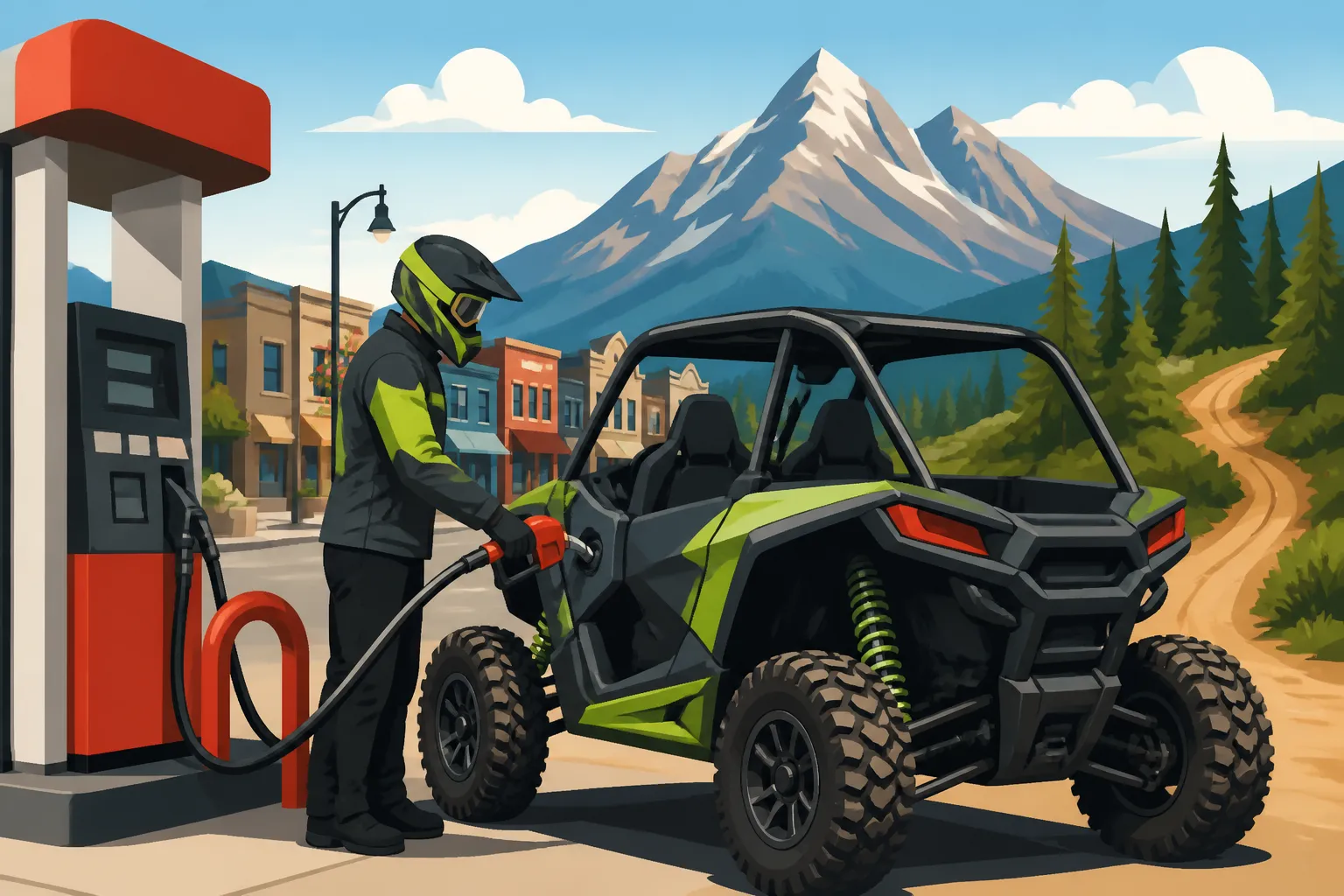
Fueling an OHV in an Idaho Trail Town
There's nothing quite like the freedom of exploring Idaho's vast backcountry on your ATV or UTV, but that sense of adventure can quickly turn to anxiety when your fuel gauge starts dipping towards empty, especially when you're far from civilization. Hitting a small trail town for a fill-up might seem straightforward, but it comes with its own set of unwritten rules and logistical challenges. This guide is all about helping you confidently navigate fueling your off-highway vehicle in Idaho's welcoming trail towns, ensuring your ride continues smoothly and respectfully.
The Unique Challenge of Fueling Off-Road Vehicles in Town
Rolling into an Idaho trail town on your OHV, or with it on a trailer, means transitioning from rugged wilderness to a more structured environment. While these towns often embrace the outdoor recreation community, fueling up isn't always as simple as pulling into the nearest pump. There are considerations unique to our machines that standard passenger vehicle drivers just don't think about.
Why OHV Fueling Isn't Always Straightforward
First off, our machines are different. Whether you're on a zippy ATV or a multi-passenger UTV, fuel tank sizes vary wildly, and what might seem like a full tank for a short afternoon ride barely scratches the surface for a multi-day backcountry excursion. You're not just topping off a commuter car; you might be looking to fill a thirsty side-by-side that's been guzzling gas over rocky climbs and through sandy washes all day. There's a real fear that creeps in when the fuel light blinks on far from any sign of civilization, especially if you're deep in an area like the Magruder Corridor or exploring the remote Lolo Motorway. The worry isn't just about running out of gas, but about being stranded, potentially far from cell service, and facing a long, arduous hike back.
Many machines also have specific fuel requirements, whether it's simply a recommendation for a particular octane or a concern about ethanol content, especially for older models or those used infrequently. The sheer volume of fuel you might need, particularly if you're gassing up multiple machines for a group ride, can also be a challenge. You might need to make multiple trips to the pump or spend a considerable amount of time waiting for others. It’s a logistical puzzle that requires a bit more thought than just pulling up to the first open spot.
Navigating Town Ordinances and Etiquette
Idaho has made great strides in opening up certain county roads and city streets to OHV traffic, allowing us to ride directly from the trailhead into many towns. This is fantastic for convenience, allowing us to fuel up, grab a bite, or resupply without loading back onto a trailer. However, not all towns are created equal, and even within OHV-friendly communities, specific streets or areas might still be off-limits. It's crucial to understand [What Idaho Requires Before You Ride a County Road] and to be aware of local ordinances. Rolling into a town center on your mud-splattered machine can draw attention, and not always the good kind, if you're perceived as flouting local rules or being disrespectful.
Think about the local residents who live and work in these towns. While they appreciate the tourism dollars we bring, they also value their peace and quiet. A roaring exhaust or a cloud of dust kicked up on a main street can quickly sour their opinion of OHV riders. Part of being a good ambassador for our sport means understanding and respecting the local vibe. If you’re riding through a town like McCall, Stanley, or Salmon, which are known for welcoming OHVs, there's an unspoken expectation of courtesy. Pulling directly into [Riding an OHV into Downtown McCall] requires a certain level of attentiveness to pedestrians, traffic laws, and the general atmosphere. The ease of access comes with the responsibility of ensuring a positive experience for everyone.
Finding Fuel in Idaho's OHV-Friendly Communities
Idaho's landscape is dotted with small towns that serve as gateways to incredible riding opportunities. Knowing which ones are truly OHV-friendly, and how to best utilize their services, is key to a successful trip. It’s not just about seeing a gas station sign, it’s about finding the right gas station.
Identifying Gas Stations That Welcome OHVs
When you're rolling into a trail town, whether you're on your machine or hauling it, certain gas stations are simply more accommodating than others. Look for stations that have wider entrances and exits, especially if you're pulling a long trailer carrying a couple of side-by-sides. Tight turns and congested parking lots can be a nightmare. Modern truck stops or stations located on the outskirts of town often provide better access than older, downtown pumps. [Gas Stations That Serve Riders] are usually easy to spot – they might have signs specifically welcoming OHVs, or you'll see other trucks with trailers, or even machines parked directly at the pumps. These establishments understand our needs, often stocking items like two-stroke oil, fuel stabilizers, or even basic repair parts.
Some smaller, independent gas stations in truly remote trail towns might even have a more personal touch, with staff who are riders themselves and can offer local trail advice. This kind of local knowledge can be invaluable for planning the next leg of your journey. Conversely, some stations, particularly those in very small, residential areas, might not be equipped for large rigs or might prefer that OHVs aren't ridden directly to their pumps, even if technically legal. It's always a good idea to scout ahead if you can, or check online reviews for "truck and trailer friendly" or "OHV access."
Fuel Types and Octane Considerations
For the vast majority of ATVs and UTVs, regular unleaded gasoline (typically 87 octane) is perfectly sufficient. However, if you're running a high-performance machine, especially one that's been modified or has a higher compression engine, your owner's manual might recommend a higher octane fuel. Always refer to your manufacturer's specifications to avoid potential engine issues. Using a lower octane than recommended can lead to pre-ignition or "pinging," which can damage your engine over time. Conversely, running a higher octane than necessary usually offers no benefit and simply wastes money.
A more significant concern for many OHV owners is ethanol. Ethanol-blended fuels can be problematic for small engines, especially those not designed to run on it, and can cause issues like fuel line degradation and carburetor gumming, particularly if your machine sits for extended periods. This is a common worry when storing machines over winter, for example. Many riders actively seek out "non-ethanol" or "pure gas" options when available, even if it means paying a bit more. Some gas stations, especially in recreational areas, will clearly label if they offer non-ethanol fuel. If you can't find pure gas, using a good quality fuel stabilizer, particularly one formulated for ethanol protection, can help mitigate these issues, especially before putting your machine away for a few weeks or months.
Practical Tips for a Smooth Fueling Stop
Making a gas station stop might seem mundane, but when you're dealing with an OHV, a truck, and a trailer, a little planning and courtesy can make a big difference, ensuring a smooth experience for you and everyone else.
Parking, Access, and Maneuvering Your Rig
One of the biggest hurdles when fueling in a trail town is simply getting your setup to the pump. If you're riding your OHV directly, consider where you're parking it while you go inside to pay. Don't block other pumps or create a bottleneck. Always approach the pump slowly and deliberately, mindful of pedestrians and other vehicles. Remember, you're often riding a machine that's wider and potentially louder than a standard car, and not everyone is used to seeing one at a gas station.
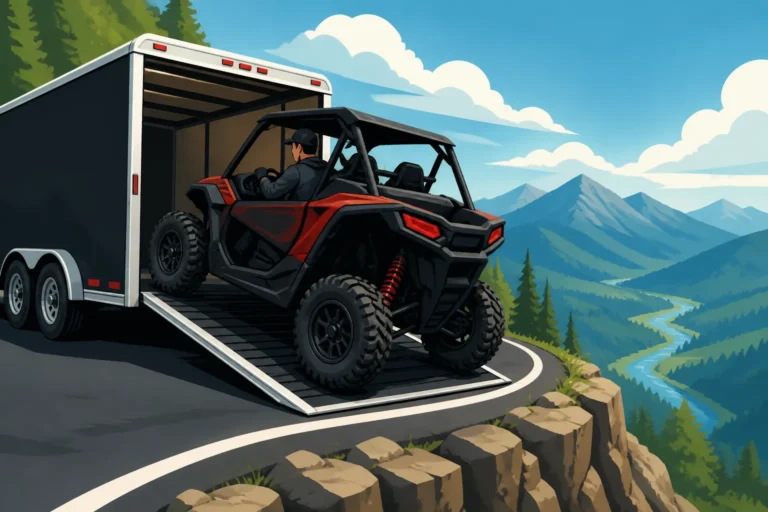
If you're hauling your machine on a trailer, the challenge increases. Tight turns into a station, crowded pump islands, and limited parking can be frustrating. Look for stations with dedicated truck and RV lanes, or pumps located further away from the main building where there's more space. Sometimes, it's easier to park your truck and trailer in a less congested area and then ride your OHV the short distance to the pump, if local ordinances allow it. When you're ready to leave, take your time pulling out. Blind spots can be significant with a loaded trailer, and you want to ensure you don't cut off other traffic or pedestrians. Planning your entry and exit beforehand, even for a quick glance at the station layout, can save you a lot of grief.
Being a Good Ambassador for the OHV Community
Every time we ride our OHVs into a trail town, we're representing the entire riding community. How we behave directly influences local perceptions and, ultimately, local policies regarding OHV access. A little courtesy goes a long way. When you're at the pump or riding through town, keep your engine noise in check. While you might love the rumble of your aftermarket exhaust, residential areas are not the place for it. Being mindful of [Idaho Muffler and Exhaust Noise Limits] isn't just a legal requirement; it's a social one.
Minimize dust. If you've been riding on dry gravel roads, your machine might be caked in dust. Try to avoid accelerating quickly or making sudden turns that kick up clouds, especially near homes or businesses. When riding through residential areas or main streets, slow down and be aware of your surroundings. Kids might be playing, or people might be walking dogs. Maintaining a low speed and keeping an eye out for potential hazards demonstrates responsibility. As we discussed in [Riding Slowly Past Roadside Homes], it’s about showing respect for the community that welcomes us. Take a moment to support local businesses beyond the gas station too, whether it's grabbing a coffee, buying groceries, or having a meal. These small gestures help foster positive relationships between riders and trail towns.
Beyond the Pump: Fuel Planning and Preparation
While convenient, relying solely on gas stations in trail towns isn't always feasible, especially for those truly epic backcountry adventures that take you deep into Idaho’s wilderness. Smart riders know that preparation is paramount, and that often means carrying extra fuel.
Carrying Extra Fuel Safely
For long rides, multi-day excursions, or exploring remote areas where gas stations are few and far between, carrying extra fuel is not just a good idea, it's essential. This is where proper equipment makes all the difference. You should never carry fuel in unapproved containers like plastic milk jugs or generic cans. These are not designed to withstand the vibrations, impacts, or temperature fluctuations of trail riding, and they pose a significant fire hazard. Instead, invest in purpose-built, rugged fuel containers that are specifically designed for off-road use.
Many companies offer excellent solutions. For instance, SuperATV is known for producing durable fuel and storage solutions, including RotopaX-style containers and mounting systems that securely attach to your ATV or UTV. These containers are made from thick, durable plastic, designed to be leak-proof and withstand harsh conditions. When carrying extra fuel, always secure it firmly to your machine, away from any exhaust components or hot engine parts. Ensure it’s positioned where it won’t interfere with your riding, vision, or the safety of passengers. Carrying a small funnel and a pair of gloves can also make transferring fuel much cleaner and safer when you're out on the trail. This forethought, much like in [Fuel Planning for an Idaho Trail Day], is the mark of an experienced and prepared rider.
Understanding Your Machine's Fuel Range
Knowing how far your machine can go on a tank of gas is critical. This isn't a static number; it changes dramatically based on several factors: the terrain you're riding (rocky climbs consume more fuel than flat cruising), your speed, the load you're carrying (passengers, gear), and even environmental factors like elevation and air temperature. A good rule of thumb is to calculate your average fuel consumption on different types of terrain, or at least be aware of the "miles per gallon" or "hours per tank" your specific model typically achieves under varying conditions.
Modern OHVs often come with fuel gauges and sometimes even range estimators, but these should be used as guides, not gospel, especially in the backcountry where conditions are always changing. The most reliable method is often resetting your trip odometer every time you fill up and noting how far you've traveled when you next refuel. This gives you a real-world average specific to your riding style and machine. Always factor in a safety margin; don't push your fuel limits. When you're deep in the [Idaho City and the Boise National Forest], for example, you don't want to be guessing if you can make it back to town. If your ride plan suggests you'll be close to your range, that's your cue to carry extra fuel or reroute to a known fuel stop.
The Role of Local Businesses and Community Support
Trail towns are more than just places to fuel up; they are vital hubs that support our recreational activities. Beyond gas stations, other local businesses play a crucial role in making our adventures possible and enjoyable.
Trail Town Businesses That Go the Extra Mile
Think about those small hardware stores in towns like Stanley or Salmon, or the general stores near the entrance to major riding areas. These establishments often carry more than just nuts and bolts; they might stock basic oils, spark plugs, tire repair kits, and other critical items that can save a ride that's gone sideways. A quick stop at [Parking an OHV at a Trailhead Store] might yield not only a much-needed snack but also that spare belt you forgot to pack or a better map of the local trail system. These businesses thrive on the patronage of outdoor enthusiasts, and they often tailor their inventory to meet our specific needs.
Beyond immediate supplies, local eateries, coffee shops, and lodging establishments are also part of the OHV ecosystem. Being able to ride from the trail directly to a cafe for breakfast or to a lodge for a warm bed after a long day of riding adds immensely to the overall experience. These businesses understand the rhythm of the riding season and often have designated parking for trucks and trailers, or even special arrangements for OHVs. Building a good relationship with these local businesses by giving them your patronage helps ensure they continue to welcome and cater to the OHV community for years to come.
Local Information and Resources
One of the most valuable resources in any trail town isn't something you can buy; it's local knowledge. The people who live and work in these communities often have an intimate understanding of current trail conditions, recent closures, and even the best places to fuel up or grab a bite. Don't hesitate to strike up a conversation with a local at the gas station, general store, or diner. They might offer insights into a hidden trail or warn you about a wash-out on a particular route that isn't on any map yet. This kind of real-time information can be invaluable for adjusting your ride plans.
Many trail towns also have community bulletin boards, visitor centers, or local chambers of commerce that post information relevant to outdoor recreation. These can be great places to find updated maps, local event schedules, or contact information for local emergency services. In the age of digital navigation, while apps like onX Offroad are fantastic, sometimes a chat with a seasoned local provides context and nuance that no app can replicate. When considering [Idaho Trails That Link Two Mountain Towns], local input can help you understand the nuances of the connector roads and potential hazards you might encounter. Embrace the local connection; it's part of the authentic Idaho backcountry experience.
Here’s a quick checklist to help ensure your fueling stop in an Idaho trail town is always a smooth one:
| Checklist Item | Action to Take | Why It Matters |
|---|---|---|
| Pre-Ride Fuel Check | Check fuel gauge, plan route against known fuel stops. | Avoids running out of gas far from a station. |
| Local Ordinances | Know town rules for OHV road access. | Prevents fines, ensures respectful riding. |
| Fuel Station Selection | Look for wide access, truck/RV lanes. | Easier maneuvering, less stress with trailers. |
| Fuel Type Confirmation | Verify octane, consider non-ethanol if available. | Protects engine, ensures optimal performance. |
| Parking Etiquette | Park considerately, don't block pumps or traffic flow. | Good ambassador for OHV community, avoids irritation. |
| Noise & Dust Control | Keep engine revs low, avoid kicking up dust. | Respects local residents, maintains positive perception. |
| Carry Extra Fuel Safely | Use approved containers (e.g., SuperATV fuel cells), secure tightly. | Essential for remote areas, prevents fire hazard. |
| Support Local Businesses | Buy snacks, meals, or other supplies in town. | Sustains the local economy, encourages continued OHV welcome. |
| Seek Local Advice | Ask about trail conditions, closures, or local tips. | Provides invaluable real-time information, enhances safety and experience. |
| Emergency Preparedness | Have a plan for breakdowns, carry basic tools. | Fuel is just one part of preparedness; always be ready for the unexpected. |
Disclaimer
This article is for general informational purposes only and does not constitute professional advice. Laws, prices and regulations vary by location and change over time. Consult a qualified professional for guidance on your specific situation.