Idaho Helmet Law for Riders Over 18
One of the most common questions I hear from seasoned ATV and UTV riders in Idaho is about helmet laws, especially for those of us who are well past our teenage years. It can feel a bit confusing, riding one minute on a perfectly legal dirt trail where you see all sorts of headgear (or none at all!), and the next minute needing to cross a county road where the rules might suddenly change. This guide is here to untangle the specifics of Idaho's helmet laws for riders aged 18 and over, so you can hit the trails and backroads with confidence and stay on the right side of the law.
Understanding Idaho's Helmet Laws: The Basics for Adults
Let's cut right to it: Idaho's helmet law for ATV and UTV riders isn't a blanket rule that applies everywhere, all the time. It really boils down to age and where you're riding. For adults aged 18 and older, the requirement to wear a helmet is much more nuanced than it is for younger riders, which often leads to a lot of head-scratching and misinformation. No one wants to get a ticket or, worse, suffer an injury because they misunderstood the rules.
What the Law Actually Says for Adults
When you look at Idaho's statutes regarding off-highway vehicles (OHVs), you'll find a clear distinction made for riders based on their age. The primary state law, Idaho Code § 49-666, specifically mandates helmet use for anyone operating or riding as a passenger on a motorcycle or ATV who is under eighteen (18) years of age. Notice the crucial phrase there: "under eighteen (18) years of age." This means, for those of us who have celebrated our 18th birthday and beyond, the state of Idaho generally does not require you to wear a helmet when operating an ATV or UTV on designated OHV trails or on private property.
Now, that's the general rule for OHV operation. But here's where it gets tricky: Many riders use their machines to connect trails by riding on county roads or designated sections of public roadways. When you transition from a dirt trail to a paved or gravel road that is open to vehicular traffic, you're entering a different regulatory landscape. While the specific OHV helmet law exempts adults, other laws, or even local ordinances, might come into play, especially concerning the [Idaho's Restricted Vehicle Plate Explained]. This is where the confusion often arises, and it's vital to know the difference between trail-specific rules and road-specific rules.
The "Why" Behind Helmet Laws
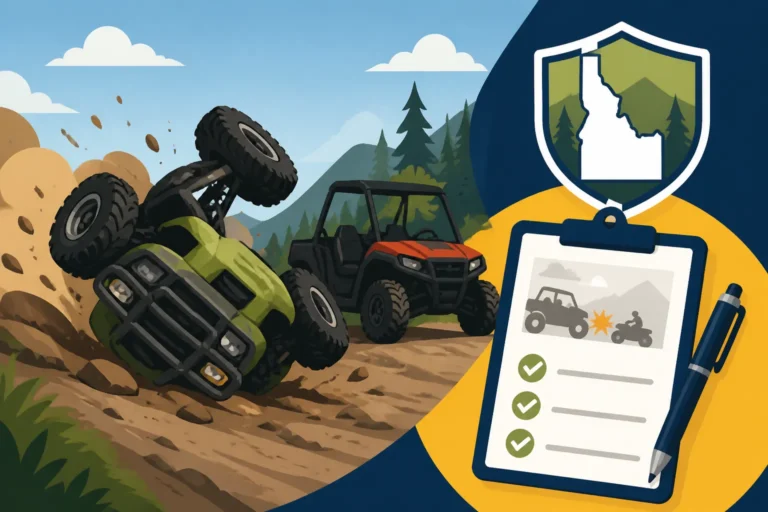
Even when a helmet isn't legally mandated, there's a powerful "why" behind choosing to wear one: safety. Helmets are, quite simply, the most effective piece of safety equipment you can wear to prevent head injuries in an accident. Idaho's trails, while beautiful, can be unpredictable. You encounter rocks, ruts, unexpected turns, and other riders. An unforeseen obstacle, a patch of loose gravel, or even a moment of inattention can lead to a spill.
I've seen firsthand the difference a helmet can make. A friend of mine, a very experienced rider, took a low-speed tumble on a rocky trail near Idaho City when his front wheel hit an embedded rock he didn't see. He was going slowly, but his head snapped back and hit the ground hard. His helmet, while visibly scraped, absorbed the impact. He walked away with a headache and a story, but no serious injury. Without that helmet, things could have been dramatically different. It's not about being reckless; it's about the inherent risks of off-road riding, and acknowledging that sometimes, despite your best efforts, accidents happen.
Common Misconceptions About Adult Helmet Use
Many adult riders operate under a few key misconceptions that can lead to confusion or, in some cases, unnecessary risks. Let's bust a few myths:
- "If I'm on a public road, I always need a helmet, even if I'm over 18." Not necessarily. While some counties might have specific ordinances, the state law regarding helmet use on county roads for OHVs with a restricted plate still refers back to the age 18 rule. The critical element is often how your machine is registered and whether the road is legally designated for OHV use. For example, if you're riding with an [Idaho Plates That Begin With R] on a county road open to OHVs, the state's age-based helmet law still applies.
- "Helmets restrict my vision/hearing and make me less safe." Modern helmets are designed with excellent peripheral vision and ventilation. While they do muffle some sound, they don't block out critical auditory cues entirely. In fact, a good helmet often reduces wind noise, making it easier to hear your machine or fellow riders when you stop. Plus, they offer protection from dust, debris, and even low-hanging branches. Accessories from brands like SuperATV can even enhance safety and comfort, such as windshields to keep debris out of your face, reducing the need for cumbersome goggles in certain situations, or light bars for better visibility.
- "I'm an experienced rider; I don't need a helmet." Experience is invaluable, but it doesn't make you immune to accidents. Even the most skilled riders can encounter unpredictable terrain, equipment failures, or wildlife. A helmet is a proactive measure, a safety net that's there if you need it, regardless of your skill level. Thinking you're too good for a helmet is a dangerous mindset to adopt on Idaho's diverse and challenging terrain.
When an Adult Must Wear a Helmet in Idaho (And When It's Optional)
The line between mandatory and optional helmet use for adult riders in Idaho can be thin, and it usually depends on where your tires are touching the ground. Understanding these distinctions is key to a worry-free ride.
Road Riding: The Crucial Distinction
This is where adult helmet laws get specific. As mentioned, the general Idaho state law says riders 18 and over don't have to wear a helmet on an OHV. However, if you plan on riding your ATV or UTV on a public roadway, even a county road, you need to understand the nuances of [What Idaho Requires Before You Ride a County Road].
Here's the breakdown:
- Roads Designated for OHV Use: Many Idaho counties have adopted ordinances that open specific county roads to OHV traffic. To ride on these roads, your machine typically needs to be stickered with an Idaho OHV Sticker and, if required, display an [Idaho Restricted Vehicle Plate Cost]. When riding these designated county roads, the primary state helmet law (under 18) generally still holds. So, if you're over 18, a helmet isn't mandated by state law.
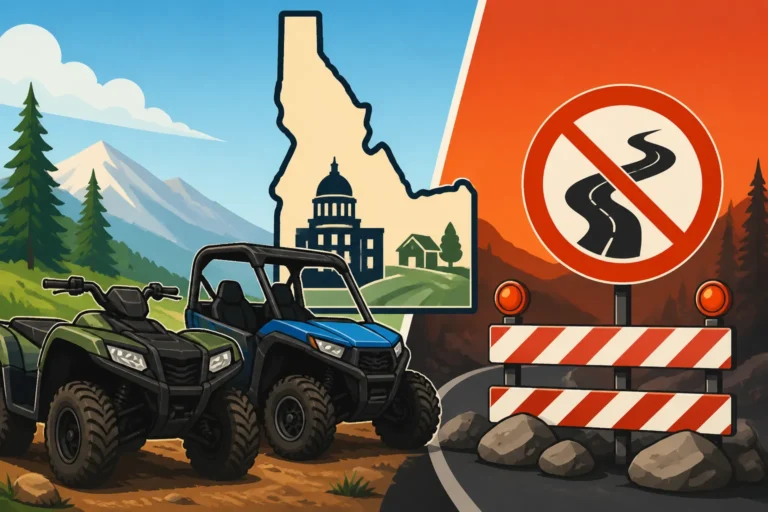
- Crossing a Highway or Non-Designated Roads: This is a gray area, and it’s always best to err on the side of caution. Idaho law prohibits OHVs from riding on state highways or interstates, except for crossing at designated points. If you are operating an OHV that is not street-legal (meaning it doesn't have all the equipment to be considered a regular street vehicle, like a motorcycle), and you're crossing a state highway, it's prudent to wear a helmet, even if not explicitly enforced for adults in that specific scenario. The moment you're interacting with traditional road traffic, the risks escalate.
- City/County Ordinances: Here’s the big caveat. While state law has one approach, individual cities and counties have the authority to enact their own ordinances that might be more restrictive. Some counties or cities might require helmets for all riders, regardless of age, when operating an OHVs on roads within their jurisdiction. Before planning a route that takes you through specific towns or across county lines, it's always wise to check the local ordinances, particularly for areas known to be popular OHV destinations like McCall, Stanley, or Salmon. You can often find this information by looking up [Finding an Idaho County's OHV Ordinance].
Consider this scenario: You're riding the picturesque trails in the Danskin Mountains. You've been on dirt all day, no helmet on, enjoying the breeze. Then, you decide to ride into a nearby small town for gas and a burger. You pull onto the main county road, which is open to OHVs. While the state law allows you, an 18+ rider, to go helmet-free, a local ordinance in that specific town might require helmets for all OHV operators on its streets. Without checking, you could find yourself facing a fine.
Trail Riding and Private Property: The Rider's Choice
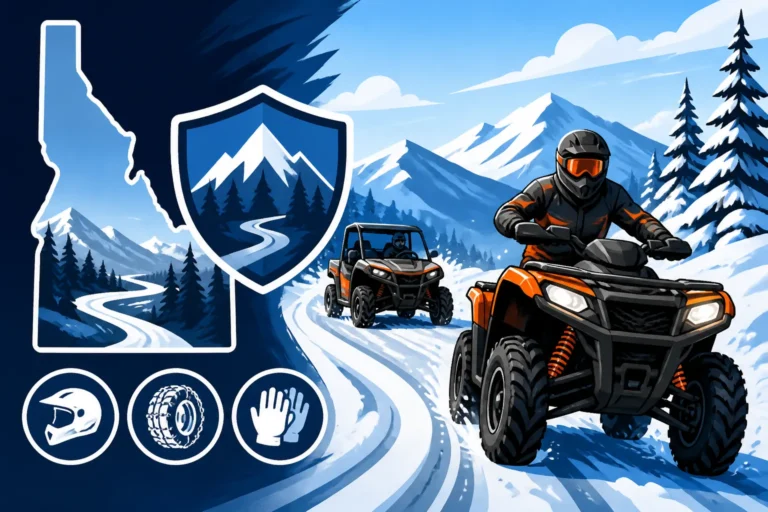
For the vast majority of your riding experience in Idaho—on designated OHV trails, forest service roads, BLM land, or private property—if you are 18 years of age or older, wearing a helmet is generally optional under Idaho state law. This freedom of choice is a big part of the riding culture here, but it comes with a personal responsibility for safety.
- Designated OHV Trails: Places like the Lolo Motorway, the Magruder Corridor, or the vast networks in the Caribou-Targhee National Forest are places where adults can often choose whether or not to wear a helmet. The emphasis here is on responsible recreation. Many riders choose to wear a helmet simply because they've seen how quickly a good day can go bad, even on familiar terrain.
- Private Property: If you're on your own land, a friend's ranch, or any private property with permission, Idaho's OHV helmet laws don't apply to adults. This means you have full discretion. However, the same risks of falls, collisions, and head injuries still exist, regardless of property lines. Just because you can ride without a helmet on private land doesn't mean it's the safest choice. Think about those sharp turns near the barn or that unexpected dip in the pasture.
- Organized Events or Rentals: One important exception to the "rider's choice" on trails or private land can be organized events (like races or poker runs) or rental operations. Event organizers often have their own safety rules that might mandate helmets for all participants, regardless of age. Similarly, many [Idaho UTV Rental Costs] companies will require helmet use for all renters, often providing DOT-approved helmets as part of the rental package, regardless of the rider's age, as a condition of their insurance and liability. Always check the rules of any specific event or rental agreement.
The Role of Age: Why 18 is the Magic Number
The age of 18 is a common threshold in many laws, marking the transition from a minor to an adult. For OHV helmet laws in Idaho, it's the dividing line for mandatory helmet use.
- Riders Under 18: If you're riding with younger family members or friends, remember that [Idaho Helmet Rules for Riders Under 18] are very strict. Anyone under 18 must wear a helmet when operating or riding as a passenger on an ATV or UTV. There are no exceptions for trail riding, private land, or road crossings for this age group. Parents and guardians must ensure compliance, not just for legal reasons, but for the fundamental safety of their children. This also often ties into [Idaho's OHV Safety Course for Young Riders] requirements.
- Adult Responsibility: For those over 18, the law effectively places the responsibility for helmet use squarely on your shoulders. It's a recognition of adult autonomy, but also a call for personal accountability. While the law might not force you to wear a helmet, the consequences of not doing so are entirely yours to bear. When considering accessories, think about protective gear from a trusted brand. For instance, SuperATV offers a range of UTV accessories that complement safe riding, from sturdy roofs that offer some protection from overhead branches to heavy-duty bumpers that can absorb impacts, all contributing to overall rider safety on the trails.
Choosing the Right Helmet: More Than Just a Legal Requirement
If you've decided to wear a helmet, whether by choice or necessity, simply grabbing any old helmet won't do. The effectiveness of a helmet hinges on its design, fit, and certification. This isn't just about avoiding a ticket; it's about protecting your brain.
DOT-Approved Helmets: The Gold Standard
When you're looking for an OHV helmet, the absolute first thing you should check for is a DOT certification sticker. This sticker, usually on the back of the helmet, signifies that the helmet meets the safety standards set by the U.S. Department of Transportation. These standards include requirements for impact absorption, penetration resistance, and retention system effectiveness.
Here’s what that means for you:
- Impact Absorption: A DOT-approved helmet has layers designed to deform and crush during an impact, slowing your head down and distributing the force over a larger area. This significantly reduces the risk of concussions and more severe traumatic brain injuries.
- Penetration Resistance: The outer shell is built to resist sharp objects that could pierce the helmet.
- Retention System: The chin strap and buckle system are designed to keep the helmet securely on your head during an accident, which is crucial for it to do its job.
You might also see Snell or ECE certifications, which often meet even higher standards than DOT. While these are excellent, DOT is the minimum legal and safety requirement you should accept for any helmet used on an OHV. Don't fall for "novelty" helmets that offer little to no actual protection; they might look cool, but they won't save you when it counts.
Types of Helmets for OHV Riding
The world of helmets offers a variety of styles, each with its own pros and cons for ATV and UTV riding:
| Helmet Type | Description | Pros | Cons | Best For |
|---|---|---|---|---|
| Full-Face | Covers the entire head, including the chin and jaw, with a integrated visor. | Maximum protection, excellent debris/weather protection. | Can feel hot, vision can be slightly restricted, communication can be harder. | Aggressive trail riding, high-speed UTVs, cold weather. |
| Open-Face (3/4) | Covers the top, back, and sides of the head, leaving the face exposed. Requires separate eye protection. | Better ventilation, wider field of vision, easier communication. | No chin/jaw protection, less debris protection, still need goggles. | Casual trail riding, hot weather, riders who prioritize airflow. |
| Modular (Flip-Up) | A hybrid that can switch between full-face and open-face by raising the chin bar. | Versatility of full-face protection with open-face convenience for short stops/communication. | Heavier and more complex, typically not as strong as a dedicated full-face, more expensive. | Mixed riding (road/trail), riders who want flexibility without removing the helmet. |
| Motocross/Off-Road | Lightweight, extended chin bar for ventilation, large eyeport for goggles, often includes a peak. | Excellent ventilation, great for active off-road riding, good for goggles. | Designed for goggles, not visors (can't be used alone), less effective in rain/cold without specific gear. | Dirt bike style riding, aggressive ATV/UTV trail riding, hot weather. |
For most Idaho ATV and UTV riders, a good full-face or motocross-style helmet offers the best balance of protection and features. If you prefer the open air, a 3/4 helmet combined with good goggles is a popular choice, especially in warmer months.
Fit, Comfort, and Features: Investing in Your Safety
A helmet is only effective if it fits correctly. A helmet that's too loose can shift during an impact, reducing its protective capabilities. One that's too tight can be uncomfortable and distracting.
Here’s how to check for a proper fit:
- Snug but Not Painful: The helmet should feel snug all around your head, without any pressure points or pain.
- No Movement: With the chin strap fastened, try to move the helmet from side to side and up and down. Your scalp should move with the helmet; the helmet shouldn't slide independently.
- Clear Vision: Ensure your vision isn't obstructed, particularly your peripheral vision.
- Chin Strap Secure: The chin strap should be snug under your chin, without being uncomfortably tight, and allow only one finger to fit between the strap and your chin.
Beyond fit, consider features that enhance your riding experience and safety:
- Ventilation: Look for helmets with adjustable vents to keep you cool on hot Idaho summer days and prevent visor fogging in cooler weather.
- Visor/Goggle Compatibility: If you choose a full-face helmet, ensure the visor offers good clarity and is scratch-resistant. If you go for an open-face or motocross style, make sure the eyeport is large enough for your preferred goggles.
- Removable Liner: A removable, washable liner is a huge plus for hygiene, especially after dusty rides.
- Weight: Lighter helmets can reduce neck fatigue on longer rides.
- Emergency Release System: Some helmets feature cheek pad removal systems that allow emergency personnel to remove the helmet more safely after an accident.
Investing in a quality helmet is investing in your safety. While it might seem like a significant upfront cost, it's a small price to pay for protecting your most important asset. And remember, helmets do have a lifespan, usually around 5 years, or after any significant impact, even if there's no visible damage. Check the manufacturer's recommendations.
Beyond Helmets: Other Essential Gear for Idaho Riding Safety
While helmets often dominate the safety discussion, a comprehensive approach to rider protection involves more than just headgear. Idaho's diverse terrain—from dusty desert trails to muddy mountain passes—demands a range of gear to keep you comfortable and safe. It's about layering protection to handle anything the trail throws at you.
Eye Protection: Keeping Idaho Dust and Debris Out
Whether you're wearing an open-face helmet or a full-face one with the visor up, robust eye protection is non-negotiable, especially on the dusty trails Idaho is famous for. Trying to navigate a winding trail with stinging eyes from dust, a bug, or a stray branch is a recipe for disaster.
- Goggles: For motocross-style helmets and open-face helmets, high-quality goggles are essential. Look for models with good ventilation to prevent fogging, a wide field of vision, and impact-resistant lenses. Tinted or mirrored lenses are great for bright sunny days, while clear lenses are best for overcast conditions or riding later in the day. Ensure they fit snugly over your face and inside your helmet's eyeport.
- Face Shields/Visors: Full-face helmets come with integrated face shields. Make sure yours is clean and free of deep scratches that could impair vision. Some riders still prefer to wear goggles under a face shield for an extra layer of protection against dust, especially when following other machines.
- Protection from the Elements: Beyond dust, eye protection guards against wind, rain, and UV rays. Sun glare can be just as dangerous as obscured vision from dust, so choose lenses appropriate for the light conditions.
Protective Clothing: Guarding Against Scrapes and Scratches
It's easy to dismiss protective clothing, especially on a hot day, but a simple fall can result in nasty scrapes, cuts, and bruises. Proper clothing acts as a second skin, offering crucial abrasion resistance and some impact protection.
- Long Sleeves and Pants: Always wear long sleeves and long pants, even in summer. Denim jeans are better than shorts, but dedicated riding pants offer superior abrasion resistance, knee protection (often with integrated pads), and comfort. Similarly, a riding jersey or jacket, even a lightweight one, will protect your arms from sun, branches, and impacts. For those chilly mountain mornings or high-speed UTV rides, a durable jacket can also provide warmth and wind protection.
- Gloves: Gloves protect your hands from blisters, vibrations, and impact. If you take a spill, your natural instinct is to put your hands out, and good riding gloves can prevent serious scrapes and breaks. Look for gloves with reinforced palms and knuckle protection.
- Boots: Sturdy, ankle-high boots are crucial for protecting your feet and ankles. They provide support, grip on the footpegs, and protection from debris, hot engine parts, and potential crushing injuries in a rollover. Hiking boots are better than sneakers, but dedicated ATV/UTV riding boots offer the best protection.
- Chest Protectors/Body Armor: For more aggressive riders, or those on technical trails, a chest protector or full body armor can shield your torso, back, and shoulders from impacts with handlebars, trees, or the ground. While not for every casual rider, it's a wise investment for anyone pushing their limits.
SuperATV is a great resource not only for vehicle enhancements but also for ensuring your ride is safer. For instance, their doors and enclosures can offer additional protection from trail debris and keep you contained within your UTV, complementing your personal protective gear by creating a safer cabin environment.
Road Riding Extras: Turn Signals, Mirrors, and More
If you plan on riding your OHV on designated county roads in Idaho, helmets aren't the only concern. To be road-legal, your machine needs to meet specific equipment requirements. These are often tied to having an [Ordering an Idaho Restricted Plate] and ensuring your machine can function like a low-speed vehicle on public thoroughfares.
Here's a quick look at some key requirements:
- Headlights and Taillights: Your machine must have working headlights and taillights, visible from specific distances, for visibility during daylight and for riding [Idaho Headlight Rules After Sunset].
- Brake Lights: Functioning brake lights are crucial to signal stops to following traffic.
- Turn Signals: While some counties might allow hand signals, properly functioning [Turn Signals on an Idaho Restricted Vehicle] are generally required for clear communication with other drivers.
- Mirrors: You'll need at least one rearview mirror, typically mounted to allow you to see traffic behind you. Many riders opt for two mirrors for better visibility.
- Horn: A working horn is necessary to alert other drivers or pedestrians to your presence.
- Spark Arrestor and Muffler: Your machine needs a proper spark arrester to prevent wildfires on public lands, and a muffler to keep noise levels within legal limits, especially near residential areas. [Idaho Muffler and Exhaust Noise Limits] are in place for a reason!
Ensuring your machine is properly equipped and you have the right personal safety gear makes every Idaho ride safer and more enjoyable, whether you're sticking to the dirt or cruising a county road. Don't let a lack of preparation cut your adventure short.
Disclaimer
This article is for general informational purposes only and does not constitute professional advice. Laws, prices and regulations vary by location and change over time. Consult a qualified professional for guidance on your specific situation.