When an Idaho OHV Sticker Expires
It can be incredibly frustrating to navigate the world of ATV and UTV ownership, especially when it comes to understanding all the rules and regulations. One of the most common questions new riders, or even seasoned folks new to Idaho, grapple with is exactly when their Idaho OHV sticker actually expires. This guide will cut through the confusion and explain Idaho's annual sticker cycle so you can ride confidently and avoid any surprises.
The Annual Cycle of Idaho OHV Stickers
Idaho's system for Off-Highway Vehicle (OHV) stickers is designed to be consistent, but it often trips people up because it doesn't align with the date you might have purchased your machine or even when you bought the sticker itself. Many states have rolling registrations that expire a year from your purchase date, but Idaho takes a different approach, which is important to understand from the get-go.
Understanding the January to December Window
Here's the critical piece of information: every Idaho OHV sticker expires on December 31st of the year it was issued. It doesn't matter if you bought your brand-new side-by-side in January or picked up a used quad in October; that sticker is only good until the end of that calendar year. This fixed window simplifies enforcement for Idaho Parks and Recreation (IDPR) and law enforcement agencies across the state, ensuring everyone is on the same cycle. It also means that the funds collected are predictable for trail maintenance and OHV programs, as detailed in [Where Idaho Sticker Money Goes]. Think of it like an annual club membership that always resets on New Year's Eve.
This can feel a bit counter-intuitive, especially if you're used to other vehicle registrations that give you a full 12 months from your purchase. But for OHVs in Idaho, the calendar year is the ultimate arbiter. If you’re ever unsure, just glance at the sticker itself – it will clearly show the year it’s valid for. The sticker is your proof that you’ve contributed to the Idaho Trail Fund, allowing you access to designated public lands.
Why Your Purchase Date Doesn't Change the Expiration
The most common misconception is that if you buy a sticker in, say, August, it should be valid until August of the next year. Unfortunately, that's not how it works in Idaho. Your purchase date simply dictates how long you have until December 31st of that same year. So, an OHV sticker bought in August is only good for five months, while one bought in January is good for twelve. This fixed term ensures that all stickers renew simultaneously, making it easier for the state to manage the program.
This system can sometimes lead to a feeling of getting a "short" sticker, especially if you invest in a new machine later in the riding season. While it might seem unfair to pay the full annual fee for only a few months of riding, the fee itself contributes to the upkeep of the vast trail systems that all riders enjoy. When you consider [What an Idaho OHV Sticker Costs Each Year], it's a relatively small contribution to maintain thousands of miles of trails. This consistent expiration date also means you don't have to keep track of a different renewal date for each machine you own, which can be a relief for those with multiple quads or side-by-sides.
What Happens If You Buy Mid-Year
Buying an OHV is exciting, and getting out on the trails is usually the first thing on your mind. However, understanding the sticker's expiration when you buy mid-year is crucial to avoid a lapse in your registration and potential penalties.
The Short Sticker and the Full Price
It's a common scenario: you find the perfect side-by-side in July, you buy it, get it titled, and then head to a vendor to pick up your OHV sticker. You'll pay the full annual sticker fee, but that sticker will still expire on December 31st of that year. This means you've essentially paid for about five months of riding until you need to renew again for the upcoming year. For many, this feels like paying full price for a partial product. For more on this specific scenario, check out [Idaho OHV Sticker for a Machine Bought in July].
While it might feel like a raw deal, this standardized system helps IDPR plan their budget and trail maintenance schedules. The funds collected contribute to the overall OHV program, regardless of when you personally purchase your sticker. It’s also important to remember that having a valid sticker is non-negotiable for riding on designated public lands. So, even for a few months, it’s a necessary step. When completing the purchase, ensure you get all the proper documentation, like a bill of sale and title, as having these in order (perhaps prepared using a template from a service like LawDepot) makes the subsequent titling and registration process smoother.
Planning for the Next Renewal
If you bought your sticker mid-year, mark your calendar immediately for the next renewal. Because the sticker always expires on December 31st, you’ll need to purchase a new one for the next calendar year, typically starting in January. Many riders will purchase their new stickers in December, essentially buying next year's sticker a little early so they are ready for the New Year. This ensures uninterrupted riding access. If you purchase your machine later in the year, say in November or [Buying an Idaho Sticker in December], you’ll quickly find yourself needing to renew almost immediately after your initial purchase.
The key is proactive planning. Don't wait until January 1st to realize your sticker has expired. Setting a reminder on your phone, writing it on a physical calendar, or even making a note in your vehicle's glove box can save you a headache. Idaho Parks and Recreation does send out renewal reminders, but it’s always best to have your own system in place. Knowing that [Idaho OHV Registration Runs January to December] means this annual task will become a regular part of your OHV ownership routine.
How to Keep Track of Your Expiration
Forgetting to renew your OHV sticker is surprisingly easy to do, especially with so many other things vying for your attention. Fortunately, there are several straightforward ways to ensure you always know when your sticker needs to be updated.
Physical Sticker Placement and Dates
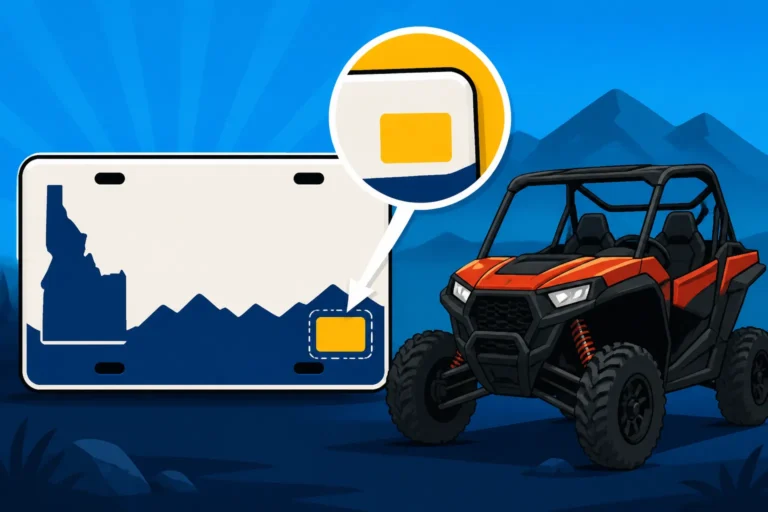
The most obvious place to check your expiration date is right on the sticker itself. Idaho OHV stickers are typically brightly colored and clearly display the valid year. For quads, the sticker usually goes on the rear fender, and for side-by-sides, it's often placed on the restricted use plate (if you have one) or another visible location on the rear of the machine. The specific placement guidance can be found in resources like [Where the Idaho Sticker Goes on the Plate] or [Sticker Placement on a Quad's Fender]. Always double-check that the sticker is securely affixed and legible.
When you purchase a new sticker, take a moment to confirm the year printed on it. It should always reflect the current calendar year. If you're buying a sticker for the upcoming year (e.g., buying a 2025 sticker in December 2024), ensure the correct year is printed. A quick glance at the physical sticker before each ride, especially at the beginning of a new year, can prevent any uncomfortable encounters with law enforcement.
Digital Reminders and Personal Systems
In our digital age, relying solely on a physical sticker can be risky. Modern technology offers excellent tools for setting reminders. Consider adding a recurring event to your smartphone's calendar for early December each year, prompting you to renew your OHV sticker. You can even set a follow-up reminder for early January to physically apply the new sticker.
Beyond digital aids, some riders prefer old-fashioned methods. Taping a note to your garage door, writing it on a whiteboard where you store your helmets, or even adding it to a shared family calendar can be effective. If you have multiple machines, you might create a simple spreadsheet or use a document management service like LawDepot to keep track of all your OHV-related paperwork, including titles, insurance, and sticker expiration dates. This can be especially helpful if you’re managing several machines for a family or a small business. Having organized documentation for your vehicle, including things like a properly drafted bill of sale from a service like LawDepot if you've recently purchased it, makes all aspects of ownership simpler. Don't forget that [Renewing an Idaho OHV Sticker Online] is often an option, making the process even easier from the comfort of your home.
Consequences of an Expired Sticker
Riding with an expired OHV sticker isn't just a minor oversight; it can lead to significant headaches, including fines and restricted access to some of Idaho's most incredible trails. Understanding these consequences is a strong motivator to stay on top of your renewals.
Potential Fines and Enforcement
Law enforcement officers, including county sheriffs, state police, and Forest Service rangers, routinely patrol Idaho's OHV trails and forest roads. One of the first things they'll look for during a stop is a current OHV sticker. If your sticker is expired, you can expect to receive a citation. The specific penalties for an unstickered machine can vary, but they generally involve a fine. These fines are not trivial and can quickly add up, making the cost of a renewed sticker seem incredibly reasonable in comparison. For a deeper dive into the financial repercussions, check out [Penalties for an Unstickered OHV in Idaho].
Beyond monetary fines, having an expired sticker can lead to other complications. An officer might prevent you from continuing your ride until the issue is resolved, essentially cutting your day short. Repeated violations could potentially lead to more severe penalties, though typically, a first offense is a fine. It's simply not worth the risk when renewing your sticker is such a straightforward process. Ensuring all your paperwork, from vehicle titles to maintenance records and even a bill of sale (which you might have acquired or prepared through a service like LawDepot), is meticulously organized can also help if you ever need to quickly prove ownership or machine details during an enforcement stop.
Risk to Trail Access
The OHV sticker isn't just a revenue generator; it's also your key to legally accessing most of Idaho's designated public OHV trails and forest roads. These stickers fund the maintenance, signage, and development of these trails. Without a current sticker, you are effectively riding illegally on land that requires it. This means that if you're found on a trail without a valid sticker, you're not just risking a fine, but you're also potentially jeopardizing your access to the very places you love to ride.
Many popular riding areas, including state parks and national forests, have clear signage indicating the requirement for a valid OHV sticker. An expired sticker directly violates these regulations, and ignorance of the law is rarely an acceptable excuse. To ensure you and your riding companions have a stress-free experience, always confirm that everyone in your group has a current sticker. After all, the whole point of owning an OHV in Idaho is to enjoy its vast natural beauty, and a valid sticker is one of the fundamental things [What Idaho Riders Need Before They Ride] to do so responsibly.
Comparing Sticker Purchase Months and Their Effective Duration
To help visualize how the December 31st expiration date impacts your riding year, here's a quick comparison. Remember, regardless of when you buy, the sticker's cost is the same for that calendar year.
| Purchase Month | Effective Riding Months (Approx.) |
|---|---|
| January | 12 months |
| February | 11 months |
| March | 10 months |
| April | 9 months |
| May | 8 months |
| June | 7 months |
| July | 6 months |
| August | 5 months |
| September | 4 months |
| October | 3 months |
| November | 2 months |
| December | 1 month (or immediate renewal for next year) |
This table clearly illustrates why purchasing your sticker early in the year gives you the most value for your dollar in terms of duration. However, no matter when you buy, the crucial takeaway is that you'll be renewing again for the next full calendar year by January 1st. If you ever have questions or need to clarify anything about your sticker, don't hesitate to reach out to [Idaho Parks and Recreation Registration Phone Line] for assistance.
Disclaimer
This article is for general informational purposes only and does not constitute professional advice. Laws, prices and regulations vary by location and change over time. Consult a qualified professional for guidance on your specific situation.