Buying an Idaho Sticker in December
You're eyeing that shiny new (or new-to-you) ATV or UTV, maybe it's a holiday gift or you just scored a great year-end deal, and now you're wondering about the sticker. Specifically, you're looking at the calendar and seeing December, and a question starts to nag: does buying an Idaho OHV sticker this late in the year even make sense? It's a common point of confusion and frustration for many riders, and this guide is here to clarify exactly what happens when you decide to get that sticker in the final month of the year.
The Idaho OHV Sticker Cycle: Why December Feels Tricky
It's easy to assume that when you buy a registration sticker for anything, you're getting a full year's worth of validity from the purchase date. But when it comes to Idaho OHV stickers, there's a specific annual cycle that can catch new buyers, or those who are used to other vehicle registrations, by surprise. Understanding this cycle is key to making an informed decision about your December purchase.
Understanding the Annual Expiration
Here in Idaho, our OHV stickers operate on a fixed calendar year. This means that every single sticker, whether you bought it on January 1st or December 15th, expires on December 31st of that same year. It's a system designed for administrative simplicity, but it can certainly feel a bit counter-intuitive when you're purchasing it in the final weeks. You might naturally think, "If I buy it in December, shouldn't it be good until next December?" That's a logical assumption, but unfortunately, it's not how it works for Idaho OHV stickers. The state's system is very clear: [Idaho OHV Registration Runs January to December], so that end-of-year deadline is firm for everyone.
This fixed expiration date is a detail many riders only learn the hard way, or by asking around at the local powersports shop. It means that the value you get from your sticker, in terms of actual riding months, diminishes as the year progresses. For those who buy early in the year, it's a non-issue; they enjoy nearly a full twelve months of validity. But for late-season buyers, especially in December, it feels like you're buying a partial registration for a full annual fee, which can definitely sting a little.
Why a December Sticker Isn't a Full Year
When you hand over your money for an Idaho OHV sticker in December, you're effectively purchasing a sticker that is valid for, at most, a few weeks. That sticker, no matter when in December you acquire it, will still expire on December 31st. This isn't a prorated system where the cost goes down the later in the year you buy it; the [What an Idaho OHV Sticker Costs Each Year] remains the same throughout the year.
The feeling of "losing" eleven months of use is a real frustration for many. You might picture yourself heading out for a brisk winter ride right after Christmas, only to realize that the sticker you just put on your machine is obsolete just a week or two later. It's not ideal, especially if your primary riding season is spring through fall. For many, this realization leads to a pause: do I really need it for these last few days, or should I simply wait? This decision often hinges on your immediate riding plans and how tolerant you are of that short validity period.
Your Options When Buying an Idaho OHV Sticker in December
Given the fixed December 31st expiration date, riders purchasing an OHV sticker in the last month of the year usually find themselves weighing a couple of distinct options. Each approach has its own benefits and drawbacks, largely dependent on your immediate plans and how you prefer to manage your paperwork.
Buying for Immediate Use (and the Short Lifespan)
If you've just purchased a new-to-you side-by-side or a shiny new quad in December, and you absolutely can't wait to hit the trails or even just cruise on approved county roads, then buying the current year's sticker is your only option for legal operation before January 1st. Perhaps you're heading up to the mountains for a quick pre-holiday ride, or you've got family visiting who want to experience Idaho's winter trails before the year is out. In these scenarios, the short lifespan of the sticker becomes a necessary evil rather than a major deterrent.
You'll pay the full annual fee, understanding that the sticker will be obsolete in a matter of days or weeks. For some, the peace of mind that comes with legal riding, even for a short window, is worth the cost. For others, the thought of paying a full year's fee for such limited use is a tough pill to swallow. Just be aware that if you're planning any road riding, having that current sticker is absolutely non-negotiable, along with meeting other requirements like insurance and a driver's license.
Waiting Until January for a Fresh Sticker
For many riders, especially those who aren't planning any immediate rides between the purchase date in December and January 1st, the most practical solution is simply to wait. By holding off until the new year, you can purchase the new annual sticker for the upcoming year, giving you a full twelve months of validity from January 1st through December 31st. This approach feels much more financially sensible, as you're getting the full value for your annual fee.
The main trade-off, of course, is that you won't be able to legally operate your OHV on designated trails or public lands that require a sticker until the new year begins. If you've just bought a machine and are itching to ride, waiting can be tough. However, if your riding season typically doesn't kick off until spring anyway, or if you only plan to use the machine on private property for the remainder of December, then this option is often the preferred and most economical choice. It aligns your purchase with the full calendar year, eliminating that feeling of paying for time you won't use.
Planning for the Following Year
Whether you decide to wait until January or you purchase a short-term sticker in December, it’s always a good idea to start planning for your next year's registration. If you're buying a machine in December, especially a used one, you'll want to ensure all your ownership paperwork is in order long before you head to get that sticker. This includes having a properly signed title and a solid bill of sale. Sometimes, private sellers might not be as diligent with paperwork, which can lead to headaches down the road.
If you're dealing with a private sale, a well-documented [ATV Bill of Sale Wording Buyers Should Insist On] can make all the difference. Having a clear, legally sound bill of sale protects both parties and provides the necessary proof of purchase when you go to title and register your machine. Tools like LawDepot can be incredibly useful for generating customized and legally sound documents like a bill of sale, ensuring you have all your ducks in a row for a smooth transaction. This foresight helps prevent any delays when January rolls around and you're ready to get that new sticker for the full year.
The Practicalities of Getting Your December Sticker
So, you've weighed your options, and you've decided whether to grab a quick December sticker or wait until January. Now comes the actual process of acquiring that little decal. While it's generally straightforward, knowing the specifics of where to go and what to bring can save you time and frustration, especially during the busy holiday season.
Where to Purchase Your Idaho OHV Sticker
Getting your Idaho OHV sticker is usually a pretty convenient process, with several options available depending on your preference and location. You don't always have to make a special trip to the state capital; most communities have local vendors.
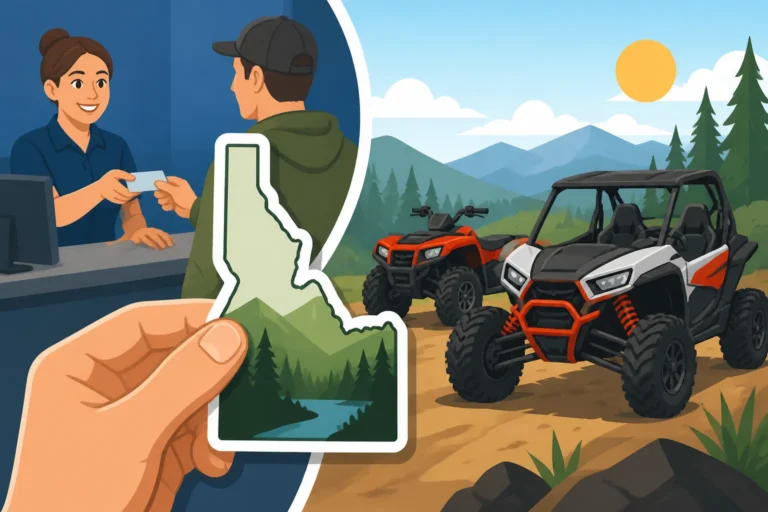
First off, many county DMV or assessor's offices handle OHV sticker sales. So, if you're already going to your county office for other vehicle-related tasks, you can often pick up your OHV sticker at the same time. This is a common method for many residents. [Buying an Idaho Sticker at a County DMV] is a very common approach, especially if you prefer in-person transactions.
Beyond government offices, many authorized vendors, such as sporting goods stores, powersports dealerships, and even some convenience stores in recreational areas, sell OHV stickers. These locations are often much more accessible and can offer extended hours, making it easier to fit into a busy schedule. They are listed as places [Where Idaho Sells OHV Stickers]. You can also often purchase stickers online through the Idaho Department of Parks and Recreation (IDPR) website. This is a great option if you prefer to handle things from home and have the sticker mailed to you, though you'll need to factor in shipping time if you're in a hurry for that December validity. [Renewing an Idaho OHV Sticker Online] is a straightforward process many riders appreciate for its convenience.
What You Need to Bring
Regardless of where you decide to purchase your sticker, you'll need to have the right documentation ready. This ensures a smooth transaction and prevents any unnecessary delays or return trips. Generally, you'll need:
- Proof of Ownership: This is paramount. For a new machine, this might be a manufacturer's certificate of origin (MCO) or a dealer invoice. For a used machine, it will be a properly endorsed title in your name. Sometimes, if you're dealing with a lost title or an older machine, you might need a [Proof of Ownership for an Idaho OHV Title] in the form of a bill of sale or other supporting documents. Ensure the VIN on your machine matches the paperwork exactly.
- Vehicle Information: Have the Vehicle Identification Number (VIN) readily available. It's usually on the title or MCO, but knowing where it's stamped on your machine (often on the frame) is good practice.
- Payment: Be prepared to pay the sticker fee. As noted earlier, the fee is standard year-round, regardless of when in December you purchase it.
Having all your paperwork organized, especially for a used machine where the chain of ownership might have a few links, will make the process much smoother. If you used a service like LawDepot to create a robust bill of sale during your purchase, bringing that document along can certainly help clarify ownership details if any questions arise.
Displaying Your New Sticker (Even for a Short Time)
Once you've got that shiny new sticker in hand, whether it's for a few weeks in December or for the entire next year, proper placement is crucial. Law enforcement officers need to be able to easily see that your machine is legally stickered. There are specific guidelines for where these stickers should be affixed, depending on the type of OHV you own.
For ATVs (quads), the sticker is typically placed on the left side of the machine, usually on the fender or another visible, flat surface. The goal is to make it clearly visible without obstruction. If you have an R-plate (restricted use plate), the sticker will usually go on that. [Sticker Placement on a Quad's Fender] is a common area for quads.
For UTVs (side-by-sides), the sticker often goes on the vehicle's restricted use plate if you have one. If not, it should be on the left side of the machine, again in a highly visible location, typically on the bodywork or frame near the driver's side. The exact spot should be chosen to ensure it won't be easily torn off by brush or mud, but still visible. Even if you've only got a couple of weeks of validity left on your December sticker, you still need to display it correctly to avoid any unnecessary stops or citations from Idaho Fish and Game or Sheriff's deputies out on the trails.
Common December Dilemmas and What to Do
December often brings with it unique circumstances that complicate the OHV sticker decision. From last-minute holiday purchases to navigating gifting, there are specific scenarios that frequently lead to questions and confusion for riders.
The Used Machine Purchase in December
Buying a used ATV or UTV in December can be a fantastic deal, as sellers might be eager to clear out inventory before the end of the year. However, it adds a layer of complexity to the sticker situation. When you purchase a used machine, you're not just dealing with the sticker; you're also navigating the title transfer. It's usually best to complete the title transfer as soon as possible after the sale. [Buying a Used Side-by-Side in Idaho: The Paperwork] often includes ensuring the title is properly signed over to you.
Once the title is in your name, you can then proceed to get the sticker. If it's late December, you'll still face the dilemma of buying a sticker that expires in a few days or waiting until January. Many people choose to get the title transferred and then wait until January 1st to purchase the new year's sticker. This means you won't be able to ride legally on public trails or roads until then, but it saves you from buying two stickers within weeks of each other. Always ensure you have a solid [ATV Bill of Sale Wording Buyers Should Insist On] from the seller to facilitate the title transfer. This document is a critical piece of [Proof of Ownership for an Idaho OHV Title] and ensures a clear record of the transaction. Utilizing resources like LawDepot to generate a comprehensive bill of sale can provide peace of mind and prevent issues during the title transfer process, especially if the seller isn't a licensed dealer.
Gifting an OHV for Christmas
An OHV makes an incredible Christmas gift, but it presents a unique challenge for registration. If you're planning to surprise someone with a quad or side-by-side, you'll need to consider whose name the title and sticker should be in. For younger riders, it's typical for the adult's name to be on the title. [Gifting a Quad to a Family Member] involves careful consideration of the paperwork.
You generally have two main approaches here. You can title the machine in your name, get a December sticker if you plan any immediate rides (even if short-lived), and then later transfer the title to the recipient, who will then need to purchase a new sticker for the next year. Or, and often the cleaner option, you can complete the initial purchase in your name, present the gift, and then immediately work with the recipient to transfer the title into their name (or their legal guardian's name) and then purchase the new year's sticker come January. This avoids buying a sticker that expires almost immediately and allows the recipient to start fresh with a full year's validity in their own name. This also ensures they fully understand the responsibilities of ownership and registration right from the start.
The "What If I Get Caught?" Factor
It might be tempting to skip the December sticker altogether and just take a chance, especially if you're only planning a quick ride before the end of the year. However, riding an OHV on public lands or designated trails without a current, properly displayed sticker is a violation of Idaho law. The consequences are real, and they can certainly put a damper on your holiday cheer.
Law enforcement officers, including county sheriffs and Idaho Fish and Game officers, do patrol popular riding areas, even in the colder months. Getting caught without a sticker can result in a citation and fines. [Penalties for an Unstickered OHV in Idaho] can vary, but they're typically more expensive than simply buying the sticker in the first place, even if it's only valid for a short time. Beyond the financial penalty, there's the inconvenience of being stopped, potentially having your riding day cut short, and the general stress that comes with a law enforcement encounter. It's simply not worth the risk.
For peace of mind and to ensure you're always riding legally, it's far better to either purchase that short-term December sticker if you absolutely need to ride, or, more commonly, just hold off on public land riding until January 1st when you can buy a new sticker that's valid for the entire upcoming year. Always prioritize compliance to keep your riding experiences fun and worry-free.
December Sticker vs. January Sticker: A Quick Comparison
To help clarify your decision-making process for buying an Idaho OHV sticker in December, here's a quick comparison of the two main approaches:
| Feature | Buying a Sticker in December | Waiting to Buy in January |
|---|---|---|
| Validity Period | A few days to a few weeks (expires Dec 31st) | A full 12 months (Jan 1st to Dec 31st of new year) |
| Cost | Full annual fee for partial use | Full annual fee for full use |
| Immediate Use | Yes, can ride legally right away | No, must wait until Jan 1st to ride legally |
| Best For | Riders needing to make a last-minute, legal ride in Dec | Riders who can wait, want full value for money |
| Frustration | Paying full price for short validity | Impatience to ride immediately |
| Paperwork | Still requires proper ownership docs for title/sticker | Still requires proper ownership docs for title/sticker |
| Recommendation | Generally discouraged unless immediate ride is essential | Often the more practical and economical choice |
Disclaimer
This article is for general informational purposes only and does not constitute professional advice. Laws, prices and regulations vary by location and change over time. Consult a qualified professional for guidance on your specific situation.