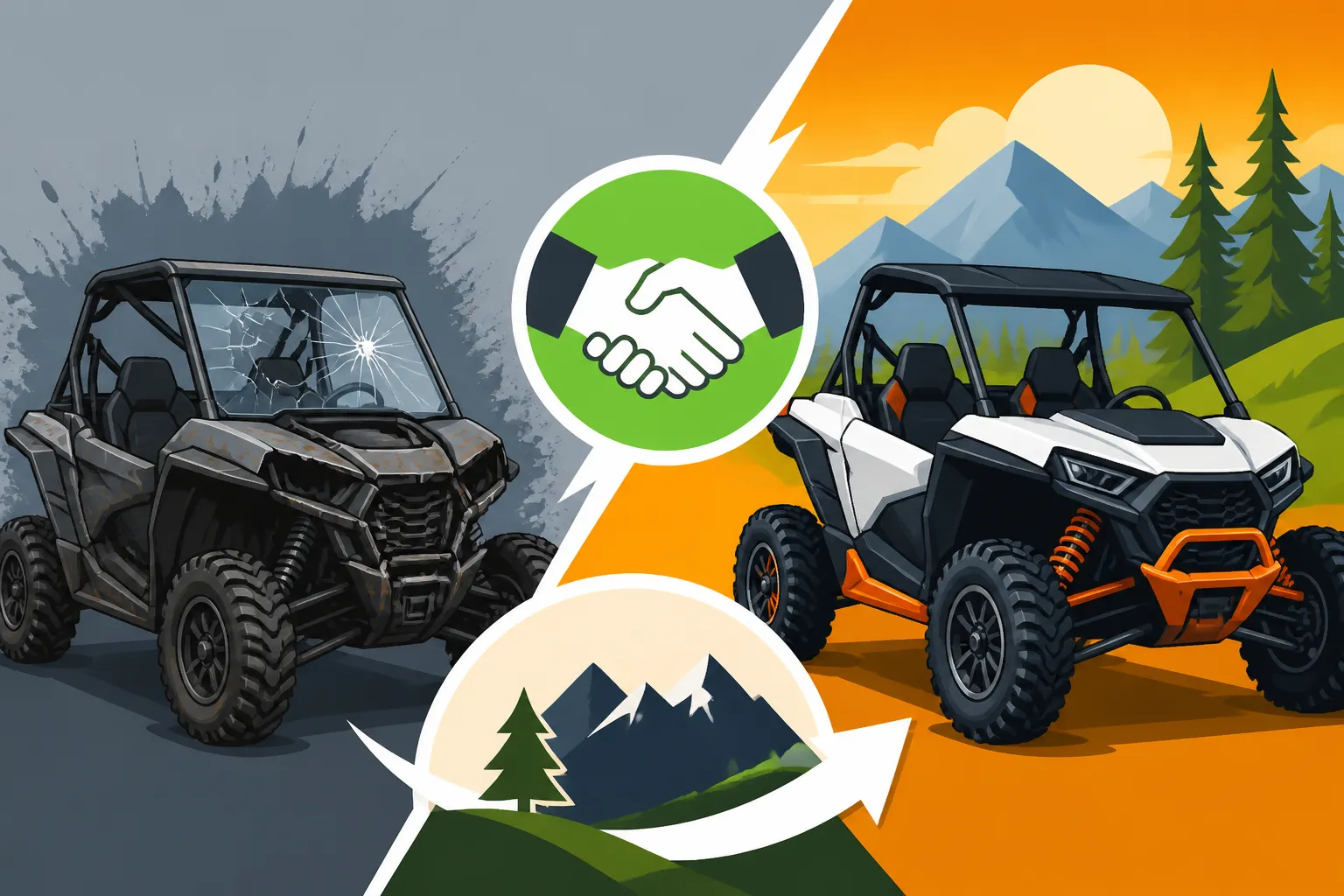
Buying a Salvage Side-by-Side
Thinking about snagging a salvage side-by-side in Idaho can feel like you've stumbled upon a secret handshake to adventure, right? The promise of a much lower price tag on a powerful machine is undeniably tempting, especially when new rigs feel like they're priced in precious metals. But let's be real, the thought of buying something that's been in a major accident or recovered from theft also sparks a whole lot of anxiety about hidden problems and complicated paperwork. This guide is here to cut through that uncertainty, helping you understand exactly what you'll face and how to navigate the specific challenges of buying a salvage OHV in the Gem State, so you can make an informed decision without buyer's remorse.
The Allure and the Reality of a Salvage Side-by-Side in Idaho
There's a definite mystique around salvage titles. For many, it conjures images of a diamond in the rough, a chance to get a fantastic deal on a machine that just needs a little TLC. In Idaho, where trails beckon from every mountain pass, the idea of an affordable side-by-side is incredibly appealing. However, the term "salvage" isn't just a quirky discount code; it carries a very specific and often complex meaning that every buyer needs to grasp before diving in.
What "Salvage" Really Means for an OHV
When an off-highway vehicle (OHV) in Idaho is branded with a "salvage" title, it's essentially a red flag that the machine has experienced significant trauma. This designation typically means that the cost of repairing the damage it sustained – whether from a collision, flood, fire, or even recovery after a theft – was deemed to exceed a certain percentage of its fair market value by an insurance company. It's not just a dented fender; we're talking about damage serious enough that the insurer wrote the machine off as a total loss.
Imagine a scenario where a relatively new UTV rolls off a trailer, sustaining frame damage, engine issues, and significant bodywork. While fixable, the combined parts and labor costs might push it over that financial threshold, leading to a salvage title. This doesn't necessarily mean the machine is beyond repair, but it absolutely guarantees that its history is anything but clean. Understanding this is the first step in managing your expectations and preparing for the journey ahead if you choose this path.
Why Buyers Are Drawn to Salvage Machines (and the Hidden Catches)
The biggest draw, hands down, is the price. A salvage side-by-side or ATV can often be purchased for a fraction of the cost of a clean-titled machine. This can seem like a golden opportunity for someone with mechanical skills, a tight budget, or a desire for a project. Perhaps you're looking for a machine to use on your private ranch in Idaho, where the stringent public land registration rules might not apply, and you're not as concerned about a clean title.
However, beneath that appealing price tag lie numerous hidden catches. The initial purchase price is rarely the final cost. You might find extensive, unseen damage that wasn't apparent at first glance – bent frames that throw off alignment, internal engine damage from water ingestion, or electrical gremlins that are notoriously difficult to track down. These issues can quickly eat into your savings, turning a "deal" into a money pit. Furthermore, until that machine has been properly repaired and rebranded with a "rebuilt" title, it cannot be legally ridden on public trails or roads in Idaho. This means the immediate gratification of a cheap purchase is often delayed by a lengthy and sometimes frustrating repair and inspection process.
Navigating the Idaho Salvage Title Process for OHVs
Once you've decided to tackle the challenge of a salvage side-by-side, understanding Idaho's specific requirements for bringing it back to life is paramount. It’s not simply about fixing the damage; it’s about documenting every step to satisfy the state that the machine is safe and legitimate. This process is how a salvage title eventually transforms into a usable, "rebuilt" title, allowing you to finally enjoy your machine on Idaho's vast trail systems.
Understanding the Idaho Salvage Title Document
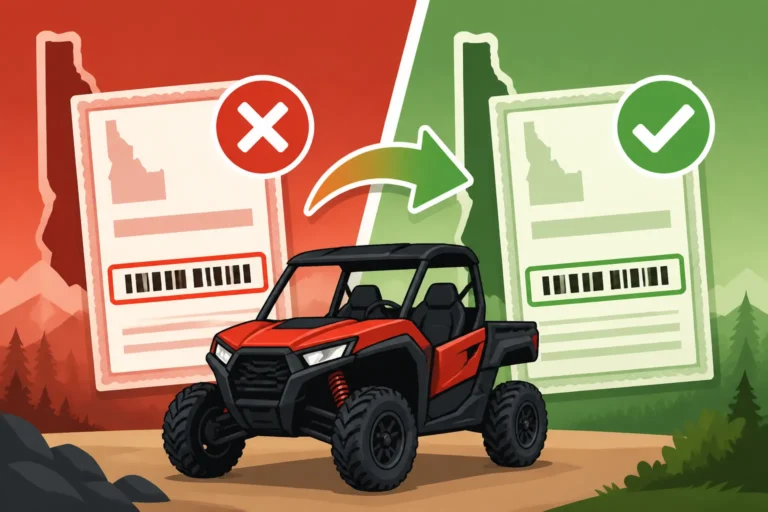
An Idaho salvage title isn't like a regular clean title. It clearly states "SALVAGE" across it, immediately signaling its history of significant damage. What's crucial to understand is that a machine with only a salvage title cannot be legally registered for public use in Idaho. This means you can't get an OHV sticker for it, and you certainly can't ride it on any county roads or designated trails until it goes through a specific rebuilding and inspection process. For more details on what titles machines need, you might want to read [Machines Idaho Requires a Title For].
Even though it’s a salvage title, it’s still an official document proving ownership. When you buy a salvage machine, you must ensure the seller properly signs over this salvage title to you. This is the first piece of critical paperwork that establishes your legal claim to the machine. Without a properly transferred salvage title, you won't be able to begin the process of getting it inspected and re-titled as "rebuilt," leaving you with a very expensive paperweight.
The Journey to a "Rebuilt" Title in Idaho
This is the really important part – taking that salvage machine and making it legal for public use. In Idaho, transforming a salvage title into a "rebuilt" title is a multi-step process designed to ensure the machine is structurally sound and safe. First, you'll need to meticulously repair all the damage that led to the salvage designation. This isn't just about cosmetic fixes; it's about making sure the frame, engine, suspension, and safety components are restored to proper working order.
As you make repairs, you must keep detailed records and original receipts for all major components purchased and installed. For instance, if you replace a bent frame, you’ll need the receipt for the new frame. If you rebuild the engine, document all the new parts. Once the repairs are complete, the machine must undergo an inspection by an authorized Idaho law enforcement officer, often from the Sheriff's office or Idaho State Police. This inspection verifies that the VIN (Vehicle Identification Number) matches the title and that the repairs meet safety standards. They also check to ensure that the parts used were legitimate and not stolen. This is also where a thorough bill of sale comes into play. You can use platforms like LawDepot to draft comprehensive agreements not just for the purchase but also for any services rendered during the rebuild, ensuring every step is documented. For a deep dive into the initial titling process, check out [Idaho OHV Title Application at the County Assessor].
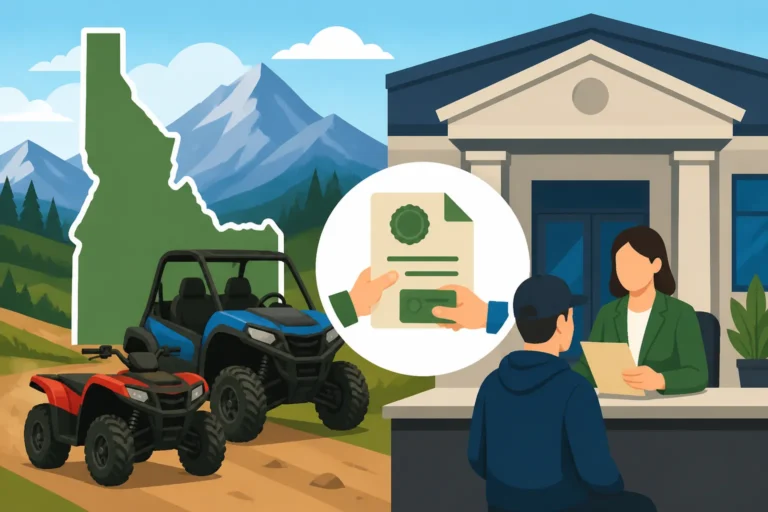
After a successful inspection, you'll take all your documentation – the signed-over salvage title, receipts for parts, the inspection certificate, and the application – to your local county assessor's office. They will process your application, and if everything is in order, they will issue a new title branded "REBUILT." Only then can you proceed with getting your [What an Idaho OHV Sticker Costs Each Year] and legally riding on Idaho's trails.
Essential Checks and Due Diligence Before Buying
Buying any used OHV requires a good amount of scrutiny, but when you're looking at a salvage side-by-side, that due diligence needs to be amplified tenfold. The potential for unseen damage and complex legal hurdles means you absolutely cannot afford to cut corners on your pre-purchase checks. This isn't just about saving money; it's about your safety and ensuring you don't end up with a machine that's more trouble than it's worth.
Thorough Inspection: Beyond the Surface
This is arguably the most critical step. Never, ever buy a salvage side-by-side without a thorough, professional inspection. Ideally, this should be performed by a qualified powersports mechanic who has experience with salvage rebuilds. Their trained eye can spot damage that you, as an enthusiastic buyer, might overlook. Focus on key structural and mechanical areas:
- Frame Integrity: This is paramount. Look for any signs of bending, cracks, or improper welding. A compromised frame can affect handling, suspension, and overall safety. Even subtle damage can lead to major issues down the line.
- Suspension Components: Check control arms, tie rods, shocks, and steering linkages for bends, cracks, or unusual wear. These are often heavily impacted in collisions.
- Engine and Transmission: Look for leaks, unusual noises, or signs of water intrusion (like muddy residue or rust in unusual places). Flood-damaged engines can be particularly problematic, leading to persistent electrical issues, corrosion, and premature component failure that might not show up immediately.
- Electrical System: Water damage can wreak havoc on wiring harnesses, ECUs, and sensors. Check for corroded connections or brittle wires.
- Brakes: Inspect brake lines, calipers, and rotors for damage.
Beyond these major components, a good mechanic will also look for mismatched parts, signs of shoddy repair work, or evidence that the damage was more extensive than what's immediately visible. Remember, a cheap repair might hide a deeper, more dangerous problem.
Paperwork and History: Your Best Defense
Even with a visual inspection, the machine's documented history is invaluable. Start by obtaining the VIN (Vehicle Identification Number) from the machine itself, ideally from multiple locations on the frame, to cross-reference for accuracy. Be wary of any discrepancies or VIN plates that look tampered with. Then, run a comprehensive vehicle history report using that VIN. These reports can reveal previous accidents, odometer discrepancies, prior salvage designations in other states, or even theft records. While I can't recommend a specific service, many reputable online providers offer these reports. For help locating the VIN, you might find [Where the VIN Sits on a Side-by-Side Frame] useful.
Next, verify the seller's identity and ensure they are the legitimate owner listed on the salvage title. The title must be properly assigned to you by the seller at the time of sale. Do not accept a title that isn't signed or has suspicious alterations. A comprehensive bill of sale is also non-negotiable. This document, which you can easily create using resources like LawDepot, should clearly state the machine's VIN, its salvage status, the purchase price, and explicitly declare that it's being sold "as-is, where-is" with all known and unknown defects. This protects both you and the seller. Finally, always check for any existing liens on the salvage title before you hand over any money. A lien means a bank or lender still has a financial claim to the machine, and you could unknowingly inherit their debt. More information can be found in [Liens on an OHV Title].
Costs, Risks, and Alternatives to Consider
The journey of purchasing and rebuilding a salvage side-by-side is not for the faint of heart or the shallow of pocket. While the initial purchase price might look appealing, it's critical to understand the full financial and practical implications. Often, the hidden costs and inherent risks can quickly outweigh the perceived savings. It's about looking beyond the surface deal to the true investment of time, money, and effort required to get that machine trail-ready and legal in Idaho.
The True Cost of a Salvage Rebuild in Idaho
The purchase price of a salvage machine is just the tip of the iceberg. You need to factor in a multitude of additional expenses that will quickly add up. First, there are the repair parts. Depending on the extent of the damage, these can range from minor cosmetic pieces to major structural components like frames, engines, or transmissions. Sourcing these parts can be time-consuming and expensive, especially for newer or less common models. Then comes the labor cost, unless you plan to do all the work yourself. Even then, you'll need tools, shop supplies, and potentially specialized equipment.
Beyond the repairs, there are the official state fees. You'll incur costs for the required law enforcement inspection, the application fee for the "rebuilt" title, and eventually, the annual OHV sticker. Don't forget Idaho sales tax on the purchase price, which applies even to salvage machines. You can learn more about this in [Idaho Sales Tax on an ATV Purchase]. The "opportunity cost" is another factor: the time you spend researching, buying, repairing, and dealing with paperwork could be time you'd otherwise spend earning money or enjoying other activities. Many a project machine has sat in a garage for years because the owner underestimated the true cost in both money and time.
Weighing the Risks Against the Rewards
The rewards, if successful, can be a sense of accomplishment and a functional OHV at a lower total cost than a new one. However, the risks are significant. Safety concerns top the list; if repairs are not done meticulously and correctly, especially to structural components like the frame or steering, the machine could be unsafe to operate, leading to accidents or catastrophic failure on the trail.
Then there's the resale value. Even with a "rebuilt" title, the machine will forever carry that "salvage history." This can significantly impact its future resale value, often making it harder to sell and commanding a lower price compared to a clean-titled counterpart. Insuring a rebuilt machine can also be more challenging or come with higher premiums, as insurers may view them as higher risk. For details on coverage, check out [Insuring an ATV in Idaho].
Finally, there's the very real risk of buying a machine that simply cannot be legally rebuilt. This could be due to irreparable frame damage, a VIN issue that makes it impossible to re-title, or parts that cannot be traced back to legitimate sources. You could end up with a machine you've poured money into, only to find it can never legally hit the dirt in Idaho. Dealing with issues like a wrong VIN can be a nightmare; see [Fixing a Wrong VIN on an Idaho Title] for an example of what that entails.
Exploring Other Options for a Budget-Friendly OHV
Given the complexities and potential pitfalls of buying a salvage side-by-side, it's often wise to consider alternatives if your primary goal is simply to save money.
- Used Machines with Clean Titles: You can often find fantastic deals on used ATVs and UTVs with clean titles that just need minor repairs or routine maintenance. These machines avoid the "salvage" stigma and the entire rebuilding process. A pre-purchase inspection is still a must, but the risks are significantly lower. Read [Buying a Used Side-by-Side in Idaho: The Paperwork] for guidance on private sales.
- Older Models in Good Condition: Don't overlook slightly older models. While they might not have the latest features, many are incredibly robust and, if well-maintained, offer years of reliable service for a fraction of the cost of new machines.
- Smaller Engine Sizes: If you don't need the biggest, most powerful machine, a smaller engine size often means a lower purchase price, lower maintenance costs, and still plenty of capability for Idaho's diverse terrain.
By exploring these options, you might find a path to off-road adventure that is less stressful, less costly in the long run, and gets you on the trails much faster than a salvage project.
Salvage Side-by-Side: Pros and Cons
To help you weigh your options, here's a quick summary of the advantages and disadvantages of taking on a salvage side-by-side project in Idaho.
| Feature | Pros | Cons |
|---|---|---|
| Initial Cost | Significantly lower purchase price than a clean-titled machine. | True cost escalates rapidly with repairs, parts, labor, and state fees. |
| Project Value | Opportunity to learn mechanical skills and customize your machine. | Requires significant time, specialized tools, and often unforeseen challenges. |
| Legal Status | Can eventually become a street/trail legal "rebuilt" machine in Idaho. | Cannot be ridden on public land until rebuilt title and OHV sticker are obtained. |
| Resale Value | Offers a lower entry point into OHV ownership. | Always carries a "salvage history," impacting future resale value and demand. |
| Safety | Can be safe if repairs are done professionally and thoroughly. | High risk of overlooked damage leading to unsafe operation if repairs are subpar. |
| Insurance | Potentially insurable once rebuilt. | May be harder to insure, or come with higher premiums due to salvage history. |
| Paperwork | Clear process for obtaining a rebuilt title in Idaho. | Meticulous documentation (receipts, inspections) is required for the rebuilt title. |
Disclaimer
This article is for general informational purposes only and does not constitute professional advice. Laws, prices and regulations vary by location and change over time. Consult a qualified professional for guidance on your specific situation.