Financing a Side-by-Side Through a Dealer
Bringing home a shiny new side-by-side or ATV is an exciting prospect, but the path to getting those keys in your hand often involves navigating the world of financing. For many Idaho adventurers, financing directly through the dealer seems like the most straightforward route, but it can also feel like walking into a maze of paperwork and unfamiliar terms. This guide aims to demystify the process of financing your powersports machine through a dealer, offering you a clear roadmap of what to expect, what to look out for, and how to confidently drive away with your dream ride.
Understanding Dealer Financing for Your Side-by-Side in Idaho
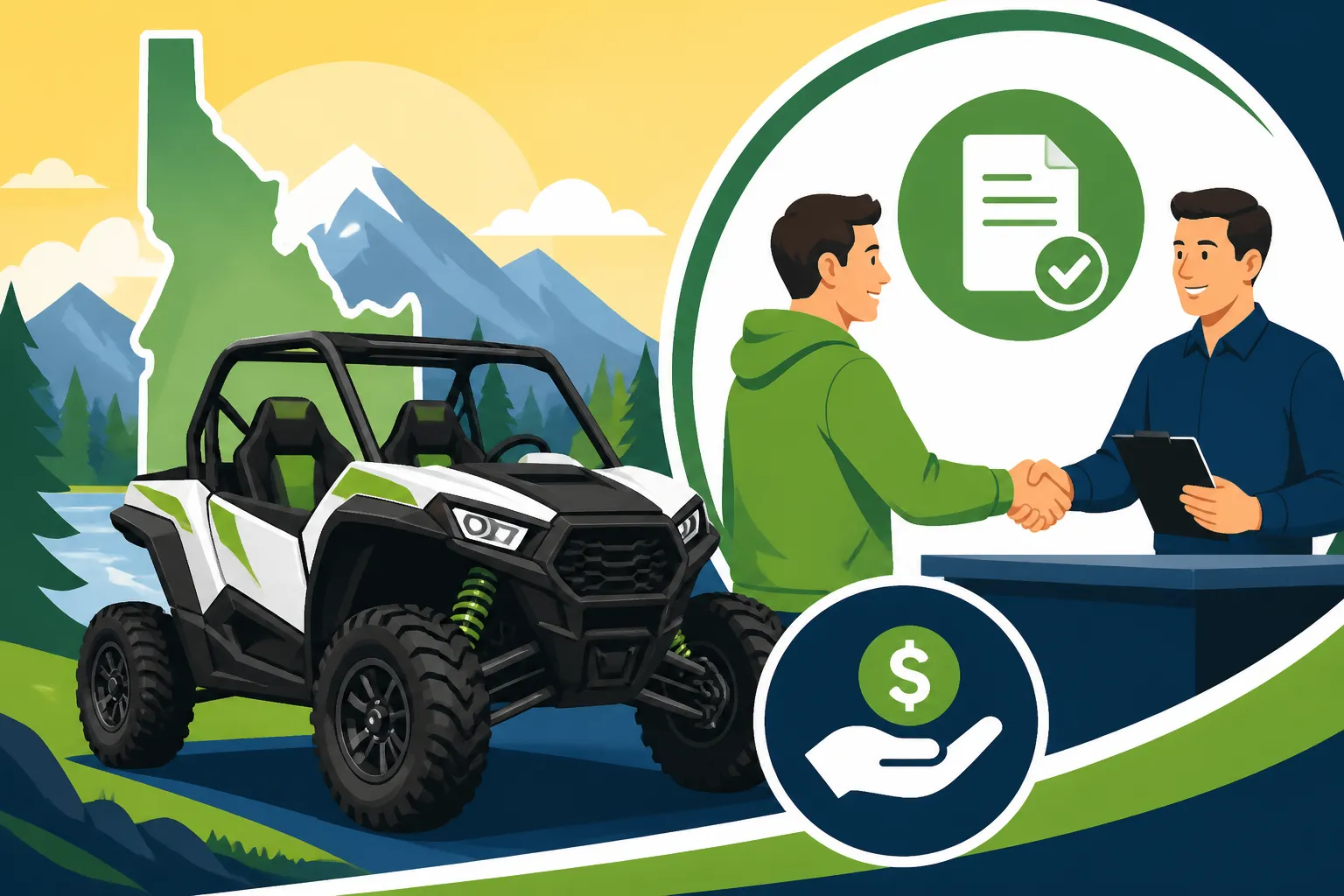
When you walk into a powersports dealership in Idaho, whether it’s a big-name retailer in Boise or a local shop in a smaller town, they're often ready and willing to help you secure financing right there on the spot. This convenience is a huge draw for many buyers who might not want the hassle of seeking out a loan from a bank or credit union separately. Dealer financing essentially means the dealership acts as an intermediary, connecting you with various lenders they partner with.
How Dealer Financing Works
Think of the dealer as your personal loan shopper. Instead of you visiting multiple banks, filling out applications, and comparing rates, the dealer does much of that legwork for you. They submit your credit application to several financial institutions they have relationships with, often including national banks, regional credit unions, and specialized powersports lenders. Each lender will then review your application and offer different terms, interest rates, and loan durations based on your creditworthiness and the value of the machine you're purchasing. The dealer then presents you with the best options they received, or sometimes a few different options to choose from. This can streamline the purchase process considerably, often allowing you to complete everything, from test ride to financing to [Idaho Sales Tax on an ATV Purchase] and final paperwork, all in one visit.
Advantages and Disadvantages of Going Through a Dealer
While the convenience of dealer financing is undeniable, it's important to weigh the pros and cons. Understanding these can help you make an informed decision that suits your financial situation and your urgency to hit the trails.
On the positive side, dealers often have access to special financing promotions, especially on new machines, which might include low-interest rates or deferred payments. They can also be more flexible, sometimes willing to work with a broader range of credit scores than a traditional bank might. Plus, bundling the financing with the purchase means less running around for you. They'll also handle the often confusing paperwork for titling and registration, saving you a trip to the county assessor to get your [Titling and Registering an ATV in Idaho].
However, there can be downsides. The interest rates offered might sometimes be higher than what you could secure directly from your own bank or credit union, especially if you have excellent credit. Dealers also make a profit on the financing itself, sometimes through a "dealer reserve," which is a markup on the interest rate they get from the lender. This means you might not always be getting the absolute lowest rate available. Furthermore, the focus on completing the sale quickly can sometimes pressure buyers into making decisions without fully understanding all the terms, which is why it's vital to stay informed and ask plenty of questions.
The Dealer Financing Process: Step-by-Step in Idaho
Once you've picked out the perfect side-by-side that calls your name for Idaho's rugged trails, the next step is getting approved for the financing to make it yours. This process, while handled by the dealer, involves a few key stages that you'll be part of.
Submitting Your Application and Credit Check
After you've agreed on a price for the machine, the dealer's finance manager will typically sit down with you to complete a credit application. This application will ask for standard financial information, including your income, employment history, residence, and personal details. They'll also collect your Social Security Number to run a credit check. This credit check is a crucial step because it gives lenders a snapshot of your financial history, including your payment habits, outstanding debts, and overall credit score. Your credit score will largely determine the interest rate and loan terms you'll be offered. A higher score generally means more favorable rates. The dealership will explain that they are submitting your application to multiple lenders, which might result in multiple inquiries on your credit report. While this is normal when shopping for a loan, it's good to understand how it works.
Understanding Loan Offers and Terms
Once your application has been submitted, the various lenders will respond with their offers. The finance manager will then present you with the options, highlighting the key terms: the Annual Percentage Rate (APR), the loan term (e.g., 36, 48, 60, or 72 months), and the monthly payment amount. This is where you need to put on your financial detective hat. Don't just focus on the monthly payment; look closely at the total cost of the loan over its lifetime, which includes the principal amount plus all the interest you'll pay. A lower monthly payment might seem attractive, but if it comes with a much longer loan term and a higher interest rate, you could end up paying significantly more in the long run. Ask for a breakdown of all fees associated with the loan, which might include origination fees or documentation fees. This is also a good time to discuss any potential trade-in you might have, as that can significantly reduce the amount you need to finance for your new machine. Dealers often help with [Trade-In Credit at an Idaho Powersports Dealer] to simplify the transaction.
Signing the Paperwork and Finalizing the Deal
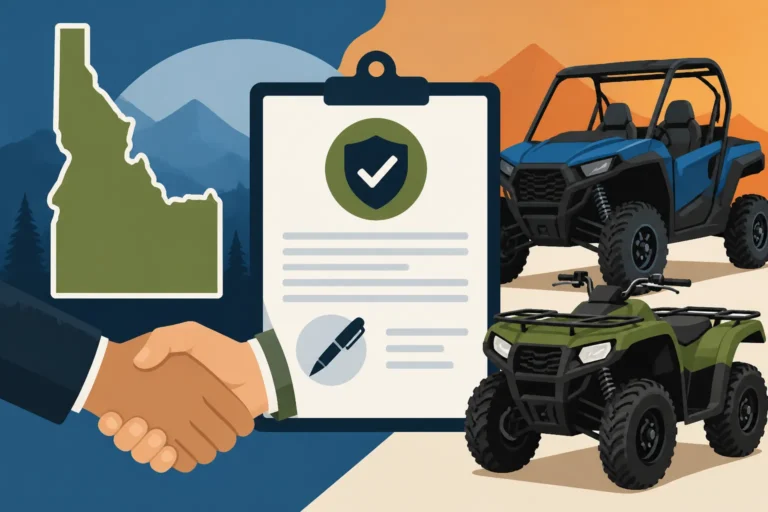
Once you've chosen the loan offer that best fits your budget and financial goals, you'll proceed to sign the final loan documents. This usually involves a retail installment contract, which outlines all the terms and conditions of your financing agreement with the lender. Take your time to read everything carefully, even if the finance manager is patiently waiting. Ensure that all the numbers, including the purchase price, interest rate, loan term, and monthly payment, match what you agreed upon. Pay close attention to any clauses about prepayment penalties, late fees, or what happens if you default on the loan. It's also at this stage that the dealer will prepare all the necessary paperwork for [Titling an ATV in Ada County] or whichever county you reside in, and for getting your [What an Idaho OHV Sticker Costs Each Year]. They typically handle the submission of these documents to the state on your behalf, which is a great convenience.
Key Considerations Before You Sign the Dotted Line
Financing a side-by-side is a significant financial commitment. Before you put pen to paper, there are several critical factors you should consider to ensure you're making the best decision for your situation in Idaho.
Interest Rates and Your Credit Score
Your credit score is arguably the most influential factor in determining the interest rate you'll be offered. Lenders use it to assess the risk of lending you money. Generally, excellent credit (typically a FICO score of 720 or higher) will qualify you for the lowest rates. If your credit score is in a lower range, you might still get approved, but expect a higher interest rate, which means more money paid over the life of the loan. Before you even walk into the dealership, it's a good idea to check your credit score and get a copy of your credit report. This allows you to identify any errors and gives you a realistic expectation of the rates you might qualify for. If your score isn't ideal, consider taking steps to improve it before applying for financing, or be prepared for a higher monthly payment. You can often find introductory rates or promotional deals through dealers, so ask if your credit score qualifies you for any special programs.
Loan Terms and Total Cost of Ownership
The loan term, or how long you have to repay the loan, directly impacts your monthly payment and the total interest paid. A shorter loan term means higher monthly payments but less interest over time. A longer loan term results in lower monthly payments, which can be tempting, but you'll pay significantly more in interest over the life of the loan. For example, extending a loan from 48 months to 72 months might lower your payment by $50 a month, but it could add hundreds, even thousands, to the total cost. It’s a delicate balance between an affordable monthly payment and minimizing the total amount you spend. Think about how long you realistically plan to keep the side-by-side. If you tend to upgrade frequently, a shorter loan might make more sense to avoid being upside down on your loan (owing more than the machine is worth) when you're ready to sell.
Hidden Fees and Dealer Add-ons
Always, always ask for a complete breakdown of all fees. Beyond the machine's price and interest, there can be various charges that add to your total cost. These might include documentation fees, administrative fees, registration fees, and sales tax. In Idaho, you'll also pay [Idaho Sales Tax on an ATV Purchase], which the dealer usually collects. Be wary of optional add-ons that might inflate the price, such as extended warranties, paint protection, or tire and wheel coverage. While some of these can offer peace of mind, they also significantly increase the amount you're financing and the interest you'll pay. Carefully evaluate if these add-ons truly provide value for your specific situation. Don't be afraid to negotiate or decline them if they don't seem worth the extra cost. Many of these services, like extended warranties, might also be purchased separately later if you decide you need them.
Reading and Understanding the Contract
The loan contract is a legally binding document. It is imperative that you read every word before signing. Do not let yourself be rushed. If you don't understand a term or a clause, ask for clarification. The finance manager should be able to explain everything in plain language. Pay close attention to the APR, the total amount financed, the payment schedule, and any provisions for early repayment. Sometimes, contracts might include clauses that restrict what you can do with the machine until the loan is paid off. While the dealer provides official documents, familiarizing yourself with standard contract language can be incredibly empowering. Resources like LawDepot offer templates and explanations of various legal documents, which can help you understand the commitments you're making, even if you're not generating the documents yourself. This knowledge can help you spot anything unusual or ensure you're comfortable with every detail.
Alternatives and What to Ask Your Idaho Dealer
While dealer financing offers convenience, it's always a smart move to explore other options and to be fully prepared with questions when you engage with an Idaho dealer. Knowledge is power, especially when it comes to making a significant purchase.
Exploring Other Financing Options
Before you commit to dealer financing, consider getting pre-approved for a loan from your own bank or a local credit union in Idaho. Many financial institutions offer loans specifically for powersports vehicles. Getting pre-approved gives you a concrete loan offer in hand, including an interest rate and terms. This can serve as a powerful bargaining tool at the dealership, as you'll know what rate you can get elsewhere and can use that to negotiate for a better rate from the dealer's lenders. If the dealer can't beat or match your pre-approved rate, you always have the option to go with your bank. You might also consider a personal loan, though these often have higher interest rates, or even a home equity loan if you have significant equity, but be cautious with these as they put your home at risk. Understanding these options provides a valuable comparison point when the dealer presents their financing offers. If you ever need to draft a personal loan agreement for a private sale, legal document services like LawDepot can be quite useful for creating official paperwork.
Essential Questions to Ask Your Dealer
When you're at the dealership, don't be shy about asking direct questions. A good dealer will be transparent and willing to provide all the information you need. Here are some key questions to keep in your back pocket:
- "What is the actual APR (Annual Percentage Rate) you are offering?" Don't just settle for a monthly payment quote. The APR gives you the true annual cost of borrowing.
- "Are there any special promotions or manufacturer incentives available for this model?" Dealers often have access to limited-time offers that can significantly reduce your financing cost.
- "Can you show me a full breakdown of all fees and charges included in this loan?" Insist on seeing every line item so there are no surprises. This should include the cost of the machine, all taxes, fees, and the total interest.
- "What are the different loan terms available, and how does each affect the total cost?" Ask to see a comparison of a shorter term versus a longer term so you can clearly see the total interest difference.
- "Are there any prepayment penalties if I decide to pay off the loan early?" Most loans for powersports don't have these, but it's always good to confirm.
- "What documents will I need to provide for the loan application?" This helps you come prepared, with items like proof of income, identification, and residence.
- "Who will be the actual lender for this loan?" Knowing the financial institution helps if you ever need to contact them directly for statements or inquiries about your [Liens on an OHV Title].
- "How long will it take for the title and registration to be processed in Idaho?" The dealer will typically handle [Buying From an Idaho Dealer: What They File], but it's good to know the timeframe for receiving your official documents.
By asking these questions, you empower yourself to make an informed decision, ensuring you get a fair deal on your new side-by-side.
| Feature | Dealer Financing Pros | Dealer Financing Cons |
|---|---|---|
| Convenience | One-stop shopping, often same-day approval | Might feel rushed, less time for external comparisons |
| Access to Lenders | Connects you with multiple lenders, potentially special rates | Rates may include a dealer markup |
| Promotions | Access to manufacturer-backed low APRs or deferred payments | Promotions often apply to specific models/credit scores |
| Paperwork | Handles all loan, title, and registration documents for you | Less control over document specifics, reliance on dealer |
| Negotiation | Can negotiate rates, especially with a pre-approval | May face pressure for add-ons, less rate transparency |
Finalizing Your Purchase and Taking Delivery
Once all the paperwork is signed and the financing is secured, the dealer will prepare your side-by-side for pickup or delivery. This usually involves a final inspection, a walk-through of the machine's features, and ensuring all accessories are installed. They should also provide you with temporary registration information, if applicable, until your official Idaho title and registration sticker arrive. Remember to confirm the details of [What an Idaho OHV Sticker Costs Each Year] and how to display it, especially if you plan on riding on public lands. Before you drive off the lot, do one last check of the machine to make sure everything is as expected and that you have all the keys, manuals, and any other agreed-upon items. Take your time, ask any lingering questions, and then get ready to enjoy the incredible trails Idaho has to offer with your new machine!
Disclaimer
This article is for general informational purposes only and does not constitute professional advice. Laws, prices and regulations vary by location and change over time. Consult a qualified professional for guidance on your specific situation.