Selling a Machine in Idaho With No Title
It's an all-too-common scenario: you've got a fantastic ATV or side-by-side sitting in your garage, ready for a new owner and some fresh adventures, but then you realize the title is missing, or worse, you never received one in the first place. This can feel like a huge roadblock, especially here in Idaho where off-highway vehicle (OHV) regulations are pretty clear about ownership. But don't despair! This guide is here to walk you through the realistic options and processes for selling an ATV or UTV in Idaho when that all-important title is nowhere to be found.
Why Selling Without a Title is Such a Headache in Idaho
Let's be honest, trying to sell something as significant as an ATV or UTV without a title in Idaho feels like trying to ride a muddy trail on bald tires—it's just not going to go smoothly. The reason it's such a big deal comes down to legal ownership and the buyer's ability to then register and title the machine themselves.
Idaho law generally requires a title for most ATVs and UTVs over 50cc. If you purchased your machine from a dealer, they should have processed the title for you. If you bought it in a private sale, the seller was legally obligated to sign over their title to you. Without a title, you, as the seller, cannot definitively prove you are the rightful owner, and your potential buyer can't prove they are either. This immediately raises red flags for any savvy buyer. They'll worry about potential liens on the machine, whether it's stolen, or if they'll just be buying a very expensive paperweight that they can't legally ride on public land or insure. It's a risk most buyers aren't willing to take, meaning your pool of potential buyers shrinks dramatically, or you might only attract those looking for a rock-bottom price for a parts machine. This whole situation can be incredibly frustrating, turning what should be a straightforward transaction into a complex ordeal. To dive deeper into what machines need titles, check out our guide on [Machines Idaho Requires a Title For].
Your First Steps: What Happened to the Original Title?
Before you throw in the towel or slash your asking price to nearly nothing, it's absolutely crucial to figure out why you don't have the title. The solution pathway changes dramatically depending on whether the title simply went missing, or if one was never issued in the first place. This detective work on your part can save a lot of time and effort down the road.
Lost, Stolen, or Damaged Title
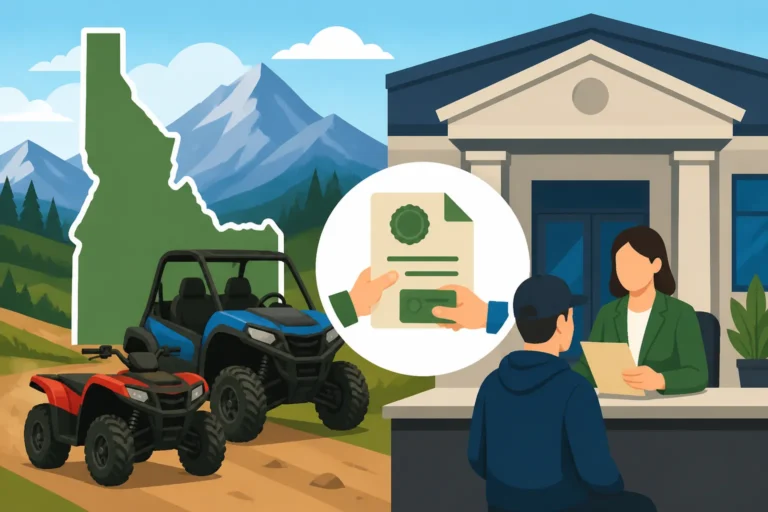
This is often the easiest scenario to resolve, relatively speaking. If you know for sure that a title was issued to you, but it's simply vanished into thin air, got chewed up by the dog, or somehow ended up in the washing machine, then your first course of action is to apply for a duplicate. The Idaho Transportation Department (ITD) handles titles for OHVs, and you'll typically work through your local County Assessor's office.
You'll need to fill out an application for a duplicate title. This usually requires your identification, the vehicle's VIN (Vehicle Identification Number), and any existing registration paperwork you might have. You'll also pay a small fee. The process is designed for situations just like this, allowing you to regain official proof of ownership. While it takes a little time and a trip to the office, it's generally a straightforward administrative task. Once you have that duplicate title in hand, you can proceed with the sale just like any other, complete with a clear transfer of ownership. For more detailed instructions, our guide on [Replacing a Lost Idaho OHV Title] can walk you through the specifics.
Never Received a Title (New Purchase or Private Sale Gone Wrong)
This scenario is a bit trickier because it implies a breakdown in the titling process from the beginning.
-
Bought New from a Dealer: If you purchased your ATV or UTV new from an Idaho dealer and never received a title, that's generally on the dealer. They are responsible for submitting the necessary paperwork to the ITD to get the title issued in your name. Your first step here should be to contact the dealership directly. Be prepared with your sales contract and any other purchase paperwork. They should be able to track the title application status and, if necessary, expedite the process or re-file. If you're dealing with an uncooperative dealer, you might need to reach out to the Idaho Transportation Department directly for guidance.
-
Bought from a Private Seller: This is where things can get really complicated. If you bought the machine from a private party and they never gave you a signed-over title, you're in a tough spot. Hopefully, you at least have a bill of sale, which, while not proof of legal ownership for titling purposes, is at least proof of your purchase. If you don't have a bill of sale, or if the seller is now unreachable or unwilling to cooperate, your options become significantly more limited. The challenge here is proving to the state that you legitimately own the machine, as the last titled owner is still listed as such in state records. For this reason, having strong documentation like [ATV Bill of Sale Wording Buyers Should Insist On] is vital when you buy a used machine. Our article on [Titling a Machine Without the Previous Owner] delves into this exact problem.
Inherited Machine or Gifted ATV Without Paperwork
Sometimes, you might come into possession of an ATV or UTV through inheritance or as a gift, only to find there's no title.
-
Inherited Machines: If the previous owner passed away, the process for obtaining a title depends on the complexity of their estate. If it's a small estate, you might be able to use a small estate affidavit, but this varies by Idaho law and the value of the machine. Generally, you'll need documentation proving you are the legal heir (e.g., a will, letters of administration, or an affidavit of heirship) to apply for a title in your name. Without these documents, transferring ownership can be a bureaucratic nightmare. We cover this in more detail in [Inheriting an ATV in Idaho].
-
Gifted Machines: Receiving a machine as a gift without a title can also be problematic. Ideally, the person who gifted it to you should have signed over their title or, if they never had one, helped you with the process. Without their cooperation or the original title, you face challenges similar to purchasing from a private seller who didn't provide paperwork. For gifts, a clear bill of sale (even for $0 or "gift") from the previous owner is immensely helpful. You can learn more about this in [Gifting a Quad to a Family Member].
The Options for Selling a Machine Without a Title (When a Duplicate Isn't Possible)
If you've determined a duplicate title isn't an option—perhaps because a title was never properly issued to you, or the original owner is gone and untraceable—you're left with a few more challenging, but not impossible, paths forward. These options often involve more effort and potential cost, but they are designed to bring resolution to these complex situations.
The Bonded Title Route
A bonded title is essentially a way for the State of Idaho to issue you a title for a vehicle when you don't have the original title and can't obtain one through normal means, but you can prove ownership. It's often used when there's a gap in the chain of title, or the previous owner is unknown or uncooperative. This route offers a legal pathway to eventually receive a clear title, making the machine legitimately salable and registrable.
The process in Idaho typically involves:
- Applying to the County Assessor: You'll start by submitting an application and supporting documents, such as a bill of sale, any previous registration, or affidavits.
- Vehicle Inspection: The machine might need to undergo an inspection by law enforcement to verify the VIN and ensure it's not stolen.
- Surety Bond: This is the key part of a bonded title. You'll have to purchase a surety bond, typically for 1.5 to 2 times the value of the ATV or UTV. This bond protects the state and any previous owners from potential claims against the machine if it turns out to be stolen or if there's an undisclosed lien. After a certain period (often three years), if no claims are made, the bond can usually be released, and you'll then be issued a regular, clear title.
- Fees: Expect to pay application fees, inspection fees, and the cost of the surety bond.
The bonded title route, while a lifeline for many, isn't quick or free. It takes time, patience, and some financial outlay. However, if your goal is to sell a fully functional machine that can be legally titled and registered by a new owner, this is often the most robust solution. Our article on [Bonded Title for an ATV in Idaho] explains this process in greater detail.
Selling for Parts Only
If the cost and complexity of a bonded title are simply too much for the machine's value, or if the ATV/UTV is really only suitable for salvage, selling it for parts might be your most pragmatic option. When a machine is sold strictly for parts, the buyer isn't acquiring a complete, operational vehicle that they intend to register and ride. Instead, they are buying components, an engine, a frame, or other pieces.
In this scenario, a title isn't legally required because the transaction isn't for a complete, registrable vehicle. However, it is absolutely vital to be transparent with the buyer and to have a very clear bill of sale stating that the machine is being sold "for parts only" and that no title is provided or implied. This protects both you and the buyer from future misunderstandings or legal issues. A template from a service like LawDepot can be incredibly helpful here to ensure all the necessary disclaimers and information are included in your bill of sale. Selling for parts means you'll likely get significantly less money, but it sidesteps the entire title problem. You can learn more about this specific type of sale in [Selling a Quad for Parts].
Reaching Out to the Last Titled Owner
Sometimes, the simplest solution is the best, provided it's still an option. If you can identify and locate the person who was the last legal owner of record, reaching out to them should be a high priority. They might not even be aware that the title wasn't properly transferred to you, or they may have simply forgotten about it.
This individual would be the person listed on the Idaho Transportation Department's records as the official owner. If they are cooperative, they can often apply for a duplicate title themselves and then sign it over to you. Once you have that properly signed title, you can either transfer it into your name and then sell it, or you might be able to simply have them sign it over directly to your new buyer (though the state might prefer a clear chain of title). This approach avoids the complexities and costs of a bonded title. However, it relies entirely on the previous owner's willingness to assist, which isn't always a guarantee. Our article on [Titling a Machine Without the Previous Owner] can offer additional guidance if you're attempting this route.
Protecting Yourself (and Your Buyer)
No matter which path you take when selling an ATV or UTV without a title in Idaho, certain steps are critical to protect yourself from future liability and to ensure your buyer fully understands the situation. Transparency and solid documentation are your best friends here.
Importance of a Detailed Bill of Sale
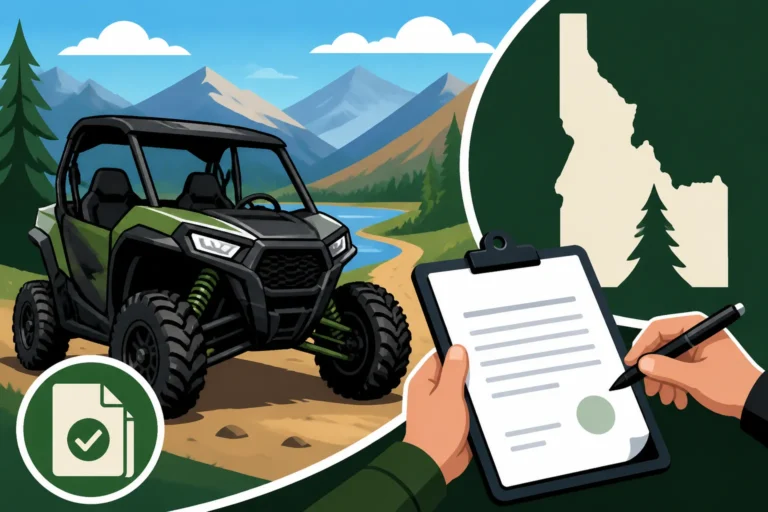
Even if you can't provide a title, a bill of sale is non-negotiable. It's a legally binding document that proves the transaction occurred, outlines the terms, and protects both parties.
Your bill of sale, especially in a no-title scenario, should include:
- Full legal names and addresses of both the buyer and seller.
- Detailed description of the ATV/UTV: Make, model, year, color, and most importantly, the Vehicle Identification Number (VIN).
- Purchase price.
- Date of sale.
- A clear statement regarding the title status: Explicitly state that "No title is being provided with this sale," and explain why (e.g., "seller never received title," "sold for parts only").
- "As-Is" Clause: This protects you from future complaints about the machine's condition.
- Signatures of both buyer and seller, ideally witnessed or notarized for extra security.
Using a reputable resource like LawDepot for a customizable bill of sale template can ensure you don't miss any critical details and that the wording is legally sound for Idaho. This document clarifies the terms and reduces the chance of disputes down the line.
Full Disclosure to the Buyer
Trying to hide the fact that you don't have a title is a recipe for disaster. It's unethical, potentially illegal, and will almost certainly lead to major headaches when your buyer tries to title or register the machine themselves. Transparency from the very beginning is crucial.
When you advertise the machine, and certainly when you speak to potential buyers, clearly state the title situation. Explain what you've done to try and resolve it (e.g., "I've contacted the previous owner, but they are unreachable," or "This machine will require a bonded title to be legally registered"). This upfront honesty might deter some buyers, but it will attract serious ones who understand the situation and are prepared for the steps they might need to take. They'll appreciate your honesty, and you'll avoid wasting your time (and theirs) with individuals who aren't prepared for a no-title purchase. Remember, a buyer who is fully informed is less likely to come back to you with complaints later. You can also point them towards resources like our article [Buying From a Seller With No Paperwork] so they know what they are getting into.
Here’s a quick comparison of title scenarios:
| Scenario | Title Status | Your Options | Buyer's Path to Ownership | Key Considerations |
|---|---|---|---|---|
| Lost/Damaged Title | Title was issued in your name, but gone. | Apply for a duplicate title through County Assessor. | You provide clear title; buyer registers. | Easiest fix; requires time for duplicate to arrive. |
| Never Received Title | Dealer/previous owner failed to provide. | Contact dealer/previous owner; if no help, bonded title. | Buyer may need to pursue bonded title or transfer. | Relies on cooperation; can lead to complex title issues. |
| Inherited/Gifted | Original owner is deceased or unreachable. | Gather estate documents; if not possible, bonded title. | Buyer may need to pursue bonded title or transfer. | Legal proof of heirship is essential; can be lengthy. |
| "Parts Only" Sale | No title provided or expected. | Sell as non-operable; clear bill of sale (e.g., LawDepot). | No formal title transfer; for components, not riding. | Lowest value; avoids title hassle; requires transparency. |
This article is for general informational purposes only and does not constitute professional advice. Laws, prices and regulations vary by location and change over time. Consult a qualified professional for guidance on your specific situation.