Youth Machines at High Elevation
Taking your youth rider out on Idaho's incredible OHV trails is an experience that creates lasting memories, but when those trails climb into the high country, new challenges can pop up that parents often don't anticipate. Smaller machines, and smaller bodies, react differently to thinner air and changing conditions. This guide will walk you through what to expect and how to prepare your youth machine and young rider for safe, enjoyable adventures at higher elevations across Idaho.
The Unique Challenges of High Elevation Riding for Youth Machines
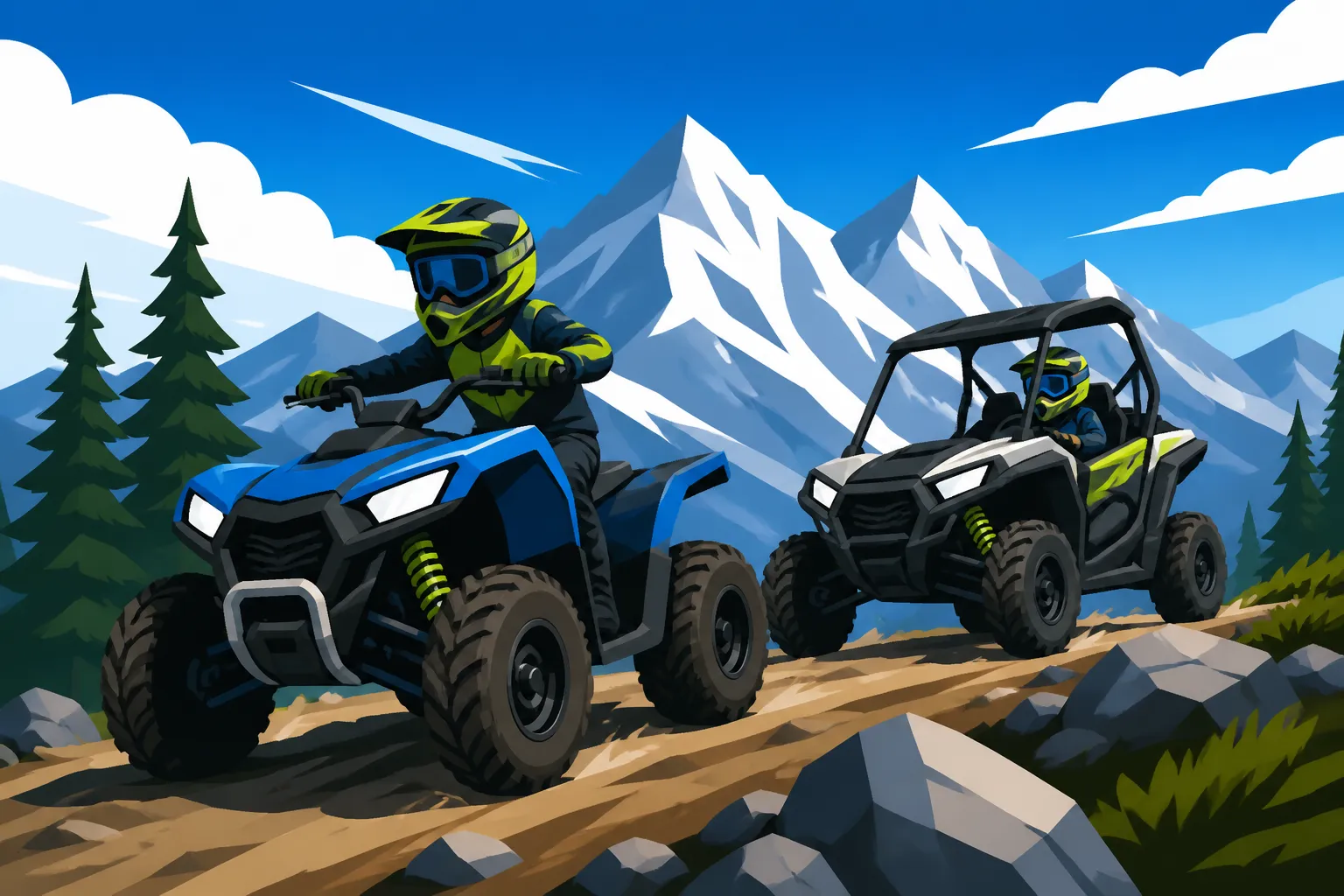
Idaho is blessed with vast mountain ranges and stunning high-elevation trails. While the scenery is breathtaking, the air is thinner, the weather more unpredictable, and the demands on both machine and rider intensify. For youth machines, which typically have smaller engines and less sophisticated fuel systems, these environmental factors can significantly impact performance and safety. It's not just about the machine, though; young riders can also feel the effects of altitude much more keenly.
Engine Performance and Power Loss
One of the most immediate effects of high elevation is on your machine's engine. As you gain altitude, the air becomes less dense, meaning there's less oxygen available for combustion. For carbureted youth ATVs and UTVs, this results in a "rich" fuel-to-air mixture. The engine gets too much fuel relative to the amount of oxygen, leading to a noticeable decrease in power, sluggish acceleration, and even excessive exhaust smoke. It's like trying to run a marathon on a very full stomach—you're just not going to perform at your best. This can be incredibly frustrating for a young rider who suddenly finds their machine struggling on a gentle incline it would normally breeze over at lower elevations.
Fuel-injected machines are generally better at compensating for altitude changes because their electronic control units (ECUs) can adjust the fuel delivery. However, even modern fuel-injected youth machines might experience some power reduction, especially if they are heavily loaded or pushing their limits. The impact is usually less severe than with carbureted models, but it's still something to be aware of. What feels like a nimble, responsive machine at 2,000 feet can feel heavy and underpowered at 8,000 feet or higher, potentially leading to stalls or difficulty navigating tricky sections. This loss of power can also make it harder for a young rider to maintain control, especially on hills or through technical terrain, increasing the risk of getting stuck or experiencing a minor spill.
Rider Fatigue and Environmental Factors
Beyond the machine, the high country poses unique physical challenges for young riders. Thinner air means less oxygen is delivered to their muscles and brains, which can lead to fatigue much more quickly than at sea level. Children, who might not always communicate their discomfort effectively, can experience shortness of breath, headaches, or just general tiredness. Dehydration is also a significant concern at elevation because the air is often drier, and physical exertion increases fluid loss. What starts as an exciting ride can quickly turn into a struggle if a child is feeling unwell or exhausted.
Furthermore, mountain weather is famously unpredictable. A sunny, warm morning can quickly give way to cold winds, rain, or even snow, even in the middle of summer. Temperatures can drop significantly with every thousand feet of elevation gain. Young riders are more susceptible to hypothermia and sunburn, making proper layering and sun protection absolutely critical. Navigating these fluctuating conditions while also managing a machine that might not be performing optimally adds another layer of mental and physical strain. Parents should be acutely aware of these factors and constantly check in with their young riders, making sure they're taking breaks, staying hydrated, and are dressed appropriately for any sudden changes. It's essential to remember that while Idaho's high trails offer incredible adventure, they demand respect and thorough preparation, especially when a child is at the helm of an OHV.
Preparing Your Youth Machine for High Altitude Performance
Ensuring your youth machine is properly prepared for high elevations can make all the difference between a frustrating struggle and a fun, memorable ride. It's not just about getting the machine to run; it's about making sure it runs safely and reliably, giving your child the best chance for a positive experience. Overlooking these steps can lead to poor performance, potential engine damage, and a discouraged young rider.
Carburetor Jetting and Fuel System Adjustments
For many carbureted youth machines, adjusting the carburetor's jetting is the most critical step for high-altitude riding. Because the air is thinner, the engine needs less fuel to maintain the correct air-to-fuel ratio. If you don't adjust the jetting, the machine will run "rich"—too much fuel, not enough air. This causes a loss of power, hesitation, poor fuel economy, and potentially fouled spark plugs. In extreme cases, a rich condition can also lead to carbon buildup and reduce engine longevity. Getting it right involves changing out the main jet and sometimes the pilot jet to smaller sizes, effectively "leaning out" the fuel mixture.
This isn't a "set it and forget it" task; you'll likely need to consult your machine's service manual or a qualified mechanic for specific recommendations for your model and the elevation you plan to ride. It often involves a bit of trial and error to find the optimal jetting for a given altitude range. After any jetting changes, it's wise to test the machine at the target elevation and check the spark plug color. A light tan or grayish-brown color usually indicates a good burn, while a black, sooty plug means it's still running rich. For fuel-injected youth machines, the ECU typically handles these adjustments automatically, so manual jetting isn't required. However, it's still a good practice to ensure the fuel system is clean, the air filter is clear, and the fuel itself is fresh, as these factors can still impact performance at any altitude.
Gearing and Tire Pressure Considerations
While engine adjustments are primary, considering your machine's gearing can also help compensate for power loss at high elevations. Lower gearing (larger rear sprocket or smaller front sprocket for chain-driven machines, or sometimes adjustments to the CVT system on UTVs) provides more torque, which can be invaluable when climbing steep grades with reduced engine power. This gives the machine more "pulling power" at lower speeds, making it easier for a young rider to navigate challenging ascents without bogging down the engine. It's a trade-off, as lower gearing means lower top speeds, but for technical high-country riding with a youth machine, torque is often more important than outright speed. Discussing this with a knowledgeable powersports dealer can help determine if a gearing change is a practical option for your specific machine and riding areas.
Tire pressure is another often-overlooked factor that plays a significant role in handling and traction, especially in the varied terrain found at higher elevations. On rocky, uneven trails, slightly lowering tire pressure can increase the tire's footprint, providing better grip and a more compliant ride, which is particularly beneficial for lighter youth machines that can get bounced around easily. However, too low pressure can lead to tire damage or bead separation, so finding the right balance is key. If you're riding a mix of hard-packed dirt and loose rock, you might adjust differently than if you're tackling mud. Always refer to your owner's manual for recommended pressures and adjust based on conditions and rider weight. Carrying a small air compressor and a tire pressure gauge is essential for making these on-trail adjustments. Proper tire pressure, combined with appropriate gearing, helps your youth rider maintain control and confidence even when their machine isn't at peak performance due to the altitude.
Rider Safety and Best Practices in Idaho's High Country
Riding in Idaho's high country is an unparalleled experience, but the rugged beauty comes with inherent risks, especially for young, developing riders. Ensuring their safety goes beyond just mechanical preparation; it involves physical readiness, constant supervision, and a robust plan for emergencies. Many of the trails that traverse these elevated landscapes are remote, meaning help can be a long way off.
Physical Preparation and Hydration for Young Riders
Before heading to high elevations, it's crucial to understand how altitude affects the human body, especially a child's. Symptoms of altitude sickness can range from mild headaches and fatigue to nausea and dizziness. Young children, in particular, may not recognize or communicate these symptoms effectively, making it vital for parents to be vigilant. Acclimatization is key; if possible, spend a day or two at a moderate elevation before tackling the highest trails. Ensure your child is well-rested and has eaten a nutritious meal before riding.
Hydration is paramount. The drier air at altitude and increased exertion lead to faster fluid loss. Encourage frequent sips of water throughout the ride, even if your child doesn't feel thirsty. Electrolyte drinks can also be beneficial. Layering clothing is essential for mountain environments where temperatures can fluctuate dramatically within a single day or even an hour. Start with a moisture-wicking base layer, add insulating layers, and top with a waterproof and windproof outer shell. Don't forget hats, gloves, and neck gaiters, even in summer. Sun protection is also critical; UV radiation is stronger at higher altitudes, so apply sunscreen liberally and use sunglasses. Parents play an active role in ensuring their child's physical well-being, as their ability to ride safely and enjoyably directly correlates with how they feel. Having proper gear also includes a well-fitting, DOT-approved helmet, which is mandatory for riders under 18 in Idaho, and appropriate eye protection. [Idaho Helmet Rules for Riders Under 18] provides more details on these requirements.
Supervision, Communication, and Emergency Preparedness
Constant and direct adult supervision is non-negotiable when youth riders are on high-elevation trails. This isn't just about watching them; it's about being actively engaged, monitoring their riding, and being close enough to respond immediately to any situation. Idaho law stipulates specific supervision distances for young riders, which are even more critical in challenging terrain. [Supervising a Young Rider Within 300 Feet] outlines these rules. Maintain visual contact at all times, especially around blind corners, crests of hills, or technical sections. Consider riding a larger machine ahead or behind them, or even having two adults for a single youth rider, ensuring one is always keeping an eye on them.
Reliable communication is vital in remote areas. While cell service can be spotty or nonexistent in Idaho's backcountry, carrying a satellite messenger or a two-way radio system can be a lifesaver. These devices allow you to call for help or communicate with your group even when off-grid. Before you leave, inform someone of your route and estimated return time. Prepare for emergencies by carrying a comprehensive first-aid kit, extra water, snacks, tools for minor repairs, a spare tire or patch kit, and a small air compressor. [What to Carry on a Remote Ride] has a detailed list of essentials. Know basic first aid, especially for common riding injuries and altitude sickness. Understanding that [First Aid Hours From Help] can be a reality in the backcountry underscores the importance of thorough preparation. Teaching your child basic hand signals and what to do if they get separated is also crucial. While [Riding Alone in the Idaho Backcountry] might be an option for experienced adults, it is absolutely not recommended for youth riders, and parents should always be with their children.
Choosing the Right High-Elevation Trails for Youth Riders
Idaho boasts an incredible network of OHV trails, many of which climb into stunning high-elevation landscapes. However, not all trails are created equal, especially when you have a young rider and a youth machine in tow. Selecting the appropriate trail is crucial for both safety and enjoyment, preventing situations where a child might feel overwhelmed or their machine pushed beyond its capabilities.
Understanding Trail Difficulty and Machine Limitations
It's easy to look at a trail map and see a "green" (easy) rating and assume it's suitable for a youth machine, but at high elevation, those ratings can be misleading. A gentle incline at 3,000 feet might become a challenging climb at 8,000 feet when a small engine is losing 20-30% of its power. Terrain that seems manageable at lower speeds can become difficult to navigate if the machine is struggling to maintain momentum. Rocks and roots might feel larger, and muddy sections might become impassable if there isn't enough power to push through. Always factor in the reduced performance of youth machines at altitude. What a 150cc quad can do in the valley is not what it can do near the tree line.
Look for trails specifically designated as [Idaho Trails Suited to Beginners] or [Family-Friendly Idaho OHV Trails] within the high-elevation zones. Even then, start with shorter loops and fewer extreme elevation changes. It's better to underestimate your child's and machine's capabilities and have a positive experience than to overestimate and encounter frustration or danger. Pay close attention to the listed grades and surfaces on trail maps. If a trail involves sustained steep climbs or very rocky sections, it might be better to save it for a more powerful machine or for when your youth rider gains more experience. Remember that the goal is to build confidence and foster a love for riding, not to push limits in challenging environments.
Respecting the Environment and Other Trail Users
Riding in Idaho's high country means riding in pristine, often sensitive, natural environments. It's our responsibility as OHV enthusiasts to protect these areas for future generations. This starts with always staying on marked trails. Going off-trail can damage fragile ecosystems, disturb wildlife, and contribute to erosion. Educate your young rider about "Tread Lightly!" principles from an early age. Explain why it's important to respect nature, pack out everything you pack in (and maybe even a little extra trash you find), and avoid making excessive noise that could disturb wildlife or other trail users.
When choosing trails, consider areas that are specifically designated for OHV use and check current conditions and any closures, which are often posted due to fire danger, wildlife migration, or seasonal restrictions. [Reading an Idaho Motor Vehicle Use Map] is an essential skill for this. You'll encounter other users on these trails—hikers, mountain bikers, horseback riders, and full-size vehicles. Teach your child proper trail etiquette: yield to non-motorized users, slow down and offer a friendly wave, and maintain a safe following distance from other OHVs. The mountains are a shared space, and respectful interaction ensures everyone can enjoy them. Being mindful of our impact and courteous to others not only sets a good example for young riders but also helps preserve access to these incredible high-elevation trails for everyone.
Disclaimer
This article is for general informational purposes only and does not constitute professional advice. Laws, prices and regulations vary by location and change over time. Consult a qualified professional for guidance on your specific situation.