Fines for Speeding on a County Road
It's an all too common scenario: you're out enjoying a beautiful day on your ATV or UTV, cruising down a seemingly empty Idaho county road, feeling the breeze and taking in the scenery. The speed limit signs might be few and far between, or perhaps the road surface is smooth, lulling you into a false sense of security. Before you know it, those familiar lights flash in your rearview mirror, and suddenly your relaxing ride turns into a tense conversation about how fast you were actually going. Getting pulled over for speeding on a county road with your off-highway vehicle (OHV) can be a frustrating and costly experience, and this guide is here to break down exactly what those fines entail and how to avoid them.
Understanding Idaho's Speed Limits on County Roads for OHVs
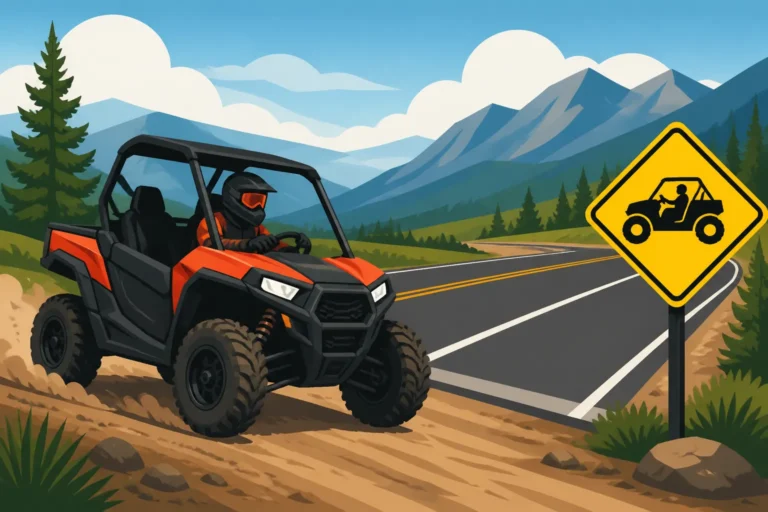
When you're riding your ATV or UTV on a designated county road in Idaho, you're no longer just on the trail. You're operating a motor vehicle on a public roadway, and that comes with a different set of rules, including posted speed limits. It's a critical distinction many riders sometimes overlook, assuming that because it's a gravel road or a two-track, the rules are more relaxed. This couldn't be further from the truth.
Default Speed Limits and Posted Signs
Idaho law dictates default speed limits for various types of roads, and county roads are no exception. Often, the default speed limit on an unposted county road is 35 MPH, but this can vary depending on the specific county ordinance or whether the road passes through a residential area. When signs are posted, those limits supersede the default. You might see a sign for 25 MPH near a rural homestead or 45 MPH on a longer, straighter stretch. Ignoring these signs, especially when you're accustomed to open-throttle trail riding, is where riders often get into trouble. Deputies and local law enforcement are well aware that OHVs are operating on these roads and will enforce these limits just as they would for any car or truck.
It’s easy to think of these roads as merely connectors between trails or private property, a temporary inconvenience before you get to the "real" riding. However, every inch of that public county road falls under traffic laws. This means your ATV or UTV needs to meet specific requirements for road use, such as having proper lighting, mirrors, and, of course, sticking to the posted speeds. Remember, even if the road feels abandoned, there could be other vehicles, residents pulling out of driveways, or even children playing nearby. [Speed on an Idaho County Road] is a topic that can often catch riders off guard due to these changing expectations from trail to road.
Why Speed Limits Exist on Back Roads
These speed limits aren't just arbitrary numbers meant to slow down your fun. They are put in place for safety, reflecting factors like sightlines, road conditions, potential hazards, and the density of homes or other traffic. Many Idaho county roads can be narrow, winding, or have blind crests that make higher speeds incredibly dangerous. You might encounter livestock, deer, or other wildlife unexpectedly, especially in rural areas. Imagine coming over a blind hill at 50 MPH only to find a school bus stopped in front of a driveway – the consequences could be catastrophic.
Moreover, while your ATV or UTV might be a nimble machine on the trail, its handling characteristics, braking distances, and stability at higher speeds on a gravel or dirt road can be vastly different from a passenger vehicle. Gravel can be unpredictable, causing skids and loss of control, particularly when cornering or braking hard. Dust can also become a significant issue, reducing visibility for both you and oncoming traffic, creating a hazard that a lower speed helps to mitigate. Ensuring your machine is well-maintained with good tires and brakes, perhaps even considering aftermarket suspension upgrades from a company like SuperATV, can improve handling, but ultimately, respect for the speed limit is paramount.
The Specifics of an Idaho OHV Speeding Ticket
So, you've been pulled over. The lights are flashing, and you're handing over your [Driver's License and Insurance on an Idaho Road Ride] and OHV registration. What happens next? A speeding ticket on a county road in Idaho isn't just a slap on the wrist; it comes with legal and financial repercussions that can impact your riding experience for months or even years. Understanding these consequences helps reinforce the importance of riding responsibly.
Idaho Fines and Penalties for Speeding
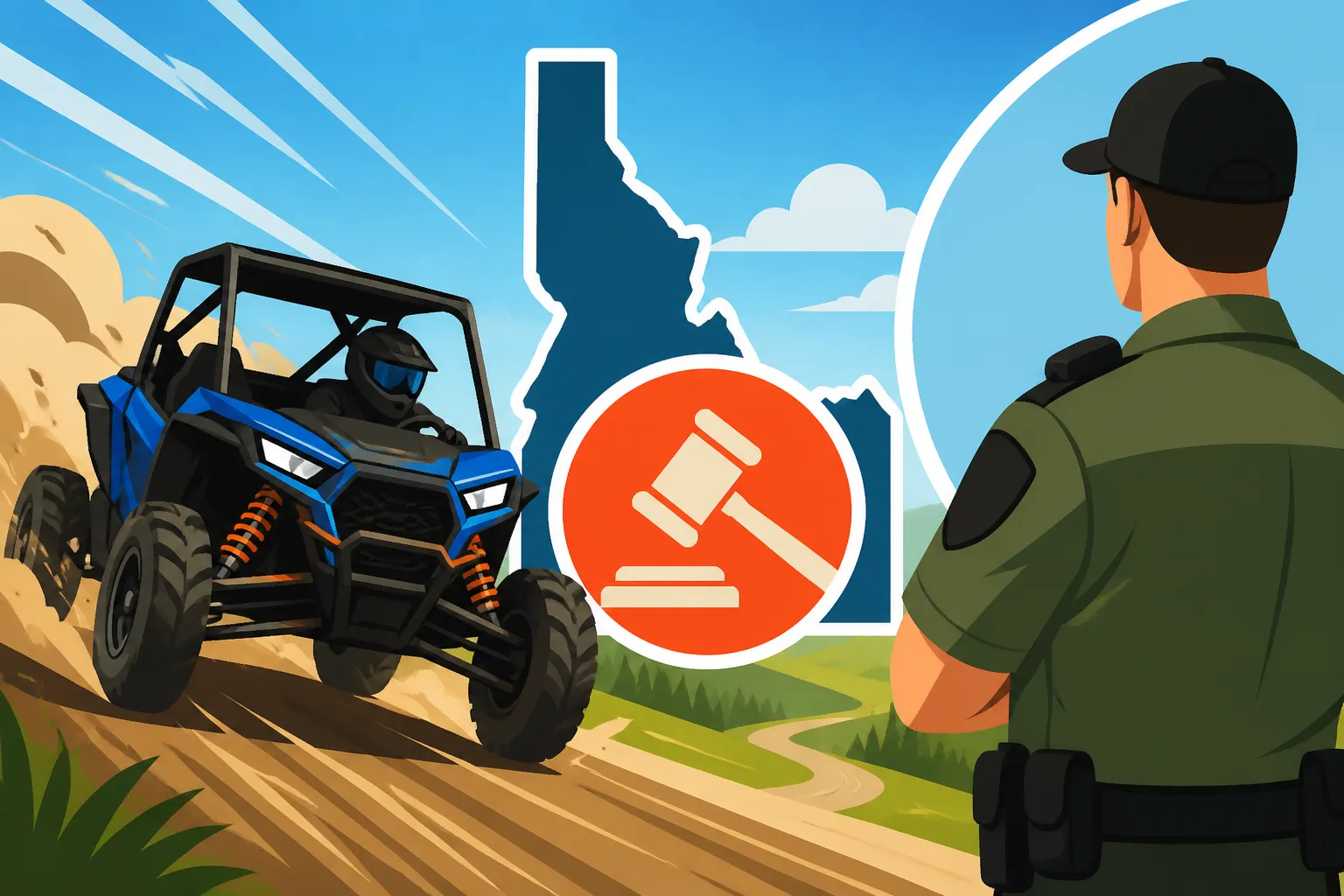
The actual dollar amount of a speeding fine in Idaho will vary depending on how fast you were going over the posted limit. Generally, the faster you were traveling, the higher the fine. For example, going 1-15 mph over the limit will incur a different fine than going 25+ mph over, which is considered a more serious offense. In addition to the base fine, you'll also likely be hit with court costs and fees, which can quickly add up, often doubling or tripling the initial fine amount. These costs are consistent whether you're in a pickup truck or on a side-by-side, as the law applies equally to all vehicles on these public roads.
Beyond the immediate financial hit, a speeding ticket often comes with points against your driving record. Accumulating too many points can lead to the suspension of your driver's license, which means not only can you not legally drive your car, but you also cannot legally operate your OHV on any public roads where a driver's license is required. This can be a major blow for anyone who relies on their OHV for accessing trails or even for practical purposes like farm work. Understanding [Idaho Fines for Illegal Road Riding] is crucial for any rider venturing onto county roads.
Legal Process and Options After a Ticket
Once you receive a speeding ticket, you typically have a few options. You can pay the fine, which is essentially admitting guilt. If you choose this route, the points will be assessed, and the incident will go on your driving record. For some riders, depending on their record and the severity of the offense, this might be the easiest path. However, for others, especially if they believe they were not speeding or the officer made an error, fighting the ticket in court is an option.
Going to court involves appearing before a judge, presenting your case, and possibly negotiating with the prosecuting attorney. While you might be able to get the fine reduced or the points waived, there's no guarantee, and it requires taking time out of your schedule. If you decide to contest the ticket, it's wise to gather any evidence you might have, such as dashcam footage (if you have it), or notes on road conditions and signage. It's also worth noting that in certain situations, especially for excessive speeding or other related offenses like [Idaho Alcohol Limits for OHV Operators], the penalties can escalate to include jail time, especially if other factors like reckless driving are involved.
| Speed Over Limit | Typical Fine Range (Estimate) | Points Assessed (Estimate) | Other Consequences |
|---|---|---|---|
| 1-15 MPH | Moderate | 2-3 | Insurance increase |
| 16-24 MPH | Significant | 4 | Insurance increase, potential court appearance |
| 25+ MPH | Substantial | 6+ | Higher insurance, license suspension risk, mandatory court |
| Reckless Driving | Very High | Severe, criminal charges | License suspension, possible jail, vehicle impoundment |
Note: These ranges are illustrative. Actual fines and points vary by specific violation, local jurisdiction, and individual circumstances. Always check with the relevant Idaho court or law enforcement agency for precise figures.
Avoiding Speeding Tickets and Staying Safe on Idaho County Roads
Nobody wants to deal with a speeding ticket, especially when you're just trying to enjoy a ride in Idaho's beautiful outdoors. The good news is that avoiding these fines and ensuring your safety on county roads is largely within your control. It boils down to awareness, preparation, and responsible riding habits.
Know the Rules and Your Machine's Limits
The absolute best defense against a speeding ticket is simply knowing the rules and adhering to them. Before you head out, do a little research on the county roads you plan to traverse. Many counties have their ordinances available online. Assume a 35 MPH default limit if unposted, but be constantly on the lookout for signs that indicate a lower speed. Remember that your OHV needs to be properly equipped for road use, including mirrors, horn, and lights. [What Idaho Requires to Ride a County Road] is a great resource to ensure your machine is compliant before you even leave the driveway.
Beyond the legal limits, understand how your specific machine handles on different surfaces. A beefy side-by-side designed for rock crawling might feel a bit unwieldy at higher speeds on a washboard gravel road compared to a purpose-built road vehicle. Practice smooth acceleration, braking, and turning. Installing quality parts, perhaps from a brand like SuperATV, can enhance your machine's stability and reliability, but they don't replace good judgment. Always ride within your comfort zone and your machine's capabilities, especially when road conditions are less than ideal.
Develop Safe Riding Habits
Safe riding isn't just about avoiding tickets; it's about coming home in one piece. When on county roads, adopt a defensive riding posture. Assume there's always something around the next bend: another vehicle, a pedestrian, an animal, or debris in the road. Keep your speed in check, especially on blind corners, hills, and near driveways or residential areas. This gives you more time to react and prevents those sudden, panic-inducing moments that can lead to accidents or citations.
Maintain appropriate following distances from other vehicles, and be mindful of the dust your machine kicks up. Excessive dust can blind other drivers and lead to complaints that draw law enforcement attention. If you're riding in a group, emphasize staggered formations and single-file riding on narrower roads. It's also helpful to have your documents readily accessible, so if you are pulled over, the process is quick and smooth. Familiarize yourself with [Idaho Road Rules Riders Get Wrong] to avoid common pitfalls.
Be Aware of Enforcement and Your Surroundings
It's a common misconception that law enforcement doesn't patrol rural county roads. In Idaho, county sheriffs and sometimes state police are actively present on these roads, especially in areas known for OHV use or where there have been complaints. They use radar, laser guns, and even simply pacing you to determine your speed. Many times, deputies are specifically looking for OHVs that are not compliant or are riding recklessly.
Always be courteous and cooperative if you are pulled over. Arguing with an officer rarely improves the situation and can potentially lead to additional charges. Pay attention to your surroundings: if you see "children at play" signs, livestock crossing signs, or indications of residential areas, it's a clear signal to slow down and be extra vigilant. Understanding that [Sheriff Enforcement on Idaho Back Roads] is a real and present factor can help shape your riding behavior positively.
Impact of a Speeding Ticket on Your Riding Privileges and Insurance
The immediate fine for speeding on an Idaho county road is certainly a deterrent, but the long-term consequences can be even more impactful, affecting your ability to ride legally and financially. It’s important to understand that a speeding ticket for an OHV on a county road can ripple through various aspects of your life.
Driver's License Points and Suspension Risks
As mentioned earlier, most moving violations, including speeding, will add points to your Idaho driver's license. The number of points depends on the severity of the offense. Accumulate too many points within a specific timeframe (often 12 months), and the Idaho Transportation Department can suspend your license. This isn't just a minor inconvenience; a suspended license means you cannot legally operate any motor vehicle, including your ATV or UTV, on public roads and often even public trails that require a licensed operator.
For a dedicated rider, losing your driving privileges can be devastating. It restricts your ability to access many of Idaho's incredible riding areas and participate in group rides that utilize county roads as connectors. Repeated offenses, or a single severe speeding ticket, can have a compounding effect, making it harder to get your license reinstated and potentially leading to longer suspension periods. This emphasizes that when you choose to ride your OHV on a public road, you're taking on the same responsibilities as any other driver.
Insurance Premium Hikes and Coverage Issues
Another significant financial consequence of a speeding ticket is the potential increase in your insurance premiums. Your insurance provider sees a speeding ticket as an indicator of higher risk. Even a single ticket can lead to a noticeable hike in your monthly or annual rates, not just for your OHV policy but potentially for your automotive insurance as well. This increased cost can last for several years, long after you've paid the initial fine.
In some cases, if you accumulate multiple violations, your insurance company might even decide not to renew your policy, leaving you scrambling to find new coverage, which will likely be more expensive. This is particularly relevant given that [Idaho ATV Insurance Cost] can already be a factor for many riders. While liability insurance is required for road riding, any additional coverage like collision or comprehensive can also be affected by your driving record. Protecting your driving record is therefore crucial not only for legal compliance but for maintaining affordable insurance rates and ensuring you have coverage in case of an incident, such as an [Idaho OHV Accident Reporting].
Long-Term Record and Reputation
Finally, a speeding ticket becomes part of your public driving record. While a minor ticket might seem insignificant, a history of moving violations can have broader implications. It can affect things like employment opportunities, especially for jobs that require driving, or even professional licenses. Furthermore, within the riding community, having a reputation for reckless behavior, particularly on shared county roads, can lead to exclusion from group rides or events. The OHV community thrives on responsible riding and mutual respect for both public land access and local communities. By respecting speed limits, you're not just avoiding fines; you're upholding the positive image of OHV recreation in Idaho.
Disclaimer
This article is for general informational purposes only and does not constitute professional advice. Laws, prices and regulations vary by location and change over time. Consult a qualified professional for guidance on your specific situation.