Riding to a Restaurant in Salmon
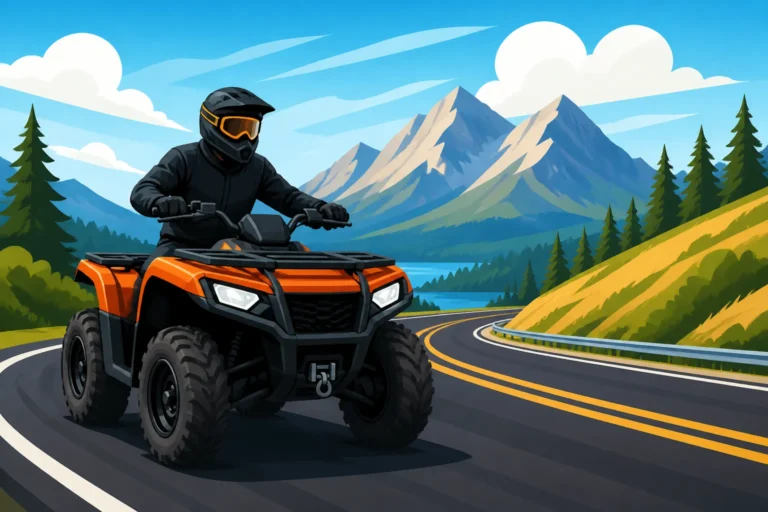
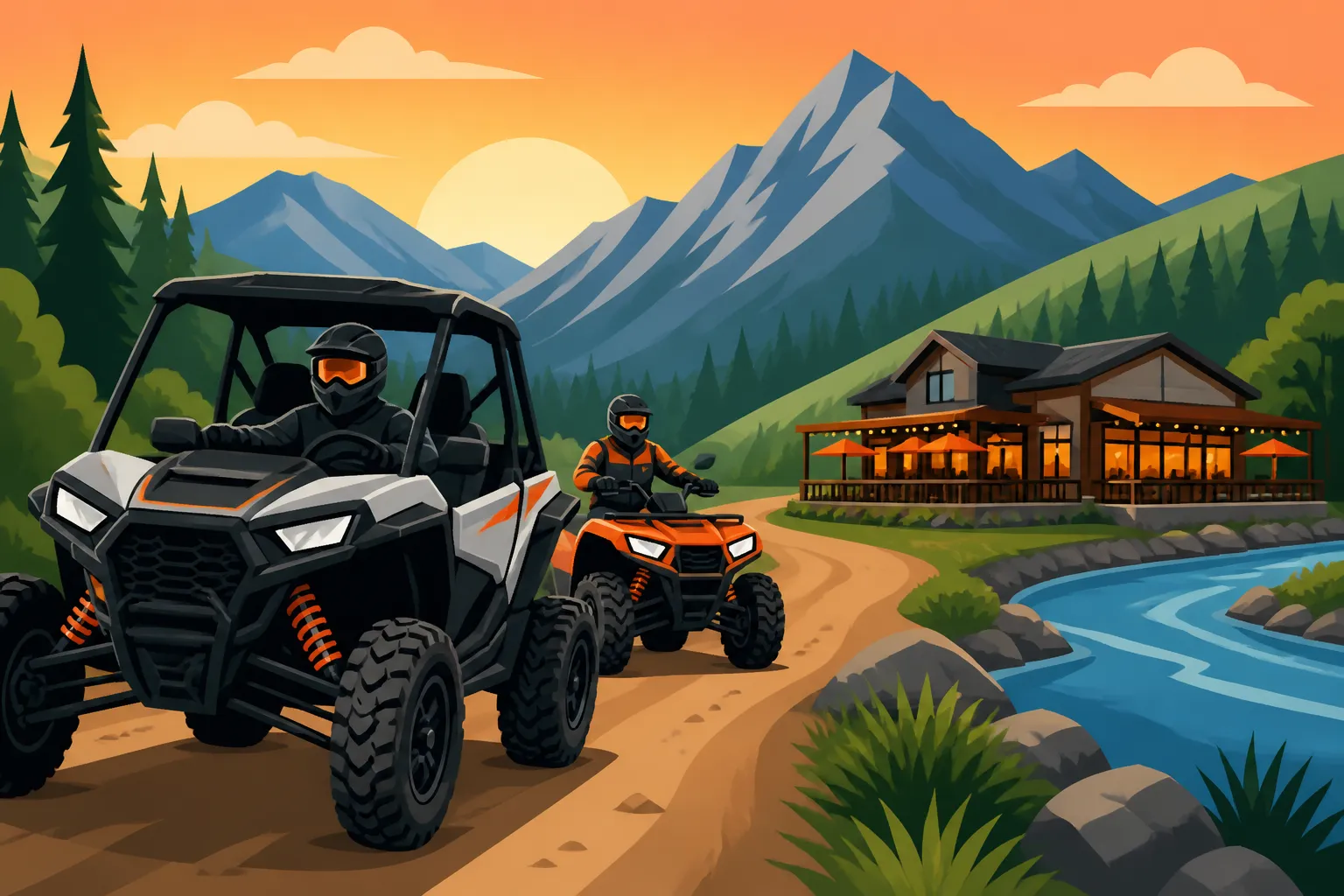
There's nothing quite like a day of ripping through Idaho's backcountry, the dust flying and the engine humming, only to start thinking about a good meal and a cold drink. Many of us dream of taking our side-by-sides or ATVs straight from the trail into a charming mountain town like Salmon for some much-deserved grub. But if you've ever tried to figure out the maze of rules for riding your OHV on paved roads, you know it can feel like trying to solve a Rubik's Cube blindfolded. This guide is here to untangle those complexities, helping you understand exactly what it takes to legally and safely navigate your ATV or UTV into Salmon for that well-earned plate of food.
Understanding Idaho's Road Rules for OHVs
Before you even think about rolling into town, it's absolutely crucial to grasp Idaho's regulations concerning off-highway vehicles (OHVs) on public roads. This isn't just about avoiding a ticket; it's about safety for yourself, your passengers, and everyone else on the road. The rules for riding on trails are often quite different from those for pavement, and ignoring them can quickly turn a fun outing into a frustrating, and expensive, experience.
The Restricted Vehicle Plate: Your Ticket to Pavement
For many riders, the first step towards taking their OHV on paved roads in Idaho is securing a Restricted Vehicle Plate, often just called an "R plate." This isn't the same as your standard street motorcycle or car plate, but it's specifically designed for OHVs that meet certain criteria to operate on designated county and city roads. Without this plate, your ability to legally access paved routes for a meal in Salmon or any other town is severely limited, if not outright prohibited.
Getting an R plate involves ensuring your machine meets specific equipment requirements, which we'll dive into shortly. It’s important to understand that simply having an OHV sticker – which is mandatory for nearly all public land riding – isn't enough on its own for road use. The R plate signifies that your vehicle has been declared compliant with the additional safety equipment needed for lower-speed, short-distance road travel. Think of it as the state's way of saying, "Okay, this machine is equipped enough to safely share the road with cars, but only under specific conditions." The goal is to allow trail access and provide connectivity for riders without compromising the safety of traditional road users. You can learn more about [What Idaho's $3 Restricted Use Plate Covers] to get a clearer picture.
Essential Equipment for Road-Legal Operation
So, you're thinking about that R plate, but what exactly does your OHV need to be considered road-ready in Idaho? The list is pretty comprehensive, focusing on safety and visibility, much like what you'd expect from any street-legal vehicle, albeit adapted for OHVs. We're talking about things that most trail-only machines don't have from the factory, or at least not in a road-compliant form.
Here's a quick rundown of the main requirements:
- Headlights and Taillights: These aren't just for seeing in the dark; they're about being seen. You need at least one headlight and one taillight, both functioning properly. The taillight must also illuminate your license plate.
- Brake Lights: Crucial for signaling to traffic behind you, your brake light must activate when you apply the brakes.
- Mirrors: At least one rearview mirror is required. This is absolutely critical for situational awareness on roads where you'll be sharing space with faster-moving traffic.
- Horn: A working horn is necessary for alerting other drivers or pedestrians to your presence.
- Turn Signals: While some older machines or certain classes might have exemptions, most modern OHVs seeking an R plate will need front and rear turn signals. These are essential for communicating your intentions to other drivers.
- Muffler and Spark Arrestor: While critical for trail riding to prevent fires and manage noise, on-road rules also apply to noise levels. Your muffler must be effective in preventing excessive or unusual noise, and the spark arrester must be in good working order.
- Tires: Your tires must be DOT-approved for street use if you're regularly using paved roads. This might be one of the less obvious, but very important, requirements, as off-road tires can be unsuitable and unsafe for sustained pavement driving.
Many aftermarket companies, like SuperATV, offer kits and individual components to help OHV owners upgrade their machines to meet these requirements. For instance, you might need a universal turn signal kit or specific mirrors that provide adequate visibility. Getting all this set up correctly can feel like a project, but it’s an investment in your safety and legality.
Driver's License, Insurance, and Safety Courses
Beyond the machine itself, the operator and the vehicle's paperwork also need to be in order. This is where many riders who are used to trail-only activities sometimes hit a snag, as these requirements often mirror those for driving a car.
First, you absolutely need a valid driver's license to operate an OHV on Idaho's public roads. This isn't a "junior operator" scenario; it's a full driver's license, just as if you were behind the wheel of a truck. For young riders, special rules apply to their ability to ride on roads, generally requiring direct supervision or prohibiting it entirely depending on age.
Second, liability insurance is not optional. If you're going to be sharing the road with other vehicles, you need to carry at least the minimum required liability insurance. This is for everyone's protection in case of an accident. While your homeowner's policy might cover some aspects of OHV use, it typically won't satisfy the road-legal liability requirements. It's crucial to check with your insurance provider and ensure you have specific coverage for road use. You'll want to be able to present [Proof of Insurance at a Traffic Stop] if asked.
Lastly, for riders under 16, Idaho often requires completion of an approved OHV safety course, even if they possess a driver's license. This course teaches safe riding practices, environmental awareness, and specific rules of the trail and road. While adults aren't mandated to take it, it's always a good idea, especially if you're new to riding on paved surfaces. For more details on this, you might look into [Idaho's OHV Safety Course for Young Riders].
Specifics for Riding an OHV into Salmon
Salmon, Idaho, nestled in the scenic Salmon River valley, is a fantastic destination, and it's understandably tempting to want to ride right into town. However, like any community, it operates under state law and potentially its own local ordinances. While Idaho state law provides the framework, individual cities and counties can further restrict or permit OHV use on their specific roads.
General Road Access in Salmon and Surrounding Areas
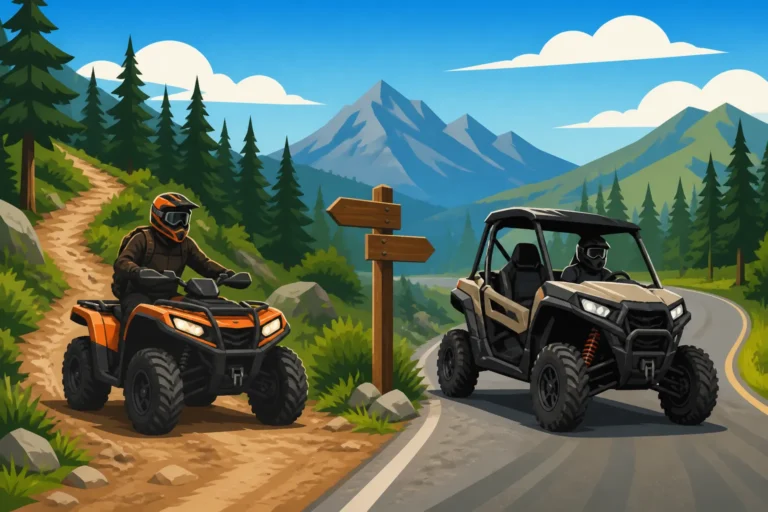
Idaho state law generally allows OHVs with a Restricted Vehicle Plate to operate on county roads designated for OHV use, and some city streets, unless explicitly prohibited by local ordinance. The default is often that if a road isn't a state highway or interstate, and it's not posted otherwise, you might be able to ride it with the correct plate and equipment. However, this isn't a guarantee for every single street in every town.
For Salmon, and many other small Idaho towns, there's often an understanding that OHVs are a part of the local culture and economy. Many communities actively work to allow OHV access to facilitate tourism and allow residents to connect trails to services. This often means county roads leading into town might be open, and main streets or side streets might also allow OHV traffic up to a certain point, or with specific restrictions. The key here is always to look for signage. A lack of "OHVs Prohibited" signs often suggests it's allowed, assuming you meet all state requirements. However, you can't assume every side street in a residential area is fair game just because the main drag is. Be prepared to differentiate between [Idaho Roads Open by Default to Restricted Vehicles] and those that might be closed.
Identifying Open Routes and Avoiding Closed Zones
The best way to know precisely where you can and cannot ride your OHV in Salmon is to do a little homework beforehand.
- Check Local Ordinances: The Salmon City Clerk or local sheriff's office would be the definitive source for any specific city ordinances that either permit or restrict OHV use on city streets. Some towns have maps available online that clearly show open and closed routes. While I can't give you real-time access, a quick search for "Salmon Idaho OHV ordinance map" would be your first step.
- Look for Signage: When you're physically riding, pay close attention to street signs. "OHVs Prohibited" or "No Off-Road Vehicles" signs are common where access is restricted. Conversely, you might see signs indicating "Shared Roadway" or specific OHV routes.
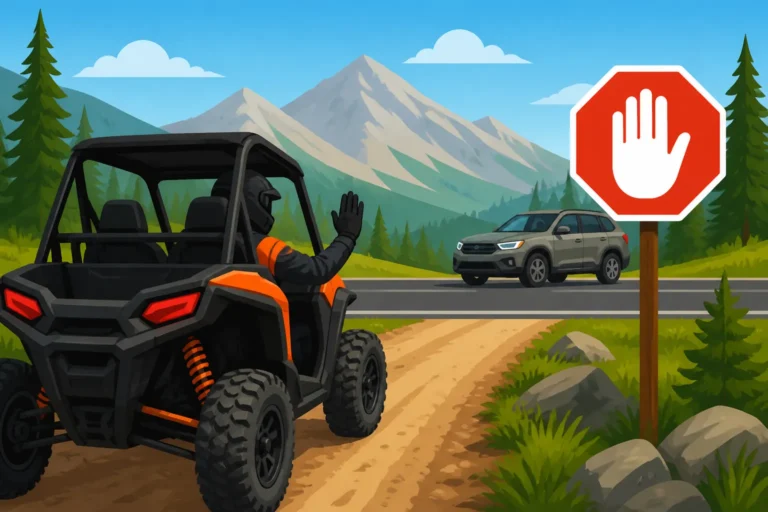
- State Highways are Generally Out: It's a common rule across Idaho that OHVs are generally prohibited from state highways (like US-93 through Salmon) and interstates. You can usually cross them at an intersection, but not ride on them for any significant distance. This means you'll need to use local roads to navigate into and around Salmon, being mindful of where those roads intersect or parallel major state routes. For clarification, review [Can You Ride an OHV on an Idaho State Highway?].
Knowing these routes ahead of time can save you a lot of stress. Imagine you're on a great backcountry route, stomach rumbling, and you realize you have no idea how to legally get to that burger joint you've been craving. A few minutes of planning can ensure a smooth transition from trail to table.
Fueling Up in Town
One of the big advantages of riding your OHV into a town like Salmon is the opportunity to refuel. Modern side-by-sides, especially those with larger engines, can guzzle gas, and planning your fuel stops is just as important as planning your meal. When you're on a long ride, a town fuel stop might be your only option.
Pulling into a gas station on an OHV, especially a side-by-side, is usually straightforward. Most gas stations in smaller towns are used to seeing a variety of vehicles. Just treat it like you would any other vehicle: approach safely, park at a pump, fill up, and pay. Be mindful of others, especially during busy times. Try to minimize any dust you kick up in the paved lot, and park in a way that doesn't block access for cars or trucks. Remember, while you might be coming from a dusty trail, you're now in a commercial area, and courtesy goes a long way. Many [Gas Stations That Serve Riders] are aware of OHV traffic and might even have designated parking or wider aisles.
Prepping Your Machine and Yourself for a Town Ride
Just because your machine is technically "street legal" with an R plate doesn't mean you should just blast into town. There's a certain mindset and some practical preparations that can make your town ride safer and more enjoyable, both for you and for the people you encounter.
Pre-Ride Machine Check for Pavement
Before you leave the trailhead for town, or even before you leave your home base if you're trailering in, give your OHV a thorough once-over with pavement driving in mind.
- Tire Pressure: Off-road tire pressures are often lower for better grip and comfort on trails. For pavement, you'll generally want to inflate your tires to the higher end of the recommended range, or even slightly above, to improve handling, reduce rolling resistance, and extend tire life. This can significantly impact how your machine feels on hard surfaces.
- Lights and Signals: Double-check every light – headlights, taillights, brake lights, and turn signals. Make sure they're clean and functioning perfectly. You need to be seen, especially if you're riding into dusk or planning to stay late.
- Mirrors: Adjust your mirrors for optimal visibility. On an OHV, especially a side-by-side, visibility can be different than a car. Ensure you have a clear view of traffic behind and beside you. A high-quality wide-angle mirror from a brand like SuperATV can make a real difference in your confidence when navigating roads.
- Cleanliness (Within Reason): While you don't need to be spotless, knocking off the heaviest mud clumps and excess dust from your lights, mirrors, and license plate area is a good idea. This improves visibility and shows respect for the town. No one wants a shower of mud from your tires if you hit a bump.
- Cargo Securement: If you're carrying any gear – coolers, tools, spare fuel – ensure it's tightly secured. Pavement driving involves different vibrations and forces than trail riding, and you don't want anything bouncing out. Consider cargo nets or secure storage boxes.
Rider Gear and Personal Preparation
Your gear choices also shift slightly when transitioning from deep trail riding to a town visit. While helmets are always recommended, and often legally required for younger riders, other considerations come into play.
- Helmet Use: Remember [Idaho Helmet Rules for Riders Under 18] means minors are always required to wear one on roads. For adults, while not always legally mandated on every road type, it's still the safest choice. If you're riding into a restaurant, you'll need a place to secure your helmet, or be prepared to carry it in.
- Eye Protection: Goggles or a face shield are essential for protection from dust, debris, and insects, especially when you might encounter higher speeds or traffic on paved roads.
- Layers: Idaho mountain weather can change quickly. Even if it's hot on the trail, a cool evening in town after dinner might have you wishing for a jacket. Layers are always a good idea.
- Comfortable Footwear: You'll likely be doing some walking from your parking spot to the restaurant. Ensure your riding boots are comfortable enough for a short stroll, or consider bringing a change of shoes if space allows.
- Paperwork: Always carry your driver's license, proof of insurance, and OHV registration (the R plate itself is registration, but having title/registration papers for the machine is smart) in an easily accessible, waterproof pouch. This is what [What an Idaho Deputy Asks a Rider For] during a stop.
| Item | On-Road Requirement (Idaho) | Why It Matters for Salmon |
|---|---|---|
| Driver's License | Yes | Legal operation, ID |
| Liability Insurance | Yes | Accident coverage |
| Restricted Plate | Yes | Legal access to roads |
| OHV Sticker | Yes (for trails/public land) | Often required for connection |
| Headlights | Yes (1 minimum) | Visibility to others |
| Taillight | Yes (1 minimum, plate ill.) | Be seen from behind |
| Brake Light | Yes | Signal stops |
| Rearview Mirror | Yes (1 minimum) | Situational awareness |
| Horn | Yes | Alert others |
| Turn Signals | Yes (most modern OHVs) | Signal intentions clearly |
| Muffler/Arrester | Yes | Noise control, fire prev. |
| DOT Tires | Recommended/Required | Safety, handling on pavement |
| Helmet | Under 18 required | Head protection |
| Eye Protection | Recommended | Debris, wind protection |
Parking, Etiquette, and Enjoying Your Meal
You've made it into Salmon, your machine is street-legal, and you're ready to eat! Now comes the last leg of your journey: finding a place to park, being a courteous visitor, and finally relaxing.
Where to Park Your OHV in Town
Parking an OHV in a town can sometimes be a bit different than parking a car. While many communities are welcoming, OHVs can take up more space, or have specific parking needs.
- Standard Parking Spots: For side-by-sides, a standard parking spot usually works just fine. Try to pick a spot that's not too tight or where your machine won't stick out and impede traffic. Backing into a spot can sometimes be easier.
- Designated OHV Parking: Some trail-friendly towns might even have designated OHV parking areas, especially near popular restaurants or trailheads. These are always the best option if available.
- Be Mindful of Space: If you're riding with a group of several machines, try to park together efficiently without monopolizing a large area of prime parking. Maybe park a block or two away from the busiest part of the main street if necessary, to avoid congestion. [Parking a Side-by-Side on an Idaho Main Street] often involves a bit of strategic thinking.
- Security: While Salmon is generally a safe community, it's always wise to secure your machine, especially if it's out of sight for a while. Lock your steering, remove keys, and consider chaining up valuable gear or accessories. Many people are envious of cool machines, and it's better to be safe than sorry.
Being a Courteous OHV Ambassador
When you're riding your OHV into town, you're not just representing yourself; you're representing the entire OHV community. Your actions directly influence how locals and businesses perceive riders.
- Noise Control: Even with a legal muffler, OHVs can be louder than cars. Be mindful of residential areas and try to keep engine revs low. Avoid unnecessary acceleration or "showing off" with loud exhausts, especially near homes or outdoor dining areas. [Idaho Noise Rules Near Mountain Towns] are often in place for a reason.
- Dust Control: You've probably been kicking up dust all day, but once you're on pavement, try to minimize it. Drive slowly in parking lots and residential streets.
- Speed Limits: Obey all posted speed limits, which are often much lower in town than on trails or even county roads. Local police are often quite attentive to speeders, and fines can be significant.
- Respect Private Property: Just as on the trails, do not trespass. Stick to public roads and parking areas.
- Support Local Businesses: You came to Salmon for a reason – enjoy the restaurants, maybe check out a local shop, and be sure to thank the establishments that welcome riders. Positive interactions reinforce the idea that OHV tourism is a benefit to the community.
Enjoying Your Meal and Planning Your Departure
Once you're parked and settled, it's time to enjoy the fruits of your ride! Savor that burger, that cold drink, or whatever local delicacy you've been craving. This is why you put in the effort to make your machine road-legal and ride into town.
Before you head back out, especially if it's getting dark, remember your exit strategy.
- Pre-Check Lights: Quickly confirm all your lights are still functioning before you pull out. If you're riding after sunset, [Lighting Rules for Riding After Dark in Idaho] become even more critical.
- Designated Routes: Remember the routes you identified earlier for getting into town? Use them to get back out. Avoid any state highways, even for short distances.
- Alcohol Consumption: Be extremely mindful of Idaho's strict alcohol laws for OHV operators. Just like a car, operating an OHV under the influence is illegal and dangerous. [Idaho Alcohol Limits for OHV Operators] are the same for OHVs as they are for cars. If you plan to have a drink with dinner, make sure you have a designated sober driver, or arrange for another way to transport your machine and yourself back to your camp or lodging. It’s not worth the risk of a DUI or, worse, an accident.
Riding your OHV into a vibrant Idaho town like Salmon for a meal is a fantastic way to extend your adventure, connect with local communities, and truly experience the diverse opportunities Idaho offers riders. With a little preparation and respect for the rules, it can be a highlight of any riding trip.
Disclaimer
This article is for general informational purposes only and does not constitute professional advice. Laws, prices and regulations vary by location and change over time. Consult a qualified professional for guidance on your specific situation.