Idaho Road Closures During Fire Season
There's nothing quite like planning an epic ATV or UTV adventure through Idaho's stunning backcountry, only to find your favorite routes suddenly blocked by "Area Closed" signs. This is a frustrating reality for many of us when wildfire season heats up, turning planned rides into a scramble for information and alternative paths. This guide will walk you through understanding why these closures happen, how to find the most current information, and how to adapt your riding plans to ensure both your safety and an enjoyable outdoor experience in Idaho.
Navigating the Unpredictable: Why Idaho Faces Road Closures During Fire Season
Idaho's landscape, with its vast forests, dry grasslands, and deep canyons, is incredibly beautiful, but it's also highly susceptible to wildfires, especially during the hot, dry summer and early fall months. When fires ignite, whether from lightning strikes, unattended campfires, or even vehicle malfunctions, the top priority becomes public safety and fire suppression. This often means temporarily sacrificing recreational access for the greater good, and understanding why these closures are put in place can help us all be more patient and proactive.
The Immediate Dangers: Smoke, Flames, and Suppression Efforts
Imagine the chaotic scene near an active wildfire: thick, choking smoke that reduces visibility to mere feet, flames that can jump across roads in an instant, and heavy equipment like dozers, water tenders, and fire engines moving rapidly. For the average OHV rider, entering such an area isn't just dangerous; it's potentially suicidal. Beyond the immediate threat of fire, the smoke itself poses significant health risks, particularly for those with respiratory issues, and can cause disorientation in unfamiliar terrain. Fire crews need clear access roads and trails to move personnel and equipment efficiently, establish fire breaks, and evacuate residents if necessary. Your presence, even if well-meaning, can hinder these critical efforts, creating hazards for firefighters and diverting precious resources. It's a situation where the forest service, BLM, and Idaho Department of Lands simply cannot risk public entanglement in a fast-moving emergency.
Understanding Different Types of Fire-Related Closures
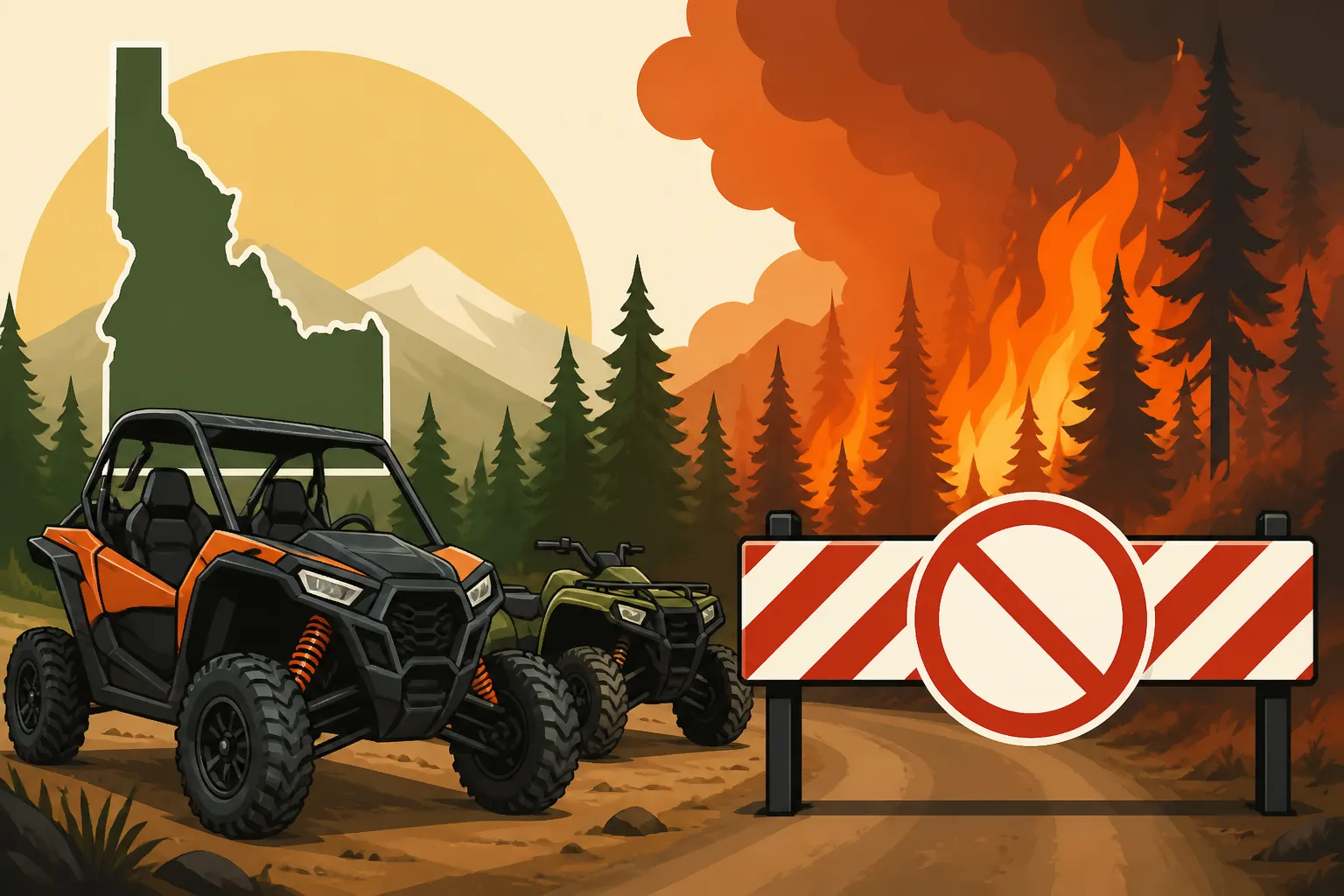
When a fire ignites, closures aren't always a blanket "everything is closed." Agencies typically implement specific types of closures designed to address the immediate threat and evolving conditions. You might encounter an "Area Closure," which restricts access to a broad geographic zone encompassing the fire and its potential spread, including all roads, trails, and sometimes even specific campgrounds or recreation sites within it. Then there are "Road Closures," often affecting main access roads or key forest roads leading into a fire zone. These are critical for managing traffic, allowing fire personnel uninterrupted passage, and preventing sightseers from getting too close. "Trail Closures" are also common, particularly for single-track trails or less-traveled routes that might put riders deeper into hazardous areas. These closures can be dynamic, expanding or shrinking as the fire situation changes. They can be temporary, lasting only until an immediate threat passes, or extended for weeks or even months if a large, persistent blaze requires ongoing containment and mop-up. Sometimes, even after the flames are out, areas remain closed due to hazards like falling trees, unstable slopes, or damaged infrastructure, which are vital for public safety.
Your Essential Guide to Staying Informed About Fire Season Road Restrictions
One of the biggest frustrations for riders is the uncertainty of not knowing where or when a closure will hit. The key to mitigating this stress and ensuring your riding plans remain viable is proactive information gathering. You can't just hope for the best; you need to know exactly where to look for the most current, reliable updates.
Official Sources You Can Trust for Real-Time Updates
Navigating the maze of information during fire season can feel overwhelming, but sticking to official sources is paramount. The Idaho Department of Lands (IDL), the U.S. Forest Service (USFS), and the Bureau of Land Management (BLM) are your primary go-to agencies, as they manage most of the public lands where we ride. Each has specific websites and local offices that are regularly updated. InciWeb is a particularly valuable interagency website that serves as a clearinghouse for information on active wildfires across the country, including all major incidents in Idaho. It provides detailed maps, incident updates, and specific closure orders. Many local ranger districts and BLM field offices also have dedicated phone hotlines or social media channels where they post real-time alerts. It's always a good idea to check these sources not just before you leave home, but also during your trip, especially if you're venturing into areas with spotty [Cell Service in the Idaho Backcountry]. A quick call or a refresh of a webpage can save you a wasted drive and deep disappointment.
Here's a quick reference for where to check:
| Agency/Resource | Primary Focus | How to Access | Frequency of Updates |
|---|---|---|---|
| InciWeb | All major active wildfires, maps, incident specifics | inciweb.nwcg.gov | Daily, multiple times |
| US Forest Service | National Forests (e.g., Boise, Payette, Sawtooth) | fs.usda.gov/NationalForestName (e.g., fs.usda.gov/boise), local Ranger District offices, social media | Daily, as needed |
| Bureau of Land Management (BLM) | BLM-managed lands in Idaho | blm.gov/office/idaho-state-office, local Field Offices, social media | Daily, as needed |
| Idaho Department of Lands (IDL) | State lands, fire reports across Idaho | idl.idaho.gov/fire/fire-news-updates/, local IDL offices | Daily, as needed |
| Local County Sheriff/Emergency Mgmt. | Localized road closures, evacuations | County websites, local news, emergency alert systems (e.g., Nixle) | Real-time, as needed |
How to Interpret Closure Maps and Orders Effectively
Once you find a closure notice, don't just skim it. Take the time to understand exactly what it means. Official closure orders usually include a detailed map, often with specific latitude/longitude coordinates or clearly marked boundaries. Look for the "effective date" and the "expiration date," though keep in mind the expiration date can be extended if conditions warrant. Pay close attention to the type of closure – is it a road, a trail, or a full area? A common mistake is assuming that if one road is open, the entire forest is clear, which is rarely the case during fire season. These maps often highlight specific trails and roads that are affected. Tools like [Reading an Idaho Motor Vehicle Use Map] can be incredibly helpful here, as they provide a baseline of designated OHV routes that you can then cross-reference with fire-related closures. Understanding the exact boundaries will prevent accidental trespass, which not only puts you at risk but can also lead to citations under [Penalties for Riding Off the Trail] or simply violating the closure order. Remember, these closures are made for your safety and the safety of emergency responders.
Proactive Planning: Riding Smart During Idaho's Fire Season
Even with the best information, fire season can be a frustrating time for OHV enthusiasts. The key is to shift from rigid trip planning to flexible adaptation. This means having a backup plan, knowing what to carry, and understanding the implications of violating closures.
Adapting Your Itinerary and Exploring Alternative Routes
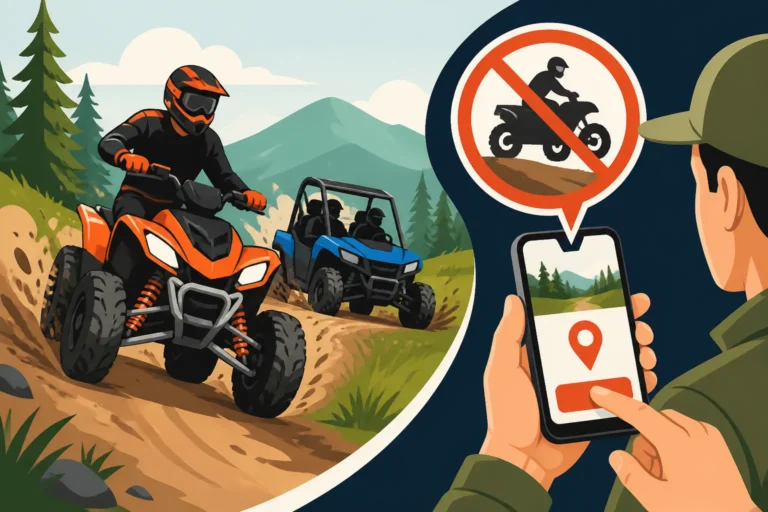
When a planned route is suddenly closed, it's easy to feel defeated. However, Idaho is vast and offers incredible diversity. Rather than cancelling your trip outright, consider exploring alternative areas. If the high country is experiencing closures, perhaps the lower elevation trails or desert regions are still open. Or, if a large fire is impacting one national forest, another might be completely unaffected. Many riders use mapping apps like Gaia GPS or onX Offroad to scout new areas or identify less-traveled routes that might still be accessible. Flexibility is your superpower here. Having a "Plan B" or even a "Plan C" before you leave home can turn a potential disappointment into a new adventure. This might involve researching [Idaho Trails That Link Two Mountain Towns] to find a path around a closed section, or simply choosing a completely different region to explore for the day. Always double-check [Checking Idaho Trail Status Before You Drive] for your new chosen area, just to be sure.
Equipping Your OHV for Fire Safety and Prevention
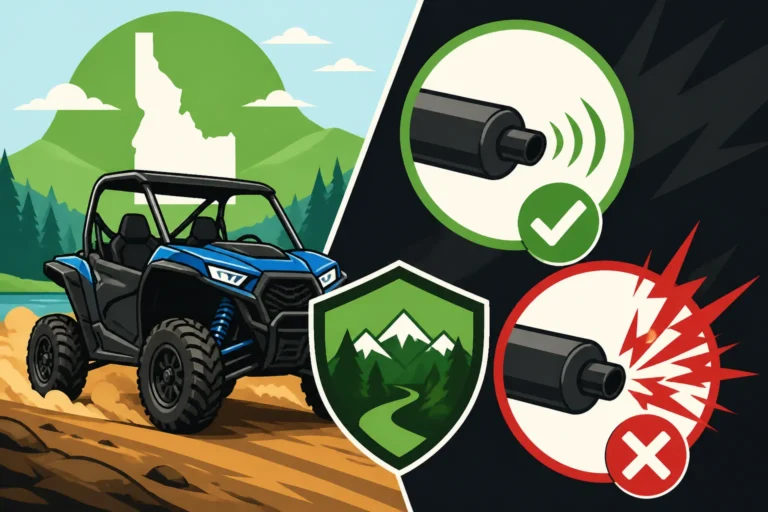
During fire season, your responsibility as a rider extends beyond just knowing where to ride; it includes preventing fires yourself. Every OHV on public land in Idaho must be equipped with a properly functioning spark arrester. This isn't just a recommendation; it's a legal requirement designed to prevent sparks from your exhaust system from igniting dry vegetation. You should inspect your spark arrester regularly to ensure it's in good condition. Beyond that, consider carrying a small fire extinguisher on your machine. Accidents happen – a fuel leak, an electrical short, or even just hot exhaust components touching dry grass – and being able to quickly suppress a small blaze could prevent a catastrophic wildfire. SuperATV, for example, offers various accessories like heavy-duty roll cage clamps and cargo boxes that can help you securely mount essential safety gear, from a first-aid kit to a fire extinguisher, keeping it accessible yet out of the way on those bumpy trails. Make sure you also include plenty of water, not just for drinking, but as a potential first line of defense against a small ember. Reviewing [What to Carry on a Remote Ride] becomes even more critical during fire season, as self-sufficiency could make a huge difference if you encounter an unexpected situation.
Respecting Closures: The Law, Safety, and Ethical Riding
It can be tempting, especially if a fire seems far away or you think you "just want to get a look," to ignore closure signs. But riding past a closure order is a serious offense. Not only are you subject to significant fines and penalties, but you're also putting yourself and others at grave risk. You could become trapped by a rapidly spreading fire, requiring emergency services to divert from fire suppression to rescue you. This ties up valuable resources, endangers rescue personnel, and distracts from the primary mission of protecting communities and natural resources. Furthermore, your actions could potentially delay the reopening of trails for everyone. Responsible riding means respecting these closures, understanding they are temporary measures for critical reasons. Always know [Where Idaho Closure Orders Are Posted] and abide by them. We all want to enjoy Idaho's trails, and that means doing our part to protect them and ensure their future access.
Beyond the Blaze: Long-Term Impacts and Responsible Riding
The immediate impact of a wildfire is devastating, but its effects on our beloved OHV trails, and the landscape itself, can linger for years, even decades. Understanding these long-term consequences reinforces the importance of prevention and responsible recreation.
Post-Fire Landscape: What Happens to Our Trails
When a wildfire tears through an area, it leaves a dramatically altered landscape in its wake. The immediate aftermath often sees trees burned to their roots, leaving unstable "snags" that can fall without warning. The ground, stripped of vegetation, becomes highly susceptible to erosion, especially during heavy rains. Trails can be washed out, become impassable due to deep ruts, or simply disappear under debris flows. Bridges, culverts, and signage – crucial for navigation and safety – can be destroyed. It takes years for vegetation to recover, and in the meantime, the ecosystem is fragile. Agencies often keep areas closed long after the fire is out to allow for stabilization, rehabilitation, and hazard mitigation. Trail crews, often supported by funds from OHV sticker sales and volunteers, work tirelessly to clear downed timber, rebuild damaged sections, and restore drainage systems. This post-fire recovery period is a critical time for the land to heal, and continued unauthorized access can impede this process, causing further damage and delaying eventual reopening.
Your Role in Preventing Wildfires: Every Rider's Responsibility
Ultimately, the best way to avoid fire season road closures is to prevent fires from starting in the first place. As OHV riders, we have a vital role to play. This means always ensuring your machine has a properly functioning [Spark Arrester Rules on Idaho Public Land] – an absolute non-negotiable. It means being incredibly careful with anything that could cause a spark: hot exhaust pipes parked on dry grass, dragging chains, or faulty electrical systems. Carry a shovel and a fire extinguisher, and know how to use them. Avoid riding in extremely dry conditions if possible, and definitely heed any "Extreme Fire Danger" warnings. If you're camping, make sure your campfires are completely out before leaving them, cold to the touch. Even something as small as a discarded cigarette can ignite a massive blaze. Companies like SuperATV can help by providing sturdy components that reduce the risk of mechanical failures, like robust skid plates that protect undercarriages from dragging, or quality electrical components. By taking these precautions seriously, we not only protect our forests and communities but also preserve the very trails we love to ride, ensuring they remain open for future generations of riders to enjoy.
Disclaimer
This article is for general informational purposes only and does not constitute professional advice. Laws, prices and regulations vary by location and change over time. Consult a qualified professional for guidance on your specific situation.