OHV Access on Stanley Streets
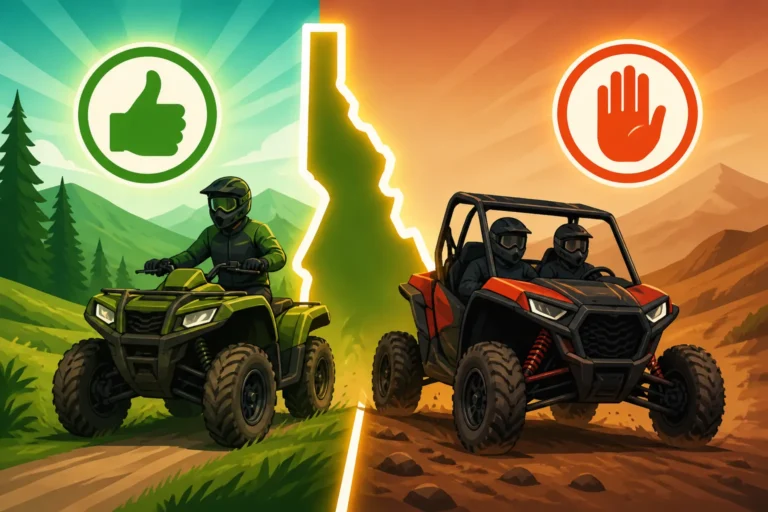
Heading to Stanley, Idaho, with your side-by-side or ATV can be an incredible adventure, but knowing where you can actually ride your machine, especially on city streets, can be a real head-scratcher. It's frustrating to pack up all your gear, only to arrive in a beautiful mountain town and worry about accidentally breaking local rules or, worse, running afoul of law enforcement. This guide is here to clear up the confusion, helping you understand how to responsibly and legally enjoy the streets of Stanley and access its magnificent surrounding trails with your off-highway vehicle.
Understanding Idaho's General OHV Road Use Laws
Before we dive into the specifics of Stanley, it’s absolutely crucial to grasp the broader rules Idaho has in place for riding off-highway vehicles on public roads. Many riders assume that if they have an OHV sticker, they're good to go anywhere, but that's simply not the case. Idaho has a tiered system for road access, and getting your machine street-legal is more involved than just slapping on a decal.
The Importance of a Restricted Vehicle Plate
Idaho created the "Restricted Vehicle Plate," often referred to as an "R Plate," specifically for OHVs that are capable of meeting certain equipment requirements and are intended for limited road use. Without this plate, your machine is generally restricted to trails, private land, or roads that are explicitly designated for OHV use. Think of the R plate as your golden ticket for accessing county and city roads where permitted, but it's not a free pass for every highway. Many riders get frustrated when they learn their standard OHV registration isn't enough, but the R plate is designed to show that your machine meets a higher safety standard for shared road use. [Idaho's Restricted Vehicle Plate Explained] covers this in detail, but the core idea is that this plate signifies your OHV has been equipped to handle a different kind of terrain – pavement.
Simply having the plate isn't the whole story, though. It just means you've met the state's basic requirements for potentially riding on some public roads. This plate visually communicates to law enforcement and other drivers that your OHV should, in theory, be safe enough to share the road. However, just because you have the plate doesn't mean you can cruise down every street you encounter. You still need to understand local ordinances and designated routes.
State Highways Versus County and City Roads
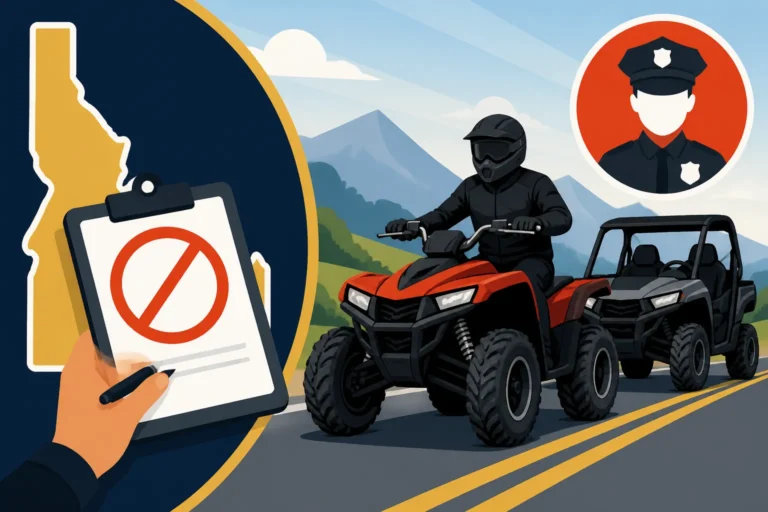
This is where a lot of riders hit a snag. Idaho state law generally prohibits OHVs from operating on state highways, which are typically marked with route numbers like US-93 or State Highway 21, even if you have an R plate. These are primary arteries, often with higher speed limits and heavy traffic, and OHVs simply aren't designed for that environment. The risk to both OHV riders and other motorists is too high.
However, Idaho does allow counties and cities to pass ordinances that open certain county and city roads to OHV traffic, provided the machines meet the restricted vehicle requirements. This is a critical distinction. A county road might be open, but if it crosses a state highway, you generally can't ride on that state highway. You might be able to cross it at designated intersections, but riding along it is usually a no-go. This patchwork of rules can be incredibly confusing, especially when you're visiting a new area like Stanley. What might be open in one county could be closed a few miles down the road in another. [What Idaho Requires Before You Ride a County Road] dives deeper into these rules.
Navigating Stanley's Town Streets with Your OHV
Stanley is a unique and wonderful place, nestled deep in the Sawtooth National Recreation Area. Its stunning beauty draws outdoor enthusiasts, and OHV riders are definitely part of that crowd. The town understands its role as a gateway to some of Idaho's most iconic backcountry.
Stanley's OHV-Friendly Ordinances
Good news for riders! The City of Stanley has generally embraced OHV use as a way to allow visitors and residents to seamlessly connect from their lodging to the vast network of trails surrounding the town. Most of Stanley's municipal streets are open to restricted use vehicles, provided you meet all state requirements. This means you can often ride your OHV from your cabin or campsite directly into town for supplies, a meal, or to access a trailhead. This is a huge convenience compared to towns where you'd have to trailer your machine everywhere. The ability to ride into town makes your adventure feel much more integrated and less of a logistical headache. [Riding Through McCall, Stanley and Salmon] touches on how different towns approach this.
However, "generally open" doesn't mean "anything goes." You still need to operate your OHV responsibly and adhere to all traffic laws, just as you would in a car. Speed limits are strictly enforced, especially in a small town where pedestrians are common, and residents value their peace and quiet. Pay close attention to posted signs; if a specific street or area is marked as closed to OHVs, you must respect that. Local law enforcement keeps a watchful eye, especially during peak seasons, to ensure everyone's safety and enjoyment.
Specific Streets and Access Points
While most main thoroughfares and smaller streets within Stanley are open, it's always smart to double-check local signage. For example, Stanley's main drag, State Highway 21, is technically a state highway. While you can often cross it or ride along it for very short distances to access open city streets, extensive travel on it is generally not permitted for OHVs. The goal is to facilitate access to and from the trail systems, not to encourage prolonged highway travel.
Most riders use the open city streets to get to trailheads that branch off directly from the town's perimeter. This might include roads leading towards popular areas in the Sawtooth National Forest or routes that connect to the expansive network of trails in the surrounding backcountry. Before you head out, I always recommend looking at a local map from the Forest Service or a trusted app like onX Offroad. These tools often clearly mark which roads are open to OHVs and which are not. This kind of preparation can save you a lot of hassle and ensure your ride is seamless.
Essential Machine Requirements for Road-Legal OHV Use in Idaho
So, you know where you might be able to ride in Stanley, but what about your machine itself? Getting your ATV or side-by-side ready for legal road use in Idaho involves more than just a sticker and a plate. These are the critical elements to ensure you're compliant and safe.
Equipment for Restricted Vehicle Plates
To qualify for an Idaho Restricted Vehicle Plate, your OHV must be equipped with several key safety features that essentially bring it up to a modified road-going standard. These requirements are in place to protect you and other motorists you'll be sharing the road with. Imagine trying to drive a machine without proper lights or mirrors on a paved road – it’s just not safe.
Here’s a breakdown of the typical requirements:
- Headlights and Taillights: Your machine needs at least one headlight that emits white light, and at least one taillight that emits red light, visible from a certain distance. These aren't just for looking cool on the trail; they're essential for visibility to other drivers, especially in changing light conditions or if you find yourself out after dusk.
- Brake Lights: A red brake light that illuminates when the brakes are applied is mandatory. This is a crucial safety feature to warn drivers behind you.
- Turn Signals: You'll need amber or red turn signals, both front and rear, to clearly indicate your intentions to other traffic. Many OHVs don't come with these from the factory, so this is often an aftermarket addition. Companies like SuperATV offer excellent universal turn signal kits designed specifically for OHVs, making this upgrade straightforward.
- Mirrors: At least one rearview mirror is required, allowing you to see traffic approaching from behind. Many riders opt for two mirrors for better visibility, especially on wider side-by-sides.
- Horn: A working horn is necessary to alert others to your presence, just like in a car.
- Windshield: While not always a strict requirement for all OHVs, if your machine is equipped with a windshield, it must be safety glass or a similar shatter-proof material.
- Muffler and Spark Arrester: Your machine must have an adequate muffler to keep noise levels reasonable and a spark arrester to prevent wildfires, which is absolutely critical in Idaho's dry forests. [Mufflers and Spark Arresters] gives more detail on this often-overlooked requirement.
- Tires: Your tires must be DOT-approved, meaning they are safe for highway use. Many aggressive off-road tires aren't DOT-approved, so check your sidewalls carefully.
Meeting these requirements can feel like a lot of work and an extra expense, but it's what allows you to broaden your riding horizons. It's truly an investment in expanding where and how you can enjoy your machine.
Driver's License and Insurance
Beyond the machine itself, you, as the operator, have requirements too. When operating a restricted use vehicle on a public road in Idaho, you absolutely need a valid driver's license. This isn't like trail riding where you might not need a license if you're over 16. On the road, you're held to the same standards as any other motorist. [Driver's License Requirements on Idaho Roads] makes this clear.
Furthermore, you must have liability insurance that meets Idaho's minimum requirements. This insurance is critical. If you're involved in an accident with another vehicle on a public road, your liability coverage helps protect you from the financial fallout. Do not assume your regular ATV trail insurance covers road use; often, it does not. Contact your insurance provider to ensure your policy specifically covers operation on public roads. Many companies offer specific endorsements or separate policies for street-legal OHVs. Without both a valid driver's license and proof of insurance, you risk significant fines and legal trouble, even if your machine has the R plate and all the proper equipment.
Planning a Responsible OHV Trip to Stanley
Stanley is a gem, and keeping it that way for everyone means riding responsibly and being a good steward of the land and the community. Your actions as a rider directly impact how the town and surrounding agencies view OHV access.
Respecting Noise and Speed Limits
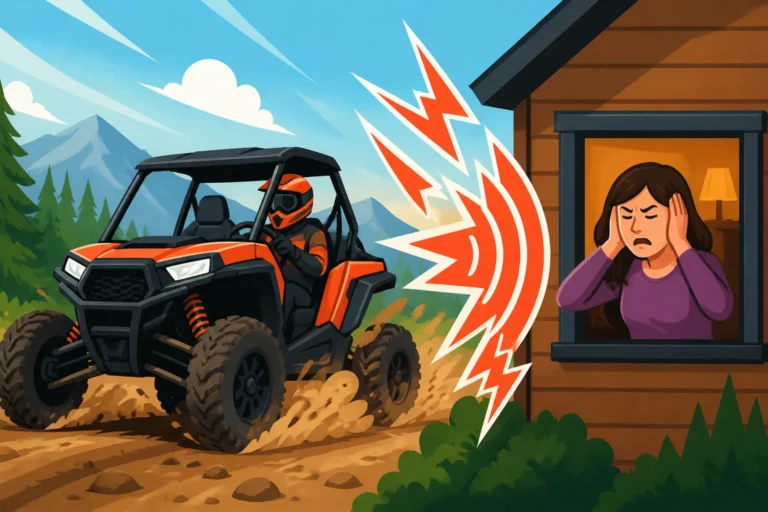
One of the biggest concerns for residents in towns like Stanley is noise. While the roar of your engine might be thrilling on an open trail, it can be quite disruptive in a quiet mountain community. Keep your speed down, especially in residential areas, and be mindful of your exhaust noise. [Idaho Noise Rules Near Mountain Towns] are not just suggestions; they're often enforced. Many aftermarket exhaust systems are louder than stock, and while they might sound great to you, they can easily exceed local noise ordinances. A little courtesy goes a long way in ensuring OHV access remains welcome in town.
Think about it from a resident's perspective: they live there for the peace and quiet. Constant loud machines can quickly erode goodwill and lead to stricter regulations. By operating your OHV quietly and respectfully, you're not just avoiding a ticket; you're helping preserve future access for all riders.
Where to Find Current Information and Maps
Before you even load up your rig, make checking current conditions and regulations a priority. Things can change quickly in the mountains – roads might be temporarily closed due to fires, snow, or maintenance. The best sources for information include:
- USDA Forest Service Ranger Stations: The Sawtooth National Forest has ranger districts that are invaluable resources. They can provide detailed Motor Vehicle Use Maps (MVUMs), which are the official documents showing where OHVs are permitted. Always grab the most current version.
- City of Stanley Website or Offices: Check the official city resources for any specific local ordinances or temporary restrictions.
- Idaho Parks and Recreation (IDPR): IDPR oversees OHV registration and often has good general information about riding in the state. [Idaho Parks and Recreation Registration Phone Line] can connect you to staff who can answer many questions.
- Local Businesses: Powersports shops, outfitters, and even hotels in Stanley often have up-to-date local knowledge. They are usually more than happy to guide you.
Having current maps and knowing the rules before you arrive prevents wasted time, frustration, and potential fines. It also ensures you're riding legally and safely, maximizing your enjoyment of the stunning Stanley area.
Operating Under the Influence is Prohibited
Just like driving a car, operating an OHV on any public road or trail while under the influence of alcohol or drugs is strictly prohibited and carries severe penalties in Idaho. This isn't just about legality; it's about safety. The unpredictable terrain of trails combined with the presence of other vehicles and pedestrians on roads means that your full attention and clear judgment are paramount. [Idaho Alcohol Limits for OHV Operators] applies to OHVs just as it does to cars. Law enforcement patrols frequently, especially during busy seasons, and they are trained to spot impaired operators. Don't risk your life, the lives of others, or your riding privileges for a drink. Save the celebrating for after the ride.
The consequences of an OHV DUI can include significant fines, loss of driving privileges (for your car as well!), and even jail time. It's simply not worth the risk. Enjoy the breathtaking scenery of Stanley and the thrill of the ride with a clear head.
Here's a quick reference table outlining the differences between a basic trail setup and what you'd typically need for restricted road use:
| Feature | Standard Trail OHV Setup | Road-Legal (Restricted Use) OHV Setup |
|---|---|---|
| Idaho Registration | OHV Sticker (Annual) | OHV Sticker + Restricted Use Plate |
| Driver's License | Not always required (age-dependent) | Required |
| Insurance | Often optional (liability for road use is key) | Required (Liability for road use) |
| Headlights/Taillights | Factory (often minimal) | Fully functional, state-compliant |
| Brake Lights | Often integrated with taillight | Dedicated, clearly visible |
| Turn Signals | Not typically standard | Required (Amber/Red, F&R) |
| Mirrors | Optional | Required (At least one rearview) |
| Horn | Optional | Required (Audible) |
| Muffler/Arrester | Standard, but check for compliance | Must meet noise/spark arrester laws |
| Tires | Off-road specific | DOT-approved |
| Helmet (Under 18) | Required | Required |
This article is for general informational purposes only and does not constitute professional advice. Laws, prices and regulations vary by location and change over time. Consult a qualified professional for guidance on your specific situation.