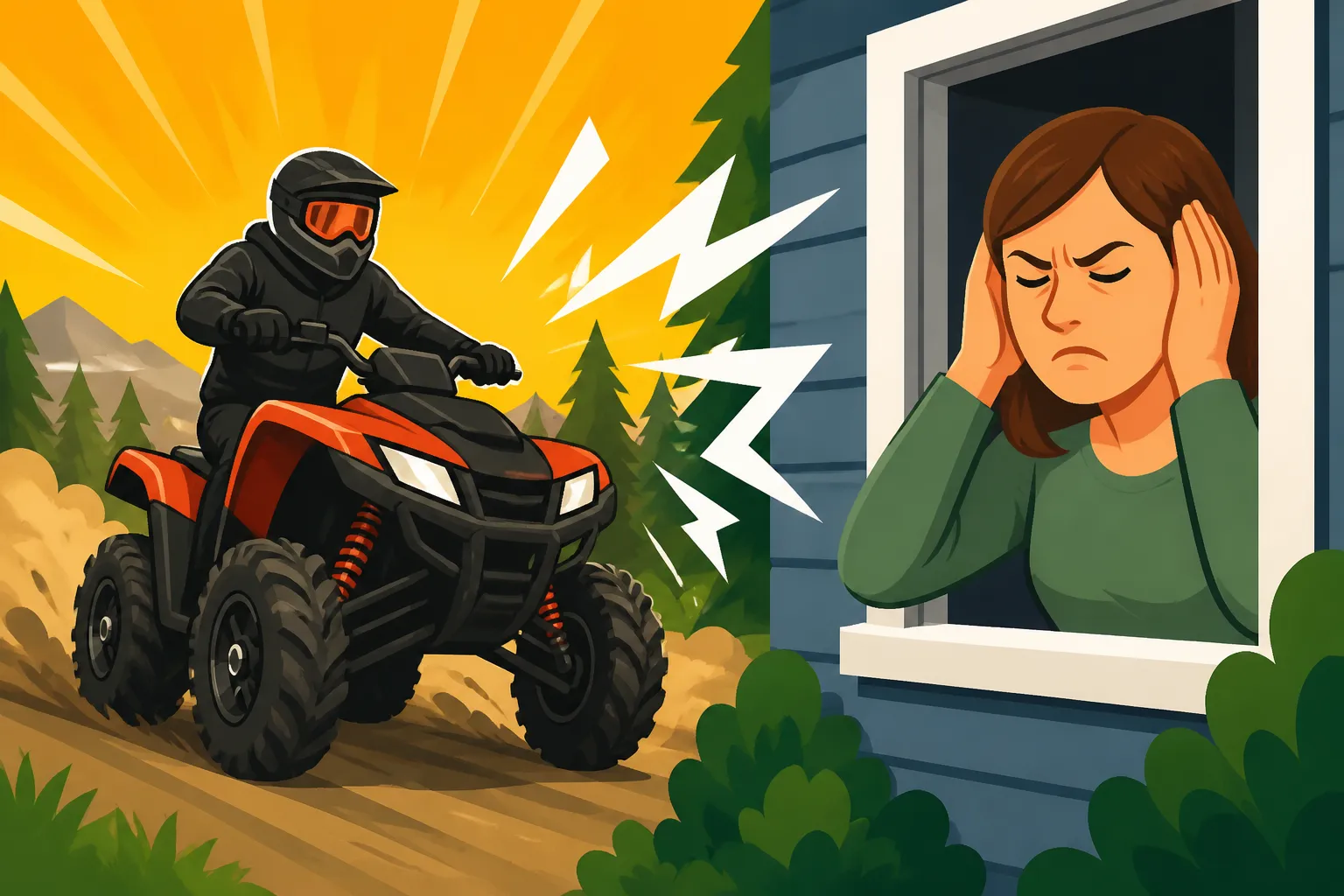
Neighborhood Noise Complaints About Quads
Few things can sour the relationship between an off-highway vehicle (OHV) enthusiast and their neighbors faster than persistent noise. Whether you're trying to enjoy a quiet evening at home and the rumble of a side-by-side vibrates through your walls, or you're the rider who just got a stern look (or worse, a formal complaint) for warming up your quad too early, neighborhood noise is a very real and frustrating issue in Idaho. This guide is here to walk you through Idaho's OHV noise landscape, helping both riders and residents understand the rules, prevent conflicts, and find peaceful resolutions when things get a little too loud.
Understanding Idaho's OHV Noise Regulations and Local Ordinances
When it comes to the rumble and roar of ATVs and UTVs, it’s not always as simple as "too loud" or "just right." There’s a layered system of rules and expectations at play in Idaho, from state guidelines that touch on equipment requirements to the often stricter ordinances set by individual cities and counties. Navigating this means understanding where the responsibility lies and what standards apply to your specific situation.
State-Level Noise Standards for OHVs
Idaho, like many states, has general nuisance laws that prohibit excessive noise, but when it comes to specific decibel limits for OHVs, it often defers to local jurisdictions or focuses on equipment standards. The state's primary concern for OHV noise on public lands or roads usually revolves around proper exhaust systems and spark arresters. These aren't just about preventing wildfires; they also play a significant role in mitigating noise.
For instance, state law generally requires that OHVs operating on public land or roads be equipped with a muffler that is in good working order and effectively prevents excessive or unusual noise. This means that gutting your exhaust system or running straight pipes is typically a no-go, and certainly won't endear you to your neighbors. Beyond just having a muffler, there are often requirements for a spark arrester, which is a device that prevents sparks from escaping the exhaust and igniting dry vegetation. While its primary function is fire prevention, a well-maintained spark arrester often contributes to a quieter exhaust note. You can dive deeper into what’s expected with [Idaho Muffler and Exhaust Noise Limits] and [Spark Arrester Rules on Idaho Public Land].
It's also worth noting that the state has regulations concerning [Aftermarket Exhaust and Where You Can Ride]. While many aftermarket components are designed for performance and durability, some can significantly increase the sound output of your machine. If you're a rider considering an exhaust upgrade, especially from a brand like SuperATV, it's crucial to look for options that are specifically designed to meet current noise standards or offer quiet core inserts. Choosing an aftermarket exhaust that drastically amplifies your machine's volume can lead to quick complaints and potential citations, even if you feel it's just part of the "off-road sound." The goal is always to balance performance with responsible operation, especially when your ride begins or ends near residential homes.
The Role of City and County Ordinances
While state law sets a baseline, the real teeth in noise enforcement often come from your local city and county governments. These entities have the authority to enact their own ordinances, which can be far more specific and restrictive than general state laws, particularly within residential zones. This is where you'll encounter things like "quiet hours" or specific decibel limits for noise emanating from private property.
Many cities, like those you might ride through such as [Riding Through McCall, Stanley and Salmon], have strict noise ordinances that apply to all vehicles, including OHVs, especially during certain times of the day or night. These ordinances are designed to protect residents from disturbances and can vary significantly from one jurisdiction to another. What's perfectly acceptable noise in a rural county during daylight hours might be a finable offense in a city neighborhood at 6 AM. This patchwork of rules can be confusing for riders who cross county or city lines, but ignorance of the law is rarely an excuse.
The best way to understand the specific rules that apply to your neighborhood is to check with your local city hall or county sheriff's office. Many municipalities publish their ordinances online, often under sections related to public peace, nuisance, or traffic. Knowing these local rules, which can include [Idaho City and County Ordinances That Close Roads], is critical for both residents trying to address a noise problem and riders hoping to avoid causing one. It's truly eye-opening to see how detailed some of these local codes can be, sometimes even specifying how far noise should travel or whether it's plainly audible from a certain distance. For a deeper dive, you might find more information on [Finding an Idaho County's OHV Ordinance].
Common Scenarios Leading to Neighborhood Noise Complaints
Noise complaints don't usually pop up out of nowhere; they're often the result of recurring situations that wear down a neighbor's patience. Understanding these common scenarios can help riders be more mindful and allow residents to articulate their concerns more clearly, leading to quicker resolutions. It’s rarely about a single instance, but rather a pattern of disturbance that creates tension.
Idling, Warm-Up, and Departure Racket
One of the most frequent causes of friction is the noise associated with starting up and preparing to ride, or returning home. Picture this: it’s 6:30 AM on a Saturday, and your neighbor decides it’s the perfect time to fire up their UTV, let it idle for ten minutes, and then rev the engine a few times before slowly driving away. To the rider, this might just be part of their routine – checking fluids, letting the engine reach operating temperature, or simply getting ready for an exciting day on the trails. To the neighbor trying to enjoy a peaceful morning coffee or catch a few more hours of sleep, it can sound like a prolonged assault on their tranquility, often feeling much louder and longer than it actually is.
The nature of OHV engines, especially those designed for power and off-road performance, means they can be quite loud, even at idle. Add in a cold start with a slightly richer fuel mixture, and the sound can carry a significant distance. While a rider might think they’re being quick, those few minutes can feel like an eternity to a neighbor who is trying to ignore the rumbling and popping. This is especially true for machines with aftermarket exhausts that, while perhaps offering performance gains, often sacrifice quiet operation. Companies like SuperATV, for example, offer a wide array of performance parts, and while they may be top-notch in quality, riders need to be aware of how their choices impact the overall sound profile, particularly when the machine will be started and stopped in close proximity to homes.
To mitigate this, riders can try a few things. If you have the space, consider pushing your machine further from your home and your neighbors’ houses before starting it. Aim for the quickest possible warm-up, avoiding excessive revving. If you know you'll be leaving very early or returning very late, a quick chat with your neighbors beforehand, just to give them a heads-up, can go a long way in managing expectations and preventing a complaint from escalating. Showing a little consideration can really pay off in community goodwill.
Recreational Riding Near Homes
Another common flashpoint arises when riders use areas in or around residential zones for recreational riding, rather than simply transiting to a designated trailhead. This can include anything from repeated laps around a large private property, doing donuts in a field adjacent to homes, or even using unpaved access roads or easements as personal play areas. While a property owner might feel they have every right to use their land as they see fit, the constant drone, dust, and repetition of OHV noise can be incredibly disruptive to surrounding neighbors, especially on weekends or during evenings when people are trying to relax outdoors.
The issue here often isn't just the volume, but the nature of the noise – it’s not just passing traffic, but a sustained presence. Imagine trying to read a book on your patio while a side-by-side repeatedly circles a nearby field, or having a family barbecue constantly interrupted by the sound of engines. This kind of persistent noise can feel like an invasion of privacy and a direct attack on a neighbor's quality of life. Even if the riding is happening on private land, such as [Riding a Family Ranch Without a Sticker], the noise doesn't stop at the property line, and that's where the problem arises. While you might not need an OHV sticker on your own property, you're certainly still subject to local noise ordinances.
It's vital for riders to distinguish between using their OHV for quick, necessary tasks or travel, and engaging in prolonged recreational use in noise-sensitive areas. If your goal is extended riding, seek out designated trails and riding areas, or properties far removed from residential housing. Even a casual spin around the block or a quick test ride can seem innocuous to the rider, but if it happens frequently or at inconvenient times, it quickly becomes a nuisance for others. Remember, the right to ride on your own property doesn't always supersede your neighbors' right to peace and quiet, and understanding [Do You Need a Sticker on Private Land in Idaho?] doesn't excuse you from being a good neighbor.
Aftermarket Exhaust and Engine Modifications
The lure of enhanced performance and a distinct sound is strong for many OHV owners, leading them to explore aftermarket exhaust systems and other engine modifications. Brands like SuperATV offer a vast selection of parts designed to boost horsepower, improve torque, or give your machine a more aggressive growl. For some riders, this is a core part of the OHV experience. However, this pursuit of performance can often come at the expense of quiet operation, making these modified machines a prime suspect in neighborhood noise complaints.
While a stock exhaust system is designed by the manufacturer to meet a balance of performance, emissions, and noise regulations, many aftermarket systems prioritize performance, which frequently translates to a louder output. Even if an aftermarket exhaust is technically legal and includes a spark arrester, its increased volume can still be perceived as "excessive" by neighbors, leading to significant friction. The difference in sound can be dramatic, transforming a relatively subdued rumble into a piercing roar, especially under acceleration. When considering upgrades, riders should research not only the performance benefits but also the decibel ratings and how they compare to stock.
It's not just the exhaust that can contribute to noise; other engine modifications or even worn-out components can exacerbate the issue. Loose heat shields, worn bearings, or rattling body panels can add to the overall cacophony, making an already loud machine even more irritating. For riders who value community relations, choosing performance parts, even from reputable companies like SuperATV, means carefully considering the noise implications. Opting for "quiet core" inserts or designs that specifically address sound reduction, especially if you regularly operate near homes, can be a proactive step. Ultimately, a rider must weigh the desire for performance against the responsibility of being a respectful neighbor, particularly if their routes involve [Riding Home From the Trailhead at Dusk].
Strategies for Preventing and Resolving Noise Issues
No one wants to be the "bad neighbor," whether they're the one making the noise or the one suffering from it. The good news is that many noise complaints can be prevented or resolved through thoughtful action and open communication. It’s often about creating a shared understanding and demonstrating respect for each other’s right to enjoy their property.
Proactive Steps for OHV Owners
As an OHV owner, being proactive about noise can save you a lot of headaches (and potentially fines). The first and perhaps most crucial step is simply being mindful of when and how you operate your machine near residential areas. This means avoiding early morning starts or late-night returns whenever possible. If you must leave before the sun is up, consider pushing your machine a hundred feet down the road before firing it up, or quickly getting underway rather than letting it idle for extended periods. Every small consideration can contribute to a better relationship with your neighbors.
Maintaining your machine is another critical step. A rattling exhaust pipe, a loose skid plate, or an engine that’s not running smoothly can all contribute to excessive noise that’s easily preventable. Regular maintenance ensures your muffler is in good working order and that no loose components are adding unnecessary clatter. Also, stick to stock exhaust systems if noise is a concern, or carefully research aftermarket options to ensure they meet or exceed state and local noise standards. While some performance parts, like those offered by SuperATV, are excellent for off-road use, not all are designed for quiet neighborhood operation. Always check the specifications and consider noise reduction inserts if available.
Finally, and this might sound old-fashioned, talk to your neighbors. A simple conversation, even before you hear a complaint, can go a long way. Let them know you own an OHV and you're committed to being a good neighbor. Ask if specific times are particularly sensitive for them, or if there's anything you can do to minimize disturbance. You'd be surprised how much goodwill a friendly chat can build. Demonstrating that you care about their peace and quiet, especially when [Riding Slowly Past Roadside Homes], can prevent minor annoyances from escalating into official complaints. For more specific guidance, check out tips on managing [Noise Complaints From a Neighboring Cabin].
How to Handle a Complaint (Both Sides)
When a noise complaint does arise, how it's handled can make all the difference. For the neighbor experiencing the issue, the first step should always be polite, direct communication with the OHV owner. Often, the rider isn't even aware they're causing a problem. Approaching them calmly, explaining the specific issue (e.g., "The noise from your UTV at 6 AM has been waking my kids up"), and suggesting a solution (e.g., "Would you mind starting it a bit later or pushing it further down the driveway?") can resolve things quickly. Documenting the incidents – times, dates, duration, and the specific type of machine – can be helpful if the problem persists and you need to involve authorities. If direct communication fails, or if you feel uncomfortable, contacting your local law enforcement's non-emergency line is the next step, rather than confronting the rider aggressively.
For the OHV owner who receives a complaint, the most important thing is to listen. It's natural to get defensive, especially if you feel you're not doing anything wrong, but resisting that urge is crucial. Acknowledge their concern and ask for specifics. Avoid making excuses; instead, focus on finding a solution. Perhaps you can adjust your start times, modify your route, or even invest in a quieter exhaust system. Remember, their perception of noise might differ from yours, and their peace is just as valid as your enjoyment of your machine. Even if you've invested in quality parts from SuperATV, their quietness in a trail setting might not translate to a residential area.
If law enforcement becomes involved, cooperate fully. They are there to mediate and enforce local ordinances. Ignoring a deputy or refusing to discuss the issue can escalate the situation quickly. They might issue a warning, especially for a first offense, or they could issue a citation if a clear violation of a local ordinance has occurred. Understanding the process can help, and for insights into what to expect from law enforcement, you might find [Sheriff Enforcement on Idaho Back Roads] or [Idaho Fines for Illegal Road Riding] useful. The goal for both parties should be a mutually respectful resolution, protecting both the right to ride and the right to quiet enjoyment of one's home. Continued problems might lead to serious consequences, including [Reporting an OHV Trespass] if boundaries are crossed.
Resources and Enforcement for Noise Violations
When informal discussions and proactive measures aren't enough, it's important to understand the formal channels available for addressing and enforcing noise violations related to OHVs in Idaho neighborhoods. Knowing who to contact and what the potential outcomes are can help both residents seeking relief and riders facing penalties.
Who to Contact and What to Expect
If you're a resident experiencing persistent OHV noise in your neighborhood, your primary contact will typically be your local law enforcement agency. This means your city police department if you live within city limits, or the county sheriff's office if you're in an unincorporated area. It's crucial to use their non-emergency line unless the situation involves immediate danger or a clear violation of a reckless driving law. Calling 911 for a recurring noise issue is usually not appropriate.
When you contact law enforcement, be prepared to provide specific details: the address where the noise is originating, the type of machine, the times of day the noise occurs, and how long it typically lasts. The officer who responds will likely investigate by observing the noise themselves. They might speak with the OHV owner, inform them of the complaint, and explain the relevant local noise ordinances. Often, a friendly warning from a deputy can be enough to resolve the issue, as many riders simply aren't aware their activities are causing a nuisance. For insights into what officers might ask for, consider [What an Idaho Deputy Asks a Rider For].
It's important to understand that Idaho Parks and Recreation (IDPR) primarily manages OHV registration, stickers, and trail systems on public lands, as outlined by [Idaho Parks and Recreation Registration Phone Line]. While they enforce rules regarding spark arresters and proper equipment on trails, they typically do not handle residential noise complaints; that falls to local law enforcement, who enforce city and county ordinances. If the problem continues after an initial warning, subsequent complaints may lead to a citation and fine. This is why clear documentation of incidents, as mentioned earlier, can be so valuable in demonstrating a pattern of disturbance.
Penalties and Long-Term Consequences
The penalties for OHV noise violations can vary widely depending on the specific local ordinance, the severity of the noise, and whether it's a first offense or a repeat issue. Minor infractions might result in a verbal warning, but repeated or egregious violations can lead to significant fines. These fines are often set by municipal or county codes, and they can certainly add up, especially if an OHV owner continues to disregard the rules. For a sense of general violation costs, you could look at [Idaho OHV Ticket Costs by Violation], but keep in mind that local noise fines might differ.
Beyond direct financial penalties, there are broader consequences that can impact the entire OHV community. A consistent pattern of neighborhood noise complaints can lead to increased scrutiny from local governments. This might manifest as stricter enforcement, the enactment of new, more restrictive noise ordinances, or even the closure of local roads or access points to trails. When a few inconsiderate riders create a widespread nuisance, it often leads to restrictions that affect all riders, even those who are always respectful and responsible. Information on how local authorities can close areas is relevant, for example, [How an Idaho County Closes a Road to OHVs].
Ultimately, chronic noise complaints chip away at the public's perception of OHV riding as a responsible recreational activity. It creates a negative image that can make it harder for clubs to advocate for new trails or maintain existing access. For an OHV owner, repeated citations can even lead to more serious legal troubles or, in some cases, the loss of riding privileges if they accumulate enough infractions. While nobody wants to face these consequences, understanding them highlights the importance of being a good neighbor and respecting the peace and quiet of residential areas. Avoiding these issues means riders need to be proactive and responsible, considering the impact of their machines, even high-performance ones with SuperATV upgrades, on those around them.
Noise Complaint Scenarios and Solutions
| Scenario | Common Neighbor Frustration | Rider's Mindset/Action | Potential Solutions for Riders |
|---|---|---|---|
| Early Morning/Late Night Starts | Wakes up family, disrupts sleep, feels disrespectful. | Just warming up, need to get going for a long ride. | Push machine further from homes, minimize idle time, communicate with neighbors about schedule. |
| Recreational Riding Near Homes | Persistent, repetitive drone; dust; disrupts outdoor peace. | My property, my right to ride; quick fun lap. | Ride only when necessary for access, seek designated riding areas away from residences for recreation. |
| Loud Aftermarket Exhaust | Excessive roar, piercing sound, rattles windows. | Boosts performance, sounds cool, "it's legal." | Research quiet-core inserts, choose quieter aftermarket options (e.g., from SuperATV), use stock exhaust in residential areas. |
| Rattling/Poorly Maintained Machine | Clanking, squealing, not just engine noise. | Minor issue, I'll fix it later. | Regular maintenance, tighten loose parts, ensure muffler is in good repair. |
| High-Speed/Reckless Riding in Neighborhood | Danger to kids/pets, excessive noise from acceleration/braking. | Just a quick burst, showing off. | Stick to posted speed limits, drive responsibly and quietly, avoid sudden acceleration. |
Disclaimer
This article is for general informational purposes only and does not constitute professional advice. Laws, prices and regulations vary by location and change over time. Consult a qualified professional for guidance on your specific situation.