Reporting an OHV Trespass
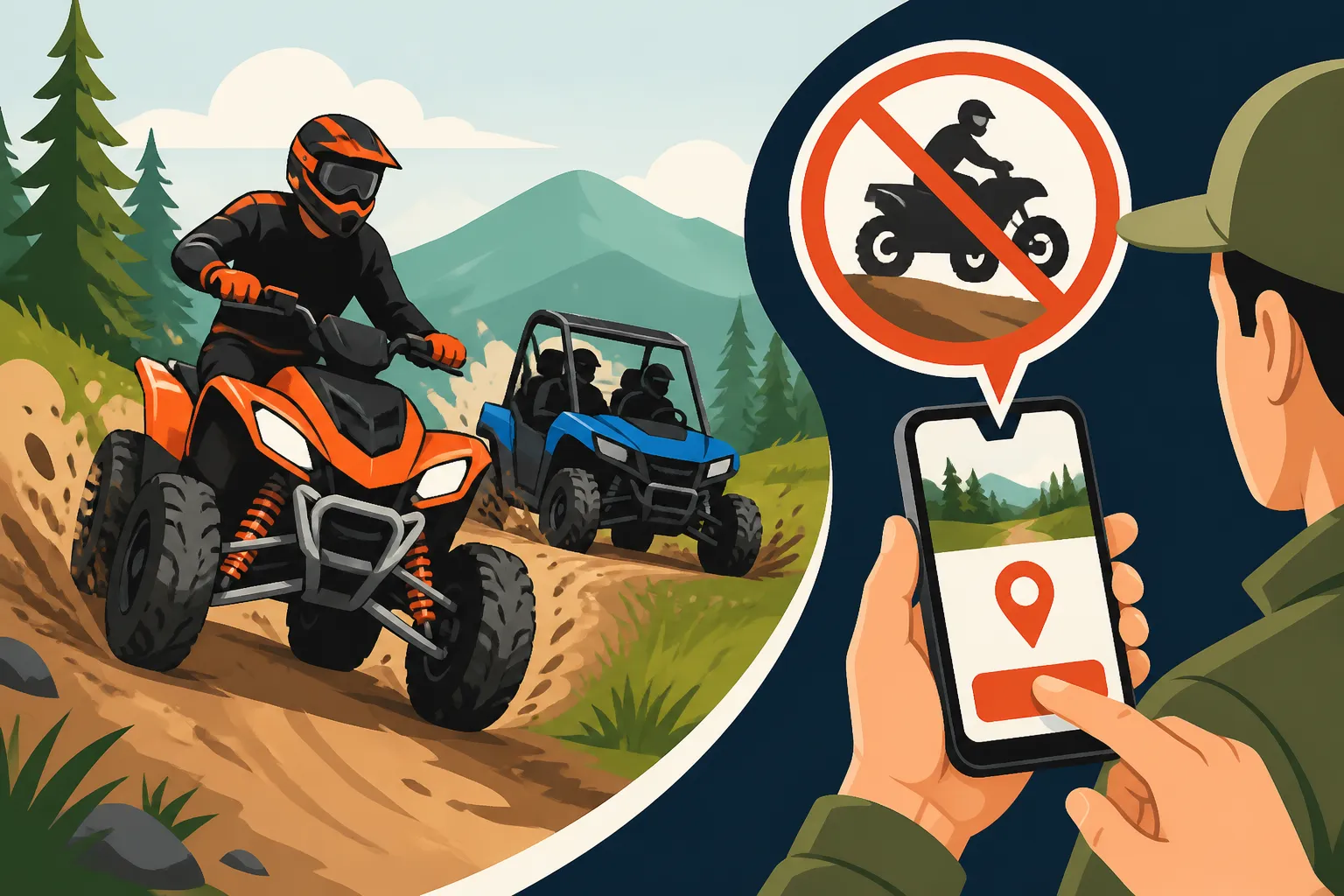
It's incredibly frustrating and unsettling to discover someone riding their ATV or UTV on your private land without permission. You've worked hard for your property, and seeing tire tracks where they shouldn't be, or hearing engines roaring when you expect peace and quiet, can make your blood boil. This comprehensive guide will walk you through the proper steps to take when an off-highway vehicle (OHV) trespass occurs on your Idaho property, helping you understand your rights and how to effectively report these incidents to protect your land and peace of mind.
Understanding What Constitutes Trespass in Idaho
Before you pick up the phone, it’s helpful to have a clear understanding of what "trespass" truly means in the eyes of Idaho law, especially when it involves OHVs. This clarity will not only help you articulate your situation to law enforcement but also solidify your own position as a landowner.
Defining Private Land and Public Access
Idaho is a state rich with vast public lands, but it's crucial to distinguish these from private property. Your land, whether it's a small acreage near town or a sprawling ranch in the backcountry, is yours. This means you have the right to exclude others, including those on ATVs and UTVs, unless you’ve granted them specific permission or there's a legally established easement. Sometimes, what looks like a trail might actually be a property line, or a rider might mistakenly assume access based on an old track. It's not always malicious intent, but it's still your property.
Easements are a common point of confusion. These are legal rights for someone else to use a portion of your land for a specific purpose, like a utility company accessing power lines or a neighbor having a right-of-way to their property. However, an easement for one purpose does not grant general recreational access. A utility easement across your back forty doesn't mean it's open for joyriding. The onus is often on the rider to know where they are, but as a landowner, clearly marking your boundaries is your first line of defense against unwitting trespassers. [Riding Posted Ground in Idaho] delves deeper into the specifics of landowner rights.
Identifying the OHV and Rider
When you spot an OHV trespassing, your mind might race, but gathering specific details is paramount for law enforcement. The more information you can provide, the better their chances of identifying the individual or vehicle. Think like a detective: what color is the machine? Is it a quad, a two-seat side-by-side, or a four-seat model? What's the make and approximate model? Did it have any unique features, like a distinctive roll cage, a particular set of tires, or a custom SuperATV bumper or lift kit that stands out?
Beyond the machine itself, try to observe the rider. Are they wearing a helmet, and what color is it? Can you tell their approximate age, gender, or any distinguishing clothing? While getting too close is never advised, a quick mental snapshot or even a discreet photograph from a safe distance can provide invaluable clues. Make sure to note the direction they were heading and if they were alone or in a group. This information forms the backbone of your report and gives deputies a starting point for their investigation.
The Legal Framework: Idaho's Trespass Laws
Idaho law takes trespassing seriously, and motor vehicles on private property without permission are explicitly covered. Generally, a person commits criminal trespass if they enter or remain on private land without permission after being notified that entry is forbidden. This notification can be explicit (you told them directly) or implicit, such as clearly posted "No Trespassing" signs. [Idaho Trespass Law for Riders] provides a comprehensive overview of the statutes.
For OHVs, the presence of these machines can often cause greater damage than someone simply walking across property. Ruts in fields, erosion on hillsides, or disturbance of livestock are common concerns. While civil trespass might allow you to pursue damages in court, criminal trespass involves law enforcement and potential fines or even arrest for the offender. The key takeaway here is that you have legal standing, and knowing this can empower you as you prepare to report an incident.
Steps to Take When You Witness Trespassing
It’s one thing to know the law, and another to react effectively in the moment. When you see an OHV on your land where it shouldn't be, your actions immediately following the sighting can make all the difference in the outcome of your report.
Prioritizing Your Safety and Gathering Evidence
Your absolute top priority must be your personal safety. Never confront trespassers directly. You don't know their intentions, their temperament, or if they are armed. A confrontation can quickly escalate into a dangerous situation. It's simply not worth the risk. Instead, retreat to a safe location, observe from a distance, and prepare to collect information.
The best evidence you can gather is often photographic or video documentation. Most smartphones have excellent cameras capable of capturing clear images and videos, often with date and time stamps built-in. If you can do so safely and discreetly, take pictures or video of the OHV, the rider, and any distinguishing features. Focus on details like the make and model, any visible numbers like an OHV sticker or restricted plate, unique colors, or specific accessories. For instance, if you spot a side-by-side with oversized tires and a custom SuperATV lift, that's a very specific detail that can help identify the machine later. Also, document any damage the machine might be causing, such as new ruts in a field or disturbed wildlife. Even a shaky video is better than no visual evidence at all.
Consider hypothetical scenarios: If you're looking out your kitchen window and see a single quad tearing across your lower pasture, you have the luxury of observing from a safe, hidden vantage point. Snap photos, zoom in if you can, and note everything. However, if you're out on your back forty and suddenly encounter a group of side-by-sides, your priority shifts to safely disengaging without drawing attention, then gathering what information you can from a distance after they've passed.
Here's a quick reference for what to note:
| Detail Category | Specific Information to Note |
|---|---|
| Vehicle Type | ATV (quad), UTV (side-by-side), dirt bike |
| Vehicle Make/Model | Polaris RZR, Can-Am Maverick, Honda Foreman, etc. |
| Vehicle Color | Primary and secondary colors, any distinct graphics |
| Identifying Marks | OHV sticker number, restricted plate number (e.g., R12345), unique decals, custom modifications (e.g., SuperATV A-arms) |
| Rider Description | Number of riders, approximate age, gender, helmet color/type, clothing, any visible distinguishing features |
| Time & Location | Exact time of sighting, specific location on your property |
| Direction of Travel | Where they came from and where they were going |
| Evidence of Damage | New ruts, broken fences, disturbed animals, litter |
Contacting Law Enforcement
Once you've safely gathered as much information as possible, it's time to contact law enforcement. For immediate trespass in progress, especially if you feel unsafe or there's potential for damage, you should call the non-emergency dispatch number for your local Sheriff's Office or city police department. In some very urgent situations where there might be a direct threat or imminent danger, 911 might be appropriate, but generally, the non-emergency line is preferred for property trespass.
Clearly state that you are reporting an OHV trespass on your private property. Provide all the details you've collected: the time and location of the incident, a description of the vehicles and riders, the direction of travel, and any visual evidence you have. Be calm, factual, and avoid emotional language. Explain that you did not confront the individuals due to safety concerns. [Sheriff Enforcement on Idaho Back Roads] explains how local deputies are often the ones patrolling rural areas and are best equipped to handle these situations.
What to Expect After Reporting
After you've made your report, the response time from law enforcement can vary widely depending on their current call volume, the severity of your report, and the location of your property. In rural areas, deputies might be covering vast distances. Don't be discouraged if they can't respond immediately. They will log your report and dispatch an officer as soon as practical.
When an officer arrives, they will likely want to interview you, review any evidence you collected, and possibly visit the exact location of the trespass. They may look for tracks, signs of entry, or other clues. If the trespassers are still in the area or located shortly after, the officers will confront them. Outcomes can range from a verbal warning to a citation, and in more egregious cases, an arrest. They may also document any damage caused, which could be relevant if you choose to pursue civil action later. Your cooperation throughout this process is crucial for a successful resolution.
Preventing Future Trespassing on Your Idaho Property
While reporting trespass is necessary, prevention is often the best long-term strategy. Making your property clearly identifiable as private and difficult to access can significantly reduce incidents of unauthorized OHV use.
Effective Signage and Boundary Marking
Clear, visible "No Trespassing" signs are your first and most effective deterrent. These signs serve as legal notice, solidifying the "forbidden entry" aspect of Idaho's trespass laws. Don't just put up one sign; strategically place them at all common entry points, property corners, and along any areas where trails or roads might tempt riders to cut across your land. The signs should be durable, weatherproof, and large enough to be easily read by someone on a moving OHV.
Consider using specific wording like "Private Property – No Motorized Vehicles" or "No Trespassing – Violators Will Be Prosecuted." You might even consider numbering your signs and taking a photo of each in place, for your records. In addition to signs, clearly marking your property lines with paint on trees or posts, or with visible markers, helps eliminate any ambiguity. These clear boundary indicators, perhaps even sturdy posts with SuperATV trail markers, leave no room for excuses and make it much harder for someone to claim they didn't know they were on private land.
Physical Deterrents and Access Control
Sometimes, signs aren't enough, especially if a well-worn path or old logging road makes your property look like an open invitation. Physical barriers can be very effective. Consider installing gates or chains across common access points. If a gate isn't practical, strategically placing large rocks, logs, or even earth berms can block vehicle access while still allowing you and your authorized visitors to pass. The goal is to make it clear that vehicular access is restricted.
Trail cameras, often called game cameras, are another excellent deterrent and evidence-gathering tool. Placed discreetly, these cameras can capture images or video of trespassers, often with time and date stamps, without you needing to be present. The very presence of such a camera, even if not immediately obvious, can make potential trespassers think twice. Just make sure they are placed within your property boundaries.
Community Awareness and Local Resources
Building relationships with your neighbors and staying informed about local OHV activity can be surprisingly effective. Discuss shared concerns with neighbors; perhaps they've experienced similar issues, and a coordinated effort can be more impactful. Sometimes, a known problem area can become a focus for local law enforcement patrols.
Connecting with reputable local OHV clubs can also be beneficial. Many clubs actively promote responsible riding, trail ethics, and respect for private property. They might even have educational materials or community outreach programs that emphasize knowing where you ride. While some riders might push boundaries, many who invest heavily in their machines, perhaps with aftermarket parts or full SuperATV upgrades, are generally committed to preserving access and wouldn't risk hefty fines or damage to their reputation by trespassing. These groups can sometimes help disseminate information about newly posted land or areas where trespass has become a problem.
What if it's Not Just a Simple Trespass?
While many trespass incidents might be a one-time occurrence, sometimes the problem can escalate or involve more serious issues like damage or repeat offenses. Knowing how to handle these situations is crucial for protecting your property long-term.
Dealing with Repeated Offenders or Vandalism
If you're dealing with trespassers who continually return to your property despite your efforts, or if they are causing deliberate damage or vandalism, it's time to escalate your efforts with law enforcement. Each subsequent trespass is generally viewed more seriously than the first, especially if you have an active police report. Keep meticulous records of every incident: dates, times, descriptions, and any new evidence.
When you report a repeat offender, emphasize this to the dispatch or officer. This history can elevate the priority of your call and may lead to more direct intervention, such as increased patrols in your area, or even a targeted investigation if law enforcement has leads on the individuals. Dealing with repeated incidents can be incredibly taxing on a landowner, impacting your sense of security and enjoyment of your property. Knowing [Idaho Penalties for a Missing Restricted Plate] or [Fines for an Unstickered Machine in Idaho] can help you understand the potential consequences for these repeat offenders, which may incentivize law enforcement to act.
Damage to Property or Environment
OHVs, especially heavier side-by-sides, can cause significant damage to soft ground, fencing, crops, or fragile natural habitats. Deep ruts can lead to erosion, impact water quality, and harm agricultural productivity. If trespassers have caused damage, document it thoroughly with photos and video, just as you would the trespass itself. Note the extent of the damage, its location, and estimate any costs for repair.
This evidence of damage is crucial for law enforcement and can strengthen your case. In some instances, depending on the severity and intent, trespassers could face additional charges for property damage or environmental violations. Beyond criminal charges, you might also have grounds to pursue civil damages to recover the costs of repairing your property. While this guide cannot offer legal advice, consulting with an attorney about civil remedies for significant damage is an option to consider.
Understanding Idaho's Recreational Use Statute
As a landowner, you might worry about liability if someone, even a trespasser, gets hurt on your property. Idaho has a Recreational Use Statute that generally provides some protection to landowners who open their land to the public for recreational purposes without charge. The intent of this law is to encourage landowners to allow public access by limiting their liability for injuries that might occur.
However, it's important to understand that this statute isn't a blanket protection. It typically applies when land is open for recreational use. While it can offer some defense even against trespassers, you shouldn't rely solely on it. It doesn't absolve you of all responsibility, especially if you create a dangerous condition or act with malicious intent. This is why clearly posting "No Trespassing" signs and physically deterring access is so important: it demonstrates you are not inviting recreational use, which can further clarify your position in any liability scenario. Always refer to current legal counsel for advice on your specific situation.
Disclaimer
This article is for general informational purposes only and does not constitute professional advice. Laws, prices and regulations vary by location and change over time. Consult a qualified professional for guidance on your specific situation.