Loading a Machine on a Narrow Roadside
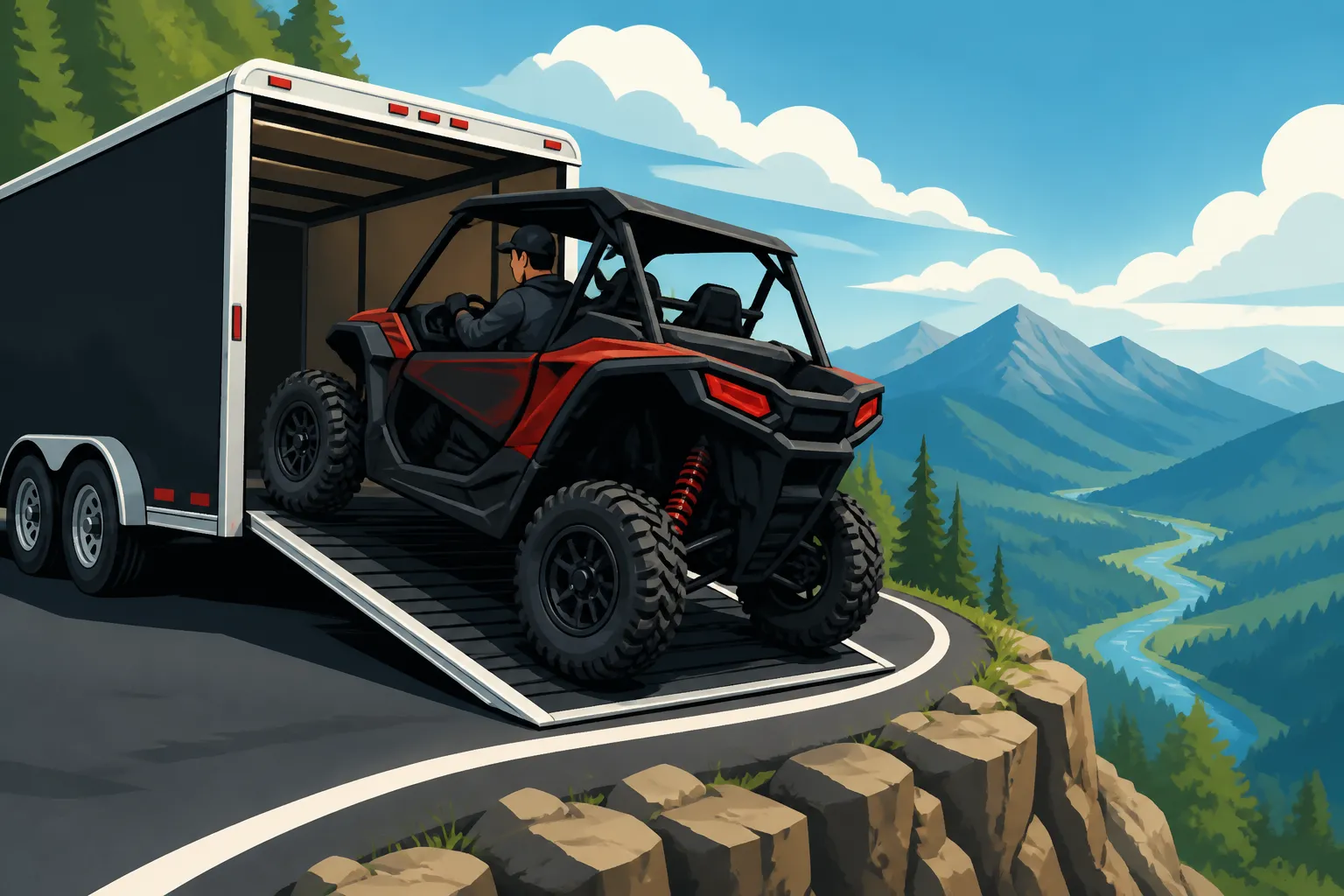
It's a familiar scenario for anyone who loves exploring the vast trail networks and remote byways of Idaho: you've found the perfect trailhead, maybe a hidden gem for some elk hunting or a lesser-known access point to a beautiful section of forest, only to realize that the "staging area" is little more than a dusty pull-off or a narrow shoulder beside a winding mountain road. Loading your ATV or side-by-side onto your trailer in these tight, often high-traffic, conditions can be incredibly stressful and downright dangerous if not approached with extreme caution. This guide is all about navigating those tricky roadside loading situations safely and efficiently, ensuring your adventures start and end without a hitch.
The Realities of Loading on Idaho's Narrow Roadside
Idaho's natural beauty often comes with the trade-off of limited infrastructure. Unlike purpose-built recreational areas, many of the most captivating riding spots, fishing holes, or hunting zones are accessed via less-traveled, often narrow, county or forest roads. This means that pulling off to load or unload your machine frequently puts you in a vulnerable position.
Why Narrow Roadsides Are So Common for Idaho Riders
Think about the character of Idaho's backcountry. You've got winding two-lane roads that hug river canyons, old logging roads that become designated OHV routes, and vast tracts of national forest land where access is often granted by simple gravel turnouts. These aren't your expansive gravel parking lots. Riders often seek out these less developed access points precisely because they lead to more remote, less crowded trails. Whether you're heading to the [Magruder Corridor and Idaho Backcountry] or accessing a quiet spot in the [Boise National Forest Trail Access], you’re likely to encounter pull-offs that feel just a little too small for your truck and trailer, let alone for safely maneuvering an ATV or UTV. This reality means that learning how to manage roadside loading isn't just a convenience; it's a critical skill for any Idaho enthusiast.
The Hidden Dangers of Roadside Loading
It's easy to focus on the obvious danger of passing vehicles, but loading on a narrow roadside presents a myriad of other, less apparent, risks. The ground itself might be uneven, sloping sharply towards a ditch, or have a soft, unstable shoulder that could cause your truck or trailer to sink. Ramp slippage is a major concern, especially on gravel or dusty surfaces where traction is compromised. Compounding these physical hazards is the psychological pressure of knowing you're obstructing traffic or that other drivers might be impatient. This pressure can lead to rushed decisions, which are often unsafe decisions. Beyond direct traffic collisions, you risk:
- Ramp Failure: A ramp that shifts or collapses due to poor setup or unstable ground.
- Machine Roll-Off: An ATV or UTV rolling off the side of the trailer during loading if not properly guided or if the trailer isn't perfectly level.
- Personal Injury: Slips, falls, or being struck by moving parts during the loading process.
- Damaging Your Equipment: Scrapes, dents, or more serious damage to your machine, trailer, or tow vehicle if things go wrong.
It’s crucial to understand these risks thoroughly so you can mitigate them effectively, rather than just hoping for the best.
Essential Safety Protocols Before You Even Unhitch
Before you even think about dropping your tailgate or pulling out your ramps, a few crucial steps can drastically improve safety for everyone involved. Planning ahead and taking a moment to assess the situation can prevent a stressful situation from becoming a dangerous one.
Maximizing Visibility and Alerting Others
Visibility is your best friend when you're stopped on a narrow road. As soon as you pull over, engage your hazard lights. If you're going to be stopped for more than a few minutes, or if visibility is poor due to weather, curves, or hills, consider deploying reflective triangles or flares behind your trailer. Think about wearing a high-visibility vest, especially if it's dusk, dawn, or an overcast day. This simple step can make you much more noticeable to approaching traffic. If you're riding with a group, have one person act as a dedicated spotter, watching for oncoming vehicles and signaling to the person loading. Communication is key, whether it's hand signals or walkie-talkies. Remember, drivers often don't expect a stopped vehicle with a trailer on these types of roads, so you need to over-communicate your presence.
Personal Safety Gear and Pre-Loading Checks
Your personal safety is paramount. Always wear sturdy, closed-toe boots with good traction when handling ramps and loading machines. Gloves can protect your hands from scrapes and pinches. Before any loading begins, conduct a quick safety check:
- Ramps: Are they clean and free of mud or ice that could cause slippage? Are they rated for the weight of your machine? Are they properly secured to the trailer or truck bed to prevent them from kicking out? Many riders invest in high-quality aluminum ramps, like those from SuperATV, known for their grip and stability.
- Trailer: Are the trailer tires chocked securely? This prevents any unexpected movement of the trailer, which could destabilize your ramps or machine during loading. Is your trailer hitched securely to your tow vehicle?
- Machine: Is the ATV or UTV in good working order? Are the tires properly inflated? A flat or soft tire can make loading unpredictable and dangerous.
Taking these few extra moments for a thorough check can literally save you from a major incident. It's also a good habit to ensure you have all your [Keeping Paperwork on the Machine] organized, should a local authority inquire about your setup.
Strategic Positioning for Your Tow Rig and Trailer
The way you position your truck and trailer is perhaps the most critical factor in safe roadside loading. It’s not just about getting off the road; it’s about creating a safe, stable platform for the loading process while minimizing disruption to other traffic.
Finding the Safest Angle for Your Ramp
Your primary goal is to get your trailer as far off the main traveled portion of the road as possible. Look for wider shoulders, small pull-offs, or even slight embankments that could accommodate your rig. If the terrain allows, positioning your trailer with a slight downward slope can reduce the incline of your ramps, making loading easier and safer. However, always ensure your trailer is chocked once in position to prevent it from rolling. Sometimes, angling your trailer slightly away from the road, rather than parallel to it, can create more space for your ramps and machine, allowing you to use a wider section of the shoulder or a natural dip in the terrain. Be mindful of drainage culverts or soft spots in the shoulder; you don't want your tow vehicle or trailer getting stuck before you even get to ride!
Minimizing Obstruction and Maintaining Flow
Even if you’re pulled far off the road, your truck and trailer combination can be a significant obstruction. Try to park where approaching drivers have ample sight distance to see you, avoiding blind corners or the crests of hills. If the road is particularly narrow and busy, consider loading one machine at a time and then pulling forward slightly to a safer, wider spot to strap it down, rather than occupying the loading zone for an extended period. The goal is to minimize the time your ramps and machine are extending into or near the traffic lane. If you're loading multiple machines, a staggered approach might be necessary. Some riders choose to ride to a nearby, larger pull-off, if one exists just down the road, rather than tackling the most constricted spot right at the trailhead. This might add a few minutes to your journey but significantly reduces risk. Remember to be courteous to other drivers; they might be just as anxious about passing you safely as you are about loading your machine.
Table: Ideal vs. Narrow Roadside Loading Conditions
| Feature | Ideal Staging Area Conditions | Narrow Roadside Conditions | Safety Implication |
|---|---|---|---|
| Surface | Paved, level asphalt or compacted gravel | Uneven gravel, soft shoulder, sloping dirt, hidden obstacles | Risk of ramp slippage, vehicle instability, getting stuck |
| Space | Ample room for truck, trailer, and maneuvering | Confined, limited width, tight turn radius, close to traffic | Increased risk of collision, psychological pressure, difficult maneuvering |
| Visibility | Clear sight lines for all directions | Limited, blind curves, crests, dust, vegetation | Reduced reaction time for drivers, potential for unseen hazards |
| Traffic Flow | Dedicated loading lanes, low pedestrian traffic | Active vehicular traffic, potential for heavy usage | High risk of collision, need for spotters, quick operations |
| Preparation Time | Relaxed, allows thorough checks and setup | Rushed, pressure to clear the area quickly | Increased chance of overlooked safety steps, mistakes |
| Access/Egress | Easy entry and exit to main roads | Difficult entry/exit, often requires backing up | Risk of accidents during entry/exit, especially with large rigs |
Loading Techniques for Confined Spaces
Once your rig is strategically positioned and all safety checks are done, the actual loading process demands precision, control, and patience. Rushing through this stage is a recipe for disaster.
The Controlled Approach: Slow and Steady Wins the Race
This is not the time for speed. Whether you’re driving a quad or a side-by-side, engage low range (if your machine has it) and 4WD. This provides maximum torque and control at very low speeds. Use an extremely light touch on the throttle and be ready to brake instantly. If possible, have your spotter guide you up the ramps, communicating clearly about ramp alignment, trailer position, and any obstacles. When loading a UTV, ensure all passengers are out of the vehicle and away from the loading area. Maintain a steady, straight line up the ramps. If you find yourself veering, stop, back down slowly, and realign. Never try to correct a severe angle mid-ramp; it’s far safer to restart. For particularly steep ramps or soft ground, some riders even use a winch to pull their machine onto the trailer, especially if they have a robust SuperATV winch kit installed. This eliminates the risk of throttle control issues and ensures a smooth, consistent pull.
Securing Your Machine for the Haul
The moment your ATV or UTV is on the trailer, engage its parking brake. Before you move the tow vehicle, immediately begin securing the machine. This prevents any accidental rolling off the trailer, especially if you need to reposition your truck or move to a safer spot for full strapping. Use high-quality, heavy-duty ratchet straps. Connect them to strong points on your machine’s frame and your trailer’s anchor points. The key is to compress the suspension slightly; this prevents the machine from bouncing and shifting during transit, which can loosen straps and lead to instability. Typically, you want at least four securement points – one at each corner – pulling inwards and downwards. Once you've secured everything, do a final walk-around to ensure no straps are rubbing on brake lines or fuel lines. After driving a short distance (5-10 miles), pull over at the next safe opportunity and re-check all your straps. They often loosen slightly as the machine settles into its compressed position. This crucial step, often overlooked, is vital for safe hauling, especially when navigating Idaho’s winding mountain roads where you might be [Strapping a Machine Down for a Mountain Highway].
Disclaimer
This article is for general informational purposes only and does not constitute professional advice. Laws, prices and regulations vary by location and change over time. Consult a qualified professional for guidance on your specific situation.