Visibility Flags on a Road Section
Riding your ATV or UTV on Idaho's diverse road sections can be an exhilarating experience, offering unparalleled access to stunning landscapes and connecting you to new trail systems. However, a constant worry for many riders, and a very real concern, is visibility—the feeling that larger vehicles just don't see you, especially on dusty roads or over blind crests. This guide will walk you through why visibility flags are not just a good idea, but a critical safety component for navigating Idaho's roads, helping you understand their role, what to look for, and how to maximize your presence to other drivers.
The Undeniable Need for Visibility Flags on Idaho Roads
Let's be honest, our beloved ATVs and UTVs, while capable and fun, are dwarfed by the trucks, SUVs, and even passenger cars that share Idaho's county and forest roads. This size disparity isn't just about presence; it creates serious visibility challenges that can put riders in precarious situations. Imagine cresting a blind hill on a dusty gravel road near McCall, or navigating a winding canyon road near Salmon. Your machine might be perfectly legal to be there, especially if you're rocking that restricted vehicle plate, but if an oncoming logging truck or even a family sedan doesn't see you until it's too late, legality quickly becomes irrelevant.
This isn't to say Idaho drivers are negligent; it's simply a matter of physics and perspective. A full-size vehicle's windshield is often higher than the top of many quads, making a rider or even a side-by-side's roll cage disappear into their blind spots, particularly when you're close or on uneven terrain. Dust, a common companion on many Idaho backroads, only exacerbates this issue, creating plumes that can totally obscure your machine from view. Add in the sun in the wrong spot, or shadows from towering pines, and suddenly you're not just small, you're practically invisible. This is precisely where a visibility flag becomes your non-negotiable ally, literally raising your profile above the fray.
The frustration of feeling unseen is legitimate. We've all had those moments where a vehicle seems to appear out of nowhere, or passes too close, making your heart pound a little faster. It’s not just about avoiding a collision; it's about reducing stress and making every road section of your ride more enjoyable and less nerve-wracking. A flag, waving high above your machine, acts as an early warning system for other drivers, giving them precious extra seconds to register your presence and adjust their driving, whether that means slowing down, moving over, or simply being more attentive as they approach.
Idaho's Stance on Visibility: What the Law Says and Best Practices
When it comes to specific legal mandates for visibility flags on ATVs and UTVs on Idaho roads, the rules can sometimes feel a little less clear-cut than, say, needing a restricted plate or a current OHV sticker. Unlike dune riding areas which often have strict flag requirements, general Idaho law doesn't explicitly mandate a flag for every single off-highway vehicle (OHV) on every county or Forest Service road. However, just because something isn't explicitly required by law doesn't mean it isn't an essential part of responsible and safe riding. Think of it less as a legal burden and more as a personal safety imperative.
While you might not face a citation solely for a missing flag on a county road, you absolutely have a responsibility to operate your machine safely and in a manner that doesn't endanger yourself or others. Law enforcement, whether it's a local sheriff's deputy or a Forest Service ranger, always has the discretion to cite for unsafe operation if they perceive a lack of visibility contributed to a hazardous situation. Furthermore, if you're riding in areas like the St. Anthony Sand Dunes, a flag is unequivocally mandatory, and those rules often set a precedent for what's considered good practice elsewhere. When riding any road section, it's wise to review [What Idaho Requires Before You Ride a County Road] to ensure you meet all legal requirements.
Beyond specific mandates, the Idaho Department of Parks and Recreation (IDPR) and various land management agencies strongly advocate for practices that enhance OHV safety, and improved visibility is always at the top of that list. Many riders consider a tall, brightly colored flag a crucial component of their safety gear, especially when venturing onto shared road sections that connect trails or provide access to trailheads. It's a proactive step that demonstrates a commitment to safety and good stewardship, traits that are always appreciated by both fellow riders and other road users. Considering the varied terrain and traffic conditions across Idaho's numerous [Idaho Roads Open by Default to Restricted Vehicles], making yourself as visible as possible is simply common sense.
Choosing and Mounting Your Flag: More Than Just a Pole
Selecting the right visibility flag and mounting it correctly is more strategic than it might first appear. You’re not just sticking a colorful piece of fabric on a stick; you’re installing a critical safety device that needs to withstand dust, wind, tree branches, and the occasional spirited ride. The goal is maximum height and visibility, so let's break down the components.
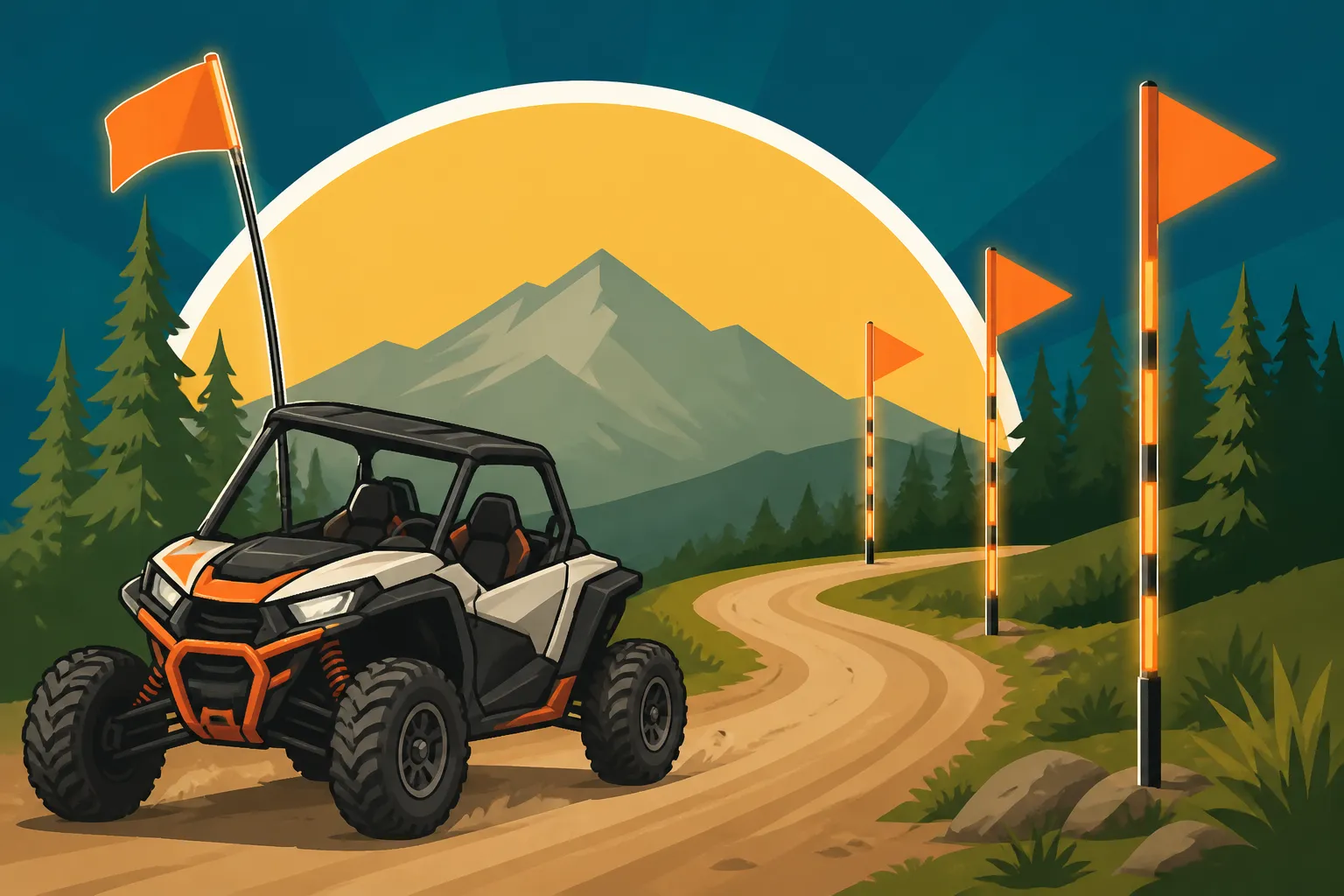
First, consider the flag pole, often called a whip. These typically range from 6 to 10 feet in length, sometimes even longer for larger side-by-sides. Fiberglass whips are popular because they offer flexibility, allowing them to bend without snapping when brushing against overhead obstacles or during strong gusts of wind. Some whips come with integrated LED lights, which are fantastic for low-light conditions or riding after dark, dramatically increasing your visibility. Brands like SuperATV offer robust whip mounts and various flag options designed for the rigors of off-road use, ensuring they stand up to Idaho’s tough backcountry. The material should be durable, able to handle UV exposure without becoming brittle over time.
Next, the flag itself. Bright, fluorescent colors like orange, yellow, or lime green are ideal. Reflective material incorporated into the flag or stitched onto it provides an extra layer of visibility, especially when hit by headlights. Some riders opt for larger flags, but ensure it's not so large it becomes a hazard in high winds or obstructs your view. Consider how it looks from various angles and distances; you want it to catch the eye of a driver coming from either direction.
Finally, mounting. This is crucial for stability and achieving the desired height. The rear of your machine is generally the best place, usually on the rear bumper, roll cage, or a dedicated flag mount bracket. Ensure the mount is sturdy and securely bolted, not just clamped. A loose flag can become a distraction or even detach, defeating its purpose. For UTVs, mounting it directly to the roll cage provides excellent stability and often allows the flag to clear the roof, getting it up higher. Many aftermarket companies, including SuperATV, offer specific mounts that attach directly to the roll cage or cargo bed, making installation straightforward and secure. Remember, the higher the flag, the better. You want it to be clearly visible over any dust cloud you might kick up or over the crest of a small rise. You can draw some parallels to [Mounting a Restricted Plate on a Side-by-Side], as both require secure, visible placement.
Here's a quick look at common flag types and their features:
| Flag Type | Pole Material | Flag Material | Key Features | Best Use Case |
|---|---|---|---|---|
| Standard Whip Flag | Fiberglass | Nylon, Polyester | Flexible, basic, good height | General trail & road riding, cost-effective |
| LED Whip Flag | Fiberglass | Nylon, Polyester | Flexible, integrated lights, highly visible at night | Riding at dusk/dawn, night, high traffic areas |
| Reflective Flag | Fiberglass | Reflective Mesh/Tape | Enhanced reflectivity, especially in headlights | Any road riding, especially in varied lighting |
| Heavy-Duty Whip | Aluminum, Strong Fiberglass | Reinforced Nylon | More rigid, built for extreme conditions | Faster speeds, heavy brush, very windy areas |
Beyond the Flag: A Holistic Approach to Road Visibility
While a visibility flag is an excellent starting point, it's just one piece of the puzzle when it comes to maximizing your presence on Idaho's roads. A truly safe rider adopts a holistic approach, layering multiple visibility strategies to ensure they are seen, understood, and anticipated by other drivers. This comprehensive mindset significantly reduces risk and makes for a more confident and relaxed ride, whether you're cruising through an open valley or navigating a winding canyon road.
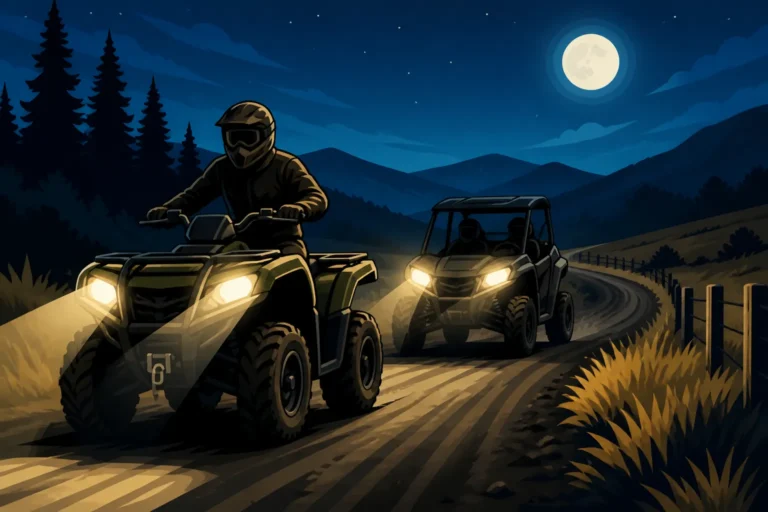
Your machine's lighting system plays a massive role. Always have your headlights on, even during the day. Modern LED headlights on ATVs and UTVs are incredibly bright and can catch a driver's attention far more effectively than standard halogen bulbs. Similarly, ensure your taillights and brake lights are fully functional and clean. A bright, clear brake light can signal your intentions to a following vehicle much sooner, giving them ample time to react. Consider adding auxiliary lighting, such as rock lights or chase lights, particularly to the rear of your machine. These can be wired to a separate switch or even to your brake lights, providing an additional "wow" factor that screams "I'm here!" to anyone behind you. For more detailed information on this, check out [Lighting Rules for Riding After Dark in Idaho].
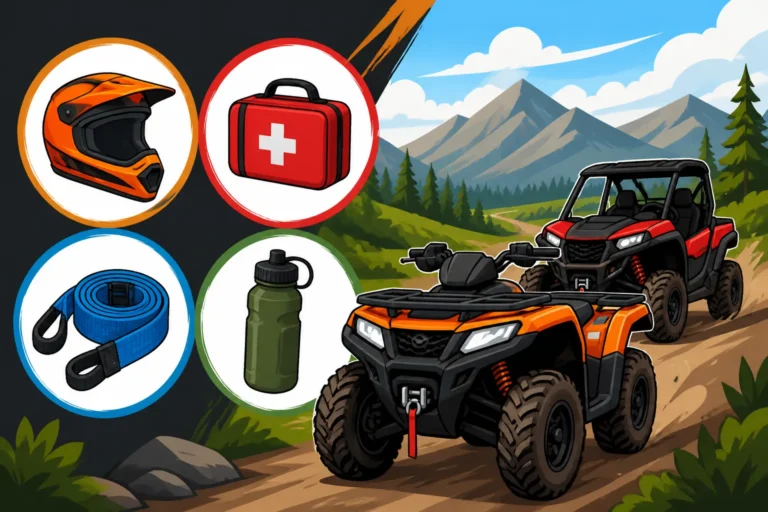
Beyond your machine, what you wear also contributes to your visibility. Resist the urge to blend into the scenery with camouflage gear, especially on road sections. Opt for brightly colored helmets, jackets, and gloves. Fluorescent colors like orange, yellow, or neon green are highly effective, as are items with reflective strips. Think of yourself as a walking, riding billboard of safety. Even a simple reflective vest worn over your riding gear can make a profound difference, especially in low light or dusty conditions. Being easily seen isn't just about avoiding a collision; it's about making a positive impression on other road users and promoting a safe image for the entire OHV community.
Finally, defensive riding is the ultimate visibility enhancer. A flag and bright gear will help you be seen, but your actions dictate how others react. Anticipate potential hazards, maintain appropriate speeds, especially near blind curves or crests as discussed in [Speed on an Idaho County Road], and always assume other drivers don't see you. Make eye contact if possible, and use hand signals when necessary. When riding in a group, ensure you maintain safe distances, and consider having the lead and tail machines use especially bright flags or lights to mark the start and end of your convoy. By combining a tall, vibrant flag with excellent lighting, bright attire, and smart riding habits, you’ll not only make yourself undeniably visible but also set a gold standard for safety on Idaho’s scenic road sections.
Disclaimer
This article is for general informational purposes only and does not constitute professional advice. Laws, prices and regulations vary by location and change over time. Consult a qualified professional for guidance on your specific situation.