Dust on a Dry Gravel Road
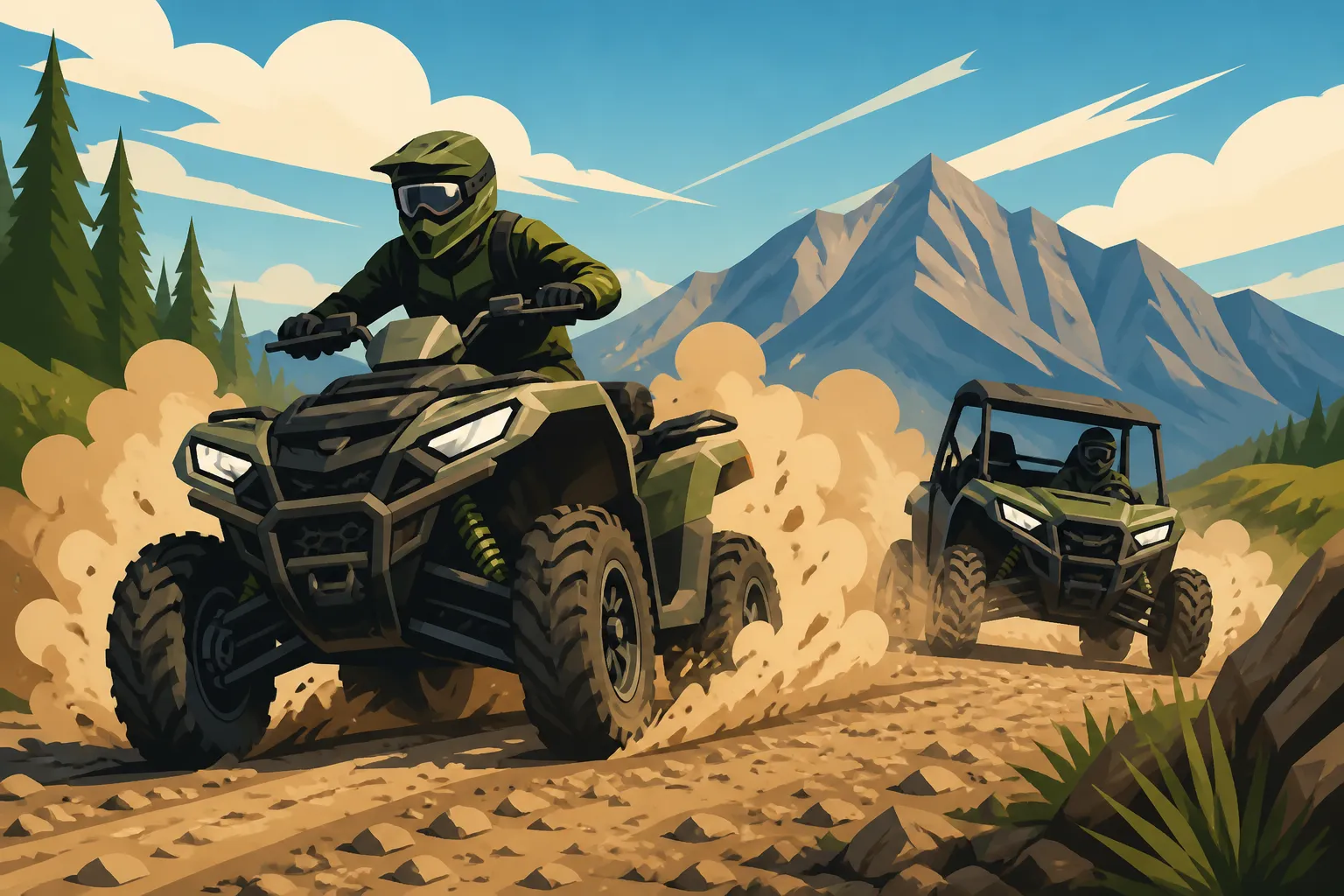
If you've spent any time at all on Idaho's incredible network of unpaved roads and trails, you know the omnipresent reality of dust. It's the silent, gritty companion to almost every sunny day ride, rising in billowy clouds behind your ATV or side-by-side, coating everything in its path. This guide is all about tackling that persistent problem, from understanding why it happens to equipping yourself and your machine to manage it, ensuring your rides are safer, more comfortable, and more enjoyable for everyone sharing the dust-laden Idaho backcountry.
The Reality of Dust on Idaho Gravel Roads
Riding through the Idaho backcountry often means traversing miles of gravel and dirt roads that connect trail systems, lead to remote camping spots, or simply offer scenic drives. These roads, while providing invaluable access, come with a predictable trade-off, especially during the drier months: dust. It's not just a minor inconvenience; it's a significant factor in ride quality, safety, and even machine longevity.
Why Idaho Gravel Roads Get So Dusty
Idaho's climate plays a huge role in the dust situation. Our long, dry summers, especially from late spring through early fall, can bake the unpaved surfaces of county roads, Forest Service roads, and BLM access routes. When vehicles pass over these surfaces, the tires churn up the fine particles of soil, pulverized rock, and organic matter that make up the roadbed. The more traffic, the finer the dust becomes, and the more readily it becomes airborne. The very composition of the gravel, often made of decomposed granite or other local aggregates, contributes to this problem when it breaks down into fine silt under constant vehicle weight.
Beyond the climate, the maintenance practices for these roads also factor in. While some highly trafficked areas might see dust abatement efforts like water trucks or magnesium chloride applications, vast stretches of Idaho's OHV-friendly roads do not. This means riders are often left to contend with conditions as nature and traffic leave them, leading to those signature plumes that can stretch for hundreds of yards behind a machine. Understanding this inherent reality helps riders prepare rather than being caught off guard.
More Than Just an Annoyance: The Real Dangers
While dust might seem like just a messy part of the riding experience, it actually poses several serious dangers. The most immediate is drastically reduced visibility. Imagine riding around a blind corner only to be met with a solid wall of dust from an oncoming vehicle or the machine directly in front of you. This momentary blindness can lead to collisions, unexpected encounters with wildlife, or veering off the road entirely. For other road users, like passenger cars, the sudden loss of visibility can be even more disorienting, increasing the risk for everyone.
Moreover, dust can impact your ability to react to changing terrain. Hidden potholes, washboards, or unexpected obstacles like rocks or fallen branches become invisible within a thick dust cloud. The constant fine particles can also interfere with communication between riders in a group, making it harder to signal hazards or slow down. These aren't just theoretical risks; they are daily realities for riders who traverse Idaho's backroads, transforming a scenic cruise into a high-concentration exercise in hazard avoidance.
Seasonal Dust Patterns in Idaho
The dust problem isn't uniform throughout the year in Idaho; it follows distinct seasonal patterns. Spring, after the snowmelt and spring rains, often sees less dust. The roads are typically damp, compacted, and sometimes even muddy, making for a different kind of challenge but generally keeping the dust down. As summer progresses and temperatures rise, roads dry out completely, and the dust becomes a persistent issue, usually peaking in July, August, and early September. This is when recreational traffic is at its highest, exacerbating the problem.
By late fall, with cooler temperatures and the return of some precipitation, the dust often begins to settle, making for cleaner rides. However, an unseasonably dry fall can extend the dusty season well into October. Winter riding, of course, replaces dust with snow, ice, and cold, but that's a whole different set of considerations. Being aware of these seasonal patterns can help you plan your rides, choosing routes and times of year that might offer a reprieve from the worst dust conditions, or at least prepare you adequately for what you'll encounter.
Impact of Dust on Riders and Machines
Dust isn't just something that hangs in the air; it gets everywhere. It invades your lungs, your eyes, your clothes, and every nook and cranny of your machine. Understanding these impacts is the first step toward mitigating them and ensuring both rider health and machine longevity.
Visibility and Safety Hazards
When you're riding in a group, dust creates a serious challenge. The rider at the front might have clear visibility, but everyone behind them is plunged into a cloud. This is especially dangerous on winding roads or trails where you can't see what's coming next. It's like driving in a dense fog, but the fog is being generated directly by the vehicle in front of you. This can lead to accordion effects in groups, where riders brake suddenly because they can't see, or worse, someone runs into the machine ahead. [Group Riding Etiquette on a Town Street] offers some similar advice on maintaining safe distances, which is even more critical in dusty conditions.
For single riders, dust can be kicked up by passing vehicles, creating a sudden whiteout that can startle you and obscure the road. Even the sun can turn dust into a blinding glare, making it impossible to discern details on the road surface. This reduced visibility doesn't just increase the risk of collision; it also makes it harder to spot trail markers, read maps, or navigate, potentially leading to getting disoriented or lost, especially in remote Idaho areas where cell service is spotty. Carrying a satellite messenger into dead zones is always a good idea.
Health and Comfort Concerns
Beyond visibility, dust takes a toll on your body. Inhaling fine dust particles for hours on end can irritate your respiratory system, leading to coughing, sneezing, and a scratchy throat. For those with allergies or asthma, a dusty ride can trigger more severe reactions. The constant bombardment of airborne grit can also dry out your eyes, making them red and itchy, even with proper eye protection. No one wants to come home from an exhilarating day on the trails feeling like they've spent the day in a sandblaster.
The comfort factor is also huge. Dust gets under your helmet, into your clothing, and leaves a pervasive, gritty film on your skin. It can make a long day of riding feel even longer and more arduous. Imagine stopping for a trailside lunch, only to find everything in your cooler has a fine layer of dust, or trying to relax at camp after a dusty ride, still feeling the grit in your teeth. While the adventure is part of the appeal, unnecessary discomfort detracts from the overall enjoyment of exploring Idaho's beautiful landscapes.
Machine Wear and Tear
Your ATV or UTV is a complex piece of machinery, and dust is its enemy. The most immediate impact is on the air filter. A clogged air filter restricts airflow to the engine, causing it to run rich, lose power, and potentially overheat. If fine dust bypasses the filter, it acts like sandpaper inside the engine, causing premature wear to pistons, rings, and cylinder walls – an incredibly expensive repair. Regular inspection and cleaning of your air filter are paramount when riding in dusty conditions.
But the damage doesn't stop there. Dust particles can work their way into bearings, bushings, and suspension components, accelerating wear and tear. You'll hear squeaks, rattles, and notice slop in steering or suspension much sooner. Radiators and oil coolers can become clogged, reducing their efficiency and increasing engine operating temperatures. Electrical connections, switches, and even the gauges can be compromised by fine dust. Proper maintenance, like frequent cleaning, greasing, and air filter checks, becomes even more critical when you regularly encounter dusty Idaho roads and trails.
Strategies for Managing Dust While Riding
You can't eliminate dust from Idaho's gravel roads entirely, but you can certainly manage its impact. By adopting smart riding techniques, gearing up appropriately, and even making a few modifications to your machine, you can significantly reduce the amount of dust you and your equipment encounter.
Riding Techniques to Reduce Dust Plumes
One of the simplest and most effective ways to manage dust, especially when riding with others, is to increase the spacing between machines. Giving the rider ahead a chance for their dust cloud to dissipate before you enter it can drastically improve your visibility and reduce the amount of grit you inhale. This might mean adjusting your speed or maintaining a greater distance than you normally would on a clear paved road. It's about being patient and mindful of the conditions.
Another technique involves choosing your lines on the road. Often, the center of a gravel road, or the 'crown,' is where the most traffic compacts the surface, resulting in finer, more easily airborne dust. Riding slightly off-center, or taking lines closer to the edges where the gravel might be coarser or less disturbed, can sometimes kick up less dust. However, always be cautious when riding near edges, as they can hide hazards like soft shoulders or sharp drop-offs. Ultimately, maintaining a consistent, moderate speed can also help. Sudden acceleration or braking will churn up significantly more dust than a smooth, steady pace. Remember to adhere to [Speed on an Idaho County Road] limits as well, as excessive speed often correlates with excessive dust.
Gearing Up for Dusty Conditions
Protecting yourself from dust starts with your personal gear. A good quality full-face helmet is essential, not just for impact protection, but also to minimize dust inhalation. Pair that with a high-quality set of goggles or a face shield that seals well around your eyes. These aren't just for looking cool; they're critical for preventing eye irritation and maintaining clear vision. Many riders find that adding a bandana, dust mask, or balaclava under their helmet makes a huge difference in keeping fine particles out of their nose and mouth. This is especially true on those exceptionally dry days where the dust is like talcum powder. [Goggles or a Face Shield on the Road] are a must for any ride on a dry Idaho road.
Beyond head and face protection, consider your clothing. Long sleeves and pants, even in warm weather, offer a barrier against dust and can protect your skin from irritation. Moisture-wicking fabrics are ideal, as they help manage sweat without feeling clammy, and they can be easily cleaned. Gloves also help keep your hands clean and prevent the grit from working its way under your fingernails. Think of your gear as your first line of defense, a personal dust shield that allows you to focus on the ride, not the discomfort.
Machine Modifications for Dust Control
While rider gear is crucial, some machine modifications can significantly reduce dust intrusion into your cab or riding area. For UTVs, a full windshield is a primary defense, blocking a huge amount of airborne debris. However, a plain windshield can create a vacuum effect, sucking dust into the rear of the cab. This is where vented windshields or rear panels come in handy, equalizing the air pressure and reducing the amount of swirling dust. Many riders invest in full cab enclosures, which, while creating a warmer environment, are excellent for keeping dust out. Brands like SuperATV offer a wide range of windshields, rear panels, and full enclosures designed specifically to combat dust intrusion, keeping you much cleaner and more comfortable.
For both ATVs and UTVs, focusing on air intake systems is key. Aftermarket pre-filters, often a cyclonic design or an oil-impregnated foam sleeve, can capture larger dust particles before they even reach your main air filter, extending its life and maintaining engine performance. Snorkel kits, which raise the air intake to a higher, cleaner air source, are another option, though more commonly associated with water crossings. Even simple additions like fender flares can help reduce the amount of dust and debris thrown up by your own tires. These modifications aren't just about comfort; they're an investment in the longevity and reliability of your machine when constantly exposed to Idaho's dusty conditions.
Minimizing Dust for Everyone Else
Riding is a privilege, and being a good steward of that privilege means considering how your actions impact others. Dust created by OHVs isn't just a rider's problem; it affects other road users, homeowners, and the reputation of the entire OHV community.
Being a Good Neighbor on Rural Roads
Many of Idaho's most scenic routes wind through rural residential areas, past farms, ranches, and private homes. When you kick up massive dust clouds near these properties, you're not just creating a temporary nuisance; you're coating their homes, gardens, and vehicles with a fine layer of grit. This can lead to frustration and, in some cases, complaints that can jeopardize OHV access to certain roads. When you see a home, farm, or even someone walking or cycling nearby, slow down. Seriously. A drastic reduction in speed will significantly decrease your dust plume, showing respect for your neighbors and the shared environment.
It's also about awareness. If you're on a road that looks particularly dry and dusty, and you know there are residences along it, make a conscious effort to adjust your riding style. Think about the perception you create. A responsible rider who slows down and minimizes dust is seen as a respectful user of the land, while someone who blasts by in a blinding cloud of dust can quickly become a target for complaints. Remember, we want to maintain and expand access, not lose it due to preventable conflicts. This mindset contributes to a positive image for all OHV enthusiasts.
Understanding Local Ordinances and Expectations
While there aren't specific "dust ordinances" in most Idaho counties, local governments and communities do have general authority over road use and nuisance complaints. Excessive dust, particularly when combined with high speed or proximity to homes, can fall under general disturbance or reckless operation definitions. [Idaho City and County Ordinances That Close Roads] can be influenced by such complaints, demonstrating the tangible impact of irresponsible riding. Some counties or communities might implement voluntary or even mandatory speed limits on certain gravel roads specifically to reduce dust, especially near populated areas.
It's wise to be aware of the specific rules and expectations in the areas you're riding. A quick check of a county's website or signage along a road can often give you clues. For example, if you see signs reminding you to respect private property, that's often a subtle nudge to be mindful of dust and noise. While [Mufflers and Spark Arresters] address noise directly, reducing dust is another key part of being a considerate rider. The goal is to avoid becoming the subject of [Neighborhood Noise Complaints About Quads] or, in this case, dust complaints, which can ultimately lead to restrictions for everyone.
The Broader Impact on Recreation
The impact of dust extends beyond immediate discomfort or neighborly disputes. Consistent, widespread dust can degrade the overall recreational experience for everyone. Hikers, mountain bikers, equestrians, and even other OHV riders are all affected by choking dust clouds. If trails or roads become notoriously dusty, it can deter people from using them, reducing the overall enjoyment of Idaho's public lands. This isn't just about politeness; it's about the sustainability of shared outdoor spaces.
Ultimately, how we manage our dust directly influences public perception of OHV use. When riders are seen as considerate and responsible, it strengthens the argument for continued and expanded access to roads and trails. Conversely, a reputation for disregard can lead to pressure from other user groups and residents to restrict OHV use. By taking proactive steps to minimize dust, individually and as a community, we contribute to a more positive and sustainable future for Idaho ATV and UTV recreation. Consider using gear from companies like SuperATV that help mitigate these issues, making your ride cleaner and preserving the trails for everyone.
Dust Management Tools and Techniques at a Glance
Here's a quick overview of strategies to help you tackle dust on Idaho's dry gravel roads, combining personal preparedness with machine optimization and community awareness.
| Category | Strategy | Description | Benefits |
|---|---|---|---|
| Riding Practices | Increase Group Spacing | Leave ample distance between machines to allow dust to settle. | Improves visibility, reduces dust inhalation for following riders. |
| Moderate Speed | Avoid rapid acceleration and excessive speed, especially near homes or other users. | Significantly reduces dust plume size, shows respect for others, safer riding. | |
| Choose Your Line Carefully | Sometimes riding slightly off the heavily trafficked center can reduce dust. | Less dust kicked up, potentially smoother ride. | |
| Personal Gear | Full-Face Helmet | Provides primary face protection and helps contain dust from your face/mouth. | Enhanced safety, reduced dust inhalation. |
| Quality Goggles/Face Shield | Seals eyes from fine particles, maintains clear vision. | Prevents eye irritation, ensures clear sight. | |
| Dust Mask/Bandana/Balaclava | Worn under helmet to filter inhaled air. | Drastically reduces respiratory irritation. | |
| Machine Mods | Windshield (Vented or Full) | Blocks front-thrown dust. Vented options prevent vacuum effect. Brands like SuperATV offer many options. | Keeps rider cleaner, reduces in-cab dust. |
| Rear Panel/Window | Prevents dust from swirling back into UTV cab. Often paired with a windshield. | Creates a more sealed environment, less internal dust. | |
| Cab Enclosure | Full soft or hard cab options for ultimate dust (and weather) protection. | Maximum dust protection, enhanced comfort in varied conditions. | |
| Air Intake Pre-Filter | Captures larger dust particles before they reach the main air filter. | Extends main filter life, protects engine. | |
| Fender Flares | Reduces tire-thrown dust and debris from hitting your machine or passengers. | Keeps machine cleaner, protects passengers. | |
| Maintenance | Regular Air Filter Cleaning | Crucial in dusty environments; clean or replace often. | Maintains engine performance, prevents premature engine wear. |
| Frequent Washing/Greasing | Cleans dust from components and protects bearings. | Extends component life, prevents squeaks and rattles. |
Disclaimer
This article is for general informational purposes only and does not constitute professional advice. Laws, prices and regulations vary by location and change over time. Consult a qualified professional for guidance on your specific situation.