What an Idaho OHV Sticker Costs Each Year
For many of us who love the thrill of Idaho's vast backcountry, the annual ritual of getting an OHV sticker can feel like just another chore. You're probably wondering what this little decal is actually going to set you back each year, and perhaps more importantly, where that money actually goes. It’s a fair question, especially when you consider all the other costs associated with enjoying our machines. This guide is here to break down the annual cost of an Idaho OHV sticker, explaining not just the dollar amount, but the bigger picture of why we pay it and how it supports the incredible riding opportunities we have here in the Gem State.
The Basics: Unpacking the Idaho OHV Sticker Fee
Let's get right to it – what are we actually paying for when we hand over our hard-earned cash for that little sticker? It might seem like a simple transaction, but there's a lot more behind the scenes than just a fee. Understanding the fundamental components of the sticker cost helps us appreciate its value.
Why We Pay: The Purpose of the Sticker
The Idaho OHV sticker isn't just a bureaucratic formality; it's the lifeblood of our state's motorized recreation system. When you purchase that sticker, you're directly contributing to a dedicated fund managed by Idaho Parks and Recreation. This fund is specifically earmarked for the development, maintenance, and management of Idaho's extensive network of OHV trails and riding areas. Think about the countless miles of trails, the bridges over creeks, the signage, and the staging areas—all of these things require consistent funding to keep them accessible and safe for everyone to enjoy. Without this funding, our beloved trails would quickly fall into disrepair, becoming overgrown or unsafe.
Beyond trail maintenance, your sticker fee also supports critical services that keep us safe on the trails. A portion of the funds goes towards enforcement efforts by local sheriffs and Idaho Parks and Recreation officers, ensuring that everyone is riding responsibly and that our natural resources are protected. It also helps fund search and rescue operations, which, while we hope we never need them, are absolutely essential when things go wrong in remote areas. It's a collective investment in the longevity and quality of our riding experiences.
In essence, the sticker fee is our membership card to Idaho's incredible outdoor playground. It's a way for all of us who enjoy these activities to chip in and ensure that future generations can experience the same freedom and adventure that we do today. It's a small price to pay for access to some of the most stunning and diverse riding terrain in the country, from the high desert to the dense forests of the Panhandle.
The Annual Cost Breakdown
When it comes to the exact dollar amount for an Idaho OHV sticker, you'll find there's a baseline cost established by the state. This core fee is relatively consistent, though it’s always a good idea to check the official Idaho Parks and Recreation website or contact your local vendor for the most current figures, as these things can occasionally adjust. The state aims to keep the cost accessible, recognizing that OHV riding is a popular pastime for many Idahoans.
The base fee is designed to cover the administrative costs of the program and contribute directly to the trail fund. However, it's important to remember that this is just the state fee. When you purchase your sticker, especially through a vendor, there might be a small additional vendor fee or processing charge on top of the state-mandated amount. This extra charge compensates the vendor for their time and effort in processing the transaction, much like a convenience fee you might see elsewhere. So, while the state fee is fixed, your final out-the-door cost might be a few dollars higher. For clarity on specific charges, it’s always best to ask your vendor for a full breakdown.
It's also worth noting that the Idaho OHV sticker is an annual requirement. [Idaho OHV Registration Runs January to December], meaning that regardless of when you purchase your sticker, it's generally valid through the end of the calendar year. This means if you buy your sticker in July, you're paying the full annual fee for roughly half a year of riding. This annual cycle simplifies enforcement and renewal processes, but it's a factor to consider, especially if you're buying a machine mid-year or planning a trip late in the season. [Idaho OHV Sticker for a Machine Bought in July] will cost the same as one bought in January.
Who Needs to Sticker Their Machine?
The rules around who needs an Idaho OHV sticker are pretty clear, but sometimes people get a little confused, especially if they're new to the state or used to different regulations elsewhere. Generally, any off-highway vehicle (OHV) that operates on public lands, designated OHV trails, or even many county roads in Idaho needs to display a valid OHV sticker. This includes ATVs, UTVs (side-by-sides), and off-road motorcycles (dirt bikes). The purpose is to ensure that everyone benefiting from the trails and infrastructure is contributing to its upkeep.
There are some specific exemptions, but they are fairly limited. For instance, if you strictly ride on your own private land and never venture onto public trails or roads, you generally wouldn't need a sticker. However, as soon as your tires touch state, federal, or county land where OHV use is permitted, that sticker becomes mandatory. It's also critical to understand that even if your machine has a restricted use plate – often called an "R-Plate" – you still need an OHV sticker. The plate allows limited road use, but the sticker is for off-road trail access and funding. [What Idaho's $3 Restricted Use Plate Covers] is different from what the OHV sticker covers.
This requirement applies to both residents and non-residents, though the sticker options and pricing can differ slightly for those visiting from out of state. [Idaho's Non-Resident OHV Sticker] became a necessity for all out-of-state riders due to changes in reciprocity laws. The bottom line is, if you plan to enjoy Idaho's incredible riding opportunities on anything other than completely private property, you'll need that sticker. It's an easy way to avoid a citation and ensure you're doing your part for the trails we all love.
Where Your Money Goes: Funding Idaho's OHV Trails
It's natural to wonder, after paying for that sticker, exactly how those funds are put to use. Transparency in how our outdoor recreation dollars are spent is important, and thankfully, Idaho has a pretty well-defined system to ensure your sticker fee contributes directly to the OHV experience.
The Idaho Parks and Recreation Role
Idaho Parks and Recreation (IDPR) plays a pivotal role in managing the OHV sticker program and overseeing the distribution of the funds generated. They are the primary agency responsible for administering the OHV program statewide, working closely with federal land agencies like the Forest Service and Bureau of Land Management (BLM), as well as local county and city governments. IDPR acts as the central hub, collecting the fees and then allocating them back to various projects and initiatives that directly benefit OHV riders.
Their responsibilities are far-reaching. IDPR not only manages the sticker sales system, but they also provide grants to local OHV clubs, county agencies, and land managers for trail maintenance, construction, and signage. They are instrumental in developing and updating [Idaho's Motor Vehicle Use Maps] (MVUMs), which are crucial for riders to know where they can legally ride. Essentially, IDPR is the steward of Idaho's OHV system, making sure that the money collected from stickers is reinvested strategically to enhance and preserve our riding areas.
This centralized management ensures a cohesive approach to OHV recreation across the state. Instead of funds being scattered or mismanaged, IDPR's oversight means that projects are prioritized based on need, safety, and rider impact. They hold workshops, gather public input, and continuously assess the needs of the OHV community to make informed decisions about how sticker revenues can best serve us all. It's a testament to a system designed to keep Idaho's trails top-notch.
From Fees to Forest: Trail Maintenance and Improvements
This is where the rubber meets the trail – quite literally. A significant portion of your OHV sticker fee directly funds the physical maintenance and improvement of Idaho's trail systems. Think about the wear and tear our machines inflict on trails, especially after heavy rains or during peak riding season. Trees fall, culverts get washed out, and trail surfaces erode. Without constant attention, these trails would quickly become impassable or dangerous.
Your sticker money pays for trail crews, both professional and volunteer-led, to clear downed trees, repair damaged sections, maintain bridges, and install necessary signage. It also helps fund the purchase of heavy equipment used for more extensive trail work, like grading and erosion control. Projects can range from simple tasks like brushing back overgrown vegetation to complex engineering feats like constructing new sections of trail or repairing major washouts. This vital work ensures that the trails remain safe, enjoyable, and sustainable for years to come.
Moreover, funds are also allocated for new trail development in some areas, expanding our riding opportunities. This often involves planning, environmental assessments, and careful construction to ensure the new trails are both fun to ride and environmentally responsible. Whether it's a new staging area with improved parking or a crucial bridge that connects two previously separate trail systems, these improvements are tangible benefits that riders experience directly, all thanks to those sticker dollars.
Supporting Search and Rescue and Enforcement
While we all hope for smooth and uneventful rides, the reality of backcountry exploration means that accidents and emergencies can happen. Another critical function supported by your OHV sticker fees is the funding of search and rescue operations, as well as enforcement efforts on public lands. When someone gets lost, injured, or their machine breaks down miles from civilization, it's often volunteer search and rescue teams, supported by county sheriffs, who come to the aid.
These operations require significant resources, including specialized equipment, training, and coordination. A portion of the OHV fund directly contributes to these life-saving services, ensuring that teams have the tools and training they need to respond effectively in remote and challenging terrain. Knowing that your sticker fee helps support these crucial services provides an extra layer of peace of mind when you venture deep into the Idaho wilderness. It’s an investment in safety for yourself and your fellow riders.
Furthermore, enforcement of OHV regulations is essential for responsible recreation. Idaho Parks and Recreation officers and county deputies patrol trails to ensure riders adhere to rules regarding speed, noise, and restricted areas. This helps prevent resource damage, minimizes conflicts with other land users, and maintains a positive image for the OHV community. Enforcement also helps deter illegal riding, such as riding in wilderness areas where motorized use is prohibited, thereby protecting the integrity of our trail systems and the natural environment. These efforts are also funded in part by the OHV sticker, showing how widely its benefits spread. [Penalties for an Unstickered OHV in Idaho] are real, and enforcement helps keep our trails safe and funded.
The Resident vs. Non-Resident Sticker Costs
Idaho, like many other states, has different pricing structures for its OHV stickers depending on whether you're an Idaho resident or visiting from another state. This distinction is important to understand, especially if you're planning a trip to ride Idaho's incredible trails.
Idaho Residents: What You'll Pay
For Idaho residents, obtaining an OHV sticker is a straightforward annual process. The resident sticker cost is a fixed rate, designed to be affordable and encourage widespread participation in funding the state's trail system. This resident fee is typically less than what non-residents pay, as residents are also contributing to the state's tax base in other ways, and the program is structured to benefit those who call Idaho home year-round.
When you purchase your sticker, you're essentially buying access for your machine for the entire calendar year. As mentioned, the sticker is valid from January 1st through December 31st, regardless of when you make your purchase. This means if you buy your sticker in October, it will still expire on December 31st of that same year. Most residents simply build this into their annual budget for recreational activities, much like renewing a fishing license or hunting tag.
You can purchase your resident sticker through various outlets, including county DMV offices, authorized vendors like sporting goods stores, or even online through the Idaho Parks and Recreation website. Having your current vehicle information, including the VIN, and proof of ownership, is usually all you need to complete the transaction. [Buying an Idaho Sticker at a County DMV] is a common way for many residents.
Non-Residents: Navigating the Idaho Sticker System
For our friends visiting from out of state, the Idaho OHV sticker system is slightly different, reflecting the need for non-residents to contribute directly to the trails they use. Prior to some changes in reciprocity laws, some out-of-state stickers were recognized, but that's generally no longer the case. Now, if you're bringing your OHV to Idaho from another state and plan to ride on public land, you'll need an Idaho non-resident OHV sticker.
The cost for a non-resident sticker is typically higher than the resident fee, which is a common practice across states that manage extensive trail systems. The good news for non-residents is that Idaho often offers options for multi-year stickers, allowing you to purchase a sticker that's valid for one, two, or even three years. While the initial outlay for a multi-year sticker is higher, it can sometimes offer a slight per-year saving compared to buying single-year stickers repeatedly, and it certainly adds convenience for frequent visitors. [Idaho Non-Resident OHV Sticker Cost] varies depending on the term you choose.
This multi-year option is a fantastic feature for those who love to make Idaho a regular riding destination. Imagine not having to worry about renewing your sticker every single year before your big trip! Just remember, even with a multi-year sticker, it's still tied to the calendar year expiration, usually December 31st of the final year of its validity. Always double-check the expiration date printed on the sticker to ensure you're compliant.
Understanding Reciprocity Changes
For many years, Idaho had reciprocity agreements with several neighboring states. This meant that if your OHV was legally registered and stickered in your home state (like Oregon, Washington, or Montana), Idaho would recognize that registration, and you wouldn't need an additional Idaho sticker to ride here. It was a convenient system that worked well for cross-border riders.
However, over time, and due to various factors including increased trail use, funding needs, and administrative complexities, Idaho, like many other states, revised its reciprocity policies. The decision was made to ensure that all users of Idaho's trails, regardless of their state of origin, contribute to the maintenance and management of those resources. This change often came with discussions around [Why Idaho Ended OHV Reciprocity]. While it meant an additional expense for out-of-state riders, it also helped ensure more consistent and robust funding for trail systems that everyone benefits from.
This shift means that virtually all OHVs operating on Idaho's public lands, trails, or open county roads must now display a valid Idaho OHV sticker, whether you're a resident or not. It's a key piece of information for anyone planning an OHV trip to Idaho. So, if you're coming from Montana, Washington, Oregon, Utah, or anywhere else, plan on securing your Idaho non-resident sticker before you hit the trails. It's a simple step that helps keep our trails open and well-maintained for all. You can easily find [Where to Buy an Idaho Non-Resident Sticker] through IDPR's website or authorized vendors.
Here’s a simplified comparison of resident vs. non-resident sticker options:
| Sticker Type | Eligibility | Term | General Cost Shape | Notes |
|---|---|---|---|---|
| Resident OHV Sticker | Idaho Residents | 1 Year | Lower Annual Rate | Valid Jan 1 – Dec 31. |
| Non-Resident OHV Sticker | Out-of-State Riders | 1, 2, or 3 Years | Higher Annual Rate | Multi-year options available for convenience and potential savings. |
Note: Specific prices change, so always check the Idaho Parks and Recreation website or contact a vendor for current figures.
Additional Fees and Charges You Might Encounter
While the core sticker fee is the primary cost, it’s worth understanding that other related charges or potential penalties could factor into your overall OHV ownership expenses. Being aware of these helps you budget effectively and avoid any unwelcome surprises.
Vendor Fees and Processing Charges
When you go to purchase your OHV sticker, you might find that the final price at the counter is slightly more than the state's advertised sticker fee. This difference is typically due to a vendor fee or processing charge. These are small administrative fees that authorized vendors, such as county assessors' offices, sporting goods stores, or powersports dealerships, are permitted to add to the transaction. This charge compensates them for their time, the use of their facilities, and the administrative effort involved in processing the sticker sale and remitting the funds to the state.
While these fees are usually quite modest, they are legitimate additions to the sticker cost. For example, [Idaho OHV Sticker Fee and the Vendor Charge] are two separate line items that make up your total payment. It’s not about the vendor trying to upsell you; it's simply covering their operational costs for providing a convenient service. If you purchase your sticker online directly through the Idaho Parks and Recreation website, you might encounter a similar online processing fee. These fees are standard practice and help ensure there are numerous convenient locations for you to obtain your sticker.
It's always a good idea to clarify the total cost, including any additional fees, before you complete your purchase. Most vendors are transparent about these charges and can provide a breakdown if you ask. Understanding this upfront helps prevent any confusion at the checkout. These small fees ensure that you have access to a wide network of places to get your sticker, making it easier to stay compliant and get out on the trails faster.
Late Penalties and Enforcement Fines
One cost you definitely want to avoid is a penalty for not having a valid OHV sticker. Idaho law requires all OHVs operating on public land or designated trails to display a current sticker. Riding without one can lead to a citation and a fine, which will certainly make your annual sticker cost seem like a bargain. Law enforcement personnel, including county sheriffs and Idaho Parks and Recreation officers, regularly patrol popular riding areas, and they will check for valid stickers.
The financial penalty for an unstickered OHV can be significantly higher than the cost of the sticker itself. Beyond the initial fine, repeated offenses could lead to more severe consequences. It’s simply not worth the risk. [Penalties for an Unstickered OHV in Idaho] are designed to encourage compliance and ensure that everyone is contributing to the trail system. Think of it as an insurance policy for your riding privileges.
To avoid these unwanted expenses, always make sure your sticker is current before you head out. If you buy a new machine, get it stickered right away. If it’s near the end of the year, remember that the new year's sticker is typically available in late fall. It's a simple step that saves you money and hassle in the long run. Keeping your paperwork, including proof of your sticker purchase, with your machine can also be helpful in case there’s any question during a stop on the trail.
Sales Tax and Use Tax Considerations
While not directly part of the annual OHV sticker cost, sales tax and use tax are significant expenses related to purchasing an OHV that you should be aware of, as they impact the overall financial picture of owning a machine in Idaho. When you buy an OHV from a dealer in Idaho, or even a private party, sales tax generally applies. This is calculated as a percentage of the purchase price, and it’s a one-time cost, not an annual one like the sticker. [Idaho Sales Tax on an ATV Purchase] can add a considerable amount to the total cost of your machine.
For those bringing an OHV into Idaho from another state, use tax comes into play. If you purchased your machine out-of-state and did not pay sales tax, or paid a lower rate than Idaho's, you will typically owe Idaho use tax when you title and register the machine here. This ensures that everyone purchasing and using an OHV in Idaho contributes equitably to the state's tax revenues, regardless of where the purchase originally occurred. This is particularly relevant if you're moving to Idaho or buying a machine from a private seller across a state border. [Use Tax When a Machine Comes Into Idaho] is an important consideration for many new residents.
These taxes are distinct from the OHV sticker fee, which is specifically for trail funding and access. However, they are part of the broader financial commitment of OHV ownership. Understanding these tax obligations upfront helps you budget accurately for the total cost of acquiring your machine. It's always wise to factor these into your calculations alongside the annual sticker cost when planning your OHV adventures. For legal documents related to sales and transfers, resources like LawDepot can offer templates for bills of sale to ensure you have clear proof of purchase and pricing for tax purposes.
When and Where to Purchase Your OHV Sticker
Getting your OHV sticker is a necessary step, but fortunately, Idaho has made the process relatively easy and accessible. Knowing the deadlines and your options for purchase can save you time and ensure you're compliant before hitting the trails.
Annual Renewal Dates and Deadlines
The Idaho OHV sticker operates on a calendar year basis. This means it's valid from January 1st through December 31st of the year for which it's issued. There isn't a staggered renewal system based on your purchase date or birth month, which simplifies things for everyone. This fixed annual cycle makes it easy to remember: if it’s a new year, you need a new sticker! [When an Idaho OHV Sticker Expires] is always December 31st.
While the sticker is valid for the full calendar year, it's worth noting that if you buy a sticker late in the year, say in November or December, it will still expire on December 31st. Some riders choose to wait until the new year to purchase their sticker if they aren't riding much in late fall or winter, but it's crucial to understand that you cannot legally ride on public land without a current sticker, even for those few weeks. New stickers for the upcoming year are typically available for purchase a few weeks before the actual new year, often in mid-to-late December. This allows riders to get ahead of the game and have their new sticker ready for January 1st. [Buying an Idaho Sticker in December] typically means you're buying it for the next year.
It's a good practice to set a reminder for yourself to renew your sticker at the beginning of each year. Many riders simply make it a habit to purchase their new sticker in January or February, ensuring they're covered for the entire riding season ahead. Staying on top of this annual deadline helps you avoid fines and keeps your trail access uninterrupted.
Online, In-Person, and Mail-In Options
Idaho Parks and Recreation offers several convenient ways to purchase your OHV sticker, catering to different preferences and needs. The most popular option for many is to buy it in person. You can head to most county DMV or assessor's offices, especially those that handle vehicle titling and registration. Additionally, many authorized vendors, such as sporting goods stores, powersports dealerships, and some gas stations in trail towns, sell OHV stickers. [Buying an Idaho Sticker at a County DMV] is a common and reliable method.
For those who prefer the convenience of home, buying your sticker online is a fantastic option. The Idaho Parks and Recreation website usually has a portal where you can complete your purchase. This is particularly useful if you live in a remote area, or if you're a non-resident planning a trip and want to have your sticker sorted before you arrive. Just be aware that online purchases will involve a small shipping and handling fee, and it will take a few days for the sticker to arrive in the mail. If you're planning a trip soon, make sure to factor in that delivery time. [Renewing an Idaho OHV Sticker Online] is a great time-saver.
Some riders may also have the option to renew by mail, though this is becoming less common with the rise of online services. If you choose to mail in your renewal, make sure to send it well in advance to account for processing and return mail time. Regardless of the method you choose, always keep a copy of your purchase receipt until your physical sticker is properly affixed to your machine, just in case you need proof of purchase.
What You Need to Bring to Purchase
To ensure a smooth and quick transaction when purchasing your Idaho OHV sticker, whether for a new machine or a renewal, it’s helpful to know what documentation you’ll need. Being prepared means less waiting and no need for a second trip.
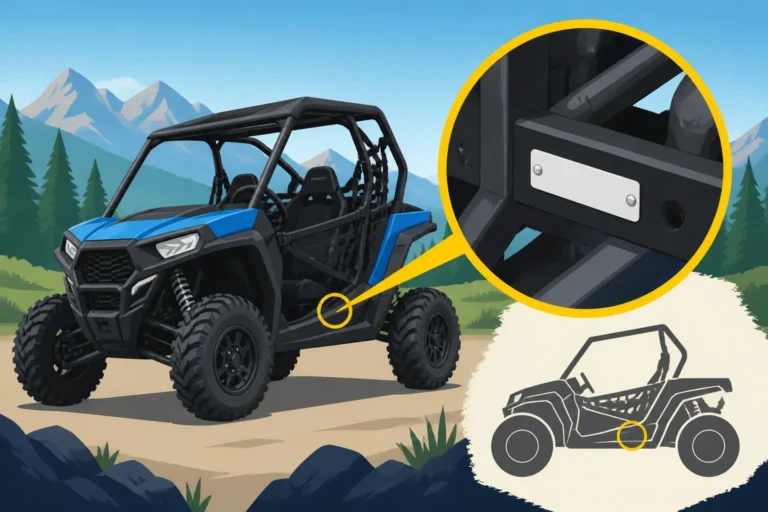
The most critical piece of information you'll need is your machine's Vehicle Identification Number (VIN). This unique 17-character code identifies your specific OHV and is essential for linking the sticker to the correct machine in the state's system. The VIN is usually found on the frame of your ATV or side-by-side, often near the front left wheel or under the seat. For a dirt bike, it's typically on the steering head. Make sure to write it down accurately or take a photo to bring with you. If you are applying for an [Idaho OHV Title Application at the County Assessor] at the same time, they will certainly require the VIN.
For a new machine, or if it's your first time registering it in Idaho, you'll also need proof of ownership. This typically means the original Certificate of Title for the OHV. If you’re purchasing from a private seller, a properly executed bill of sale might also be required, especially if the title is not immediately available for transfer. Even for renewals, it's a good idea to have your previous registration or sticker information handy, as it can expedite the process, though your VIN should be sufficient. If you’re purchasing for a youth machine, make sure you know [Whose Name Goes on a Youth Machine Title].
Finally, remember to bring your form of payment. Most vendors accept cash, credit/debit cards, and sometimes checks. Confirming the accepted payment methods beforehand, especially for smaller vendors, can save you a last-minute scramble. Having all these items ready will make the process a breeze, allowing you to get that sticker and hit the trails without delay.
Displaying Your Sticker Correctly
Once you’ve got that shiny new Idaho OHV sticker in hand, the next critical step is to display it correctly on your machine. Improper placement can lead to fines, even if you’ve paid the fee. The goal is to ensure the sticker is clearly visible for enforcement officers.
Where to Place the Sticker on Your OHV
The placement of your Idaho OHV sticker is not arbitrary; there are specific guidelines to ensure it's visible and properly attached. For most ATVs (quads), the sticker should be affixed to the visible left side of the machine, usually on the rear fender or a permanent structural part of the frame. The key is visibility and permanence. It shouldn't be on a removable panel that could fall off or be swapped. [Sticker Placement on a Quad's Fender] is a common and accepted spot.
For UTVs (side-by-sides), the rules are similar – a visible left-hand side placement is preferred. This often means on the left rear fender, the left side of the roll cage, or another prominent, non-removable part of the rear section of the vehicle. For dirt bikes, the sticker is typically placed on the left fork leg or the left side of the rear fender, ensuring it's not obscured by cables or other components. The logic behind "left side" is often for ease of viewing by officers when machines are parked or passing.
Before applying the sticker, make sure the surface is clean, dry, and free of any dirt, grease, or old adhesive residue. A clean surface ensures good adhesion, preventing the sticker from peeling off prematurely. Once applied, pressing firmly and smoothly across the entire sticker will eliminate air bubbles and create a secure bond. Taking a moment to do this right will save you the headache of needing to [Replacing a Peeled Idaho OHV Sticker] later.
Restricted Use Plates and Sticker Placement
Many OHV riders in Idaho choose to obtain a Restricted Use Plate, often referred to as an "R-Plate," which allows them limited access to certain county roads. [Idaho Plates That Begin With R] are distinct, but it's crucial to understand that having an R-Plate does not negate the need for an OHV sticker. In fact, the sticker is often designed to be displayed on the R-Plate itself.
For machines equipped with an R-Plate, the OHV sticker should be affixed directly to the plate in the designated area, usually in one of the corners. This specific placement ensures that both your road-legal status (via the plate) and your trail-funding contribution (via the sticker) are clearly visible in one location. [Displaying a Sticker on an Idaho R Plate] correctly is a dual compliance requirement. This makes it easier for law enforcement to verify both aspects of your machine's registration at a glance, whether you're on a county road or a forest trail.
Again, the principles of cleanliness and firm adhesion apply. Make sure the R-Plate is clean before applying the sticker. If you have an older plate with remnants of previous stickers, clean that off first. Incorrect or obscured placement on the R-Plate could still lead to questions from officers, so taking the time to apply it neatly and clearly is always recommended. This combined display ensures that your machine is fully compliant for both limited road use and extensive trail riding.
Avoiding Common Placement Mistakes
There are a few common pitfalls riders encounter when applying their OHV sticker that are easy to avoid with a little forethought. The first and most frequent mistake is placing the sticker in an obscured location. This could be underneath a fender that's hard to see, behind a spare tire, or covered by a piece of gear. The sticker needs to be clearly visible without obstruction. If an officer has to go hunting for it, you might still face a hassle, even if you technically have one.
Another mistake is attaching the sticker to a temporary or easily removable part of the machine. For instance, putting it on a tool bag, a removable cooler, or a mud flap that could detach is not acceptable. The sticker must be on a permanent structural component of the OHV. If it comes off, you’re back to being unstickered in the eyes of the law. This is why most regulations specify fenders or the frame.
Finally, ensure the sticker is applied correctly the first time. Trying to peel it off and reapply it often damages the adhesive or the sticker itself, leading to it falling off prematurely. If your sticker is damaged or peeling badly, it's best to look into replacing it through the proper channels, rather than attempting a makeshift fix that might not hold up. [Renewing a Sticker Without the Old One] is possible, but it's smoother if your existing one is intact. Taking a few moments to apply your sticker carefully in the designated, visible spot will save you potential headaches and ensure a season of worry-free riding.
Beyond the Sticker: Other Related Costs of OHV Ownership
While the annual OHV sticker fee is an important component, it's just one piece of the financial puzzle when it comes to owning and enjoying an ATV or UTV in Idaho. A holistic view of costs helps you budget effectively and truly understand the commitment involved.
Titling and Registration Fees
Before you even get to the annual sticker, there are initial costs associated with legally establishing ownership of your OHV. Every OHV over 50cc purchased in Idaho, or brought into Idaho, typically needs to be titled. This process involves a one-time fee paid to the county assessor's office. The title serves as legal proof of ownership, much like a title for a car. Without it, selling your machine or proving ownership can be a real headache. [Idaho Titles Every ATV Over 50cc], so this is a mandatory step for most machines.
The title fee itself is generally a modest amount, but it’s an essential part of the paperwork process. If you buy a used machine, you'll also pay a title transfer fee. These fees contribute to the administrative costs of maintaining ownership records within the state. When you're making a private purchase, it’s critical to ensure the seller provides a properly signed-over title. Documents provided by services like LawDepot, such as a legally binding bill of sale, can also be crucial here to establish clear ownership before heading to the assessor's office. For example, when [Buying a Used Side-by-Side in Idaho: The Paperwork], ensuring a proper title transfer is key.
Insurance Requirements
Another significant ongoing cost for many OHV owners is insurance. While Idaho doesn't generally mandate insurance for all off-road riding on private land or designated trails, it becomes a crucial requirement if you plan to ride your OHV on any public roads where OHVs are permitted, such as county roads that are open to restricted vehicles. If you're going to use your R-Plate to connect trails via county roads, you'll need at least liability insurance. [Insuring an ATV in Idaho] details these requirements further.
Beyond the legal minimum for road use, many riders choose to carry comprehensive OHV insurance for peace of mind. This type of policy can cover damage to your machine, theft, and even medical payments in case of an accident. Given the investment most people make in their ATVs and UTVs, protecting that investment with adequate insurance is a very sensible decision. The cost of insurance will vary based on your machine's value, your riding habits, and your chosen coverage levels. It's a recurring expense, much like car insurance, and it's essential for protecting yourself and your assets.
Maintenance, Gear, and Safety Course Costs
The sticker fee and title are just the entry tickets; the real ongoing costs of OHV ownership come from maintaining your machine, buying appropriate gear, and potentially investing in safety education. Regular maintenance – oil changes, air filter cleaning, tire checks, brake inspections – is crucial for keeping your OHV running safely and extending its lifespan. These costs, whether you do it yourself or pay a mechanic, add up over time. Neglecting maintenance can lead to bigger, more expensive repairs down the road.
Then there's the gear. Helmets are legally required for riders under 18 in Idaho, and highly recommended for everyone. Eye protection, gloves, sturdy boots, and appropriate riding apparel are all essential safety items that represent an initial investment. Over time, gear wears out and needs to be replaced. [Idaho Helmet Rules for Riders Under 18] emphasize the importance of safety from a young age.
Finally, safety courses are a valuable, albeit optional for most adults, investment. For young riders under 16, there are specific [Idaho OHV Safety Course Requirements] if they wish to operate an OHV on certain public lands. Even for adults, taking a safety course can enhance riding skills, increase awareness, and ultimately make for safer, more enjoyable rides. These courses typically have a fee, but the knowledge gained is invaluable. All these elements combined paint a clearer picture of the true cost of enjoying Idaho's OHV lifestyle.
Maximizing Your Investment: Getting the Most Out of Idaho's Trails
Paying for an OHV sticker and managing all the other costs of ownership is a significant investment. So, how do you ensure you're getting the absolute most out of that investment and truly enjoying what Idaho has to offer? It comes down to smart planning, community involvement, and responsible riding.
Exploring Idaho's Vast Trail Networks
Idaho boasts an incredible diversity of OHV trails, from high desert landscapes in the south to dense forests and mountainous terrain in the north. Your OHV sticker unlocks access to this vast network of trails on federal, state, and even some county lands. Don't just stick to the same few trails year after year! Take the time to explore new areas and experience the different types of riding Idaho offers.
Utilize resources like the Idaho Parks and Recreation website, Forest Service motor vehicle use maps (MVUMs), and apps like onX Offroad to discover new routes and plan your adventures. There are literally thousands of miles of trails waiting to be explored. Consider planning weekend trips to different regions of the state to experience everything from the [Magruder Corridor and Idaho Backcountry] to [Danskin Mountains OHV Area Near Boise] or the [Idaho Panhandle Riding Around Coeur d'Alene]. Each region offers unique scenery and challenges.
By actively exploring and utilizing the trails, you're not only getting your money's worth from your sticker fee but also enriching your own experience. The more you ride, the more you appreciate the value of those well-maintained trails and the beautiful landscapes they traverse. Just remember to always check current trail conditions and closures before heading out, especially during fire season or spring runoff.
Joining OHV Clubs and Advocacy
One of the best ways to maximize your OHV investment and contribute to the longevity of the sport is by joining a local OHV club. These clubs are the backbone of the riding community, often working directly with land managers to maintain trails, build new ones, and advocate for rider access. They use their collective voice to influence policies that affect our riding privileges and ensure that OHV recreation continues to be a cherished activity in Idaho.
When you join a club, you're not just gaining access to group rides and social events; you're becoming an active participant in preserving the very trails you love. Many clubs organize volunteer workdays where members help with trail maintenance, clearing debris, and making repairs. This hands-on involvement directly supports the efforts funded by your OHV sticker and gives you a tangible sense of contributing to the cause. It's a fantastic way to meet like-minded people, learn about new riding areas, and gain valuable experience from seasoned riders.
Beyond trail work, clubs also engage in advocacy, attending public meetings and communicating with elected officials to ensure OHV interests are represented. They often assist with grant applications that bring additional federal and state funds into Idaho for trail projects, effectively multiplying the impact of your sticker dollars. Your membership supports these vital efforts and helps ensure that the future of OHV riding in Idaho remains bright.
Planning Your Adventures Responsibly
Finally, getting the most out of your OHV sticker and enjoying Idaho's trails responsibly goes hand-in-hand with good planning and safe practices. A well-planned trip is a safer, more enjoyable trip, ensuring you make the most of your time and investment. Always check the weather forecast, pack appropriate gear and emergency supplies, and let someone know your itinerary.
Carry a map, whether paper or digital, and know how to use it. Many areas have limited or no cell service, so don't rely solely on your phone. Carrying a first-aid kit, extra fuel, and basic repair tools can turn a potential emergency into a minor inconvenience. Riding within your skill level and adhering to all rules and regulations, including speed limits and noise restrictions, is also part of responsible riding. This helps prevent accidents, minimizes environmental impact, and maintains positive relationships with other land users.
By taking these steps, you not only protect yourself and your machine but also contribute to the positive image of the OHV community. Every responsible rider helps ensure that public lands remain open for our enjoyment. When you invest in an Idaho OHV sticker, you're investing in a fantastic recreational opportunity. By riding safely, responsibly, and getting involved, you truly maximize that investment and help secure the future of OHV riding for all.
Disclaimer
This article is for general informational purposes only and does not constitute professional advice. Laws, prices and regulations vary by location and change over time. Consult a qualified professional for guidance on your specific situation.