Keeping Paperwork on the Machine
One of the most common worries for any Idaho ATV or UTV owner hitting the trails or heading out on a scenic backroad is, "Do I have all the right paperwork?" It’s a valid concern, because nobody wants a fun day cut short by a ticket or a misunderstanding with law enforcement. This guide will walk you through exactly what documents you need to keep handy, what to secure at home, and why proper documentation is your best friend when enjoying Idaho’s incredible outdoor playground.
The Daily Carry: What to Keep on Your Machine (or Person)
When you're out riding, whether it's on a designated trail system or a county road open to OHVs, certain documents should always be with you or easily accessible on your machine. Think of these as your riding essentials, just as crucial as your helmet or a spare tire kit. Without them, even a routine stop can become a frustrating ordeal.
Proof of Current OHV Sticker/Registration
The most fundamental piece of paperwork for riding on public land in Idaho is proof of your current OHV sticker. While the sticker itself is displayed on your machine, it's a good idea to have some form of documentation that confirms its validity, especially if for some reason the sticker itself is damaged or hard to read. This might be a physical copy of the registration receipt or a digital image on your phone. This sticker shows you've paid your dues to the Idaho Parks and Recreation Department, contributing to the very trails you're enjoying.
It’s easy to forget when you bought that sticker last year, but an expired one can lead to a citation. Enforcement officers are constantly checking for valid registration, and they have every right to ask for proof. Knowing [What an Idaho OHV Sticker Costs Each Year] can help you budget and plan for renewal, so you're never caught off guard. Make sure you understand the renewal process and keep your contact information updated with the state to receive any reminders.
Restricted Use Plate (If Applicable) and its Companion Papers
If you plan to ride your ATV or UTV on any county roads open to OHV traffic in Idaho, you'll need more than just a regular OHV sticker. You'll need an Idaho Restricted Use Plate, often simply called an "R-plate." This plate itself goes on the back of your machine, but the documentation that comes with it is just as important. Think of it like your car’s registration card – you don’t just have the license plate, you have the proof of registration for it.
Along with the physical plate, you should carry the official registration document issued by the county assessor's office for that restricted plate. This document verifies that your machine is legally allowed on those designated roads. [Idaho's Restricted Vehicle Plate Explained] further details why this plate is so crucial for road use. Without this documentation, even with the plate displayed, you might encounter questions about its validity. It’s always best to have the complete picture readily available to an officer.
Driver's License and Proof of Insurance (for Road Riding)
This one is critical for anyone operating an OHV on an Idaho public road, whether it's a county road, a city street, or crossing a highway. Just like driving your car, you need to be a licensed driver and have proof of liability insurance. Many riders mistakenly believe that because it's an ATV or UTV, these standard road rules don't apply. They absolutely do.
An Idaho sheriff's deputy or state trooper will expect to see your valid driver's license and proof of current liability insurance if you're operating on a road. This is not just a suggestion; it's a legal requirement to operate any motor vehicle on public roadways. Ensure your insurance policy specifically covers OHV use on public roads, as not all standard policies do. It's truly eye-opening to understand [Driver's License and Insurance on an Idaho Road Ride] before you venture onto any paved or graveled county routes.
| Document Type | Where to Keep It (Primary) | Key Purpose | When It's Needed Most |
|---|---|---|---|
| OHV Sticker/Receipt | Machine/Person | Proves current registration for public land trails | Routine stops on trails, access to designated OHV areas |
| Restricted Use Plate Reg. | Machine/Person | Proves eligibility for county road use (with R-plate displayed) | Road sections, passing through towns, crossing highways |
| Driver's License | Person | Proves legal ability to operate a motor vehicle | All road riding, some trail stops (especially if underage rules) |
| Proof of Insurance | Person/Machine | Covers liability for accidents on public roads | Road riding, accident reporting |
| Official OHV Title | Secure at Home | Legal proof of ownership, required for sales/transfers/liens | Selling machine, transferring ownership, loan applications |
| Bill of Sale | Secure at Home | Record of purchase, proof of sale terms, tax basis | Proving purchase, establishing sales tax paid, resolving disputes |
Safe Keeping: Documents That Live at Home
While some documents need to be on your person or machine, others are far too important to carry around where they could be lost or damaged. These are the "safe at home" documents, crucial for proving ownership, handling sales, or dealing with major incidents. Treat them like your car title or house deeds – precious and protected.
Your Official Idaho OHV Title
This is arguably the most important document for your ATV or UTV, and it absolutely should not be carried on the machine. [Do You Carry the Title on an Idaho Trail?] The official Idaho OHV Title is the legal proof of ownership for your machine. It’s a certificate issued by the Idaho Transportation Department, often through the county assessor’s office, that states who legally owns the vehicle. Losing this title, or having it stolen, can create a mountain of bureaucratic hassle, especially when you go to sell the machine or if you need to prove ownership for other reasons.
Keep your title in a secure location at home, such as a fireproof safe, a locked filing cabinet, or a bank safe deposit box. If you ever need to apply for a loan against your machine, the lender will likely want to hold the title until the loan is paid off. This document is the cornerstone of proving your legal ownership and facilitating any future transactions involving your off-highway vehicle. Losing it means you’ll need to apply for a replacement, which can take time and involve fees.
Bills of Sale and Purchase Records
Every time you buy or sell an ATV or UTV, whether new from a dealer or used from a private party, you should have a detailed bill of sale. For buyers, this document proves your purchase, establishes the sales price (important for sales tax calculations), and confirms the transfer of ownership from the previous owner. For sellers, it's proof that you no longer own the machine, which can be critical if there are any issues after the sale. [ATV Bill of Sale Wording Buyers Should Insist On] is a great resource to make sure you're getting all the right details down.
These records should be kept securely with your title. If you purchased from a dealer, keep all the sales contracts and receipts they provided. If it was a private sale, a clear, signed bill of sale is indispensable. You can find templates for these online, sometimes through services like LawDepot, to ensure all the necessary information, like VIN, make, model, and buyer/seller details, are included. These documents also become crucial if you ever need to demonstrate [Proof of Ownership for an Idaho OHV Title] in a scenario where the chain of ownership is unclear.
Insurance Policies and Accident Information
While you should carry proof of insurance when riding on roads, the full insurance policy documents, outlining your coverage limits, deductibles, and terms, should be kept safe at home. This comprehensive policy is what you'll refer to if you ever need to file a major claim, whether for theft, damage, or liability. Having quick access to these details when you're calm and at home can make a stressful situation much more manageable.
It's also a good practice to keep any accident reports or related correspondence with your insurance documents. If you were involved in an [Idaho OHV Accident Reporting], having all the details, police reports, and claim numbers filed together will be invaluable. This home file becomes your central hub for all financial and legal aspects related to your machine's protection and any incidents that may occur. Reviewing your policy annually helps ensure your coverage still meets your needs as your riding habits or machine value change.
Why Paperwork Matters: Avoiding Headaches on the Trail
Nobody wants a day of adventure to turn into a bureaucratic nightmare. Proper paperwork isn't just about following rules; it's about protecting yourself and your investment. From routine checks to unexpected incidents, having your documents in order makes life much smoother.
When a Deputy Asks for Your Papers
It’s a common scenario: you’re enjoying a fantastic day, maybe ripping through some fresh powder or cruising a dusty summer trail, and you see a sheriff’s deputy or forest ranger. They signal you to stop. This is where your preparedness with paperwork really pays off. They might ask for your driver’s license, proof of OHV registration (the sticker and potentially the paper receipt), and if you’re on a road, proof of insurance and your restricted plate documentation.
Having everything readily available shows respect for law enforcement and often makes the encounter quick and painless. If you can’t produce the required documents, even if they exist, it can lead to delays, further questioning, or even a citation. Understanding [What an Idaho Deputy Asks a Rider For] can help you prepare mentally and practically for such encounters. Not having a valid sticker, for instance, can result in significant [Fines for an Unstickered OHV in Idaho], which is a sure way to ruin a good day. It's far better to be organized than to face the inconvenience and cost of a penalty.
Dealing with an Accident or Breakdown
In the unfortunate event of an accident or a significant breakdown, paperwork becomes absolutely critical. If another party is involved in an accident, your insurance information is paramount for exchanging details and initiating claims. Having your registration handy can confirm ownership and help with any official reports. For a breakdown that requires towing or extensive repairs, proving ownership with your title (even if a photo on your phone) or registration can prevent issues with service providers who need to verify they’re working on the rightful owner’s machine.
Imagine hitting a deer or having a roll-over far from cell service. When help finally arrives, whether it's an ambulance or a tow truck, having your ID, contact numbers for family, and basic machine information readily accessible can speed up critical processes. While you don't carry your actual title, a photo of it in a secure cloud storage or on your phone can serve as quick reference in an emergency. This can also streamline the process if you need to file an [Idaho OHV Crash Reporting] which may be required for certain types of incidents.
Selling or Transferring Your Machine Smoothly
When the time comes to sell your beloved ATV or UTV, or perhaps gift it to a family member, having all your documentation in order is the key to a smooth transaction. The primary document here is your official Idaho OHV title. Without it, you cannot legally [Transferring an Idaho OHV Title After a Sale]. A buyer will (or certainly should) insist on a properly endorsed title to complete the sale. Any liens on the title must also be released and documented.
Beyond the title, a well-drafted bill of sale protects both buyer and seller, detailing the condition of the machine "as is," the agreed-upon price, and confirming the date of the transfer. This avoids disputes down the line and establishes a clear legal record. Missing or incorrect paperwork can delay the sale, deter potential buyers, or even open you up to legal complications. Keeping these records meticulously organized ensures a hassle-free process for everyone involved, especially when considering the steps for [Titling and Registering an ATV in Idaho] for the new owner.
Best Practices for Document Management
Managing your ATV or UTV paperwork doesn't have to be a chore. A few simple habits can ensure you're always prepared, whether for a quick trail ride or a major life event involving your machine.
Digital Backups and Waterproofing Essentials
In today's digital age, creating digital backups of your critical documents is a smart move. Take clear photos or scan your OHV title, registration, bill of sale, and insurance cards. Store these files securely in a cloud service, on an external hard drive, or on a password-protected USB stick. This way, if the originals are ever lost or destroyed, you have a readily accessible copy. This can be a lifesaver when you need to provide [Proof of Ownership for an Idaho OHV Title] after a loss.
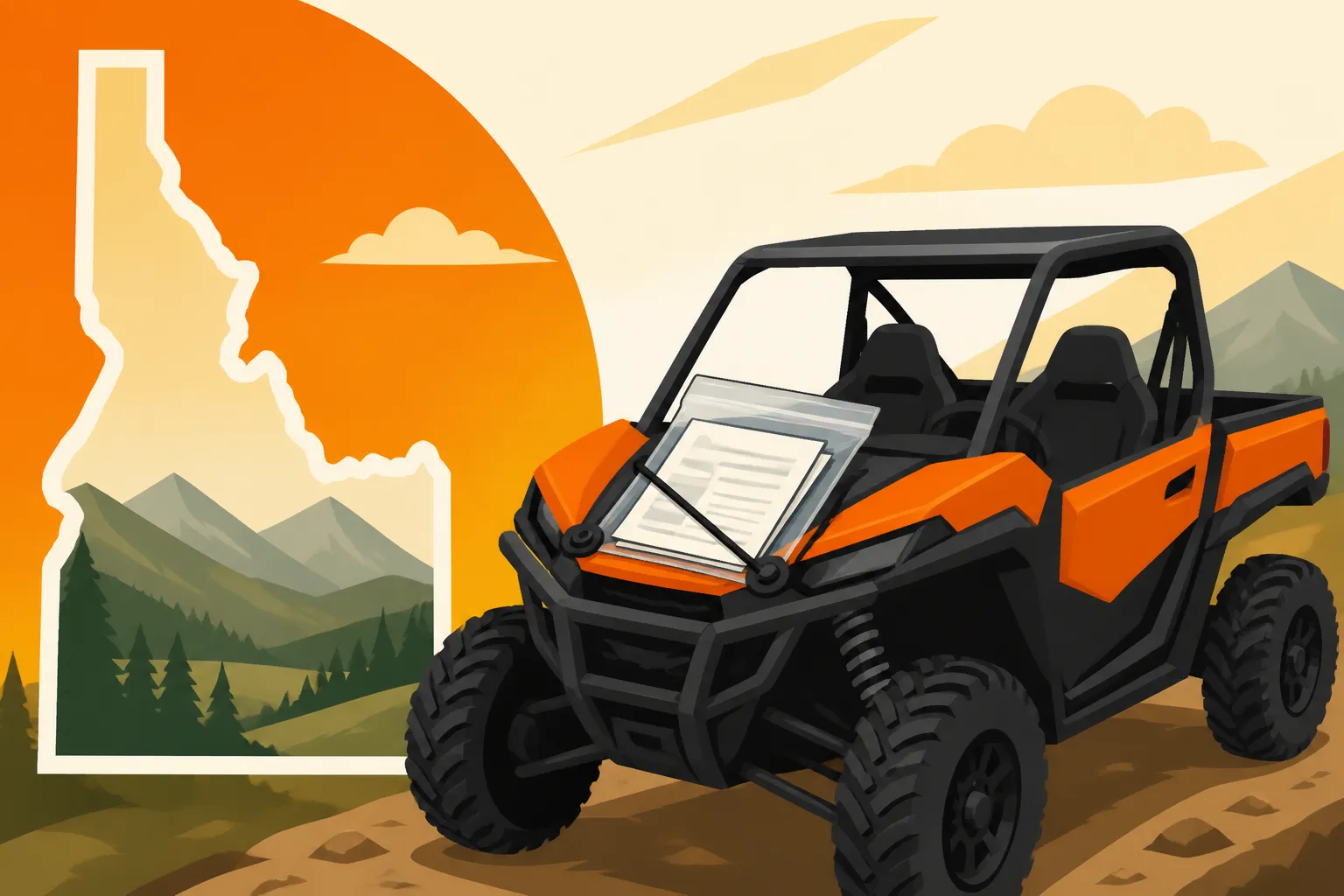
For the documents you do carry on your machine, always keep them in a waterproof container or bag. Idaho weather can be unpredictable, with sudden downpours or splashes from creek crossings. A small, sturdy, waterproof pouch kept in a glove box or under the seat can protect your registration, insurance card, and any other paper you might need to produce on the spot. This simple step prevents ink from running, paper from disintegrating, and saves you the headache of trying to present a soggy, illegible document.
Reviewing and Updating Your Information Regularly
Life changes, and so should your paperwork. Make it a habit to review all your ATV and UTV documents at least once a year. Check the expiration date on your OHV sticker and restricted plate registration. Verify that your insurance policy is current and still covers your machine adequately, especially if you’ve added modifications or if its value has changed. Ensure your contact information (address, phone number) is up-to-date with the Idaho Parks and Recreation Department and your insurance provider.
This annual check-up is also a good time to ensure all your secure at-home documents are still in their designated safe place. Did you move your title for some reason and forget to put it back? Are all your bills of sale filed correctly? This proactive approach minimizes the chances of you being caught off guard with expired or missing information, allowing you to focus on the joy of riding rather than worrying about administrative details. Maintaining up-to-date insurance records is particularly important, as detailed in [Insuring an ATV in Idaho], to ensure you're always covered.
Disclaimer
This article is for general informational purposes only and does not constitute professional advice. Laws, prices and regulations vary by location and change over time. Consult a qualified professional for guidance on your specific situation.