Where Idaho Sells OHV Stickers
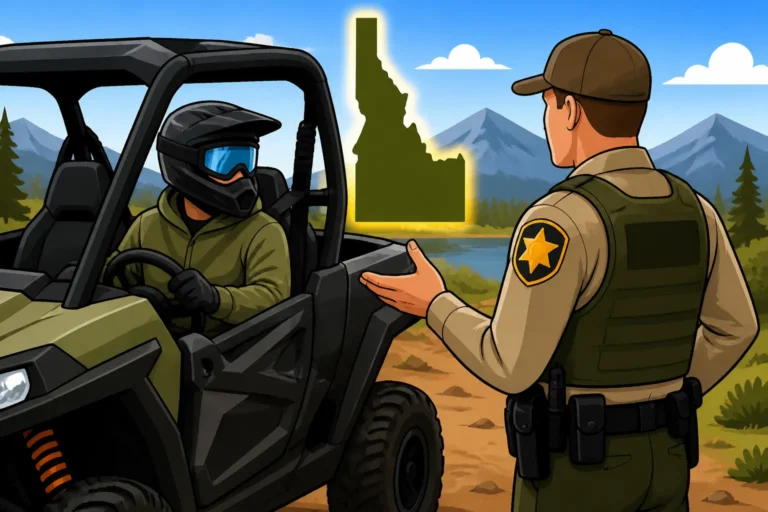
Oh, the humble Idaho OHV sticker! It might seem like just a small piece of adhesive, but it's the golden ticket to unlocking thousands of miles of incredible trails and backcountry roads across our magnificent state. Without it, your carefully planned weekend adventure can turn into a roadside chat with a ranger, and nobody wants that. Figuring out exactly where to get one, what you need to bring, and what to expect can sometimes feel more complicated than planning the actual ride, but don't worry, we're here to demystify the process for you. This guide will walk you through every option and consideration for securing your essential Idaho OHV sticker.
Understanding the Idaho OHV Sticker Requirement
Before we dive into the "where," let's quickly touch on the "why." You might be thinking, "Do I really need another sticker?" And the answer, for anyone planning to enjoy Idaho's vast network of public lands, is a resounding yes! This little sticker is more than just a formality; it's a vital part of keeping our trails open, maintained, and safe for everyone.
Why Every Off-Highway Vehicle Needs a Sticker
Imagine hitting a breathtaking mountain pass, tires gripping the dirt, the smell of pine in the air – that experience is largely thanks to the Idaho OHV sticker program. When you purchase an OHV sticker, a significant portion of that fee goes directly into the Idaho Parks and Recreation Department's Off-Highway Vehicle fund. This fund is absolutely crucial for maintaining the very trails we all love to ride. It pays for things like trail grooming, signage, bridge repairs, clearing downed trees, and even law enforcement patrols that ensure everyone is riding responsibly and safely.
Without these funds, many of our favorite trails would quickly become overgrown, impassable, or simply closed. So, while it's a requirement, think of it as your direct contribution to preserving the incredible riding opportunities Idaho offers. It also helps authorities identify legally registered vehicles, ensuring that those who use the trails are contributing to their upkeep. It’s a collective effort, and your sticker is a big part of it. If you're curious about the specifics, we've got a detailed breakdown in our article [What an Idaho OHV Sticker Costs Each Year]. Neglecting this small but mighty piece of paper can lead to unnecessary fines and a spoiled day, as outlined in [Penalties for an Unstickered OHV in Idaho].
Which Machines Require an Idaho OHV Sticker
Idaho's OHV sticker requirements cover a broad range of off-highway vehicles, ensuring fairness across the board for most riders enjoying public lands. Generally, this includes all-terrain vehicles (ATVs), utility task vehicles (UTVs), dirt bikes (sometimes called off-road motorcycles), and even snowmobiles (though snowmobiles have their own distinct sticker process). The general rule of thumb for ATVs and UTVs is that if your machine has an engine size greater than 50cc, and you plan to ride it on public land – which includes designated trails, county roads open to OHVs, and other public access areas – you need that sticker.
However, there are a few important exceptions to be aware of. If you're exclusively riding your ATV or UTV on private land that you own or have explicit permission to use, and you never venture onto public trails or roads, you typically don't need an OHV sticker. Similarly, vehicles used strictly for agricultural purposes on private or farm-designated lands often fall under different exemptions. For example, if you’re using your side-by-side solely to haul feed around your ranch, you might not need a sticker for that specific use. But, the moment you take that same machine from the ranch to a nearby BLM trail, the sticker becomes mandatory. It's always best to be clear on where you'll be riding. For more on this, check out [Riding a Family Ranch Without a Sticker].
When Your Idaho OHV Sticker Expires
This is a common point of confusion for new and seasoned riders alike, and it's essential to get it right to avoid an unexpected citation. In Idaho, all OHV stickers operate on a calendar year basis. This means that regardless of when you purchase your sticker during the year, it will always expire on December 31st of that same year. So, if you buy your sticker in July, it's good until December 31st. If you wait until November, it's still only good until December 31st.
This annual expiration date means you need to mark your calendar for renewals. Many riders make it a habit to purchase their new sticker at the very beginning of the year, usually in January, to ensure continuous coverage for the entire riding season. There's no pro-rating system, so a sticker bought in December costs the same as one bought in January and expires at the same time. This also means if you're planning a late-season ride, say in November or December, don't assume your sticker from the previous year is still valid. It won't be. Make sure you're always riding with a current sticker. We explain this in more detail in [Idaho OHV Registration Runs January to December].
The Official Outlets for Your Idaho OHV Sticker
Alright, now that we understand the necessity, let's get to the brass tacks: where exactly do you go to get this magical piece of adhesive? Thankfully, Idaho has made it relatively convenient with several official channels. Knowing your options can save you time and hassle, especially if you're in a hurry or in a more remote area.
Idaho Department of Parks and Recreation IDPR Direct Sales
The Idaho Department of Parks and Recreation (IDPR) is the primary state agency overseeing OHV registration and trail management. As such, they are a direct source for purchasing your OHV sticker. IDPR operates several regional service centers strategically located across Idaho. While I can't give you exact real-time addresses, you can typically find these offices in major population centers like Boise, Coeur d'Alene, and Pocatello, as well as some smaller towns that serve as hubs for outdoor recreation.
Purchasing directly from an IDPR service center has a few advantages. The staff there are often highly knowledgeable about OHV regulations, local trail systems, and can answer more nuanced questions you might have about your specific machine or riding plans. They can guide you through the paperwork, ensure you have all the necessary documentation, and process your sticker on the spot. It’s a great option if you prefer face-to-face interaction or have a complex situation. Just remember to check their operating hours before you head out! You can find more information about their locations and services in [IDPR Service Centers and What They Handle].
Authorized Vendor Locations Across the State
For many riders, the most convenient way to purchase an Idaho OHV sticker is through one of the hundreds of authorized vendors scattered throughout the state. These aren't just government offices; they are businesses that have partnered with IDPR to make stickers easily accessible to the public. You'll find these vendors in a variety of places, often where outdoor enthusiasts already shop.
Think your local powersports dealerships, sporting goods stores (both large chains and smaller, independent shops), and sometimes even hardware stores in smaller towns. These vendors act as a one-stop shop, allowing you to pick up your sticker while you're grabbing new gear, looking at a new machine, or just running errands. The benefit here is sheer convenience and widespread availability, especially in many of Idaho's more rural communities where an IDPR office might be a long drive away. When you buy from an authorized vendor, you'll pay the sticker fee plus a small vendor charge, which covers their administrative costs for processing the transaction. This small fee makes it incredibly convenient for riders, allowing shops to provide this essential service without losing money.
County Assessor Offices: A Less Common Option, But Still Valid
While not as universally common as dedicated IDPR centers or powersports vendors, some county assessor offices in Idaho also offer OHV stickers. This option can be particularly handy if you're already at the county office to handle other vehicle-related tasks, like titling a new machine or renewing your driver's license. It can save you an extra trip and consolidate your paperwork.
However, it's important to note that not all county assessor offices provide this service, and their hours or specific procedures might differ from a specialized vendor. If you're considering this route, it's always a good idea to call your local county assessor's office ahead of time to confirm that they sell OHV stickers and to inquire about their specific requirements. This ensures you bring all the right documents and don't end up making a wasted trip. For many, combining your OHV sticker purchase with other vehicle-related business, like applying for an OHV title, can be a time-saver. More about that process can be found in [Buying an Idaho Sticker at a County DMV].
Online Options for Purchasing Your OHV Sticker
In our increasingly digital world, the convenience of buying things from your couch is a huge plus, and thankfully, Idaho has embraced this for OHV stickers. While there's a slight wait for delivery, the ability to renew or purchase at any time, day or night, is a major benefit for many riders.
The Official IDPR Online Portal
The Idaho Department of Parks and Recreation (IDPR) maintains an official online portal specifically for purchasing and renewing OHV stickers. This is often the quickest and most straightforward method for many riders, especially those who are simply renewing an existing registration. The portal is designed to be user-friendly, guiding you through the necessary steps. You'll typically need to input your machine's Vehicle Identification Number (VIN), your personal information, and payment details.
The benefits of using the official online portal are numerous: it's accessible 24 hours a day, 7 days a week, meaning you can complete the transaction whenever it's most convenient for you, without worrying about office hours or driving anywhere. It also reduces paper waste and provides a digital record of your purchase. Once processed, your sticker will be mailed directly to you. Just be sure to allow sufficient time for shipping, especially if you have an upcoming trip planned. Planning ahead is key here, as you can't ride legally until that physical sticker is affixed to your machine. For a comprehensive guide on this process, check out [Renewing an Idaho OHV Sticker Online].
Third-Party Online Vendors and Their Role
While the IDPR's own portal is the primary online destination, you might encounter other websites or services that claim to sell Idaho OHV stickers. It's crucial to exercise caution here. Always ensure that any third-party website you use is an authorized vendor linked directly from the official Idaho Parks and Recreation website, or explicitly mentioned by IDPR as an approved partner. Using unofficial or fraudulent websites could result in you paying for a sticker that never arrives, or one that isn't valid, leaving you in a tricky situation on the trails.
Legitimate third-party vendors, if they exist, would typically operate under strict guidelines from IDPR to ensure the integrity of the process. They might offer additional services or package deals, but the core transaction should always be secure and sanctioned by the state. The best practice is always to start your online search directly on the Idaho Parks and Recreation website (parksandrecreation.idaho.gov) and follow their links to online purchase options. This way, you can be confident that you're using a trusted source and your payment is going where it should.
Receiving Your Sticker by Mail
After completing your online purchase, the wait begins! Your OHV sticker will be mailed to the address you provided. The exact delivery time can vary depending on factors like processing volume and postal service efficiency, but generally, you should expect it to arrive within 7 to 10 business days. It's always a good idea to factor this shipping time into your riding plans.
This means if you're planning a trip for next weekend, ordering your sticker online on Monday might be cutting it too close. You absolutely cannot ride legally on public lands until you have that physical sticker in hand and properly affixed to your machine. There's no temporary print-out or digital proof that substitutes for the physical sticker. If you find yourself in a bind and need a sticker immediately, an in-person purchase at an authorized vendor or IDPR service center would be your best bet. If your sticker seems to be taking an unusually long time to arrive, or if it shows up damaged, you should contact IDPR directly to inquire about its status.
In-Person Purchase Locations: What to Expect
Opting for an in-person purchase can be great for immediate gratification – you walk out with your sticker in hand. But to make sure that experience is smooth and frustration-free, it helps to be prepared. Nothing's worse than driving all the way to a vendor only to realize you forgot a crucial piece of paper!
What to Bring to the Counter
Preparation is key when buying your OHV sticker in person. To ensure a quick and seamless transaction, you’ll want to gather a few essential items before you head out the door. First and foremost, you'll need proof of ownership for your off-highway vehicle. This typically means the original title or certificate of origin for a new machine. If you've just bought a used machine, a properly executed bill of sale, signed by the previous owner, is critical. [Proof of Ownership for an Idaho OHV Title] details these requirements more fully.
Next, you'll need your machine's Vehicle Identification Number (VIN). This unique 17-character code identifies your specific OHV and is absolutely necessary for the registration process. It's often helpful to write this down clearly or even take a photo of the VIN plate to ensure accuracy. Having your driver's license or state-issued ID is also important for verification purposes. Finally, be ready with your method of payment. Most vendors and IDPR offices accept major credit cards and debit cards, and many will also take cash. It’s a good idea to call ahead if you have questions about accepted payment types, especially in smaller, independent shops.
The Purchase Process at a Vendor
When you arrive at an authorized vendor or IDPR service center, the process is generally quite straightforward. You'll typically be asked to fill out a short form that collects your personal information and details about your OHV, including the VIN. The staff will then verify your proof of ownership and ID. They'll input this information into their system, which links your machine to the new sticker.
During this process, be prepared to pay the sticker fee. In addition to the state-mandated sticker price, authorized vendors often charge a small administrative or vendor fee. This is a legitimate charge that helps cover their costs for providing this convenient service. This vendor charge is usually a minimal amount, typically a few dollars, and is separate from the state sticker fee itself. For example, [Idaho OHV Sticker Fee and the Vendor Charge] provides a breakdown of these costs. Once everything is processed and payment is made, they'll hand you your brand-new OHV sticker on the spot. It's a satisfying feeling to walk out with that sticker, knowing you're ready to hit the trails legally!
Tips for a Smooth In-Person Experience
To make your in-person sticker purchase as quick and easy as possible, a little planning goes a long way. First, always call ahead to the specific vendor or IDPR office you plan to visit. Confirm their operating hours, especially around holidays, and double-check that they are indeed selling OHV stickers. You can also inquire about what specific documents they require to avoid any surprises.
Second, consider visiting during off-peak times. Weekends, especially Saturday mornings, and lunch hours can often be the busiest. If you have the flexibility, try going on a weekday afternoon to potentially avoid lines and receive faster service. Third, be patient and polite. Even with the best preparation, unexpected delays can occur, especially in smaller towns or during busy periods. The staff are there to help you, and a friendly demeanor can often lead to a more pleasant experience for everyone. Finally, double-check your receipt and the sticker itself before you leave. Ensure the VIN on the sticker (if printed) matches your machine, and that the expiration date is correct. This can prevent headaches down the line.
What You Need Before You Buy Your Sticker
Beyond just knowing where to go, understanding what information and documents you need is paramount. A quick trip can turn into a frustrating saga if you're missing a key piece of paperwork. Let's make sure you're fully equipped before you even step foot in a vendor's office or log onto the IDPR portal.
Required Documentation for Residents
For Idaho residents, securing your OHV sticker requires clear proof of ownership. If you're buying a sticker for a brand-new machine, you'll need the Manufacturer's Certificate of Origin (MCO) or a Certificate of Title, which the dealer should provide. This document proves that you are the first retail owner. If you're purchasing a sticker for a used OHV, the most crucial document is a properly transferred title. This means the previous owner signed the title over to you in the designated area. If the machine is older and didn't require a title when new, a comprehensive bill of sale that clearly identifies the machine (including VIN) and both buyer and seller is essential.
For renewals, the process is typically simpler, especially if you're renewing online. You'll usually just need your current sticker number or the machine's VIN, as your information should already be in the IDPR system. However, if you've recently purchased a used machine and are applying for the sticker for the first time in your name, be prepared to present those ownership documents. Any ambiguity in ownership can lead to delays or refusal of the sticker. Our article [ATV Bill of Sale Wording Buyers Should Insist On] offers some valuable advice if you're in the market for a used machine.
Understanding Your Machine's Vehicle Identification Number VIN
The Vehicle Identification Number (VIN) is to your OHV what a Social Security number is to you – it's a unique identifier that distinguishes your machine from every other one in the world. This 17-character alphanumeric code is absolutely critical for purchasing an OHV sticker because it’s how the state tracks and registers your specific vehicle. Without it, or with an incorrect one, you simply cannot get a sticker.
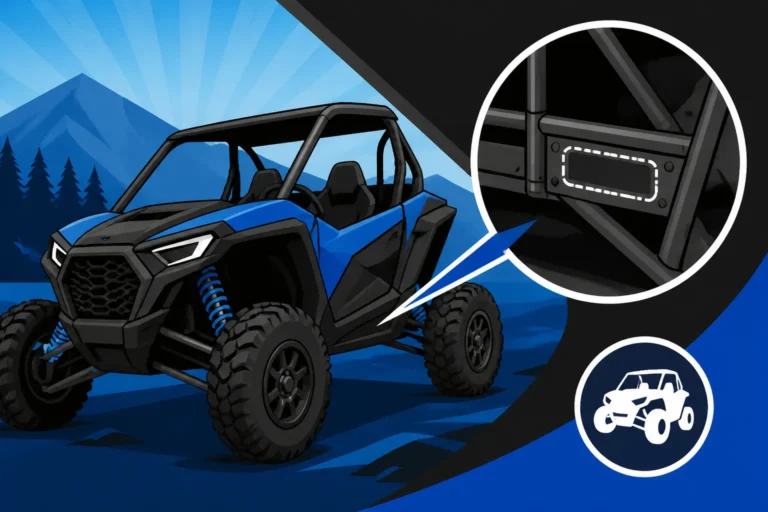
Knowing where to find your VIN is important. On most ATVs and UTVs, the VIN is usually stamped into the frame itself, often on the lower front left side, near the footpeg or front suspension, or sometimes on the frame behind the front wheel. For side-by-sides, it might be on the frame near the driver's side floorboard or under the seat. It’s often also listed on any previous registration documents, the title, or the Manufacturer's Certificate of Origin. Always double-check the physical VIN on your machine against any paperwork you have to ensure they match exactly. A discrepancy can cause significant delays. For tips on locating this important number, especially on popular models, check out [Where the VIN Sits on a Side-by-Side Frame]. Take a photo of it with your phone just to be sure you have it right.
Navigating Proof of Ownership When the Title is Missing
This is where things can get a bit sticky, and it’s a situation many riders unfortunately face, especially when buying used machines privately. What if the seller never quite got around to signing the title over, or perhaps they’ve lost it entirely? Or maybe you bought an older machine that, at the time of its original sale, wasn't legally required to have a title in Idaho. In these scenarios, simply having a generic bill of sale might not be enough to satisfy the county assessor or IDPR when you try to get your sticker.
If you're in a bind and the seller never quite got around to signing the title or you're missing critical paperwork, services like LawDepot can be invaluable. They offer templates and tools for drafting necessary legal documents like a comprehensive bill of sale or even an Affidavit of Ownership. While these won't replace a state-issued title, a well-drafted and notarized affidavit explaining the situation and detailing your ownership history can sometimes help prove ownership to the Assessor's office, especially for older machines or those with convoluted pasts. It provides an extra layer of legitimate documentation that might just bridge the gap. In more severe cases where ownership is highly questionable, you might even need to look into a bonded title, as discussed in [Bonded Title for an ATV in Idaho], but that's a more involved process. The goal is to provide as much verifiable proof as possible that you are the rightful owner. If you’re struggling with this, our article [Titling a Machine Without the Previous Owner] offers more guidance.
Special Considerations for Out-of-State Riders
Idaho's trails are a magnet for riders from all over, and we absolutely love having visitors! However, there's a crucial change that out-of-state riders need to be aware of: Idaho no longer has reciprocity for OHV stickers. This is a significant shift that can catch many visitors off guard, leading to fines if they're not properly prepared.
Why Non-Residents Need an Idaho OHV Sticker
Until a few years ago, many states had "reciprocity" agreements, meaning if you had a valid OHV sticker from your home state, Idaho would honor it. This made it easy for visitors to simply come and enjoy our trails. However, Idaho, like many of its neighboring states, ended these reciprocity agreements. The primary reason for this change was funding. The vast majority of the money generated from Idaho OHV stickers goes directly back into maintaining Idaho's extensive trail system, enforcement, and rider education. When out-of-state riders were using their home state's sticker, they weren't directly contributing to the upkeep of the Idaho trails they were enjoying.
Now, if you're a non-resident planning to ride your OHV on any public land in Idaho – whether it's a Forest Service trail, BLM road, or county road open to OHVs – you must purchase an Idaho non-resident OHV sticker. There are no exceptions for out-of-state registrations anymore. It's a fundamental requirement to ensure that everyone who enjoys our magnificent backcountry is contributing to its preservation and maintenance. We dive deeper into this reasoning in [Why Idaho Ended OHV Reciprocity].
Purchasing a Non-Resident Sticker
The good news is that purchasing a non-resident OHV sticker is just as straightforward as purchasing a resident sticker, using the same official channels. You can buy your non-resident sticker through the Idaho Department of Parks and Recreation (IDPR) online portal, or in person at authorized vendors (like powersports dealerships and sporting goods stores) and even some county assessor offices throughout the state.
When purchasing, you'll select the non-resident option. Idaho offers non-resident stickers for various terms: one, two, or even three years. This can be a great option for frequent visitors, as a multi-year sticker can save you the hassle of annual renewals. You’ll need to provide your machine's VIN and your out-of-state identification. The key takeaway here is to ensure you have your non-resident sticker in hand before you even hit the dirt. Planning ahead, especially if ordering online, is crucial to avoid any delays or potential citations once you arrive. The specific costs for these multi-year options are detailed in [Idaho Non-Resident OHV Sticker Cost].
The Differences Between Resident and Non-Resident Stickers
While both resident and non-resident stickers serve the same purpose – granting legal access to Idaho's public OHV lands – there are a few distinct differences, primarily in their appearance and administrative intent. Visually, non-resident stickers usually have a different color scheme or clear "NON-RESIDENT" labeling printed on them. This allows enforcement officers to quickly identify the sticker type and ensure compliance.
The primary difference, however, lies in what they signify. A resident sticker indicates that the machine is owned by an Idaho resident and is fully registered within the state, often including a title. A non-resident sticker, on the other hand, acknowledges that the machine is legally registered in another state but is paying its fair share to use Idaho's trails. Both types of stickers are equally valid for trail access; neither grants more or less privilege on the trails themselves. They simply denote the residency status of the machine's owner and ensure that trail funding is equitably distributed by those who use the system.
Troubleshooting and Common Questions
Even with the best preparation, sometimes things don't go exactly as planned. What if your sticker gets lost in the mail, or you realize it's expired right before a big trip? These common scenarios can cause a panic, but there are usually clear solutions available.
What if Your Sticker Hasn't Arrived or is Damaged?
You've ordered your sticker online, excitedly planned your trip, and then… nothing. Your sticker hasn't shown up in the mail! This can be incredibly frustrating. First, if the expected delivery window has passed (typically 7-10 business days), contact the Idaho Department of Parks and Recreation (IDPR) directly. Have your confirmation number and the date of your purchase ready. They can often track the status of your order or initiate a replacement if it truly seems lost.
Similarly, sometimes a sticker can arrive damaged or get peeled off shortly after application due to weather, mud, or an unfortunate encounter with a branch. If your sticker is damaged to the point where it's illegible or falls off, you'll need to replace it. Generally, you'll need to contact IDPR for a replacement. They may require some proof of purchase or a sworn statement, but they understand that accidents happen. Don't risk riding with a damaged or missing sticker, as it can still lead to a citation. Our article [Replacing a Peeled Idaho OHV Sticker] offers specific steps for this situation.
Expired Sticker Situations
Picture this: it’s the first warm weekend of spring, you load up the rig, get to the trailhead, and realize your sticker from last year is—gasp—expired! Since Idaho OHV stickers expire on December 31st each year, this is a very common oversight. Riding with an expired sticker is legally the same as riding without one, and it can result in a citation. [Fines for an Unstickered OHV in Idaho] outlines the potential consequences.
If you find yourself in this predicament, the fastest way to rectify it is to find an authorized vendor or IDPR service center and purchase a new sticker in person. They can often process it on the spot, allowing you to get out on the trails that day. If you have some lead time, you can also renew online, but remember to factor in shipping time. Many riders will purchase their sticker for the upcoming year in December, ensuring they are ready to roll on January 1st without any interruption. This proactive approach ensures you never get caught out. For more details on this, check out [Buying an Idaho Sticker in December] and [Renewing a Sticker Without the Old One].
Common Mistakes to Avoid During Purchase
When you're eager to get out and ride, it's easy to overlook small details that can cause big headaches. Here are some common mistakes riders make when purchasing their Idaho OHV sticker:
- Incorrect VIN: This is perhaps the most frequent error. Double-checking that 17-character code against your machine's physical VIN and your title or MCO is critical. A single digit off can invalidate your sticker or cause serious problems down the road.
- Not Having All Required Documents: Showing up without your title, bill of sale, or identification can lead to an immediate rejection of your purchase. Always confirm what's needed before you go.
- Assuming Reciprocity Still Exists for Non-Residents: This is a huge one for visitors. Idaho no longer honors out-of-state stickers. Always buy an Idaho non-resident sticker if you're not an Idaho resident.
- Waiting Until the Last Minute: If you need your sticker quickly, relying on mail delivery might not be an option. Plan your purchase well in advance of your riding trips.
- Not Understanding the Expiration Date: Remember, all stickers expire December 31st, regardless of purchase date. Don't assume a sticker bought in October is good for a full year.
Before heading to the vendor, double-check your paperwork. It can be incredibly frustrating to drive all the way out there, only to realize you've forgotten a crucial document like your bill of sale or the correct VIN. Using a checklist, or even preparing a simple affidavit of ownership through a service like LawDepot if your original paperwork is a bit hazy, can save you a lot of headache and a wasted trip. A well-prepared rider is a happy rider!
Making Sure Your Sticker is Valid and Displayed Correctly
Getting the sticker is only half the battle. To ensure you're fully compliant and avoid any issues with law enforcement, it's equally important to display it correctly on your machine. A sticker purchased but improperly placed is still a problem!
Proper Placement on Your Machine
Idaho law is specific about where your OHV sticker needs to be placed to be considered valid. The general rule is that it must be clearly visible and securely affixed to the machine. For ATVs (quads), the sticker should typically be placed on the rear fender, on the left side (driver's side). It needs to be in a prominent location where it's easily seen by an officer without having to search for it. You don't want it obscured by mud, saddlebags, or other accessories. For side-by-sides (UTVs), the sticker usually goes on the restricted use plate (R plate) if you have one, or on another clearly visible, rigid part of the rear of the machine. The goal is easy visibility. You want an officer to be able to see it at a glance, without having to approach your machine or ask you to point it out. This simple step can save you time and questions during a trailside encounter. Our article [Sticker Placement on a Quad's Fender] provides specific visual guidance.
What to Do After You Apply the Sticker
Once you have that fresh new sticker, apply it carefully to a clean, dry surface on your machine, as per the guidelines above. Smooth out any air bubbles to ensure it adheres firmly and won't peel off easily in the wind or weather. After application, it's a good practice to keep a copy of your purchase receipt, especially for a few weeks after buying the sticker. While the sticker itself is the primary proof of registration, having the receipt can be helpful if there's any question about the sticker's validity, date of purchase, or if it happens to get lost or damaged prematurely. This is also part of a broader recommendation to always carry important paperwork when riding. For more on what documents you should have on hand, refer to [Keeping Paperwork on the Machine]. It's a small extra step that offers peace of mind.
Penalties for Improper Display or Lack Thereof
You’ve gone through the effort of buying your Idaho OHV sticker, but if it's not displayed correctly or has fallen off, you could still face consequences. Idaho law mandates that the sticker be clearly visible. If an enforcement officer cannot easily see the valid sticker, they have the authority to issue a citation, even if you’ve technically purchased one. The logic is that if it’s not visible, it’s not effectively registered on the trail.
This highlights the importance of not just buying the sticker but also ensuring it stays securely affixed and visible throughout the riding season. Regularly check your sticker's condition, especially after rugged rides or through wet conditions. If it starts to peel or fade, address it promptly to avoid any misunderstandings. Citations for an unstickered or improperly displayed OHV can range from monetary fines to more serious penalties, depending on the specifics and whether it’s a repeat offense. Don't let a simple oversight turn your fun day into an expensive one.
| Purchase Method | Pros | Cons | What You'll Need |
|---|---|---|---|
| IDPR Online Portal | 24/7 access, convenient, no travel | Waiting time for mail delivery | VIN, personal info, payment info |
| IDPR Service Center | Expert staff, immediate sticker, advice | Limited hours, travel required | Proof of ownership, VIN, ID, payment |
| Authorized Vendor | Widespread, convenient, immediate sticker | Small vendor fee, varying staff knowledge | Proof of ownership, VIN, ID, payment |
| County Assessor | Can combine with other vehicle tasks | Not all offices offer, varying hours | Proof of ownership, VIN, ID, payment |
| Third-Party Online | (Use caution – verify legitimacy) | Risk of fraud/invalid sticker, mail delay | (Only use if linked from IDPR site, similar to IDPR) |
Disclaimer
This article is for general informational purposes only and does not constitute professional advice. Laws, prices and regulations vary by location and change over time. Consult a qualified professional for guidance on your specific situation.