Idaho Speed Limits for Restricted Vehicles
Riding your ATV or UTV on Idaho's beautiful county and city roads can be a fantastic way to connect trails or simply enjoy the scenery, but it comes with a specific set of rules that often trip up even experienced riders. One of the biggest areas of confusion and frustration for many OHV owners is understanding the speed limits for restricted vehicles. It's not always as simple as following the posted car speed, and getting it wrong can lead to costly tickets and a strained relationship with the local community. This guide will cut through the ambiguity, helping you confidently navigate Idaho's road rules without unexpected fines.
The Core Rule: What Idaho Law Says About Restricted Vehicle Speed
When you’re out enjoying the freedom of Idaho’s open country on your restricted-plate ATV or UTV, it’s easy to get caught up in the moment. However, these machines aren’t always treated exactly like regular passenger vehicles when it comes to road use, especially regarding speed. Understanding the foundational speed limit for restricted vehicles is crucial, and it's where many riders first get it wrong. It's not just about what signs are posted, but also about the overarching regulations that apply specifically to your machine.
The 35 MPH Default: Understanding the Base Line
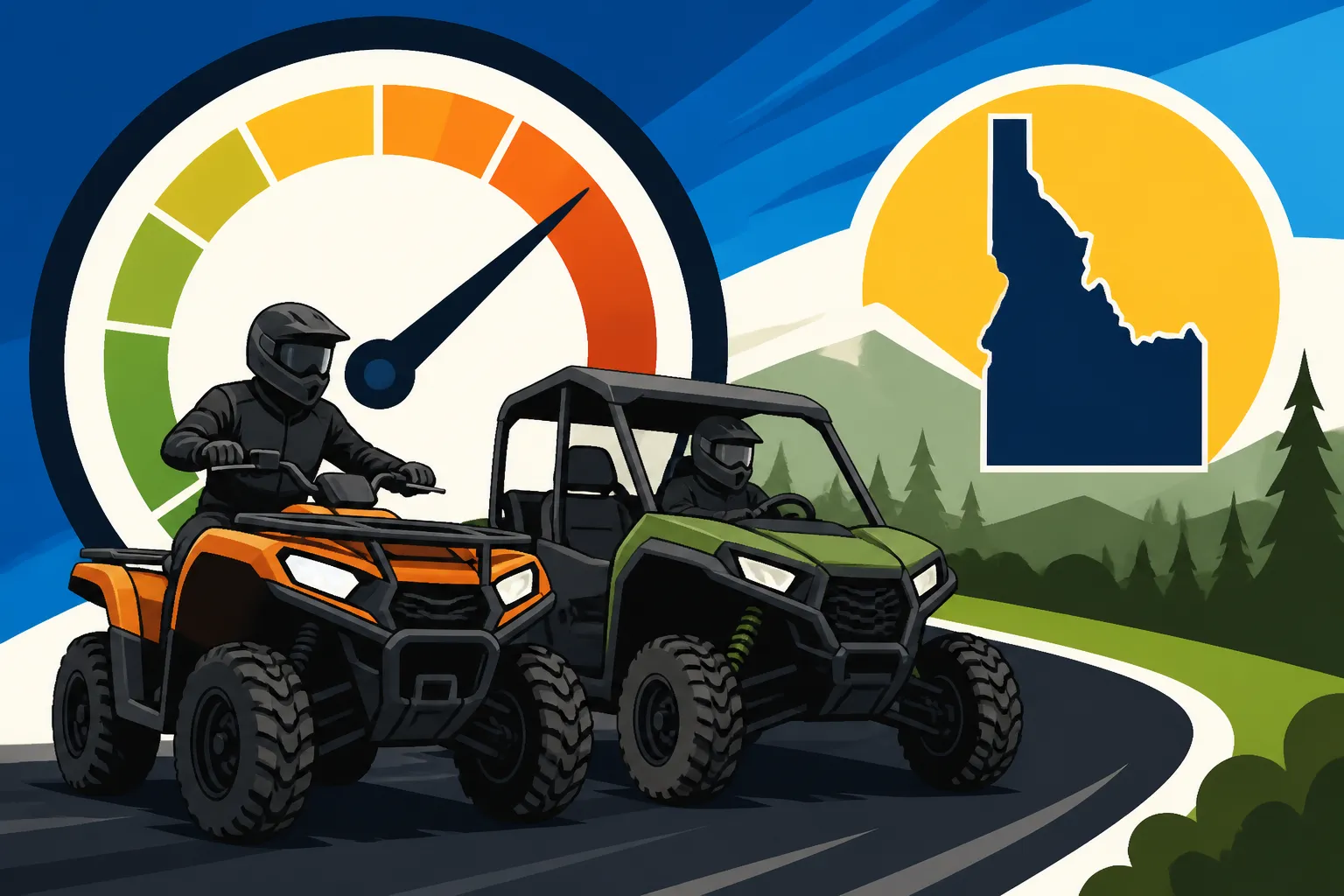
Idaho law sets a specific default speed limit for off-highway vehicles (OHVs) operating on roads where they are permitted. Unless otherwise posted with a lower speed, the maximum speed you can legally travel on an eligible county or city road with a restricted-use plate is 35 miles per hour. This 35 MPH figure is a critical piece of information that every rider with an [Idaho's Restricted Vehicle Plate Explained] needs to know by heart. It’s not just a suggestion; it’s the law, designed to ensure safety for both OHV operators and other motorists, cyclists, or pedestrians who might be sharing the road.
Think about it this way: these machines, while incredibly capable off-road, handle differently on paved or even well-graded gravel roads than a typical car or truck. Their suspension, steering, and braking systems are optimized for different terrains. The 35 MPH limit helps mitigate some of these differences, reducing the risk of accidents and making sure you have ample time to react to unexpected situations, like wildlife darting across the road or a child on a bicycle. It also addresses concerns about dust and noise, especially when cruising through small rural communities or past homes that line county roads. This foundational speed limit is a consistent reminder that while you have the privilege of riding on these roads, it comes with the responsibility of doing so safely and considerately.
When Posted Limits Take Precedence
While the 35 MPH rule is your default, it’s absolutely essential to remember that it is a maximum when no other speed limit is posted. If you encounter a road with a clearly visible speed limit sign that indicates a lower speed, that lower limit is what you must adhere to. This is a common scenario in residential neighborhoods, school zones, or sections of road with sharp curves or limited visibility. For instance, if you're riding through a small town and the posted limit drops to 25 MPH, you must slow your OHV to 25 MPH or less, even if the general county road you were just on allowed 35 MPH.
Ignoring posted signs because you think "my OHV can go 35" is a surefire way to get a ticket and erode public trust in OHV access. Law enforcement takes these posted limits seriously, particularly in areas where children might be present or where residents have voiced concerns about speed. Always be vigilant for speed limit signs, slow down as required, and exercise common sense. A good rule of thumb is to look for signs, and if there are no signs, assume 35 MPH is your ceiling. This proactive approach not only keeps you legal but also contributes to a safer, more harmonious environment for everyone sharing Idaho's diverse network of roads. Remember, a critical part of knowing [What Idaho Requires Before You Ride a County Road] is understanding and respecting all traffic signs.
Situations That Can Influence Your Speed
Riding your restricted vehicle on Idaho's roads isn't just about knowing the legal maximum speed; it's also about adapting to your surroundings. The dynamic nature of Idaho's landscapes and communities means that simply adhering to the 35 MPH default or a posted sign might not always be the safest or most responsible course of action. There are numerous situations where exercising caution and reducing your speed below the legal limit is not just good practice, but an absolute necessity.
School Zones, Residential Areas, and Special Districts
Even if the county road you're on generally permits a 35 MPH speed for OHVs, specific segments can have significantly lower limits, often prominently marked. School zones are a prime example. When those flashing lights indicate reduced speed, or when children are present, the posted limits, which are usually 15 or 20 MPH, apply to all vehicles, including your ATV or UTV. Failing to slow down in a school zone is not only incredibly dangerous but can also result in hefty fines and a strong negative reaction from the community. [Idaho City and County Ordinances That Close Roads] sometimes stem from community complaints, and speeding is a major factor.
Similarly, as you transition from open rural roads into more densely populated residential areas, you'll almost always encounter lower posted speed limits. These areas prioritize pedestrian safety, reduced noise, and a general quality of life for residents. Whether it's 25 MPH, 15 MPH, or even lower, these limits are enforced rigorously. Always be on the lookout for signs indicating "Residential Area," "Children at Play," or specific town ordinances that might further restrict OHV speeds within city limits. Being a responsible rider means being an observant rider, respecting these zones, and prioritizing the safety of others over maintaining speed. This includes being mindful of noise and dust, as excessive speed in these areas only amplifies those concerns.
Road Conditions and Common Sense: Beyond the Legal Limit
While laws provide the framework, common sense and good judgment should always guide your actual speed, especially on Idaho's diverse roads. A legal 35 MPH on a smooth, paved county road might be perfectly safe, but that same speed on a washboard gravel road, a wet dirt track, or a road covered in loose rocks could be outright dangerous. When conditions are less than ideal, you need to slow down, regardless of the posted or default speed limit.
Consider factors like:
- Surface: Is it loose gravel, slick mud, deep dust, or freshly graded? Each requires a different approach to speed and control.
- Visibility: Are there blind curves, hills that obscure oncoming traffic, or heavy dust clouds (either from your machine or others) reducing your sight distance? If you can't see what's ahead, you need to slow down.
- Wildlife: Idaho is home to abundant wildlife. Elk, deer, moose, and even smaller animals like coyotes can dart onto the road without warning. If you're in an area known for wildlife crossings, or if it's dusk or dawn, reduce your speed to give yourself more reaction time.
- Other Users: Are there cyclists, equestrians, or pedestrians sharing the road? Even if you have the legal right-of-way, slowing down and giving them ample space is a courtesy that fosters positive relationships between different road users.
Investing in quality suspension components from brands like SuperATV can significantly improve your machine's handling and stability on rough terrain, allowing for better control. However, even the best aftermarket parts can't defy the laws of physics or negate the need for responsible driving. A great machine with great components, like those from SuperATV, performs best when operated within safe limits dictated by conditions. Always prioritize safety over speed.
Enforcement and Consequences of Speeding
It’s easy to think that speeding on an ATV or UTV on a quiet back road might go unnoticed. After all, you’re not in a car, and there isn't always traffic. However, this is a dangerous misconception. Idaho law enforcement, including county sheriffs and state police, actively patrol roads open to OHVs, and they are fully empowered to enforce speed limits. Ignoring these rules can lead to more than just a momentary inconvenience; it can have significant legal and financial repercussions, not to mention a lasting impact on how OHVs are perceived in the community.
Why Deputies Care: Safety and Public Perception
Idaho deputies and local law enforcement officers take OHV speeding seriously for several key reasons. Foremost among them is public safety. While ATVs and UTVs are fantastic for recreation, their unique handling characteristics, open-air design, and often faster acceleration capabilities mean that high speeds on public roads can quickly become hazardous. Accidents involving OHVs on roads can lead to severe injuries or fatalities, and law enforcement's primary role is to prevent such incidents. They are often responding to real concerns from local residents who might live along these county roads, dealing with issues like excessive dust, noise, and the perceived danger of fast-moving OHVs near their homes.
Furthermore, how OHV riders behave on public roads directly impacts the public perception of the entire sport. When a few riders speed excessively, create large dust clouds, or ride recklessly, it unfortunately casts a shadow on all riders. This negative perception can lead to calls for increased restrictions, further limitations on road access, or even the closure of roads that were once open to OHVs. Deputies know this, and their enforcement efforts aren't just about issuing tickets; they're about promoting responsible riding that helps maintain access for everyone. They want to ensure that riders understand the importance of being good stewards of the roads and communities they pass through.
Fines and Penalties for Exceeding the Limit
The consequences of being caught speeding on your restricted vehicle in Idaho are very real and can hit you right in the wallet. Exceeding the speed limit on an eligible county or city road can result in a traffic citation, similar to what you’d receive for speeding in a car. While specific dollar amounts vary depending on the severity of the offense and the jurisdiction, be prepared for a substantial fine. These aren't just minor slaps on the wrist; they are designed to deter unsafe driving practices.
In addition to fines, speeding tickets can lead to points on your driving record, potentially affecting your insurance rates. If you accrue too many points, it could even lead to the suspension of your driver's license, which would impact your ability to operate any motor vehicle, not just your OHV. Remember that [Fines for Speeding on a County Road] are real, and an OHV is treated like any other vehicle in this scenario. For young riders, specific rules apply, and violations could have even more serious consequences, particularly concerning their eligibility to ride. The bottom line is that the cost of a speeding ticket, combined with potential insurance hikes and other penalties, far outweighs the brief thrill of driving too fast. It’s always better to stick to the legal limits and ride responsibly.
Staying Safe and Legal on Idaho's Back Roads
Riding your restricted vehicle on Idaho's public roads is a privilege, and ensuring that you uphold that privilege means being prepared, being respectful, and understanding that your actions reflect on the entire OHV community. It's not just about avoiding tickets; it's about contributing to a positive experience for everyone who uses Idaho's roads and trails. Taking a few proactive steps can make a huge difference in your safety and the longevity of OHV access.
Pre-Ride Checks and Equipment for Road Use
Before you even think about hitting a county road on your ATV or UTV, a thorough pre-ride check is non-negotiable. Your machine needs to be in tip-top shape and properly equipped to meet [What Idaho Requires Before You Ride a County Road]. This goes beyond just having a restricted plate.
Here's a quick checklist:
- Tires: Check tire pressure. Improperly inflated tires can affect handling, especially on paved surfaces, and increase the risk of a blowout. Ensure your treads are in good condition for optimal grip.
- Brakes: Test both front and rear brakes to ensure they are fully functional and responsive.
- Lights: Verify that your headlights, taillights, and brake lights are all working. If your machine is equipped with turn signals (which are often required for road use), confirm they're operational. Even if not strictly mandated, a good set of [Mirrors on a Road-Legal Side-by-Side] is critical for situational awareness.
- Horn: A working horn is a safety device you hope you never need, but must have.
- Suspension: Ensure your suspension is in good working order. High-quality aftermarket suspension from a brand like SuperATV can offer much better control and a smoother ride on varied road conditions, enhancing safety. Regular maintenance is key to keeping these components performing as they should.
- Fluid Levels: Check oil, coolant, and brake fluid levels.
- Safety Gear: Make sure you and any passengers have appropriate safety gear, including helmets if required by age, and eye protection.
These checks only take a few minutes, but they can prevent breakdowns, accidents, and potential citations. Being prepared demonstrates responsibility and helps ensure a safe and enjoyable ride.
Being a Good Neighbor: Shared Road Etiquette
Sharing Idaho's roads means being considerate of everyone else, not just other OHV riders. Your behavior on the road directly impacts how local communities and other road users perceive OHVs. Adopt a "good neighbor" mentality, and you'll go a long way in fostering positive relationships and maintaining access.
Here are some key etiquette points:
- Manage Your Dust: On dry gravel roads, excessive speed creates huge dust clouds that can obscure visibility for other drivers and blanket nearby homes and fields. Slow down significantly when passing other vehicles, homes, or active farms. It's not just polite; it's a safety measure.
- Yield When Necessary: Even if you technically have the right-of-way, sometimes yielding to a larger vehicle, a horse and rider, or a slow-moving farm implement is the safest and most courteous option.
- Minimize Noise: While aftermarket exhausts can be fun on the trail, they can be a nuisance in residential areas. Be mindful of your noise level, especially when riding through towns or past homes.
- Pull Over Safely: If you need to stop, pull completely off the road where it is safe to do so, ensuring you don't block traffic or obscure views.
- Wave and Acknowledge: A friendly wave to other drivers, residents, or pedestrians goes a long way in showing you're a responsible and respectful member of the community.
- Understand Local Nuances: Some areas might have unwritten expectations or local customs. Being observant and asking local riders for advice can help you fit in.
By being a good neighbor, you're not just ensuring your own ride is smooth; you're helping to secure continued access for all OHV enthusiasts. This proactive approach supports the community and keeps those beautiful [Idaho Roads That Begin With R] open for future adventures. Remember, respect on the road earns respect in return, and this is crucial for the future of [Riding an ATV on the Road in Idaho].
| Road Type / Condition | Typical Speed Limit for Restricted OHV | Factors Influencing Speed | Key Considerations |
|---|---|---|---|
| Open County Road | 35 MPH (default maximum) | Posted signs, surface quality | Always watch for lower posted limits; manage dust on gravel |
| Residential Area | Posted (often 15-25 MPH) | Pedestrians, children, noise | Prioritize safety, be mindful of noise; signs override default |
| School Zone | Posted (often 15-20 MPH, flashing) | Children, school activity | Strict enforcement; reduce speed immediately |
| Unmaintained Gravel | Below 35 MPH (common sense) | Washboard, loose rocks, dust | Reduce speed for control, visibility, and comfort |
| Blind Curves/Hills | Below Posted Limit (common sense) | Limited sight lines, oncoming traffic | Anticipate hazards, ride defensively |
| Wildlife Areas | Below Posted Limit (common sense) | Animal crossings, dawn/dusk | Maximize reaction time, especially at low light |
Disclaimer
This article is for general informational purposes only and does not constitute professional advice. Laws, prices and regulations vary by location and change over time. Consult a qualified professional for guidance on your specific situation.