Parking an OHV at a Trailhead Store
We've all been there: out on an epic Idaho ATV or UTV ride, miles from the trailhead, when the craving for a cold soda or a quick snack hits. Or maybe the fuel gauge is nudging empty, and you spot that little general store in a mountain town, a beacon of civilization. Pulling up to a trailhead store, whether it's in tiny Featherville, bustling McCall, or quaint Stanley, is a welcome sight. But it also brings a moment of pause. You've got a valuable machine, often loaded with gear, sitting out while you dash inside. This guide is all about navigating that stop, helping you understand how to park your OHV safely, courteously, and smartly at these essential backcountry outposts.
Understanding the Trailhead Store Landscape in Idaho
Idaho's vast backcountry is dotted with small towns and rural businesses that have become indispensable pit stops for off-highway vehicle (OHV) riders. These aren't your typical urban strip malls; they are often local staples that adapt to the seasonal influx of outdoor enthusiasts. Knowing what to expect from these locations can help you plan your parking strategy.
The Hubs of Backcountry Adventure
For many riders exploring Idaho's extensive trail systems, these small-town stores are more than just places to buy provisions; they're genuine hubs of activity. You'll find them strategically located near popular riding areas, such as the gateway towns to the Boise National Forest, along the Magruder Corridor, or near the myriad trails around the Sawtooths and the Panhandle. Think about places like Idaho City, which buzzes with OHV traffic, or the small stores along State Highway 55 heading towards McCall, and even tiny establishments deep in the mountains like in Burgdorf or Yellow Pine.
These establishments typically offer a lifeline of supplies: gasoline, essential snacks, cold drinks, and often a surprising array of local goods or emergency repair items like tire patch kits. Some even boast small delis or cafes where you can grab a hot meal, turning a quick stop into a pleasant break from the dust and engine noise. For many of us, it’s not just about the transaction; it’s about soaking in the local atmosphere, swapping trail stories with other riders, and getting a dose of human connection before heading back into the wild. You might even find a local giving you a tip on [Where to Ride an ATV in Idaho] or [Planning an Idaho Riding Trip].
What makes these spots so unique is their blend of rugged utility and small-town charm. They serve both the local residents and the steady stream of adventurers passing through. This mix creates a vibrant, if sometimes crowded, environment. While everyone is generally friendly and focused on enjoying Idaho's incredible outdoors, the visible presence of valuable machines also means being mindful of security.
Why Parking Requires Special Thought
Parking an OHV at a trailhead store isn't quite the same as pulling a sedan into a supermarket lot. These machines, whether a sleek Polaris RZR, a workhorse Can-Am Defender, or your trusty Honda Foreman, are significant investments. Their open-air designs often mean gear, accessories, and even the ignition itself are more exposed than in a closed vehicle. This inherent visibility, combined with the often remote location of these stores, means parking demands a bit more forethought.
One of the primary concerns, of course, is theft or tampering. While Idaho is generally a safe place, opportunists can exist anywhere. An OHV left unattended, especially one that looks "tricked out" with aftermarket parts from a place like SuperATV, can attract unwanted attention. Unlike urban areas where many businesses have dedicated security cameras or staff actively monitoring parking lots, smaller, rural trailhead stores may have limited or no formal security infrastructure. This means you, the rider, bear a greater responsibility for your machine's safety.
Beyond security, there's also the practical aspect. These stores often have limited parking space, especially during peak riding season. A large side-by-side or a truck and trailer combination can take up a lot of room, and it's essential to park courteously to avoid blocking access for other customers or delivery vehicles. Furthermore, the very nature of trail riding means your machine might be dusty, muddy, or even dripping a bit after a water crossing. Being mindful of where you park to avoid creating a mess or tracking excessive dirt into the store is also part of good trail etiquette.
Best Practices for Secure OHV Parking
When you pull up to an Idaho trailhead store, your first thought is probably about that cold drink or bag of chips. But before you switch off the engine, take a moment to consider where and how you're parking. A few simple habits can make a huge difference in keeping your valuable machine safe and secure.
Location, Location, Location
Just like in real estate, where you park makes a big impact. When possible, always try to position your OHV in a spot that offers the best visibility and natural deterrents.
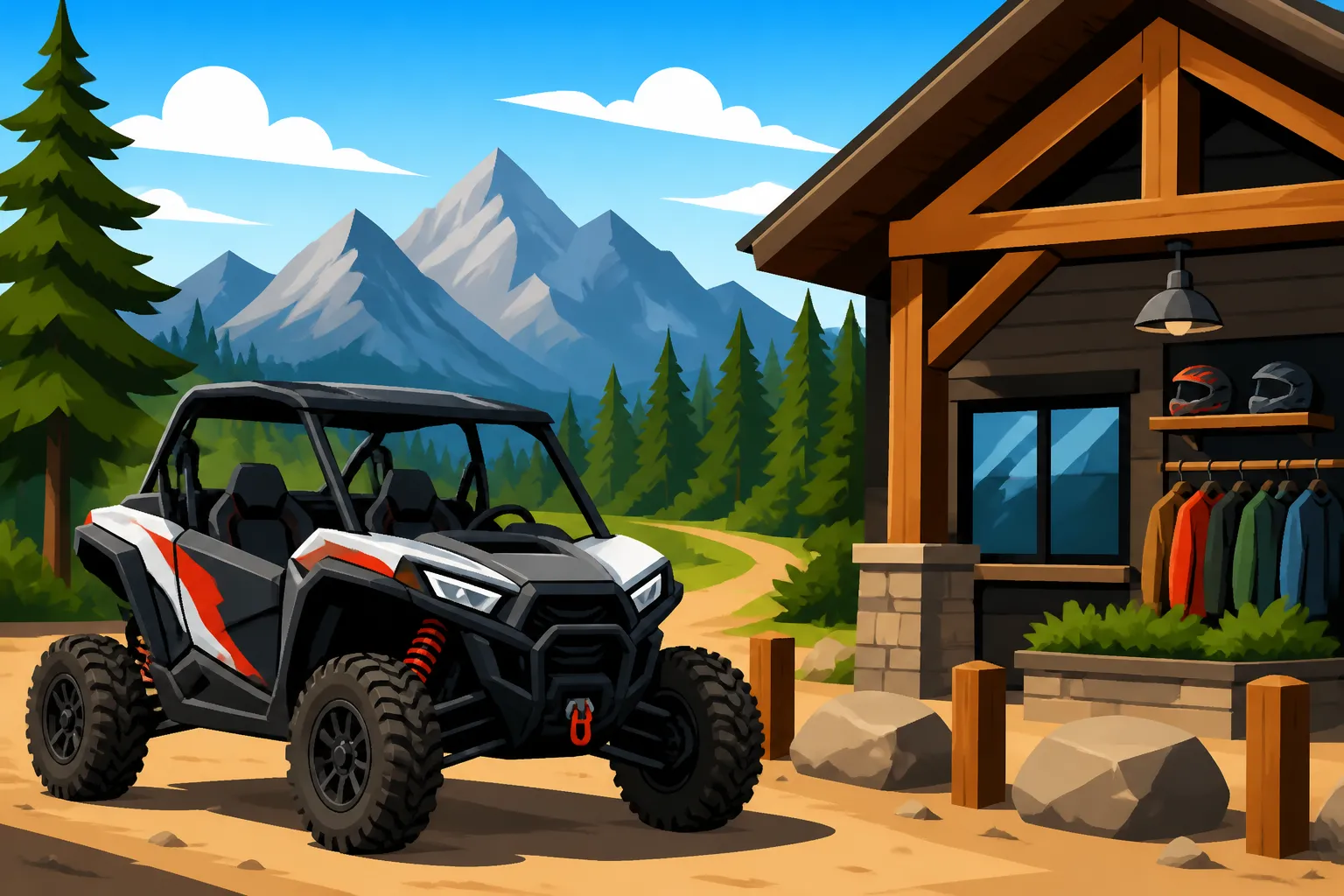
Think about parking your quad or side-by-side as close to the store's main entrance or directly in front of large windows as you can. The idea here is simple: more eyeballs on your machine mean less opportunity for someone to mess with it unnoticed. Store employees, other customers coming and going, or even just people sitting inside looking out can serve as informal deterrents. It’s harder for someone to quickly tamper with or attempt to steal a machine when they feel like they’re under observation. This strategy is especially useful in towns where you might be [Parking an OHV at a Trailhead Store] that also serves as a general gathering spot.
If your stop extends into the late afternoon or evening, prioritize well-lit areas. Darkness provides cover, and a machine parked in a dim, out-of-the-way corner is an easier target than one bathed in the glow of the store's exterior lights. Many of these smaller stores might not have extensive parking lot lighting, so look for spots under the direct illumination of a porch light or a streetlamp if available. Avoiding secluded spots behind buildings, next to dumpsters, or obscured by thick bushes or trees drastically reduces the chances of a theft attempt going unnoticed.
Finally, consider parking near other OHVs if they are present and appear to be securely parked. There's often a sense of camaraderie among riders, and a cluster of machines might suggest mutual observation. Plus, a thief might be less inclined to target one machine in a group when there's more potential for witnesses. However, always remember that other riders' security habits are not a substitute for your own, so don't rely solely on their presence. Always be respectful of any specific signage regarding designated OHV parking areas to ensure smooth traffic flow for everyone.
Layering Your Security Measures
When it comes to securing your OHV, think in layers. No single measure is foolproof, but combining several strategies makes your machine a much less appealing target. The more hoops a potential thief has to jump through, the more likely they are to move on.
First and foremost, the absolute basic step that sometimes gets overlooked in the excitement of the ride: always turn off your ignition and remove the key. It sounds incredibly obvious, but in a rush to grab a cold drink or use the restroom, it’s easy to forget. Without the key, even a skilled thief has a much harder time starting your machine, especially if it’s a newer model with advanced ignition systems. Make it a non-negotiable habit every single time you step away, even for just a minute.
Next, consider physical deterrents. A steering wheel lock for UTVs or a handlebar lock for ATVs can add a significant barrier. These devices physically prevent the steering mechanism from working, making it impossible to drive the machine straight. They are relatively inexpensive, easy to use, and highly visible, which in itself can deter opportunists. For even more robust protection, especially if you anticipate a slightly longer stop or feel uneasy about the location, a wheel lock or boot can be incredibly effective. These devices clamp onto one of your wheels, preventing it from turning and making the machine immobile. They are bulkier to carry, but for peace of mind, they can be well worth the effort.
Finally, don't forget your gear. Those expensive helmets, GPS units, coolers, and action cameras are also targets. A cable lock or chain lock can be used to secure these items to the frame of your OHV. For instance, if you have a premium cargo box attached to your side-by-side, perhaps one from SuperATV, running a cable through its handles and around a roll bar can deter a quick snatch-and-grab. Remember that [Keeping Paperwork on the Machine] is also crucial, but don't leave your physical title in the machine; keep it somewhere very secure or at home. You should always have your registration and proof of [Insuring an ATV in Idaho] with you, but keep them discreetly tucked away, not in plain sight.
Minimizing Temptation
Even with physical locks in place, a visible array of tempting valuables can still draw unwanted attention. The goal here is to make your OHV look as unappealing as possible to anyone with sticky fingers.
The easiest way to minimize temptation is to remove all small, easily snatched valuables from plain sight and take them with you. This includes your wallet, phone, any loose cash, sunglasses, handheld GPS units, and action cameras. If you have a fancy new helmet, goggles, or gloves, don't just leave them sitting on the seat or hanging from the handlebars. Either take them inside with you, or secure them using one of those cable locks you brought along. An empty machine with nothing visible to grab is far less attractive to a casual thief looking for an easy score.
If you have a storage compartment or a cargo box, use it! Stashing items out of sight, even if they aren't locked, is better than leaving them openly displayed. However, for truly valuable items, locking them within a secure cargo box is the best practice. Some riders even go a step further and use a simple, lightweight OHV cover. This not only protects your machine from dust and sun but also conceals what type of machine it is and what gear might be on it, making it less of an immediate target. A covered machine might suggest to a thief that the owner is serious about security, making them think twice before investigating further.
Remember, the vast majority of people you encounter at an Idaho trailhead store are honest and just enjoying their ride. But taking these preventative measures reduces the "target value" of your machine and allows you to enjoy your quick stop without constant worry.
Understanding Local Nuances and Etiquette
Riding in Idaho is about freedom and exploration, but it's also about respecting the communities you pass through and the shared spaces you use. When you pull up to a trailhead store, you become an ambassador for the entire OHV community. Mindful parking isn't just about security; it's about good manners and fostering positive relationships with the locals.
Respecting Store Policies and Local Ordinances
When you arrive at a trailhead store, always take a moment to scan for any posted signs. Many businesses in OHV-friendly towns understand and welcome riders, sometimes even providing designated parking areas for quads and side-by-sides. Look for signs that say "OHV Parking," "Customer Parking Only," or even "No OHV Parking." Adhering to these local directives ensures a smooth experience for everyone and reinforces the idea that riders are considerate guests. Ignoring a "No OHV Parking" sign, for instance, can quickly sour a business owner's opinion of the riding community.
Noise is another critical consideration, especially in smaller mountain towns where residents value peace and quiet. While your machine might sound fantastic out on the trail, prolonged idling or revving the engine in a parking lot can be disruptive. Be particularly mindful of [Idaho Noise Rules Near Mountain Towns] when passing through residential areas or stopping at a store in the middle of a village. Turn off your engine promptly once you've parked, and avoid making unnecessary noise. Similarly, if your machine is particularly muddy, try to park in a spot where you won't track excessive dirt and grime onto paved surfaces or directly into the store's entrance. A little courtesy goes a long way in ensuring these crucial resupply points remain welcoming to all riders.
Remember, these small businesses are often the lifeblood of rural communities. Being a polite, respectful customer not only benefits you but helps solidify the positive perception of OHV recreation. These stores rely on your business, and you rely on them for essential services; it's a symbiotic relationship best maintained with mutual respect.
Communication and Awareness
Even with all your security measures in place, a little human element can provide an extra layer of safety and foster good community relations. Being present and aware of your surroundings is always a good practice.
If you're riding with a group, establish a simple plan: while some go inside for supplies, others can stay with the machines or keep a watchful eye from a nearby picnic table. This rotating watch system is highly effective, especially when you have multiple valuable OHVs. It’s a common, unspoken rule among riding groups that someone always keeps an eye on the rig. This ensures continuous oversight and makes any potential wrongdoer think twice.
Beyond your group, a quick, friendly interaction with the store owner or an employee can work wonders. A simple "Hey, just stopping for a few minutes to grab some snacks, be right back" not only lets them know you're a customer but also subtly makes them aware of your machine outside. In small towns, locals often have a strong sense of community and keep an eye out for one another. This brief acknowledgment can encourage them to be more observant of your vehicle. And speaking of observation, always be aware of who else is around. Do you notice anyone loitering or paying undue attention to your or other riders' machines? Trust your gut feeling. If something feels off, perhaps move your machine to a more visible spot or even consider leaving if you feel truly uncomfortable. Remember that if a deputy approaches, they might ask you [What an Idaho Deputy Asks a Rider For], so always be prepared with your paperwork.
This sense of community vigilance, combined with your personal security habits, creates a strong deterrent. By being a friendly, aware, and responsible rider, you not only protect your own investment but also contribute to a safer, more welcoming environment for everyone who enjoys Idaho's incredible OHV trails.
Beyond the Quick Stop: When to Consider Alternative Parking
Most of the time, stopping at a trailhead store is a quick in-and-out affair. You grab what you need, fuel up, and you’re back on the trail. But there are times when your plans might involve a longer stay, and in those situations, the typical store parking lot might not be the most appropriate or secure option.
Longer Stays or Overnight Needs
If your stop at a particular trail town or a general store is going to be more than just a few minutes—say, you plan to have a sit-down meal, explore the town for an hour, or even stay overnight—then leaving your valuable OHV in an unsecured parking lot for an extended period is a significant risk. For situations like these, it’s far wiser to seek out dedicated, secure parking options.
Many of Idaho's popular trail towns, like McCall, Stanley, and Salmon, have recognized the influx of OHV riders and now offer accommodations specifically catering to them. This can range from hotels and motels with secure, fenced parking areas for trailers and OHVs, to campgrounds that provide designated, monitored spots. Some even have cabins with private garages or enclosed areas where you can safely store your machine. [Lodging in McCall for Riders] often includes these types of facilities, understanding that riders need more than just a bed for the night. Before you plan a longer stop, it’s always a good idea to call ahead to your chosen accommodation or explore local visitor information to find out what secure OHV parking options are available. Utilizing these specialized services offers a level of security and peace of mind that a general store parking lot simply cannot match.
Trailer Parking Considerations
For many riders, especially those traveling long distances or with multiple machines, the OHVs are transported on a trailer. This brings its own set of parking considerations when you stop at a trailhead store or in a small town. You might be considering whether to unhitch and ride your OHV directly into town, or to leave it on the trailer while you run errands in your tow vehicle.
If you've brought your machine on a trailer, securing the OHV to the trailer, and the trailer to the tow vehicle, is paramount. This means not only properly [Strapping a Machine Down for a Mountain Highway] but also using receiver hitch locks to secure your trailer to your truck, and wheel clamps on the trailer itself if you plan to leave it unattended for a significant period. Never assume that because it’s on a trailer, it’s inherently safe from theft. A determined thief can quickly detach an unsecured trailer and be gone in minutes. Always ensure your [Trailer Registration for Hauling ATVs in Idaho] is current and easily accessible.
When arriving at a trailhead store with a truck and trailer, finding adequate parking can be a challenge. These lots are often designed for single vehicles. Be mindful of how much space your rig occupies and avoid blocking pumps, entrances, or traffic flow. It might be necessary to park a little further away, or even temporarily unhitch in a designated area if one is available. If you choose to leave your machine on the trailer while you go into the store or drive into town, double down on security: use multiple locks on the OHV itself, secure the trailer to your tow vehicle, and consider a wheel boot on the trailer. A quick stop for [Fueling an OHV in an Idaho Trail Town] might mean leaving the OHV on the trailer, but if you're planning to stop for lunch or visit multiple shops, finding dedicated truck and trailer parking might be a better option than tying up a limited spot at the trailhead store.
Ultimately, balancing convenience with security is key. For a quick grab-and-go, a well-chosen spot at the trailhead store might be fine. But for anything longer, or if you're hauling your machine, explore the more robust, dedicated parking solutions that many of Idaho's trail communities now proudly offer.
| Security Measure | Description | Best Use Case | Effectiveness |
|---|---|---|---|
| Key Removal | Taking your ignition key with you. | Every single time you step away. | Basic |
| Steering/Handlebar Lock | Physical lock preventing steering. | Quick stops, added deterrence. | Good |
| Cable/Chain Lock | Securing wheels, frame, or accessories to an immovable object. | Longer stops, securing valuable gear. | Better |
| Wheel Clamp/Boot | Locks around a wheel, making the machine impossible to roll. | Overnight, high-risk areas. | Excellent |
| GPS Tracker | Device hidden on machine for location tracking. | Ultimate recovery aid, any length of stop. | Excellent |
| Remove Valuables | Taking phones, wallets, cameras, etc. with you. | Every stop, removes immediate incentive for theft. | High |
Disclaimer
This article is for general informational purposes only and does not constitute professional advice. Laws, prices and regulations vary by location and change over time. Consult a qualified professional for guidance on your specific situation.