Idaho Helmet Standards and Who Must Wear One
Navigating the rules and regulations for ATV and UTV riding in Idaho can feel like trying to untangle a fishing line after a big catch – especially when it comes to something as vital as helmet use. There's a lot of hearsay out there, and it’s easy to get confused about who needs to wear a helmet, where, and what kind of helmet actually counts. This guide is here to cut through the noise, offering clear, realistic insights into Idaho's helmet standards and who absolutely needs to strap one on before hitting the trails or open roads.
Idaho's Core Helmet Law: Who Must Wear One
Let's get straight to the heart of it: Idaho has specific laws about who needs to wear a helmet when operating or riding as a passenger on an off-highway vehicle (OHV). It’s not just a suggestion; it’s a legal requirement designed to keep riders safe. The primary focus of these laws is on age, but there are nuances that every rider and parent needs to understand.
The Clear-Cut Age Requirement
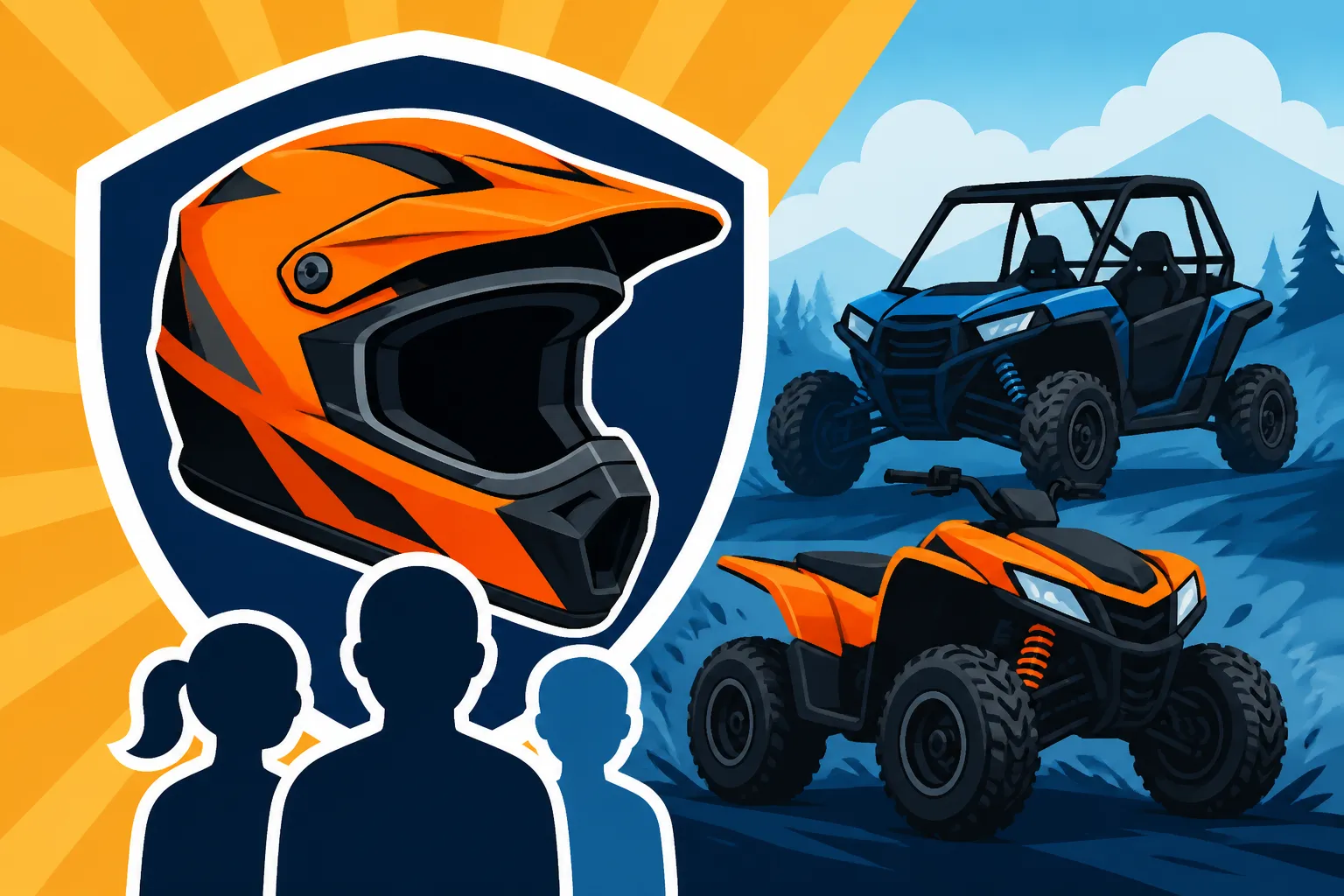
The most crucial rule to remember in Idaho is that any person under the age of 18 must wear an approved safety helmet when operating or riding as a passenger on an OHV. This applies to ATVs, UTVs, dirt bikes, and any other vehicle categorized as an OHV under state law. It doesn't matter if you're on a pristine forest trail, a designated OHV park, or even crossing a short section of a county road – if you're under 18, that helmet needs to be securely fastened. I’ve seen firsthand the difference a helmet can make in preventing serious injuries, and for our younger riders, it’s truly non-negotiable.
This rule is designed to protect the most vulnerable riders. Kids and teenagers, while often feeling invincible, are still developing in their judgment and reaction times. Even a low-speed tip-over can lead to a nasty head injury if they aren't protected. As a veteran rider, I always encourage everyone to wear a helmet, regardless of age. Why take the risk? But for those under 18, it's not a choice – it's the law. This foundational rule is one of the pillars of [Idaho's OHV Safety Course for Young Riders], ensuring that new generations of riders learn safe habits from the start.
Passengers and Helmet Use
The helmet law extends beyond just the operator; it explicitly includes passengers. So, if you're under 18 and riding as a passenger on an ATV or UTV, you must also wear an approved safety helmet. This often comes up when families are out riding together, and it's essential that all young passengers are accounted for. It's easy to focus on the driver, but a passenger, especially in an open-air UTV, is just as exposed to potential hazards.
Consider a family outing in the Danskin Mountains. Dad is driving, and his 14-year-old daughter is riding shotgun in the UTV. If she's not wearing a helmet, both Dad and the daughter are technically breaking the law. This rule emphasizes that safety is a collective responsibility when out on the trails. It's not enough for the adult operator to be safe; every person on the machine needs to meet the safety requirements. This becomes especially pertinent when discussing [Idaho Rules for a Child Passenger], as proper securement and protective gear go hand-in-hand. For those side-by-sides with multiple seats, making sure every young person has a properly fitting helmet is paramount before you even leave the staging area.
Understanding the "Under 18" Rule
While the age rule seems straightforward, there are some common misunderstandings about where and when it actually applies. It’s not just about public land; the law has a wider reach than some riders realize.
Public Land vs. Private Land Differences
Idaho's helmet law for riders under 18 generally applies whenever they are operating or riding an OHV, period. The statutes don't typically draw a hard line between public land (like national forests or BLM areas) and private land. This means that if you're 16 and riding your quad on your family's sprawling ranch in rural Idaho, you should still be wearing a helmet. The intent is to protect young riders wherever they are, not just where the public might observe them.
Now, while enforcement on private property can be different, the law itself doesn't offer an exemption just because you're on your own acreage. It's about protecting minors. So, whether you're exploring the [Sawtooth National Forest Trails] or zipping around your buddy's back forty, if you're under 18, the helmet is a must. This might surprise some, as many assume "private land" means "no rules," but when it comes to the safety of minors, Idaho takes a broad approach. It’s a good reminder that safety practices should be consistent, regardless of location.
Supervision and Driver's License Considerations
Even if a young rider has completed an OHV safety course and received a certificate, or perhaps even holds a learner's permit for a regular vehicle, the under-18 helmet rule still stands. There's no exemption to the helmet requirement for minors based on their driving experience or whether they are under adult supervision. While supervision is crucial for young riders – indeed, [Adult Supervision Requirements in Idaho] often dictate that an adult must be within 300 feet of a minor operator – it does not negate the need for a helmet.
A 15-year-old with a solid grasp of riding skills and an adult nearby still needs that helmet. The law recognizes that even the most skilled young rider can face unforeseen circumstances, and a helmet offers critical protection that no amount of skill or supervision can replace. It’s about layers of safety. So, while a driver's license or permit is important for [Driver's License Requirements on Idaho Roads], it doesn't change the basic helmet rule for minors on OHVs.
Exceptions and Specific Scenarios
While the "under 18" rule is quite broad, there are a few very specific situations where the helmet requirement for OHVs might not apply, primarily revolving around the design of the vehicle itself.
Farm and Ranch Exemptions
Idaho law often provides specific exemptions for vehicles used primarily for agricultural purposes on farms and ranches. When an OHV is being operated solely for the purpose of farming, ranching, or other agricultural operations on private land, some of the standard OHV rules, including certain registration or sticker requirements, might be waived. However, when it comes to helmet use for minors, the agricultural exemption for OHVs used in farm work is not a blanket "no helmet needed" pass.
The spirit of the law, which is to protect minors, generally holds firm. While an adult using an ATV to herd cattle might not be required to wear a helmet, if that adult's 16-year-old child is operating the same ATV for farm work, the helmet law for minors would still apply. These exemptions are usually narrow and specific to the purpose of the vehicle, not necessarily the operator's age. Always confirm the precise language of the statute for [Farm and Ranch Exemptions From Idaho OHV Rules] if you believe you fall into this category, but err on the side of caution with helmets for anyone under 18.
Enclosed Cabs and Seatbelts
This is one of the most common areas of confusion, especially with the rising popularity of UTVs with full enclosures. If an OHV, typically a side-by-side, is equipped with a full enclosed cab (meaning it has a roof, doors, and a windshield) and the occupants are properly restrained by seatbelts, the helmet requirement for adults (18 and over) may be waived. For minors, however, even within an enclosed cab with seatbelts, the under-18 helmet law generally remains in effect.
Think of it this way: while the cab and seatbelts offer significant protection, they aren't designed to protect against head injuries in the same way a helmet is, particularly in a rollover scenario. The risk of head impact within the cab is still present. This is why for our younger riders, the helmet is still considered a primary layer of defense. So, while you might feel secure in your SuperATV windshield-equipped UTV, if your kids are along for the ride and they're under 18, their helmets still need to be on. The cab offers comfort and some protection from the elements, but it's not a substitute for a helmet for minors. Always prioritize the helmet for young riders, even with all the bells and whistles of an enclosed cab.
Helmet Standards: What Counts as Legal Protection
It's not enough to just wear any helmet; it needs to be a safety helmet that meets specific standards. This is a critical distinction that many new riders, and even some seasoned ones, overlook. An improperly rated helmet might offer a false sense of security.
DOT Compliance Explained
In Idaho, when the law specifies an "approved safety helmet," it generally refers to helmets that meet the standards set by the U.S. Department of Transportation (DOT). You'll typically find a "DOT" certification sticker on the back of any compliant helmet. This certification means the helmet has been tested and proven to meet certain minimum safety requirements for impact absorption and penetration resistance.
Choosing a DOT-approved helmet is paramount. These helmets are designed to protect your head from serious injury in the event of an impact, which is an unfortunate but real possibility when riding off-road. Helmets designed for bicycling or other activities, while offering some protection, do not meet DOT standards and are not considered legal or sufficient for OHV use. So, before you or your child hop on a machine, check for that DOT sticker. It's your assurance that the helmet provides the level of protection intended by law. You can find many reputable brands offering DOT-compliant helmets, often through retailers that also carry SuperATV gear.
Fit and Comfort for Safety
Even a DOT-approved helmet won't do its job effectively if it doesn't fit properly. A helmet that's too loose can shift during an impact, compromising its protective ability and potentially obscuring vision. One that's too tight can be uncomfortable, leading riders to wear it improperly or even forgo it altogether. The ideal fit is snug but not painful, with no excessive movement when you shake your head.
When trying on helmets, ensure it sits level on your head, not tilted back. The chin strap should be securely fastened so that the helmet cannot be easily pulled off. Comfort is key, especially for long rides. If a helmet is uncomfortable, riders are less likely to wear it consistently or correctly. Investing in a good-fitting helmet isn't just about compliance; it's about maximizing safety and comfort for an enjoyable riding experience. Don't just grab the cheapest one; invest in one that fits well and is comfortable for the duration of your ride.
Eye Protection: Beyond Just the Helmet
While the helmet protects the skull, your eyes are equally vulnerable on the trail. Idaho law addresses this directly, requiring eye protection for many riders, regardless of age, especially when an enclosed cab isn't present.
Goggles or Face Shield: It's Not Optional
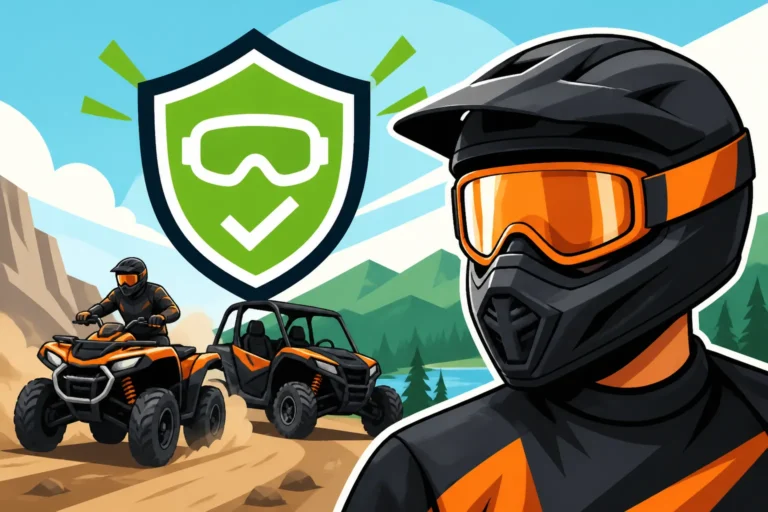
Idaho law states that operators and passengers of OHVs must wear eye protection if the vehicle is not equipped with a windshield. This means if you're on an ATV, a dirt bike, or a UTV without a full windshield, goggles or a face shield are not just a good idea; they are a legal requirement. Think about it: flying dust, gravel, insects, low-hanging branches – these are common hazards on any Idaho trail. A rock kicked up by the machine in front of you could cause serious eye injury or temporary blindness, leading to an accident.
Even if you wear prescription glasses, you'll still need appropriate eye protection over them. Many companies make over-the-glasses (OTG) goggles specifically for this purpose. A proper face shield on a full-face helmet also fulfills this requirement. The rule is broad because the risk is constant. Don't let a sunny day lull you into a false sense of security; even bright sun glare requires protection. This requirement is distinct from the helmet law, but equally important for comprehensive safety. [Eye Protection That Meets the Rules] is a critical piece of gear every rider should prioritize.
Prescription Glasses and Over-Goggles
For those of us who need glasses to see clearly, the eye protection rule can feel a little more complicated. However, it's easily managed with the right gear. Simply wearing your everyday prescription glasses is generally not sufficient for legal eye protection as defined by Idaho law, because they don't offer the same level of impact resistance or peripheral coverage as goggles or a face shield.
The best solution is to use goggles designed to fit over your prescription glasses (OTG goggles), or to wear a full-face helmet with a clear, impact-resistant face shield. Some riders even opt for prescription inserts in their goggles, or contact lenses paired with standard goggles. The key is that whatever you choose must provide robust protection from debris and wind, and it must meet any relevant safety standards. Don't risk your vision or a citation by relying solely on your regular eyeglasses when out on the trail. Just like finding the right helmet, finding comfortable and effective eye protection, perhaps from a brand like SuperATV that offers various accessories, makes a huge difference in your riding experience.
Enforcement and What to Expect
No one wants to encounter law enforcement on the trails under negative circumstances, but understanding how Idaho's OHV laws are enforced can help you stay compliant and avoid unnecessary hassles or fines.
Common Stops and Documentation Checks
Idaho Fish and Game officers, county sheriffs, and Forest Service rangers are all authorized to enforce OHV laws on public lands and designated OHV routes. If you're stopped, they'll typically be checking for several key things: proper OHV registration/sticker, appropriate safety gear (like helmets and eye protection for those who need it), and sometimes proof of ownership or a driver's license if you're riding on a county road. For young riders, they'll be looking specifically for helmets.
These stops are usually about ensuring everyone is riding safely and legally. Officers are often looking to educate as much as enforce, but they won't hesitate to issue a citation for clear violations, especially concerning the safety of minors. Having all your paperwork in order – like your OHV sticker, safety course certificate for young riders, and identification – can make a stop quick and painless. Remember that [What an Idaho Deputy Asks a Rider For] typically includes proof of compliance with all relevant laws.
Penalties for Non-Compliance
Operating an OHV in Idaho without required safety equipment, such as a helmet for a minor or eye protection when needed, can result in fines. These aren't just minor inconveniences; they can add up, and they're designed to deter unsafe behavior. Beyond the monetary penalties, a citation can also put a damper on your day of riding and can sometimes lead to further scrutiny if you're a repeat offender.
More importantly, the real penalty for not complying with helmet laws isn't just a fine – it's the increased risk of severe injury. A head injury can be life-altering, far more impactful than any ticket. Enforcement exists not just to collect revenue, but to actively promote safety and prevent serious accidents. Familiarizing yourself with [Idaho OHV Ticket Costs by Violation] can provide a sobering look at the financial consequences, but the physical consequences of an unprotected head injury are far greater. It’s always best to simply wear the helmet and avoid the risk altogether.
Table of Idaho OHV Helmet & Eye Protection Requirements
To help summarize, here's a quick reference guide to Idaho's helmet and eye protection rules. Remember, always consult the most current official Idaho Parks and Recreation guidelines or legal statutes for the exact wording.
| Rider Age | Helmet Required (Operating/Passenger) | Eye Protection Required (No Windshield) | Notes |
|---|---|---|---|
| Under 18 | YES | YES | Applies on public and private land. No exceptions for enclosed cabs, supervision, or safety course completion. DOT-approved helmet required. |
| 18 and Over | NO (Recommended) | YES | Helmet highly recommended for all riders. Eye protection not needed if vehicle has a full, properly installed windshield. DOT-approved helmets always best. |
Disclaimer
This article is for general informational purposes only and does not constitute professional advice. Laws, prices and regulations vary by location and change over time. Consult a qualified professional for guidance on your specific situation.