Supervising a Young Rider Within 300 Feet
One of the most common worries parents share when planning an ATV or UTV outing in Idaho with their kids is making sure they're following the rules, especially when it comes to supervision. It’s not just about what the law says, but also about keeping everyone safe, and Idaho’s "within 300 feet" rule for young riders can sometimes feel a bit vague on the trail. This guide will cut through that confusion, explaining exactly what direct supervision entails and how to practically apply the 300-foot rule to ensure your young rider is both legal and secure on Idaho's diverse terrain.
Understanding Idaho's 300-Foot Supervision Rule
Idaho takes the safety of its youngest riders very seriously, and that's why there are specific rules in place for anyone under the age of 16 operating an off-highway vehicle (OHV). The cornerstone of these regulations is the requirement for "direct supervision" by an adult (18 years or older) who is within 300 feet of the young rider. This isn't just a suggestion; it's a legal mandate designed to prevent accidents and ensure immediate assistance if a child encounters trouble. It's a rule built on the understanding that children, while capable of operating machines, often lack the experience, judgment, and physical strength to handle unexpected situations on their own.
What "Direct Supervision" Really Means
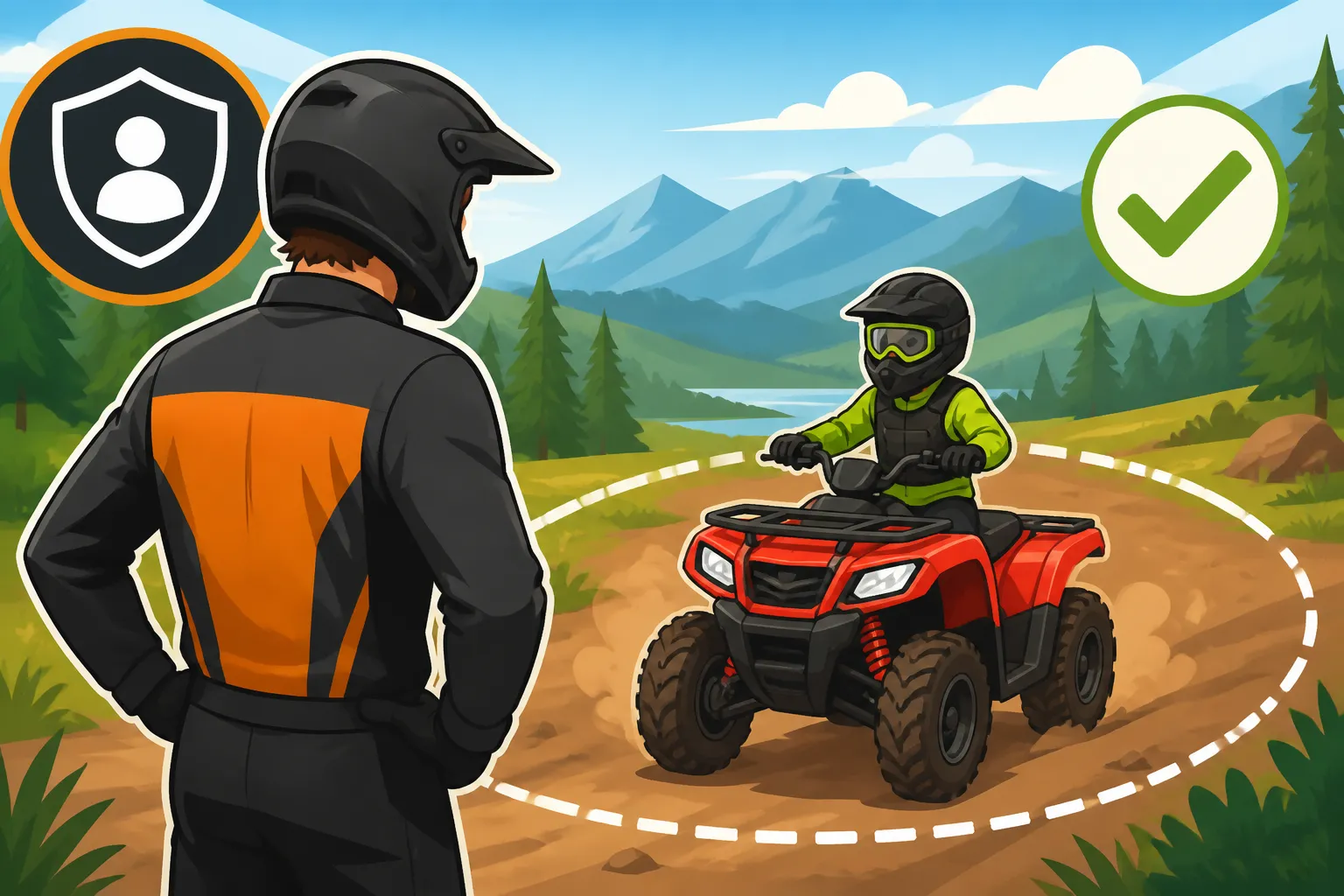
When the Idaho legislature talks about "direct supervision," they're envisioning a scenario where the supervising adult can see, hear, and respond to the young rider quickly. It means more than just being in the general vicinity; it implies an active role in guiding and monitoring. Think of it like teaching someone to drive a car – you're not just a passenger, you're constantly aware of their actions and ready to intervene. For OHV riding, this means being close enough to shout instructions, spot potential hazards, or get to them in a matter of seconds if they stop, get stuck, or have a minor tip-over.
This rule acknowledges that young riders might get distracted, overestimate their abilities, or simply not see an obstacle that an experienced adult would. The supervising adult acts as a crucial safety net. Imagine your child is navigating a slightly technical section of trail, perhaps with some roots or small rocks. If they get a wheel caught or lose balance, that 300-foot buffer allows you to be there almost instantly to help right the machine or offer guidance, preventing a small mishap from becoming a serious injury. It's about being proactive and reactive, ensuring the child's learning experience is as safe as possible. For more details on age-related rules, you might want to check out [Idaho Age Rules for Riders Under 16].
How the 300-Foot Rule Applies to Different Terrain
The practical application of the 300-foot rule can feel different depending on where you're riding. On wide-open gravel roads or a flat, expansive staging area, 300 feet might seem like a lot of space. You can easily keep an eye on a child, even if they're a bit ahead. However, the same distance in dense timber, on a winding mountain trail, or amidst rolling dunes can feel like an entirely different challenge. The rule doesn't change, but your strategy for maintaining that direct supervision definitely needs to adapt.
Consider a typical Idaho forest road. If your young rider is on a straight section, staying 300 feet behind them in your own machine allows for good visibility. But as soon as the road curves, dips, or climbs, that line of sight can be broken. In these situations, the supervising adult needs to adjust their position, perhaps riding closer or finding vantage points that allow them to consistently see the child. When riding on trails, especially those with thicker vegetation or tight turns, you might find yourself needing to ride directly behind or even slightly offset from your young rider to maintain continuous visual contact. Open areas, while offering more visibility, also often allow for higher speeds, meaning the 300 feet can disappear quickly. It's always about maintaining that active supervisory presence, regardless of whether you're on public land, like a designated trail in the Sawtooth National Forest, or riding on permitted private property.
Practical Application for Parents and Guardians
Making the 300-foot rule work on the trail requires some planning and practical considerations. It’s not just about understanding the numbers; it’s about making sure you have the tools and strategies to consistently meet the requirement while keeping the experience fun and safe for everyone. This means thinking about communication, visibility, and how your equipment can support safe supervision.
Equipment and Visibility for Maintaining the 300-Foot Distance
Effective supervision within 300 feet often boils down to clear communication and visibility, especially when dust, terrain, or other riders are factors. Consider equipping both your machine and your young rider's with communication systems. Helmet-to-helmet communicators, while an investment, can be invaluable. They allow you to offer real-time instructions, encouragement, or warnings without having to stop or shout over engine noise. Even if you don't have helmet communicators, a simple hand-held two-way radio can bridge the gap, though it requires stopping to communicate effectively.
Visibility is also key. Brightly colored riding gear for your child makes them easier to spot against natural backdrops. Many parents also add brightly colored flags, especially whip flags, to their child's machine. These flags extend above the machine, making it visible even when the machine itself might be hidden by small dips or brush. When you're constantly monitoring that 300-foot distance, every little bit of visibility helps. Ensuring your machine, and your child's, is in top working order is also part of the safety equation. This means regular checks of brakes, tires, and lights. Quality aftermarket parts, like those from SuperATV, can sometimes enhance the safety and performance of a machine, ensuring it's reliable for your young rider. A well-maintained machine is less likely to break down or cause unexpected issues that could compromise the 300-foot rule. You'll also want to make sure your young rider has all their essential safety gear; learn more about this in [Idaho Helmet Rules for Riders Under 18].
Challenges and Solutions for Staying Within Range
Riding with a young, less experienced rider presents unique challenges to maintaining that crucial 300-foot distance. Speed differences are a primary concern. Children on smaller machines will naturally ride slower than an adult on a full-size ATV or UTV. If you're constantly having to stop and wait, or surge ahead then brake, it can be frustrating and even unsafe. Terrain also plays a huge role. A young rider might take significantly longer to navigate a rocky climb or a muddy section, while you could traverse it much faster. Dust can obscure vision, especially on dry, unpaved roads, making it impossible to see your child if they're too far ahead.
The solution often involves setting the pace. As the supervising adult, you dictate the speed and rhythm of the ride. This might mean riding at a slower pace than you're accustomed to, or choosing routes that are well within your child's skill level. On trails, consider riding just behind your child, or slightly ahead in open sections where you can easily keep them in sight in your rearview mirror. If you're riding in a group, position yourself so you're always between your child and other riders who might be going faster. Communication, even if it's just a hand signal, is vital to manage these challenges. If your child gets stuck, you need to be close enough to offer immediate physical assistance, not just verbal encouragement from afar. Having recovery gear like a small winching system (perhaps an accessory from SuperATV) can be a lifesaver if a child's machine gets bogged down or stuck in a tricky spot, allowing for quick retrieval and keeping everyone within the legal and safe proximity.
Legal Ramifications and Best Practices
While the 300-foot rule is designed with safety in mind, it's also a legal requirement with consequences for non-compliance. Understanding the penalties and, more importantly, embracing best practices that go beyond the letter of the law, will ensure a positive and safe riding experience for your family in Idaho.
Penalties for Not Adhering to the Rule
Idaho law enforcement officers, whether they are a local sheriff's deputy or a Forest Service ranger, are well-versed in OHV regulations, including those concerning young riders. If an officer observes a child under 16 operating an OHV without an adult within the mandated 300-foot direct supervision, they have the authority to issue a citation. The specific penalty can vary, but it typically involves a fine. While it might seem like a minor offense to some, it's taken seriously because it directly impacts safety.
Beyond the immediate financial penalty, repeated or egregious violations could lead to more significant consequences, though these are rare for a first offense. The primary goal of enforcement is to educate and ensure compliance, not just to punish. However, receiving a citation is a clear signal that the safety protocols are not being met. It’s also worth remembering that in the event of an accident, if a child was found to be riding without proper supervision, it could complicate insurance claims or even lead to increased liability for the supervising adult. It's much simpler, and safer, to ensure you're always within that 300-foot window. Knowing [What an Idaho Deputy Asks a Rider For] can also help you be prepared for any encounter.
Beyond the Law: Prioritizing Safety
While adhering to the 300-foot rule fulfills the legal requirement, true safety often means going above and beyond the minimum. The 300-foot distance is a maximum, not a target. In many situations, especially with very young or inexperienced riders, or on challenging terrain, you might find it far safer to be much closer – perhaps 50 or 100 feet away. The closer you are, the quicker you can react to sudden stops, falls, or unforeseen obstacles.
Consider the skill level and maturity of your child. A ten-year-old beginner might need much closer attention than a seasoned 15-year-old. Always assess the trail conditions: is it dusty, rocky, steep, or muddy? These factors should influence how closely you choose to supervise. Encourage your child to take an OHV safety course; Idaho offers programs that teach essential riding skills and safety principles, which can empower young riders and make your job as a supervisor easier. You can find out more by looking into [Idaho OHV Safety Course Requirements]. Ensure your child is wearing appropriate safety gear at all times – a DOT-compliant helmet, goggles, gloves, long pants, and sturdy boots are non-negotiable. Regularly inspect their machine for any issues that could compromise safety, from tire pressure to chain tension. Investing in quality accessories from a brand like SuperATV, such as durable tires or protective skid plates, not only improves performance but also adds a layer of safety that can prevent common breakdowns or damage on the trail. Ultimately, the 300-foot rule is a framework, but your proactive judgment and commitment to safety are the real keys to a successful and enjoyable family riding adventure in Idaho.
Key Elements of Young Rider Supervision in Idaho
Here’s a quick summary of the critical aspects of supervising young riders on Idaho's OHV trails and roads:
| Element | Requirement | Practical Application |
|---|---|---|
| Supervising Adult | Must be 18 years or older. | A parent, guardian, or other designated adult who is competent and responsible. |
| Distance | Within 300 feet of the young rider. | Adjust distance based on terrain, visibility, and child's skill. Closer is often safer, especially for beginners or challenging trails. |
| Nature of Supervision | "Direct supervision" – implying visual and auditory contact, readiness to intervene. | Maintain constant line of sight. Use communication devices if necessary. Be prepared to stop and assist immediately. |
| Age of Rider | Under 16 years old. | All riders under 16 must adhere to this rule. Ensure they also meet other requirements like safety course certification. |
| Machine Readiness | OHV must be legal and safe to operate (e.g., proper size for rider, good condition). | Regular maintenance is crucial. Consider safety enhancements like whip flags, working lights, and protective gear. Ensure machine is suitable for the child's size and experience. |
| Penalties | Fines for non-compliance; potential liability in case of an accident. | Avoid citations by consistently following the rule. Prioritize safety to prevent accidents and legal complications. |
Disclaimer
This article is for general informational purposes only and does not constitute professional advice. Laws, prices and regulations vary by location and change over time. Consult a qualified professional for guidance on your specific situation.