Riding Two Abreast on a Back Road
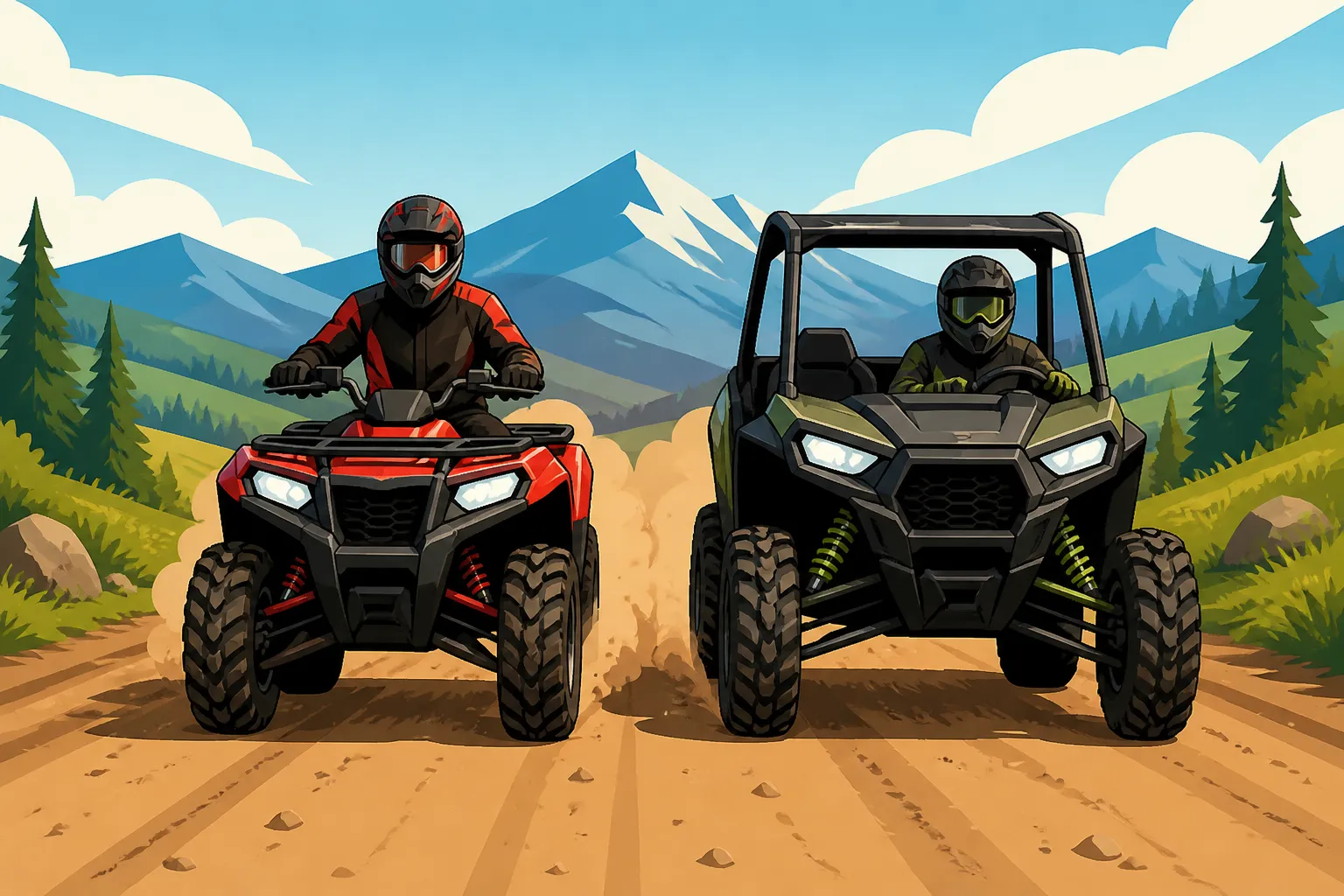
There's nothing quite like heading out on Idaho's scenic back roads with your ATV or side-by-side, sharing the experience with friends. And let's be honest, it's natural to want to ride right next to your buddy, chatting away as the incredible scenery unfolds. But when you hit those county roads and forest service routes, questions pop up: "Can we ride two abreast here?" "Is that even allowed?" This guide will dive deep into Idaho's rules and practical considerations for riding side-by-side on our cherished back roads, helping you navigate the trails safely and legally.
Understanding Idaho's General Rules for OHV Road Use
Before we even consider riding two abreast, it's crucial to understand the foundational rules for operating Off-Highway Vehicles (OHVs) on Idaho's public roads. This isn't just about avoiding a ticket; it's about being a responsible rider and ensuring everyone's safety. Many riders assume that because a road isn't a busy highway, all bets are off when it comes to traffic laws. That's simply not the case.
The "Restricted Use" Plate and What It Allows
Most riders who venture onto Idaho's back roads will be familiar with the "Restricted Use" plate, often referred to as an "R" plate. This plate is your ticket to legally access many of the county and Forest Service roads that connect our amazing trail systems. It essentially designates your OHV as a vehicle allowed on certain public roads, bridging the gap between trail-only machines and street-legal vehicles. However, it's really important to grasp that an R plate doesn't make your machine a fully "street legal" vehicle in the same way a car or truck is. It allows specific, limited road use.
The R plate generally permits travel on roads that are primarily used for accessing public lands, rural communities, or connecting designated OHV trails. These are typically county roads, Forest Service roads, and Bureau of Land Management (BLM) roads. You're still subject to all standard traffic laws that apply to any other vehicle on that road, including speed limits, stop signs, and yielding rules. You're also required to have a valid driver's license, liability insurance, and the necessary safety equipment like headlights, taillights, brake lights, mirrors, and a horn. For a deeper dive into what this plate actually covers, check out [What Idaho's $3 Restricted Use Plate Covers]. Misunderstanding the R plate's limitations is one of the [Idaho Road Rules Riders Get Wrong] most often.
Single File vs. Group Riding on Paved and Gravel Roads
When you're out on the trails, especially wide ones, riding side-by-side with a companion might be perfectly normal and safe. But the moment you transition to a public road, whether it's paved or gravel, the rules change. Imagine a typical car driving down a county road. They don't drive in the middle, and certainly not two abreast in one lane. The expectation for all vehicles on a public road is generally to stay within a single lane, typically as far to the right as safely possible.
The desire to ride two abreast often stems from the social aspect of OHV riding. It's fantastic to share the experience, point out wildlife, or simply chat with your riding partner. However, on public roads, this desire needs to be balanced with safety and legality. Even on quiet gravel roads, you're sharing the space with other users – cars, trucks, logging vehicles, cyclists, hikers, and even horses. Your OHV might be smaller than a truck, but it still occupies a significant amount of road space, and riding side-by-side can easily spill over into the opposing lane or make it difficult for other vehicles to pass safely. Respecting the common rules of the road, even on remote sections, is key to maintaining positive relationships with other road users and preserving access for OHVs in the long run.
Specific Regulations Regarding Riding Abreast on Idaho Roads
Idaho's traffic laws, like those in most states, are designed with traditional motor vehicles in mind. When it comes to OHVs, the laws often extend these general principles or create specific exceptions. Knowing where your OHV fits into this framework is crucial, especially when considering unconventional riding formations like riding two abreast.
What the Law Says (or Doesn't Say) About Lane Use
Idaho's traffic laws generally require vehicles to be operated within a single lane and to keep to the right side of the road, especially on two-lane roads. While there might not be a specific statute that says, "Thou shalt not ride two abreast on an OHV," the general principles of safe operation and lane integrity certainly apply. Idaho Code Title 49, which governs motor vehicles, includes provisions about driving on the right side of the roadway, passing, and maintaining a single lane. When you're operating an OHV on a road, even with a restricted plate, you are generally considered a "vehicle" under these statutes for the purpose of road use.
Attempting to ride two abreast, unless the road is exceptionally wide and marked for multiple lanes in one direction (which is highly unlikely on most Idaho back roads where OHVs are permitted), will almost certainly involve occupying more than one lane or crossing the center line. This can lead to violations for unsafe operation, impeding traffic, or even reckless driving. The penalties for such violations can range from fines to more serious consequences, so it's best to understand the risks. For details on potential enforcement actions, you might want to review [Idaho Fines for Illegal Road Riding]. Even if you encounter an officer who might be lenient, the risk to your safety and the safety of others is simply not worth it.
Safety Concerns and Best Practices for Group Riding
Beyond the legal aspect, riding two abreast on any public road, even a seldom-used gravel one, introduces significant safety hazards.
Visibility: When you're riding side-by-side, your combined width makes you a much larger presence on the road. This can make it harder for oncoming traffic to accurately judge your size and position, especially around [Blind Curves on a Canyon Road] or over hillcrests. For the rider on the outside, they might have a reduced field of vision for oncoming traffic if their partner's machine obstructs their view. Good mirrors can help here. Aftermarket options from brands like SuperATV offer wider fields of view and robust construction, which can be a valuable upgrade for road-legal OHVs, improving your awareness of what’s behind you and to your sides.
Dust and Debris: Idaho's back roads are notorious for dust, especially in dry conditions. Riding two abreast means both riders are enveloped in the dust cloud generated by the lead machine, severely impacting visibility for the trailing rider. This can hide potholes, rocks, or other hazards.
Oncoming Traffic: If a vehicle approaches, whether it's a car, truck, or even another OHV, your two-abreast formation forces them to either stop or pass very unsafely, potentially crossing into your lane more than they should. This creates immediate conflict and danger.
Communication: While the desire to ride abreast is often for communication, it can actually make it harder. Wind noise, engine noise, and helmets can make casual conversation difficult without shouting. Often, a headset communication system is far more effective for safe, clear conversation while riding single file or staggered.
Best Practice: Staggered Riding. For group riding on roads, the safest and most common practice is staggered riding. This means the lead rider takes the left tire track, the second rider takes the right tire track, the third rider the left again, and so on. This provides each rider with a cushion of space, allows for better visibility around the rider ahead, and shortens the overall length of the group, making it easier for vehicles to pass. It also keeps everyone within a single lane envelope. If you're serious about group safety, consider using [Visibility Flags on a Road Section] to make your convoy more noticeable.
Local Ordinances and Their Impact
It's a common misconception that all rules for OHVs are statewide. In reality, individual counties and cities in Idaho have the authority to establish their own ordinances regarding OHV use on roads within their jurisdiction. What might be permissible (or at least less strictly enforced) on a remote Forest Service road could be explicitly prohibited or heavily regulated on a paved county road or within city limits.
This means that even if you feel confident about statewide statutes, you absolutely must be aware of local rules. A specific county might have an ordinance that explicitly states OHVs must ride single file on all county roads, regardless of width or traffic. Ignoring these local rules isn't just a matter of disrespect; it can lead to citations, fines, and even the closure of access to certain areas for OHVs. Before you venture into an unfamiliar area, especially if you plan to use county roads to connect trails, take the time to research. [Finding an Idaho County's OHV Ordinance] often involves checking the county's website or contacting their sheriff's department or parks and recreation office. Always err on the side of caution.
Practical Considerations and When to Avoid Riding Two Abreast
While the legal framework generally discourages riding two abreast, practical considerations further solidify why it's almost always a bad idea on Idaho's back roads. These factors directly impact your safety and the safety of everyone else on the road.
Road Width, Traffic Volume, and Blind Spots
Idaho's back roads are incredibly diverse. You might encounter anything from wide, well-maintained gravel roads to narrow, overgrown two-tracks that barely fit one vehicle. The reality is, most of these roads are designed for single-vehicle traffic in each direction, even if they appear wide enough for two OHVs side-by-side.
Narrow Roads: On truly narrow roads, riding two abreast is simply impossible without one or both machines driving on the shoulder, potentially damaging the road or veering into ditches. It's a recipe for an accident. In these situations, [Riding Single File on a Narrow Road] is not just a recommendation; it's a necessity.
Traffic Volume: Even if a road seems quiet, traffic can appear unexpectedly. Many of Idaho's back roads are used by logging trucks, ranchers moving livestock, residents, and other recreationists. Encountering a large truck around a blind corner while riding two abreast can be terrifying and extremely dangerous. A big rig can't stop or swerve as quickly as an OHV. When you share the road with these behemoths, especially when [Sharing a Road With Log Trucks], remaining in single file gives you the most room to react.
Blind Spots: Every vehicle has blind spots, and OHVs are no exception. For a vehicle approaching from behind or coming around a curve, two machines riding abreast present a much larger and less predictable obstacle. This larger footprint reduces the margin of error for everyone. Upgrading to wider mirrors, like those available from SuperATV, can significantly improve your rear visibility and awareness, making it easier to see if you have enough room to maneuver or if traffic is approaching from behind, regardless of how you choose to ride. Similarly, good off-road lighting is essential for visibility, especially if riding near dusk or dawn.
The Impact on Other Road Users
As OHV enthusiasts, we have a responsibility to be good stewards of the land and considerate users of public resources. This includes how we interact with other people who use the same roads and trails.
Inconvenience: Riding two abreast almost always creates an inconvenience for others. It can force oncoming vehicles to slow dramatically, stop, or cross the center line to pass. It can make it difficult for faster traffic behind you to pass safely, creating frustration. Imagine being stuck behind two side-by-sides taking up the entire lane on a dusty gravel road. It's not a pleasant experience.
Safety for Others: Beyond inconvenience, there's the genuine safety risk. If a driver, cyclist, or horseback rider encounters two OHVs taking up the lane, their reaction might be to swerve, brake hard, or feel genuinely threatened. This puts them at risk, even if you perceive yourself to be in control.
Public Perception: Every interaction you have on the road contributes to the public perception of OHV riders. If we're seen as inconsiderate or unsafe, it can lead to increased restrictions, negative public sentiment, and even road closures. Maintaining excellent [Group Riding Etiquette on a Town Street] and on rural roads is paramount for the future of our sport. By riding responsibly and respecting established traffic patterns, we help ensure continued access to Idaho's incredible riding opportunities.
When Riding Abreast Might Be Acceptable (and Still Cautious)
While the general advice on public roads leans heavily towards single file or staggered riding, there are specific, limited scenarios where riding abreast might feel more natural. Even in these situations, extreme caution and discretion are absolutely necessary.
Wide, Untraveled Gravel Roads and Private Land
There's a significant difference between a well-traveled county road and a seldom-used, exceptionally wide gravel track that serves more as a private access road or simply has no other traffic.
Very Wide, Seldom-Used Gravel Roads: On a private ranch road, a logging spur that sees no public traffic, or perhaps a truly enormous gravel expanse that’s more like a staging area than a road, you might find yourself naturally pulling alongside a friend. If the road is genuinely wide enough to accommodate two machines and a passing vehicle without either OHV needing to leave their designated side of the road or encroach on the opposing lane, and if traffic is demonstrably non-existent for miles, it might feel acceptable. However, this is a rare occurrence on most publicly accessible routes. Even in such unique circumstances, always be ready to fall back into single file instantly if you see or hear any approaching vehicle. The legal definition of a "road" often still applies, and caution remains your best friend.
Private Land with Permission: This is where the rules truly change. If you are on private property, such as a friend's ranch or a large parcel of deeded ground, and you have explicit permission from the landowner, the traffic laws governing public roads typically do not apply. On your own land or with permission, you can generally ride however you wish, provided you do so safely and don't create a nuisance for neighbors. This is the primary scenario where riding two abreast might be genuinely acceptable. Even here, common sense and safety still dictate that you remain aware of your surroundings, potential hazards, and any other users of the land. For clarity on when state regulations do and don't apply on private ground, you might want to read [Do You Need a Sticker on Private Land in Idaho?].
Communication and Planning for Group Rides
Regardless of whether you choose to ride single file, staggered, or in those rare moments you might find yourself side-by-side, effective communication and planning are the bedrock of any safe and enjoyable group ride.
Pre-Ride Briefings: Before every ride, especially when new riders or unfamiliar routes are involved, hold a quick briefing. Discuss the day's route, expected conditions, and any specific group riding rules. This is the perfect time to establish that on any public roads, everyone will ride single file or staggered. Discuss how the group will handle turns, stops, and passing other vehicles.
Hand Signals: Even with communication devices, agreed-upon hand signals are invaluable, especially for visual cues like "stop," "turn," "hazard ahead," or "slow down." Everyone in the group should know and practice these signals.
Radio Communication/Intercoms: For true conversation and constant awareness, a good radio system or helmet-integrated intercom is a game-changer. Brands like SuperATV offer communication systems that can connect multiple riders, allowing for natural conversation and immediate alerts about trail conditions or hazards. This technology completely eliminates the need to ride abreast just to talk, allowing everyone to maintain a safe riding formation. Being able to calmly say "dusty patch ahead, slow down" or "oncoming truck!" without having to yell or dangerously pull alongside a buddy is a huge safety advantage. This allows you to stay focused on the trail and your surroundings, keeping your eyes up and hands on the wheel.
Designated Leaders and Sweeps: For larger groups, designate a lead rider who knows the route and sets the pace, and a sweep rider at the back to ensure no one gets left behind or has issues. These roles are critical for maintaining group cohesion and safety. The lead can communicate conditions to the group, and the sweep can report any problems from the rear. This structure helps minimize risks, particularly on unfamiliar roads or trails.
In summary, while the camaraderie of riding two abreast is tempting, the legalities and significant safety risks on Idaho's public back roads make it a practice best avoided. Prioritize safety, adhere to traffic laws, and utilize communication tools to enjoy your rides responsibly.
| Situation | Recommended Riding Formation | Rationale | Safety & Legal Implications |
|---|---|---|---|
| Idaho County/Forest Roads | Single File or Staggered | Required by general traffic laws; avoids lane obstruction, improves visibility. | Safe, Legal. Reduces risk of collisions, fines, and negative public perception. |
| Very Narrow Roads/Blind Curves | Single File (Mandatory) | Insufficient space for two vehicles; extremely high risk of head-on collision. | Essential for Safety & Legality. Riding abreast is extremely dangerous and almost certainly illegal. |
| High Dust Conditions | Staggered, with distance | Minimizes dust ingestion and improves visibility for all riders. | Safer. Reduces risk of obscured hazards and keeps riders healthier. |
| Heavy Traffic Areas | Single File (Mandatory) | Ensures smooth traffic flow, allows safe passing, avoids impeding vehicles. | Essential for Safety & Legality. Avoids accidents and traffic violations. |
| Private Land (with permission) | Abreast (with caution) | No public road laws apply; landowner's rules dictate. | Permissible by Landowner. Still prioritize personal safety. |
| For Conversation/Group Cohesion | Single File/Staggered + Comms | Use helmet comms or radios instead of riding abreast. | Safer, More Effective. Allows clear communication without compromising safety or legality. |
Disclaimer
This article is for general informational purposes only and does not constitute professional advice. Laws, prices and regulations vary by location and change over time. Consult a qualified professional for guidance on your specific situation.