Aftermarket Exhaust and Where You Can Ride
Wanting to personalize your ATV or UTV with a throaty growl or squeeze out a bit more power from the engine is a totally natural urge for many Idaho riders. You spend good money on these machines, and it’s only fair to want them to sound and perform exactly how you like. But the minute you start thinking about swapping out that stock exhaust for an aftermarket system, a whole new set of worries can pop up. Will it be too loud? Is it even legal on public lands, or when you’re just cruising down a county road? It's a confusing landscape, and the last thing you want is a ticket or to inadvertently damage our beautiful Idaho trails. This guide will help you understand the ins and outs of aftermarket exhausts in Idaho, so you can make informed choices and ride with peace of mind.
The Allure of Aftermarket Exhaust Systems: Why Riders Make the Change
Let's be honest, there's something undeniably appealing about a well-tuned aftermarket exhaust system. It's not just about making noise; it's about performance, aesthetics, and sometimes, even safety. For many of us, the stock exhaust on a new ATV or UTV can feel a bit restrictive, both in terms of sound and power delivery.
Boosting Performance and Power
One of the primary reasons riders switch to aftermarket exhausts is for a performance boost. Stock exhausts are often designed with a balance of noise reduction, emissions control, and cost-effectiveness in mind. This can mean they aren't optimized for maximum horsepower or torque. An aftermarket system, particularly one from a reputable manufacturer like SuperATV, can be engineered to allow exhaust gases to flow more freely, reducing back pressure and letting the engine breathe better. This improved efficiency can translate into noticeable gains, especially in the mid to upper RPM range. Think about those steep climbs in the Boise National Forest or when you need that extra punch to get through a muddy section; a well-designed exhaust can make a real difference.
Beyond just raw power, some aftermarket systems also focus on improving throttle response. A snappier throttle can make navigating technical terrain much more enjoyable and give you a greater sense of control over your machine. It’s not always about top speed on the straightaways; often, it’s about having the right power available exactly when you need it on Idaho’s diverse trails.
Enhancing Sound and Aesthetics
Let's not kid ourselves, a big part of the appeal is the sound. That rich, aggressive growl that an aftermarket exhaust can provide just sounds right to many riders. It gives your machine character and makes it feel more powerful, even if the actual performance gains are modest. It's an auditory experience that connects you more deeply to your ride. However, this is also where most of the legal and social issues come into play, which we’ll dive into shortly.
Beyond the sound, many aftermarket exhausts simply look better than their stock counterparts. They often feature higher-quality materials like stainless steel or titanium, with polished finishes or unique designs that complement the aggressive styling of modern ATVs and UTVs. A sleek, performance-oriented exhaust can truly elevate the overall look of your machine, making it stand out from the crowd at the trailhead or on a scenic overlook. It’s a way to personalize your ride, making it truly yours, from the sound to the visuals.
Reducing Weight
Another, often overlooked, benefit of some aftermarket exhaust systems is weight reduction. Stock exhausts can be surprisingly heavy, especially if they include multiple chambers and catalytic converters. By using lighter materials and simpler designs, aftermarket pipes can shed several pounds from your machine. While this might not seem like much, every pound counts when you’re pushing the limits on trails. A lighter machine can offer better suspension performance, improved handling, and slightly better power-to-weight ratio, which can be beneficial when tackling challenging terrain or competing in events. This subtle advantage can contribute to a more agile and responsive riding experience, particularly important on Idaho's winding and elevation-changing trails.
Idaho's Noise Regulations: What the Law Says About Your Pipes
This is where the rubber meets the road, or rather, where the exhaust pipe meets the law. Idaho has specific regulations designed to manage noise levels from off-highway vehicles (OHVs) to protect both the environment and the peace and quiet of residents and other recreationists. Ignoring these rules can lead to fines and, more importantly, can give OHV recreation a bad name, potentially leading to trail closures.
Decibel Limits and Enforcement
Idaho law, like many states, sets limits on how loud your OHV can be. These limits are typically measured in decibels (dB) at a specific distance and RPM. It’s important to understand that these numbers aren't just arbitrary; they’re set to minimize disturbance. While I can't give you current, precise decibel limits because laws can change, the general spirit of the regulation is to ensure that your machine isn't excessively loud. An aftermarket exhaust that makes your machine roar might be thrilling for you, but it can be extremely disruptive to hikers, campers, wildlife, and residents living near riding areas.
Law enforcement officers, particularly county sheriffs and Forest Service rangers, are equipped to measure sound levels using specialized meters. If your machine is found to exceed the legal limit, you could face a citation. These enforcement efforts are often more noticeable in popular riding areas, near populated zones, or in response to specific noise complaints. It's not uncommon for officers to conduct checks at trailheads or along frequently used county roads. The perception of excessive noise is one of the biggest challenges facing OHV access, so understanding and adhering to these limits is crucial for the long-term health of our sport. You can find more detailed information on [Idaho Noise Rules Near Mountain Towns].
Mufflers and Spark Arresters: Non-Negotiables
Beyond decibel limits, two critical components are mandatory for nearly all OHVs operating on public land in Idaho: a muffler and a spark arrester.
Mufflers: A muffler is designed to reduce the sound level of the exhaust system. This isn't optional; your machine must have an effective muffler. An aftermarket exhaust that's essentially a straight pipe or one that doesn't adequately dampen sound will not be legal. Many performance-oriented aftermarket systems from companies like SuperATV come with mufflers, but some race-only systems might be too aggressive for public use. Always confirm that any aftermarket exhaust you install includes an effective muffler designed for street-legal or public land compliance. Without a proper muffler, you're not just loud, you're breaking the law, and that can lead to fines for an unstickered OHV, even if you have the sticker.
Spark Arresters: This is arguably even more critical in a state like Idaho, which is prone to wildfires. A spark arrester is a device that prevents incandescent particles (sparks) from exiting the exhaust system and potentially igniting dry vegetation. Riding with an OHV that doesn't have a spark arrester, or has one that is damaged or modified to be ineffective, is incredibly dangerous and illegal on public lands. A single spark from an exhaust pipe can start a devastating wildfire, threatening homes, livelihoods, and our precious natural resources. Most reputable aftermarket exhaust manufacturers understand this and integrate spark arresters into their designs, or offer them as an add-on. Always double-check that your aftermarket system is equipped with a US Forest Service-approved spark arrester. This isn't just about legality; it's about being a responsible land user. You can learn more about this vital component in [Mufflers and Spark Arresters] and [Spark Arrester Rules on Idaho Public Land].
What About Road-Legal Machines?
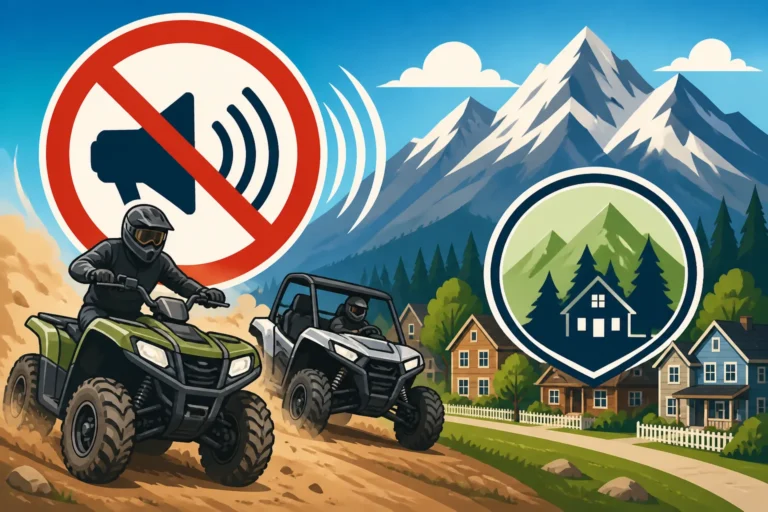
If you're outfitting a side-by-side or ATV to be road-legal with an Idaho restricted plate, the noise regulations often become even more stringent, especially when you consider riding near residential areas or through towns. When you're driving on a county road, your OHV is treated more like a traditional vehicle in terms of noise expectations. While the primary focus might still be on the OHV-specific noise limits, local ordinances in towns or counties can add further restrictions. A system that might just pass on a remote forest trail could be deemed too loud when you're passing someone's house on a paved road. It’s about being a good neighbor and respecting the peace of others.
Where You Can (and Can't) Ride with Aftermarket Exhaust in Idaho
Understanding the regulations is one thing, but knowing where those regulations apply can be another challenge entirely. Idaho offers a vast array of riding opportunities, from designated OHV parks to sprawling national forests and county road systems. Each can have slightly different interpretations or enforcement priorities regarding aftermarket exhausts.
Public Land: Forest Service and BLM
The majority of Idaho's incredible OHV opportunities are on public lands managed by the US Forest Service (USFS) and the Bureau of Land Management (BLM). On these lands, the requirements for mufflers and spark arresters are strictly enforced. As mentioned, a USFS-approved spark arrester is not just a recommendation; it's a mandatory safety device due to wildfire risk. While there are decibel limits on these lands, enforcement often focuses heavily on the presence and functionality of the spark arrester, particularly during dry seasons.
Many designated OHV trails and riding areas within national forests, such as the Danskin Mountains OHV Area, have clear signage regarding noise and spark arrester requirements. Riding in areas where you exceed noise limits can lead to citations, and repeat offenses or widespread complaints can lead to trail closures, impacting all riders. It’s a collective responsibility to keep these areas open and accessible. Rangers patrol these areas and are well-versed in OHV laws. You'll find more information on [Idaho Rules on Forest Service Roads] and [Idaho Rules on BLM Roads].
County Roads and City Streets
This is where things can get particularly tricky. If your ATV or UTV is equipped with an Idaho restricted vehicle plate, allowing you to ride on certain county roads, you're subject to an additional layer of scrutiny regarding noise. While the primary OHV noise limits still apply, the proximity to homes, businesses, and other vehicles means that excessive noise is more likely to draw attention and complaints.
Some counties and cities in Idaho have their own ordinances that might impose stricter noise limits or specific hours during which OHV operation is permitted. Riding through a quiet mountain town, for example, with an overly loud exhaust can quickly turn local residents against OHV use, leading to road closures. It’s always best to err on the side of caution when transitioning from a remote trail to a county road or city street. If you suspect your aftermarket exhaust is borderline loud, it's wise to consider routes that minimize residential exposure or to ride at slower speeds, which naturally reduces exhaust volume. Understanding [Idaho City and County Ordinances That Close Roads] is key here.
Private Land and Designated OHV Parks
When riding on private land that you own or have explicit permission to use, the state's OHV noise laws technically might not apply in the same way, but common sense and courtesy certainly do. However, if your loud exhaust creates a nuisance for neighboring properties, they could potentially file noise complaints with local authorities. Even on private property, being respectful of those around you is always the best policy.
Designated, privately-run OHV parks or recreation areas might have their own specific rules regarding exhaust modifications. Some might have "sound-off" days or specific rules for competition vehicles. Always check with the park management beforehand if you plan to visit with a modified exhaust. These parks are often trying to balance providing an exciting riding experience with being good neighbors to surrounding communities, so their rules are designed to maintain that balance.
Staying Compliant and Riding Responsibly
So, you want that aftermarket exhaust, but you also want to be a responsible rider who respects the land and other users. It’s absolutely possible! The key is making informed choices and taking proactive steps to ensure compliance.
Choosing the Right Aftermarket System
When you’re shopping for an aftermarket exhaust, do your homework. Look for brands that specifically mention compliance with state or federal regulations, and those that offer spark arresters or quiet core inserts. Brands like SuperATV often design their performance parts with a keen eye on balancing power gains with legal requirements, at least for general recreational use. Read reviews, especially those from riders in states with similar regulations to Idaho.
Consider the intended use of your machine. If you primarily ride on designated OHV trails and county roads, a system designed for a race track might be overkill and likely illegal. Many manufacturers offer different levels of exhaust systems, from mild performance enhancements that are barely louder than stock, to full-race systems. Opt for a system that provides the performance boost you desire without crossing into excessive noise territory. It's often better to have a slightly less aggressive sound and ride worry-free than to have the loudest pipes and constantly be looking over your shoulder.
Pre-Ride Checks and Maintenance
Before you head out on any ride, especially if you've recently installed an aftermarket exhaust, conduct a quick check.
- Spark Arrester: Visually inspect your spark arrester to ensure it’s in place, free of damage, and clear of excessive carbon buildup. A clogged spark arrester can restrict exhaust flow and even be a fire hazard.
- Muffler: Check that your muffler is securely mounted and not damaged. Loose baffles or holes can significantly increase noise levels.
- Noise Test (Informal): If you're unsure about your machine's volume, an informal check can give you an idea. Park your machine a fair distance from a residential area and listen. Does it sound excessively loud? Can you easily hear it from a couple of hundred feet away over ambient noise? This isn't a decibel test, but it can help gauge if you're in the "nuisance" zone.
Regular maintenance of your exhaust system, like any other part of your OHV, is also important. Keep it clean, check for cracks or loose connections, and address any issues promptly. A well-maintained system is more likely to stay compliant and perform as intended.
Being a Good Neighbor on the Trail and Road
Ultimately, much of the enforcement around aftermarket exhausts boils down to perception and complaints. Even if your machine technically meets the decibel limit, if you’re riding aggressively through a quiet area, revving your engine unnecessarily, or passing too close to homes, you’re likely to generate negative attention.
- Reduce Speed: When riding through towns, near campgrounds, or past private property on a county road, reduce your speed. Lower RPMs mean less exhaust noise.
- Be Mindful of Time: Early mornings and late evenings are typically when noise is most noticeable and most likely to draw complaints.
- Respect Others: Give hikers, horseback riders, and wildlife plenty of space. Their experience of the outdoors can be quickly ruined by a loud machine.
- Educate Yourself: Stay current on local and state OHV regulations. Information can be found through the Idaho Department of Parks and Recreation (IDPR) or your local county sheriff’s office. You can also contact the [Idaho Parks and Recreation Registration Phone Line] for general inquiries.
By making smart choices about your exhaust, performing regular checks, and practicing respectful riding etiquette, you can enjoy the benefits of an aftermarket system without compromising your ability to ride on Idaho’s incredible trails and roads.
Table: Key Exhaust Requirements by Riding Area in Idaho
| Feature | Public Lands (Forest Service/BLM) | County Roads (with R-Plate) | Private Land (Owner's Permission) |
|---|---|---|---|
| Muffler Required | Yes, effective muffler mandatory | Yes, effective muffler mandatory | Recommended to avoid nuisance, local ordinances may apply |
| Spark Arrester | Mandatory (USFS approved) due to fire risk | Recommended, good practice for any off-road use | Recommended for fire safety, especially if dry conditions |
| Decibel Limits | Yes, state limits apply (check IDPR for current numbers) | Yes, state limits apply; local ordinances may impose stricter rules | No direct state limits, but excessive noise can lead to nuisance complaints |
| Enforcement Focus | Spark arrester presence, general noise level, trail integrity | General noise level, residential impact, safe operation | Nuisance complaints from neighbors, local noise ordinances |
| Responsible Riding | Stay on designated trails, minimize disturbance | Reduce speed, avoid revving, be a good neighbor | Respect neighbors, consider property boundaries |
This table provides a general overview, but always remember to check the most current regulations from the Idaho Department of Parks and Recreation, as rules can change.
Disclaimer
This article is for general informational purposes only and does not constitute professional advice. Laws, prices and regulations vary by location and change over time. Consult a qualified professional for guidance on your specific situation.