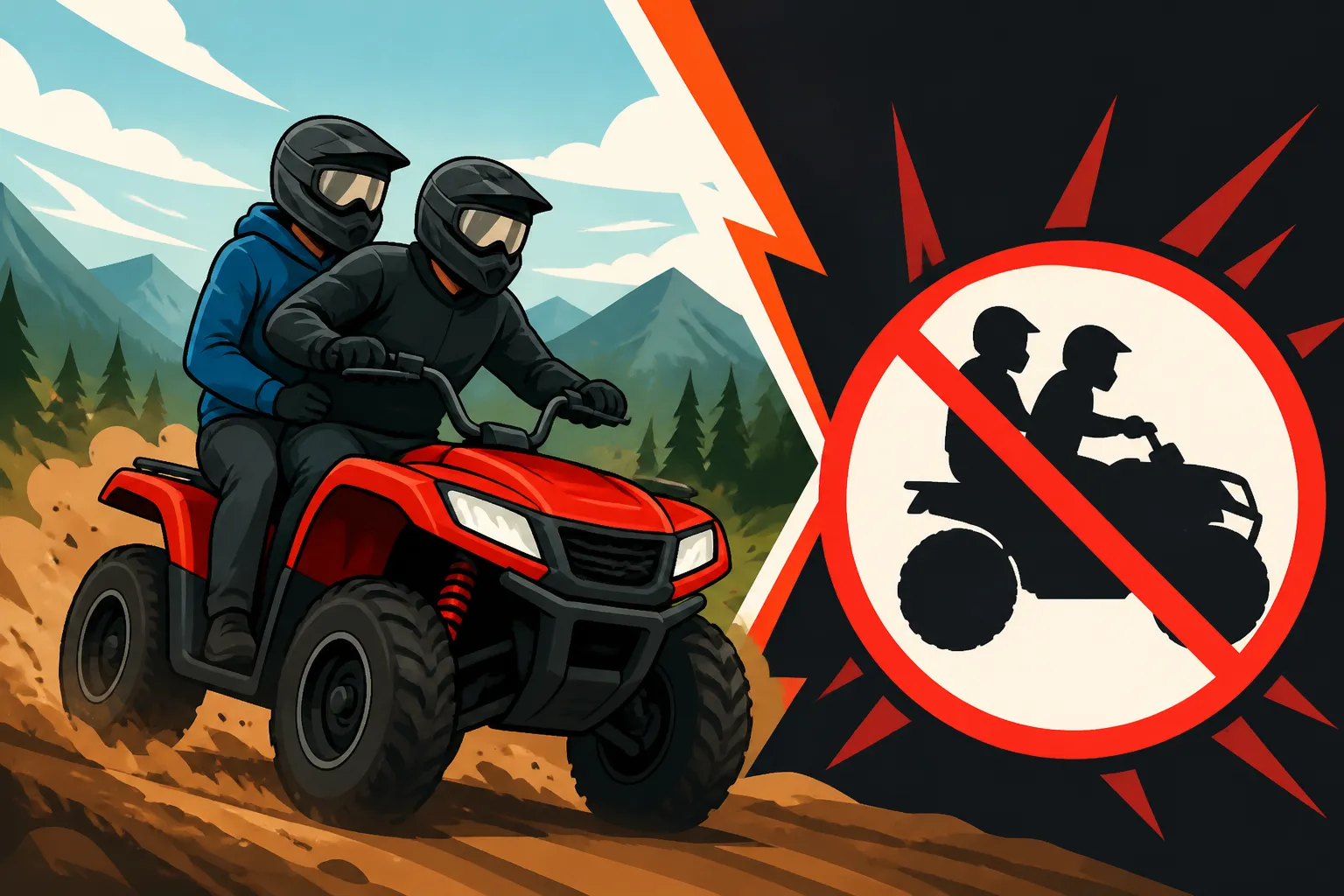
Carrying a Passenger on a One-Seat Quad
We've all been there: you're out on a gorgeous Idaho trail, the sun is shining, and you want nothing more than to share that incredible experience with a friend or family member. But you're on your trusty one-seat quad, and a little voice in your head warns you that squeezing someone else on isn't quite right. This guide is going to dive deep into the realities, risks, and regulations around carrying a passenger on a quad designed for a single rider, helping you understand the crucial reasons why it's not a good idea and what your safer, legal alternatives are.
The Design Intent: Why One-Seat Means One Rider
It might seem obvious, but it's worth stating clearly: when a manufacturer designs an ATV with a single seat, they mean for one person to ride it. This isn't just a suggestion; it's fundamental to how the machine handles, balances, and performs. Ignoring this design intent creates a cascade of safety issues that can turn a fun day on the trails into a dangerous situation.
Balance and Weight Distribution Are Critical
ATVs are engineered for a single rider's weight to be centered over the machine. The rider uses their body weight, shifting and leaning, to control the ATV's balance, especially when cornering, climbing hills, or navigating uneven terrain. Introduce a second person, and suddenly that finely tuned balance is thrown completely off. The added weight, often positioned too far back or to one side, makes the quad top-heavy and unstable. Imagine trying to balance a seesaw with two people on one end – it's just not going to work, and on a fast-moving, powerful machine, that instability is a recipe for disaster.
Controls, Footrests, and Handholds for One
Take a moment to look at your quad's design. Where are the footrests? The handlebars? Any grab handles? They're all ergonomically placed for a single operator. A passenger, no matter how small or agile, will struggle to find secure footing and handholds. They'll likely be gripping you, the driver, which can impede your steering and throttle control. In a sudden bump or turn, that passenger can easily be jolted off, or their uncontrolled movement could cause you to lose control of the machine altogether. There's no seatbelt, no proper backrest, and certainly no roll cage to protect them if things go sideways, unlike a properly designed side-by-side.
Manufacturer Warnings Aren't Just Suggestions
Every ATV manual you pick up will explicitly state that the machine is designed for one operator and that carrying a passenger is strictly forbidden. These aren't empty words; they're based on extensive engineering, testing, and a deep understanding of the physics involved. Ignoring these warnings not only puts you and your passenger at extreme risk but also has significant implications for liability and insurance coverage in the event of an accident. Manufacturers put these warnings in place to protect riders, and respecting them is the first step in safe ATV operation.
Idaho's Regulations and Unapproved Passengers
Idaho's OHV laws, while comprehensive in many areas, might not have a specific line item that says, "Thou shalt not carry a passenger on a one-seat quad." However, the absence of a direct prohibition doesn't make it legal or safe. Law enforcement officers, whether from the local sheriff's department or Idaho Fish and Game, often rely on broader statutes regarding safe operation and equipment.
The Letter of the Law vs. Practical Enforcement
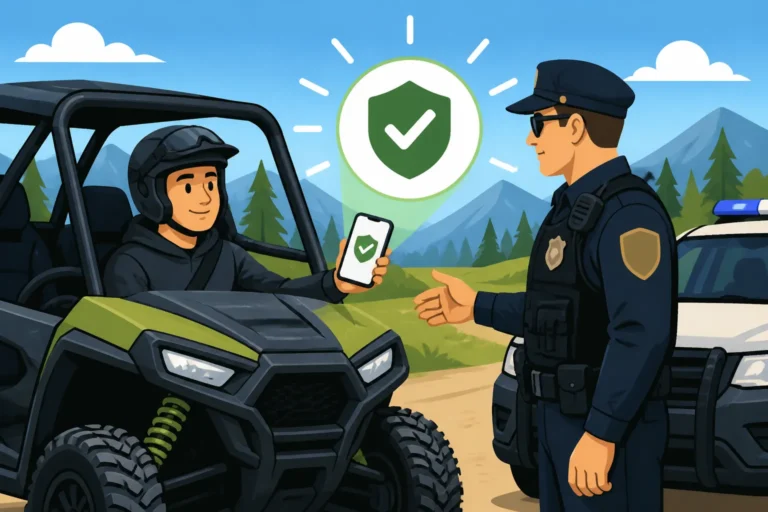
While you won't find a specific statute titled "No Passenger on Single-Seat ATV," deputies and rangers on Idaho's trails have a responsibility to ensure public safety. They often interpret situations like carrying a passenger on a quad as operating a vehicle in an unsafe or reckless manner. This could lead to citations for [Idaho Penalties for Reckless Riding], or even charges related to endangering others. Remember, their primary concern is preventing accidents and injuries, and an overloaded, unstable quad definitely raises red flags. What an Idaho Deputy Asks a Rider For can often extend beyond just your sticker and title to observations about how safely you're operating your machine.
What Idaho Does Regulate for OHVs
Idaho focuses on several key areas to ensure OHV safety, especially when it comes to younger riders and road use. For instance, there are clear rules regarding [Idaho Helmet Rules for Riders Under 18] and [Idaho Age Rules for Riders Under 16]. The state also requires proper registration, like displaying your [What an Idaho OHV Sticker Costs Each Year], and often mandates liability insurance for road-legal machines. The spirit of these laws is always about safe and responsible operation. When you carry an unauthorized passenger, you're inherently operating outside that spirit.
Insurance and Liability in the Event of an Incident
This is where things can get incredibly messy. If you're involved in an accident while carrying an unapproved passenger on your quad, your insurance company might deny coverage. Most standard [Idaho ATV Insurance Cost] policies are written with the assumption that you are operating the vehicle as intended by the manufacturer and in compliance with state laws. Carrying a passenger on a single-seat ATV could be seen as a violation of those terms, potentially leaving you personally responsible for all damages, medical bills, and legal fees. Imagine an injury claim where the insurance company says, "Sorry, but your machine isn't designed for two people." That's a devastating financial blow no rider wants to face.
The Real-World Dangers of Doubling Up
Beyond the legal and insurance headaches, the physical dangers of carrying a passenger on a single-seat quad are immediate and severe. It's not just about a minor inconvenience; it significantly elevates the risk of serious injury or even fatality for both the driver and the passenger.
Compromised Control and Increased Rollover Risk
An ATV's center of gravity is crucial for stability. When you add a passenger, especially one who isn't experienced in shifting their weight in sync with the driver, that center of gravity moves higher and becomes unpredictable. This makes the machine much more prone to rolling over, particularly on uneven terrain, during sharp turns, or when navigating slopes. A quad can flip surprisingly easily, and if it does, the chances of both riders being crushed or thrown are extremely high.
Passenger Ejection and Lack of Protection
Think about the forces involved when an ATV hits a bump, crosses a rut, or simply takes a corner. The passenger, with no proper seat, seatbelt, or handholds, is highly susceptible to being thrown from the machine. They might land on rocky ground, hit a tree, or even be run over by the quad itself. There's no built-in protection. Unlike a side-by-side with its roll cage and safety restraints – which are designed for passengers, as discussed in [Seat Belts and Nets in a Side-by-Side] – a quad offers none of these safeguards for an extra rider.
Impaired Braking and Acceleration
Adding significant weight to a vehicle, especially one designed for a specific load, impacts its performance in critical ways. Braking distances will increase dramatically, making it harder to stop in an emergency. Acceleration will be sluggish, which can be dangerous when trying to clear an obstacle or merge into traffic on an approved [Riding an ATV on the Road in Idaho] section. These changes in handling characteristics reduce your ability to react safely to changing trail conditions.
Safe and Legal Alternatives for Group Riding
So, if carrying a passenger on your single-seat quad is out (and it definitely should be!), what are your options for sharing the adventure? Thankfully, there are many safe, legal, and much more enjoyable ways to ride with company.
Invest in a Multi-Passenger Side-by-Side (UTV)
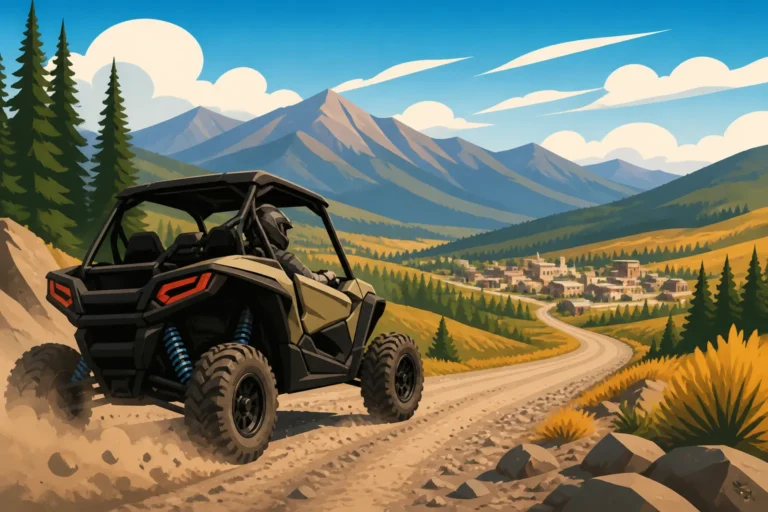
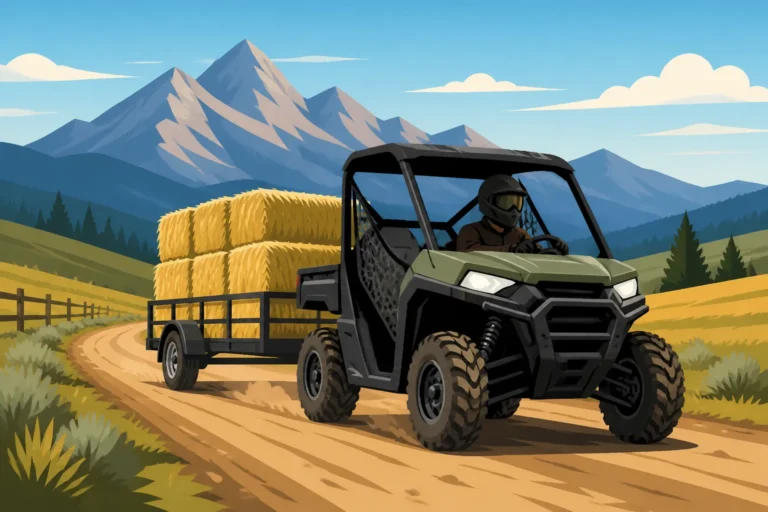
This is the gold standard for group riding. Side-by-sides are specifically designed to carry multiple passengers, typically two, four, or even six people, in secure, bucket or bench seats, complete with seatbelts, grab handles, and a roll cage for protection. They offer a much more stable ride, and the passengers can simply enjoy the scenery without needing to constantly balance or interfere with the driver's controls. Brands like SuperATV offer a vast array of accessories for side-by-sides, from cargo solutions to windshields, making them even more versatile for family adventures. When it comes to [What Idaho Riders Need Before They Ride] with others, a multi-passenger UTV checks all the boxes.
Ride with Multiple Quads
If everyone in your group is capable and has access to their own ATV, this is a fantastic option. Everyone gets to experience the thrill of piloting their own machine, and you can ride together as a group. This ensures each machine is operated within its design limits and maximizes safety for all involved. You'll just need to make sure everyone's machines are properly stickered, like knowing [Where Idaho Sells OHV Stickers].
Rent a Multi-Seat Machine for Group Outings
If purchasing a side-by-side isn't in your budget or you only occasionally ride with a group, renting is an excellent solution. Many outfitters across Idaho offer a range of multi-passenger side-by-sides, from two-seaters perfect for a couple to four or even six-seaters for families. This allows you to safely experience the trails with your friends or family without the long-term commitment of ownership. You can easily find options like [Renting a Polaris RZR in Idaho] or [Renting a Four-Person Side-by-Side in Stanley] at various locations. This way, you ensure everyone has a proper seat, proper restraints, and a safe experience.
Aftermarket Passenger Seats: A Risky Gray Area
You might have seen aftermarket "passenger seats" or "buddy seats" advertised for quads. While companies like SuperATV offer a vast range of legitimate and useful aftermarket accessories, from winches to lift kits, adding an aftermarket passenger seat to a quad designed for one is fundamentally different. These seats do not magically transform a single-rider ATV into a multi-passenger vehicle. They do not address the fundamental issues of weight distribution, stability, lack of proper handholds, or the absence of a roll cage. In fact, they can give a false sense of security, potentially leading to even greater risks. Your insurance company will almost certainly not cover injuries sustained by a passenger in an aftermarket seat on a single-seat quad, as it's still operating the machine outside its intended design.
Final Thoughts on Safe Riding
The allure of sharing an incredible Idaho trail experience is strong, and it's wonderful to want to bring others along for the ride. However, it's absolutely critical to do so safely and legally. Attempting to carry a passenger on a quad designed for one person puts everyone at unnecessary risk and can lead to severe consequences, both physical and financial.
Instead of compromising safety, embrace the excellent alternatives available. A multi-passenger side-by-side or simply riding with multiple quads will allow everyone to enjoy Idaho's stunning backcountry trails to the fullest, ensuring that your adventures are memorable for all the right reasons. Always prioritize safety, understand [Idaho OHV Crash Reporting] protocols, and choose the right machine for the right job.
Disclaimer
This article is for general informational purposes only and does not constitute professional advice. Laws, prices and regulations vary by location and change over time. Consult a qualified professional for guidance on your specific situation.