Idaho Rules for a Child Passenger
Bringing your kids along for an ATV or UTV adventure in Idaho is one of the joys of our outdoor lifestyle, but it's natural to feel a bit overwhelmed by all the rules and regulations, especially when it comes to keeping your youngest passengers safe and legal. It's a real headache trying to decipher what's allowed and what's not, and the last thing any parent wants is to inadvertently put their child at risk or face a fine. This guide is here to untangle the specifics of Idaho's child passenger rules for ATVs and UTVs, helping you understand the requirements for age, seating, safety gear, and supervision, so your family rides can be worry-free and fun.
The Basics: Who Can Ride and Where
When you're out enjoying Idaho's incredible backcountry, whether it's through the winding trails of the Danskin Mountains or exploring the forest roads of the Panhandle, understanding the foundational rules for child passengers is paramount. It’s not just about compliance; it’s about safety, pure and simple.
Age and Size Considerations
Idaho law is pretty clear on who can legally ride as a passenger on an ATV or UTV, and it largely hinges on the machine itself. For a standard ATV (which means a four-wheeler designed for one operator), there are generally no provisions for passengers. These machines are built with the balance and control of a single rider in mind. Adding a child, even a small one, can drastically alter the ATV's stability, making it incredibly dangerous, especially on uneven terrain or around sharp turns. You see this rule reinforced because an ATV's design, from its seat to its footpegs, is calibrated for a single rider's weight distribution and control. Even if a child is small enough to squeeze on, it's a huge risk and often against the law.
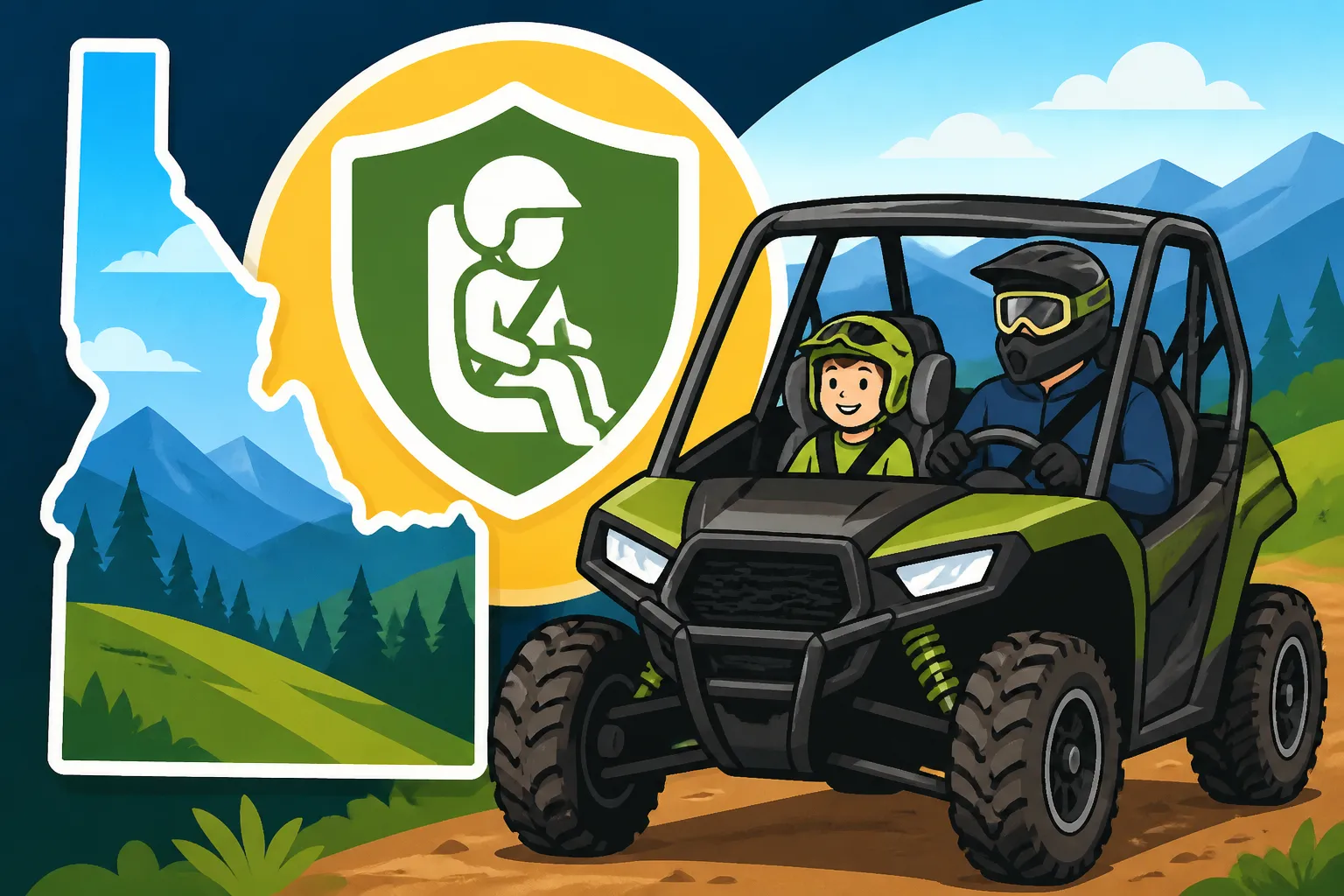
Now, when we talk about UTVs, often called side-by-sides, it's a different story. These machines are explicitly designed to carry multiple passengers, with seating arrangements that include seat belts, grab handles, and a roll cage for protection. Idaho recognizes this design difference. The general rule for passengers in UTVs is that they must be able to sit with their back against the seat and their feet flat on the floorboards. This isn't just a suggestion; it's a crucial safety measure. If a child's feet dangle, they could get caught in the terrain or simply lack the stability to brace themselves during bumps or sudden stops. It's all about ensuring they are securely seated and can maintain their balance independently. This rule effectively creates a de facto age minimum, as very young children often won't meet these physical requirements, regardless of their chronological age. You might be surprised how quickly kids grow, but always check their fit in the machine, not just their birthdate.
Seating and Machine Design
The design of your specific ATV or UTV dictates a lot about whether it can safely and legally carry a child passenger. As mentioned, traditional ATVs are single-operator vehicles. This means they are not equipped with additional seats, footrests, or handholds for a second person. Trying to modify an ATV to carry a passenger, even with aftermarket add-ons, is generally not recommended and can be illegal, as it compromises the vehicle's original safety engineering. It also usually voids any manufacturer warranties and certainly won't meet Idaho's safety expectations.
UTVs, however, are built for passengers. They typically come with bucket seats or bench seats, seat belts, and robust roll-over protection systems (ROPS). When considering a UTV for family rides, pay close attention to the number of designated seating positions, each equipped with its own seat belt. For instance, a two-seater UTV is only designed for a driver and one passenger, regardless of how small additional children might be. A four-seater UTV, on the other hand, is built to safely accommodate four individuals. It's important that every passenger, especially a child, uses the provided seat belt or harness system correctly. Just like in a car, these are your primary defense in a sudden stop or impact. Ensure the belts fit snugly across their chest and lap without being too loose or riding up on their neck. Some UTVs, like those offered by SuperATV, come with sturdy aftermarket accessories and seating options, but always verify that any modifications still allow for proper seat belt use and don't compromise the original safety design in relation to passenger weight and balance. Don't try to cram five people into a four-seater, no matter how tempting it might be. Overloading a machine changes its handling characteristics and increases the risk of an accident.
Safety Gear and Supervision Essentials
Beyond the machine itself, the right gear and vigilant supervision are your next lines of defense for keeping young riders safe. It's a common misconception that if you're just "taking it slow," you don't need all the bells and whistles. However, even low-speed incidents can result in significant injury, especially for children.
Helmet and Eye Protection Requirements
Idaho law is very clear on helmet requirements for OHV riders, and this extends to child passengers. Anyone under the age of 18, whether they are operating an OHV or riding as a passenger, must wear an approved helmet. This isn't just for trail riding; it applies wherever the OHV rules are in effect. An approved helmet means one that meets Department of Transportation (DOT) standards. You'll usually find a DOT sticker on the back of the helmet. A properly fitting helmet is absolutely crucial. A helmet that's too big will shift around, obstructing vision and offering little protection in a crash. One that's too small will be uncomfortable and might not cover all the necessary areas.
Beyond helmets, eye protection is equally important, especially when riding on dusty trails or through brush. Goggles or a face shield on the helmet will protect a child's eyes from flying debris, insects, or even just the wind, which can cause eyes to water and impair vision. Imagine trying to see clearly with tears streaming down your face while bouncing over a rocky section – it’s not just uncomfortable, it’s dangerous. Ensure the goggles fit snugly around the helmet opening without leaving gaps, and that they provide clear, unobstructed vision. This combination of helmet and eye protection significantly reduces the risk of head and facial injuries, which are among the most serious types of injuries in OHV accidents. It's a small investment for peace of mind and, more importantly, for your child's well-being.
The Critical Role of Adult Supervision
Even when a child meets the age and size requirements and is decked out in all the necessary safety gear, direct adult supervision is a non-negotiable component of safe OHV riding in Idaho. This is particularly true for younger operators, but the spirit of the law, and good sense, extends to passengers. For youth under 16 who are operating an OHV on public lands, Idaho law typically requires direct supervision by an adult who is at least 18 years old and within 300 feet of the youth. While this specifically addresses operators, the underlying principle is that an adult should always be actively monitoring and responsible for minors on an OHV, whether they are driving or simply riding along.
This means the supervising adult needs to be aware of the child's behavior, comfort, and any potential hazards. Are they staying seated properly? Are they holding on? Are they getting fatigued or scared? A passenger might not be controlling the machine, but their reactions and actions can still impact safety. If you're driving a UTV with a child passenger, you are directly responsible for their safety. Make sure they understand basic safety commands, like keeping their hands and feet inside the vehicle and not distracting the driver. Setting clear expectations before you even start the engine can prevent many potential issues down the trail. It’s not just about meeting a legal distance; it’s about active, attentive care.
Public Roads, Trails, and Private Land: Different Rules for Different Places
Idaho offers a vast playground for OHV enthusiasts, from designated trails in national forests to county roads that connect remote towns. The rules, particularly for child passengers, can shift depending on where you're riding. Navigating these distinctions is key to staying legal and safe.
Navigating Idaho's Public Roads and Trails
Riding on Idaho's public roads and trails brings an additional layer of regulation, especially if your UTV is street-legal with a [Idaho Restricted Vehicle Plate]. For county roads open to OHVs, the rules for child passengers generally mirror what we've discussed: they must be able to sit with their back against the seat and feet flat on the floorboards, and if under 18, they absolutely must wear a DOT-approved helmet. Additionally, any UTV operating on a public road must meet certain equipment standards – things like headlights, taillights, brake lights, mirrors, and a horn. While these are equipment requirements for the vehicle itself, they contribute to the overall safety environment for all occupants, including children. A properly equipped vehicle is less likely to be involved in an accident, which in turn protects your passengers.
It's also worth noting that some roads might have specific speed limits or restrictions that are particularly important to adhere to when carrying children. Speeding on a gravel road with a child in the back isn't just dangerous; it's a sure way to generate dust, decrease control, and risk a citation. Always ride defensively and anticipate unexpected obstacles or other traffic, especially when you have precious cargo aboard. Familiarize yourself with local ordinances, as some cities or counties may have stricter rules for OHV access or specific requirements for passengers, even if the state allows it generally. For example, [What Idaho Requires to Ride a County Road] might include a valid driver's license for the operator, which ensures a basic level of experience and responsibility for all on board.
Riding on Private Property and Rental Machines
When riding on private property, the state's OHV helmet and passenger rules technically don't apply in the same way they do on public land. However, this absolutely does not mean you should throw caution to the wind. Most landowners still expect you to operate your machines safely and responsibly, and the fundamental principles of child safety remain paramount. Any responsible parent will enforce the same helmet, eye protection, and secure seating rules for their children on private land as they would on public trails. After all, gravity and physics don't care if you're on your own back forty or a national forest trail. Common sense dictates that a child passenger needs the same level of protection.
For those considering renting a UTV in Idaho, say from a place like Sawtooth Traxx or CM Backcountry Rentals, it's vital to know that rental companies will have their own stringent rules, often mirroring or exceeding state requirements. They have a vested interest in safety and liability, so expect them to enforce age and size restrictions for passengers, require helmets for all riders under 18 (and often recommend them for adults), and ensure all seat belts are properly used. Many rental agreements will explicitly state these requirements, and failure to comply could result in penalties or even voiding your rental contract. Always ask about their specific child passenger policies when booking, and be prepared to adhere to them strictly. They want you to have a great time, but above all, they want you to return their machine and your family in one piece.
Common Questions and Keeping Kids Safe
Even with all the rules laid out, parents often have specific questions about how to best integrate their children into the OHV lifestyle. It's about more than just legalities; it's about fostering a love for the outdoors responsibly.
What to Look for in a Youth-Specific Machine
While this article primarily focuses on passengers, understanding youth-specific machines is important for families with growing kids who will eventually want to drive. Many manufacturers, including those whose parts are often used by SuperATV enthusiasts, produce smaller ATVs and UTVs specifically designed for younger operators. These machines have lower top speeds, lighter weights, and smaller engine displacements, making them more manageable for children. The rules regarding [Engine Size Limits for Idaho Riders Under 16] are very specific, generally limiting engine size based on age. If you have a child who eventually wants to transition from passenger to operator, starting them on an appropriately sized and powered machine is the safest route.
For UTVs that will carry children, look for models with robust safety features. Some manufacturers offer youth-specific UTVs with adjustable seats, lower maximum speeds, and even remote ignition interrupters or geofencing capabilities, allowing parents to control the operating parameters. Features like sturdy grab handles, secure door nets (if not full doors), and a well-designed roll cage are standard for good reason. When buying a used machine, always inspect these safety features carefully. A worn seat belt or a damaged roll cage is a red flag. Think about stability and suspension as well; a machine that handles bumps smoothly will be more comfortable and safer for a child passenger.
Encouraging Responsible Riding Habits
Beyond the legal requirements, instilling a sense of responsibility and good riding habits in your children is perhaps the most important thing you can do. This starts with leading by example. Always wear your own helmet, even if you’re over 18 and riding a UTV. Show your kids that safety gear is non-negotiable, not just a rule for them. Talk to them about the importance of staying seated, keeping hands and feet inside, and communicating if they feel uncomfortable or need a break.
Teach them about environmental stewardship too. Explain why staying on designated trails is important and how to respect wildlife. An OHV adventure is also an opportunity to teach valuable lessons about nature and conservation. Consider taking an OHV safety course as a family. While Idaho mandates a safety course for youth operators under 16, a course can be beneficial for everyone, even adult drivers and passengers, to refresh their knowledge and learn best practices. These courses cover everything from machine operation to hazard awareness and responsible riding ethics. You can find more details about [Idaho's OHV Safety Course for Young Riders] if you're looking to enroll your kids. Ultimately, a family that understands and respects the rules, the machine, and the environment will have the safest and most enjoyable Idaho OHV experiences for years to come.
Disclaimer
This article is for general informational purposes only and does not constitute professional advice. Laws, prices and regulations vary by location and change over time. Consult a qualified professional for guidance on your specific situation.