Riding a Gravel Road Into Idaho City
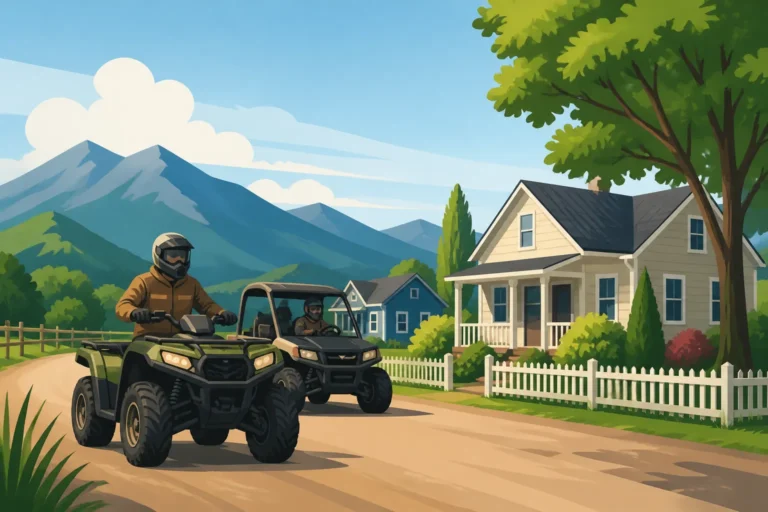
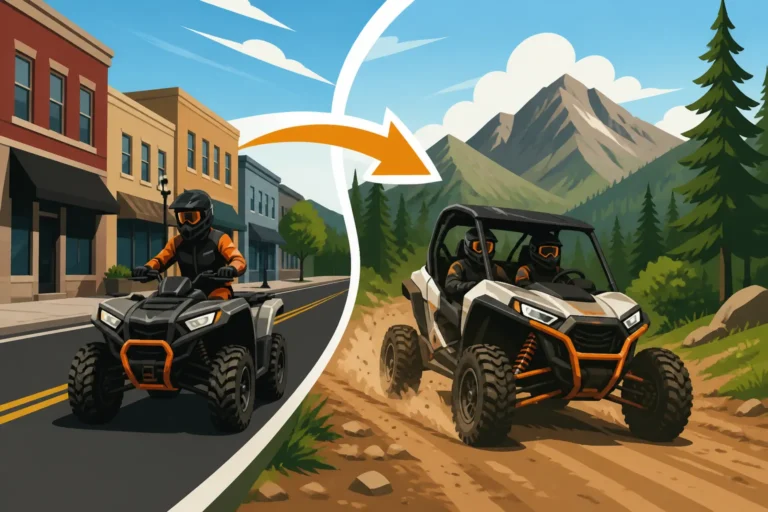
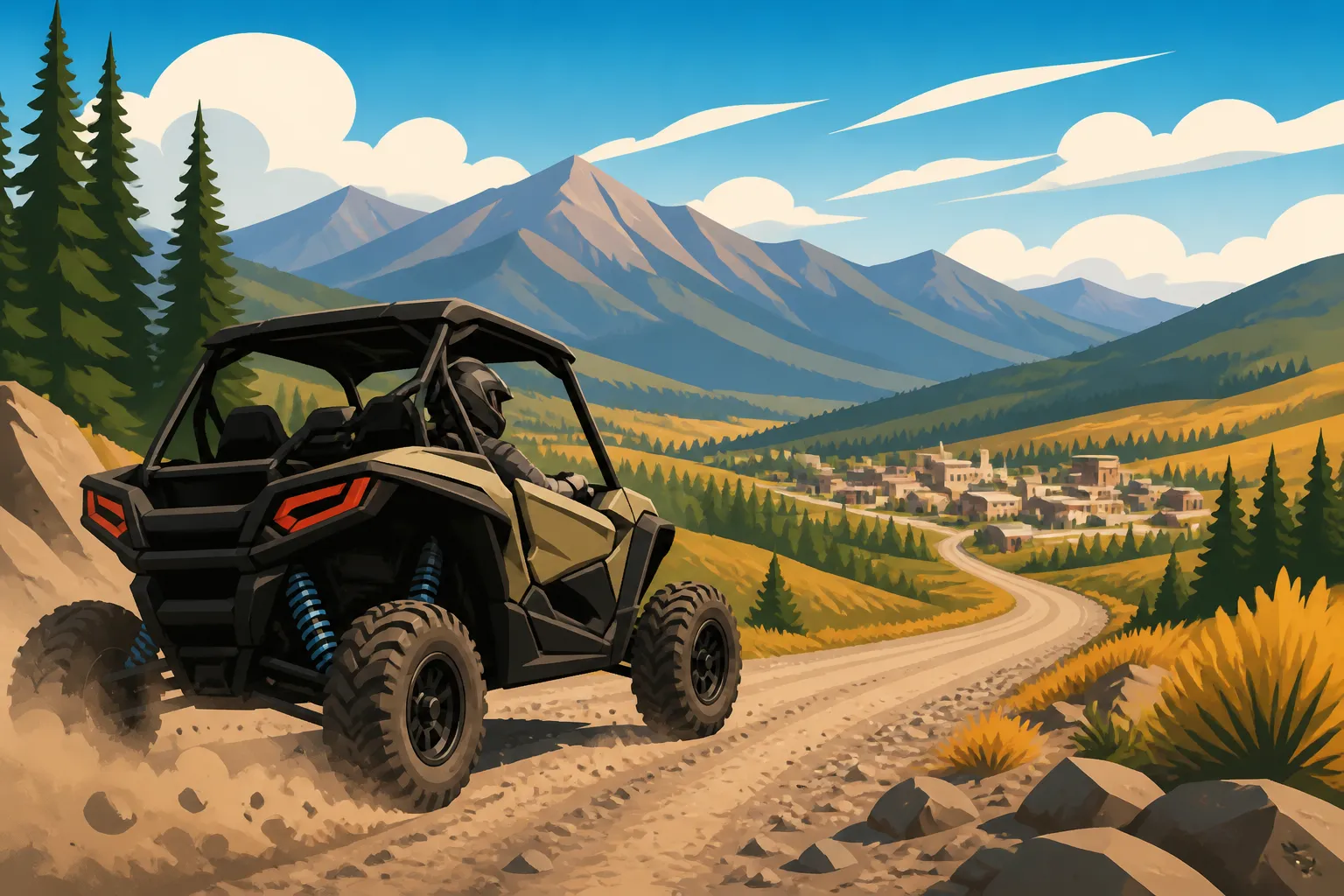
There’s something truly special about the idea of riding your ATV or side-by-side directly into an old mining town like Idaho City. Many of us dream of leaving the truck and trailer behind at the trailhead and simply cruising those dusty roads right into town for a burger and a cold drink. But then reality sets in: What are the rules? Is it even legal? This guide will cut through the confusion and explain exactly what you need to know to safely and legally ride those scenic gravel roads right into the heart of Idaho City.
Understanding Idaho's OHV Road Rules for Town Access
Idaho has made great strides in opening up more roads for off-highway vehicle (OHV) use, which is fantastic news for riders. However, it's not a free-for-all, and specific rules apply when you want to transition from a dirt trail or forest road onto something that connects to a town. The frustration often comes from not knowing which roads are open and what your machine needs to have equipped. Nobody wants to get a ticket or, worse, endanger themselves or others because they misunderstood the local rules.
The Restricted Use Plate and What It Allows
The cornerstone of riding many county and Forest Service roads in Idaho is the Restricted Use Plate, often simply called an "R-plate." This plate transforms your off-road machine into something that can legally operate on certain paved and gravel public roads, bridging the gap between remote trails and accessible towns. Without this plate, your ability to ride on roads, even gravel ones, is severely limited to specific exceptions like direct crossings or ranch work. It's really the key to unlocking a lot of Idaho's road riding potential.
You'll often hear about county ordinances. This is crucial because while the state provides the framework with the Restricted Use Plate, individual counties have the authority to open or close their roads to OHV traffic. So, while you might have your R-plate, you still need to know what the county itself allows. For many of us, the ability to ride right from the trails into a small town like Idaho City is a huge perk, but it relies on that combination of state permission and local acceptance. [What Idaho's $3 Restricted Use Plate Covers] is a great resource to understand the full scope of this permit.
Machine Requirements for Road Use
Beyond the plate, your OHV needs to meet certain equipment requirements to be considered "road-legal" for these designated routes. This isn't just about avoiding a fine; it's about safety for you, your passengers, and other vehicles you might encounter on these shared roads. Imagine coming around a blind corner on a dusty gravel road and not having proper braking or lighting – it's a recipe for disaster. The state wants to ensure that when you mix with cars, trucks, and even bicycles, your machine is visible and controllable.
Think about what a car has: headlights, taillights, brake lights, mirrors, a horn. Your OHV needs a similar suite of equipment to ensure you can signal your intentions and be seen. For instance, turn signals are essential for communicating your movements to other drivers, and a working horn is critical for alerting pedestrians or wildlife. Many riders invest in aftermarket parts for these upgrades, with companies like SuperATV offering a range of lighting kits, mirrors, and turn signal assemblies that can help get your machine up to snuff. Don't forget, even on gravel roads, dust can reduce visibility, so having proper lighting and reflective elements becomes even more important. [Lighting Rules for Riding After Dark in Idaho] can provide more detail on specific requirements.
Navigating the Gravel Roads into Idaho City
Idaho City is a popular destination for OHV enthusiasts, largely because it's surrounded by the vast Boise National Forest and has embraced off-road tourism. However, even with the town being OHV-friendly, you still need to know which gravel roads are legal and how to approach the town center. It's not as simple as just following the main highway.
Common OHV Routes Towards Idaho City
Most riders approaching Idaho City from the Boise area will travel up Highway 21, often called the Ponderosa Pine Scenic Byway. While Highway 21 itself is a state highway and generally closed to OHVs, numerous Forest Service and county roads branch off it, winding through the beautiful mountain terrain. These are the gravel arteries that can lead you right to Idaho City's doorstep. Popular routes might include the Forest Service roads that connect from areas like Placerville or Centerville, or routes leading off from areas further up Highway 21.
It's vital to remember that not all gravel roads are created equal when it comes to OHV access. The best way to confirm is to check the current Motor Vehicle Use Maps (MVUMs) for the Boise National Forest. These maps clearly mark which roads are open to different types of vehicles. You'll often find that the immediate approaches to Idaho City are designated as open to licensed or restricted-use OHVs, making that dream ride into town a reality. Planning your route beforehand, especially if you're coming from a distant trailhead, ensures you stay on legal roads and avoid any unpleasant surprises. [Reading an Idaho Motor Vehicle Use Map] is essential reading for planning your rides.
Specific Road Restrictions Near Town
Even once you're on a legal gravel road heading towards Idaho City, pay close attention to signage as you get closer to the town limits. While Idaho City itself is known for its OHV-friendly stance, there can still be specific areas or streets where OHV access is restricted or where special rules apply. For example, some towns might designate certain streets as permissible for OHVs to reach services, but not necessarily for general cruising.
Idaho City has generally welcomed OHVs, recognizing the economic benefit riders bring. You'll often see designated parking areas for OHVs, and it's common to see side-by-sides parked alongside cars on Main Street. However, always be vigilant for posted signs, especially regarding speed limits or specific hours of operation for OHVs on town streets. It's about respecting the local community and ensuring that this OHV-friendly atmosphere continues. A little common sense and courtesy go a long way when riding through any small town. Remember that the goal is to enjoy the amenities, not to disrupt the peace. [Riding Through McCall, Stanley and Salmon] also touches on similar town access considerations in other Idaho communities.
Idaho City's OHV-Friendly Environment
Idaho City really stands out as a destination that 'gets' the OHV community. Unlike some towns where you feel like an outsider, Idaho City has embraced the influx of riders, providing a welcoming atmosphere for those exploring the surrounding forest roads and trails. This means you’ll find businesses that cater to riders, from fuel stations that are easy to access with a UTV to restaurants with outdoor seating perfect for dusty trail clothes.
It's truly a relief to be able to ride off the trail, park your machine, and walk into a local eatery without feeling out of place. This friendly environment means that the gravel roads leading into town aren't just a means to an end, but part of the overall experience. When you're rolling into town, you're not just arriving at a destination; you're joining a community that understands and appreciates your passion for the outdoors. It's a great example of how towns can integrate OHV tourism successfully, creating a win-win for both residents and visitors. [Riding to a Restaurant in Salmon] is another example of how riders can enjoy local establishments.
Preparing Your Machine and Yourself for the Ride
Taking your OHV on public roads, even gravel ones, requires a different level of preparation than a pure trail ride. You're entering a shared space with other vehicles and pedestrians, and your machine needs to be up to the task. Overlooking something simple could lead to a preventable issue or even a costly citation.
Essential Gear and Machine Upgrades
First and foremost, ensure your machine is in top mechanical condition. Check your tires, brakes, lights, and fluid levels. A breakdown on a remote gravel road, far from cell service, is no fun. For road use, many riders opt for slightly different tires than pure mud or rock crawlers, choosing something with a better wear pattern and quieter ride on harder surfaces. Companies like SuperATV offer a variety of tire options that balance off-road capability with road manners, which can be a game-changer for these mixed-use rides. You also need to confirm all your road-legal equipment is functioning:
- Headlights and Taillights: Must be fully operational.
- Brake Lights: Crucial for safety.
- Mirrors: Side mirrors are generally required for visibility.
- Horn: A working horn is mandatory.
- Turn Signals: Essential for signaling intentions.
- Muffler and Spark Arrester: Ensure your exhaust meets noise regulations and has a spark arrester. [Mufflers and Spark Arresters] are legally required.
Beyond the machine, carry a small tool kit, a first-aid kit, and enough water and snacks. Cell service can be spotty, even on gravel roads, so consider a satellite messenger for emergencies. Having a small fire extinguisher on board is also a smart move, especially in dry, dusty conditions.
Licensing, Insurance, and Documentation
Before you even think about putting tires on a gravel road, make absolutely certain your licensing and documentation are in order. This isn't just about avoiding a fine; it's a legal requirement that protects you and others. Getting pulled over for a simple check and finding out you're missing something crucial can derail your entire day, or worse.
Here's what you'll need:
| Requirement | Description | Importance |
|---|---|---|
| Idaho OHV Sticker | Required for all OHVs operating on public lands and designated roads in Idaho. | Absolute must-have for legal operation. Funds trails. |
| Restricted Use Plate | Necessary for operating on most designated county and Forest Service roads. | Key to connecting trails to towns via roads. |
| Driver's License | A valid driver's license is required to operate an OHV on any public road in Idaho, including gravel roads. | Legal requirement for operating a motor vehicle on a public roadway. |
| Liability Insurance | Mandatory for OHVs operating on public roads. Proof of insurance must be carried. | Protects you financially in case of an accident. [Liability Insurance Idaho Road Riding Requires] outlines the minimums. |
| Proof of Ownership | While not always required to be carried on the machine, having proof of ownership (like your title or registration) can be helpful in certain situations. | Can help verify ownership if questioned by law enforcement. |
| Youth Safety Certificate | If a rider is under 16, they generally need to have completed an approved OHV safety course and carry their certificate, even with adult supervision. Specific rules apply for riding on roads. | Ensures young riders have basic safety knowledge. [Idaho's OHV Safety Course for Young Riders] is a good reference. |
Always carry these documents with you, preferably in a waterproof bag on your machine. An Idaho deputy or Forest Service ranger will often ask to see them during a stop. Being prepared makes the encounter quick and painless, allowing you to get back to enjoying your ride.
Rider Safety and Etiquette
Riding gravel roads into a town means you're no longer in the wilderness, but in a community. This calls for heightened awareness and respectful riding. Keep your speed appropriate for the conditions – dust, blind corners, and potential traffic (cars, bicycles, pedestrians) are all factors. You’re sharing the road, and that means being predictable and visible.
Maintain a safe following distance, especially behind other vehicles on dusty roads. The dust cloud your machine kicks up can severely reduce visibility for anyone behind you, so be mindful in a group. When passing homes or businesses, slow down even further to minimize dust and noise. Nobody appreciates a loud machine kicking up a plume of dust right past their window. Your actions reflect on the entire OHV community, so let's make sure it's a positive impression. [Riding Slowly Past Roadside Homes] is a small but important act of courtesy.
Enjoying Your Stop in Idaho City
After a great ride on the gravel roads, arriving in Idaho City is like stepping back in time, with its historic buildings and small-town charm. The goal isn't just to get there, but to relax and enjoy the unique atmosphere the town offers.
Parking and Town Access
One of the best parts about Idaho City for OHV riders is the availability of OHV-friendly parking. Unlike some towns where you might struggle to find a spot for your wider side-by-side, Idaho City has made efforts to accommodate off-road vehicles. You'll often find designated areas, or simply enough space on side streets, where you can park without blocking traffic or taking up multiple car spots. Always look for signage and park respectfully, leaving ample room for other vehicles and pedestrians.
Once parked, the town is easily walkable. You can stroll along Main Street, visit the historic buildings, grab a meal, or browse the local shops. This direct access from trail to town center is a major draw for Idaho City and makes for a truly immersive experience. It's the kind of place where you can comfortably walk into a diner in your riding gear and feel right at home. [Parking a Side-by-Side on an Idaho Main Street] covers more on this topic.
Local Amenities and Services for Riders
Idaho City offers a surprising array of services for its size, many of which cater directly to the OHV crowd. Need to top off your tank? There are gas stations in town that are accessible for OHVs. Feeling hungry? You'll find a variety of eateries, from casual cafes to restaurants, ready to serve up a satisfying meal. Don't be surprised to see other riders enjoying their lunch on a patio.
Beyond food and fuel, there are often general stores for last-minute supplies, or even small shops selling souvenirs or local crafts. It's a great place to stock up on essentials before heading back out onto the trails or to grab a memento of your trip. The town understands that riders are looking for convenience, and they deliver.
Respecting the Historic Town and Its Residents
While Idaho City welcomes OHVs, it's still a historic community with residents who value their peaceful mountain home. When you're in town, remember to:
- Keep Noise Down: Avoid revving engines or unnecessary loud operation.
- Adhere to Speed Limits: Town speed limits are typically low, and it’s important to respect them.
- Control Dust: If you’re on a gravel section within town, drive slowly to minimize dust for homes and businesses.
- Dispose of Trash Properly: Pack out everything you pack in, and use trash receptacles.
- Be Courteous: A friendly wave or a polite interaction goes a long way in reinforcing a positive image of OHV riders.
By being mindful and respectful, we ensure that Idaho City continues to be a welcoming and enjoyable destination for all OHV enthusiasts for years to come. The experience of riding the gravel roads into Idaho City is truly unique, offering a blend of historical charm and natural beauty, and it's something we all want to preserve.
Disclaimer
This article is for general informational purposes only and does not constitute professional advice. Laws, prices and regulations vary by location and change over time. Consult a qualified professional for guidance on your specific situation.