Crossing an Interstate on an Idaho Quad
It's a common frustration, isn't it? You've got your quad or side-by-side all stickered up, you're ready for an epic Idaho adventure, and then you see that pesky interstate cutting right through your planned route. The thought might cross your mind: "Can I just hop on for a quick mile to get to the other side?" This guide is here to unravel the complexities of Idaho's OHV laws and explain exactly why interstates are a no-go, offering practical, legal ways to keep your adventure rolling.
The Harsh Reality: Why Interstates Are Off-Limits for OHVs in Idaho
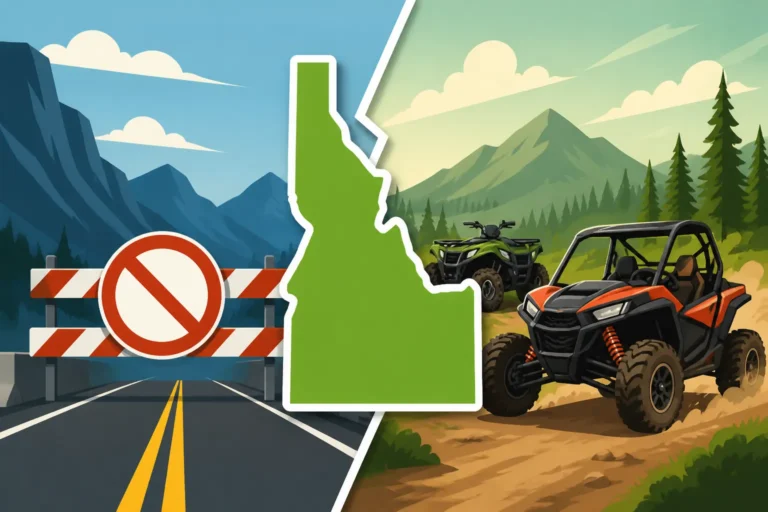
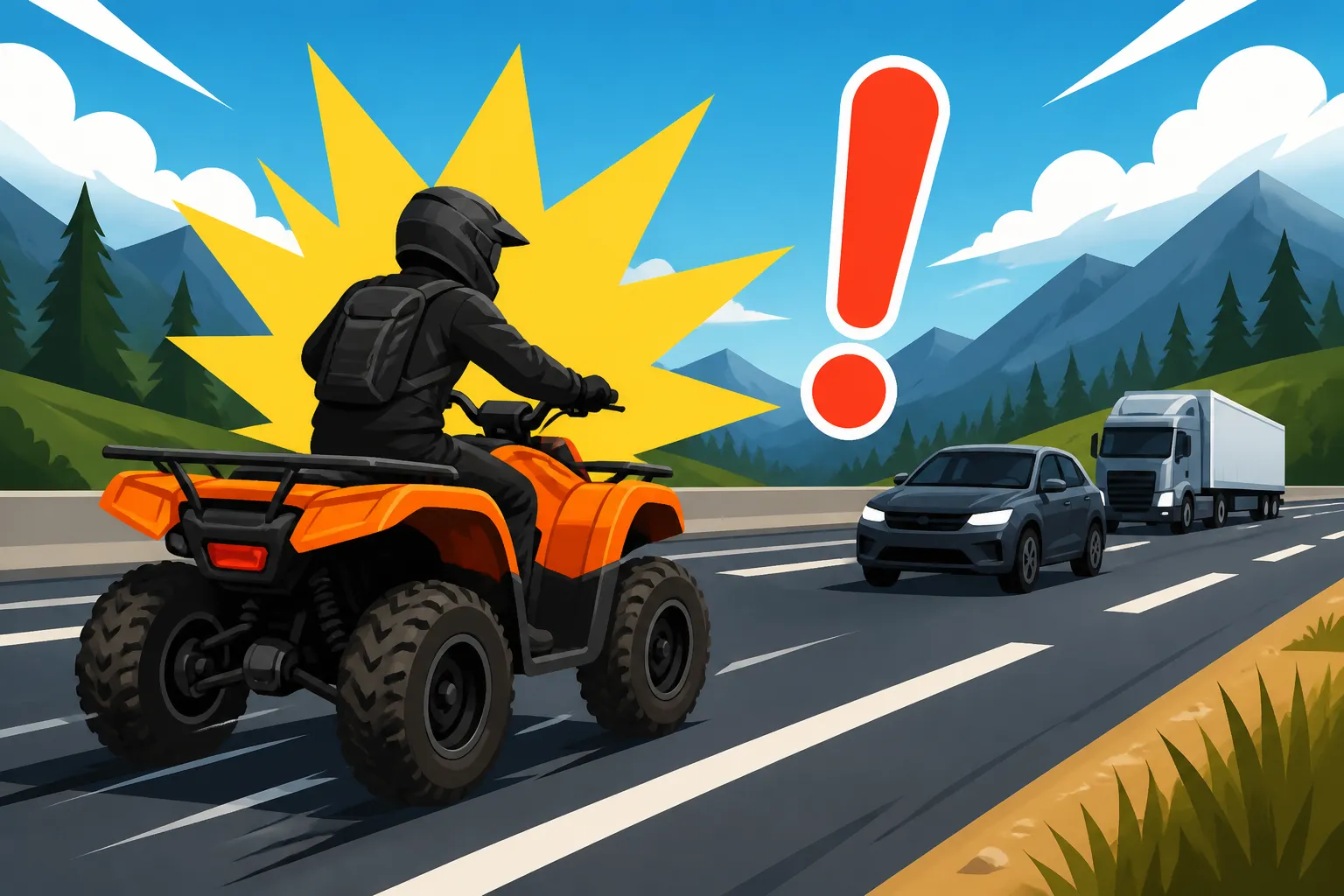
Let's cut right to the chase: You absolutely cannot ride your ATV or UTV on an interstate highway in Idaho. It’s illegal, incredibly dangerous, and comes with stiff penalties. While Idaho has some wonderfully progressive laws regarding OHV use on county roads, interstates are a completely different beast, governed by stricter federal and state regulations designed for high-speed, multi-lane traffic.
Federal and State Highway Regulations
Interstate highways, by their very design, are high-speed, limited-access roadways. They are built for vehicles traveling at 65 to 80 miles per hour, with traffic merging from on-ramps and exiting via off-ramps, all designed to keep traffic flowing quickly and efficiently. Our beloved ATVs and UTVs, even the faster, more powerful side-by-sides, simply aren't engineered for these conditions. Think about it:
- Speed Differentials: Your UTV, even if it can hit 60 mph, is significantly slower than the average interstate traffic, creating a massive safety hazard. Imagine a semi-truck bearing down on you at 75 mph while you're trying to maintain 55. It's a recipe for disaster.
- Lack of Protection: OHVs offer minimal occupant protection compared to a passenger vehicle. There's no crumple zone, no airbag system designed for a 75 mph impact.
- Road Design: Interstates have long, sweeping curves, minimal shoulders (often only for emergencies), and no provisions for slower-moving vehicles like OHVs. The ramps are designed for acceleration and deceleration that an OHV simply cannot match safely.
Idaho's state laws, which are very friendly to OHV recreation on suitable roads, firmly align with these federal guidelines when it comes to major highways. The risk to public safety, both for OHV riders and other motorists, is simply too great to allow it. No matter how much gear you have from a company like SuperATV on your machine, it won't make it legal or safe for interstate travel.
The Definition of "Highway" in Idaho Law
Idaho law is very clear about what constitutes a "highway," and how it differentiates between various road classifications. When we talk about "highways" in the context of OHV usage, it's crucial to understand the nuances. The state statutes distinguish between different types of roads, and interstates fall under the most restrictive category, which prohibits OHVs.
Generally, an "off-highway vehicle" is defined by Idaho Code as a motor vehicle when used off paved roads or on roads open to such vehicles. However, the same code then goes on to specify where these vehicles can and cannot be operated. Interstates are unequivocally included in the "cannot" list. This isn't just about common sense; it's codified law. Attempting to ride your quad or side-by-side on an interstate could lead to severe consequences, including significant fines, your machine being impounded, and potential criminal charges depending on the circumstances. It's not worth the risk, financially or physically.
Understanding Idaho's OHV Road Access Rules and Their Limitations
Idaho is one of the most OHV-friendly states in the nation, with thousands of miles of trails and many county roads open to registered machines. This often leads to confusion when riders encounter the strict "no access" rule for interstates. Understanding the specific allowances helps clarify why interstates are an exception.
Where OHVs Are Allowed: County Roads and Designated Routes
Many riders are familiar with Idaho's progressive laws that allow OHVs on certain county roads. This is fantastic for connecting trail systems and accessing services in small towns. To legally ride on these approved roads, your machine generally needs:
- An Idaho OHV Sticker: This is your annual registration for public land and approved roads. [What an Idaho OHV Sticker Costs Each Year]
- An Idaho Restricted Vehicle Plate (R Plate): This distinctive plate signifies your machine is permitted for road use on approved routes. [Idaho's Restricted Vehicle Plate Explained]
- Minimum Equipment: Headlights, taillights, brake lights, a horn, mirrors, and a spark arrestor are usually required. You'll also need proper eye protection.
- Insurance: Liability insurance is mandatory for road use. [Idaho Liability Insurance Minimums for Riders]
- Driver's License: The operator needs a valid driver's license. [Driver's License Requirements on Idaho Roads]
These requirements make an OHV road-legal on designated county roads, not interstates. The intent of the R plate and associated laws is to facilitate access to trails and provide limited connectivity between communities, often through rural, lower-speed environments. They are explicitly not meant for high-speed, limited-access highways. [What Idaho Requires Before You Ride a County Road]
The Critical Distinction: Interstates vs. State Highways vs. County Roads
It’s vital to understand the hierarchy of roads in Idaho, as each level comes with different rules for OHVs:
- Interstate Highways (e.g., I-15, I-84, I-90): These are the most restrictive. Absolutely no OHV use is allowed, not even for short distances or to cross. They are built for high-speed, limited-access traffic, and the risks are simply too high. Crossing an Interstate on an Idaho Quad is simply not permitted.
- State Highways (e.g., US-95, ID-55): These are a step down from interstates but are still generally closed to OHV traffic. While they might have lower speed limits in some sections or pass through towns, they are primarily designed for conventional vehicular traffic. There are very few, highly specific, and often short segments of state highways where OHV crossings might be permitted, but this is rare and always clearly marked or explicitly stated in local ordinances. You cannot generally ride on a state highway. [Can You Ride an OHV on an Idaho State Highway?]
- County Roads: This is where the majority of legal OHV road use occurs. Many county-maintained dirt and gravel roads, and even some paved ones, are open to OHVs with the proper sticker and R plate, provided local ordinances don't prohibit it. Always check local regulations, as rules can vary from county to county. [Which Idaho County Roads Allow OHVs]
This distinction is crucial. Just because your side-by-side has an R plate and all the right accessories, perhaps even some sturdy protection from a brand like SuperATV, it doesn't give you carte blanche to ride on any paved road you encounter. Always assume a major highway is off-limits unless you see specific, official signage indicating otherwise for a very limited crossing, and even then, understand it will be a quick, direct crossing, not riding along the highway itself.
Practical Strategies for Traversing the Interstate Divide
Since riding on an interstate is out of the question, you need smart, legal, and safe ways to get your machine from one side to the other. Planning is key here, and it usually involves a bit of logistics.
Trailering Your OHV: The Safest and Legal Option
This is, without a doubt, the most common, safest, and only legal method for transporting your OHV across an interstate. If your destination or preferred riding area is on the other side of an interstate, hitching up a trailer is simply part of the adventure.
- Types of Trailers: You have options, from basic utility trailers that can double for hauling other gear, to dedicated ATV/UTV trailers with multiple ramps and tie-down points. Ensure your trailer is appropriately sized for your machine and that your tow vehicle can handle the weight safely. Remember to keep up with your [Trailer Registration for Hauling ATVs in Idaho].
- Secure Loading: This is paramount. Use heavy-duty tie-downs, ideally crossing over the machine, securing it from at least four points to the trailer frame. Double-check all straps before you leave, and periodically during your journey, especially after bumps or rough sections of road. Brands like SuperATV offer robust tie-down kits that provide peace of mind for those long hauls.
- Safe Towing Practices: Drive defensively, maintain a safe following distance, and allow extra time for braking. Be mindful of crosswinds, especially with taller side-by-sides, which can catch a lot of air. Ensure your trailer tires are properly inflated and that your trailer lights are working. [Strapping a Machine Down for a Mountain Highway] is critical, especially when going over mountain passes or through windy areas where sway can be an issue.
Once you’ve trailered your OHV to a trailhead or a staging area on the other side of the interstate, you can unhitch and enjoy the ride, knowing you respected the rules and kept yourself and others safe.
Utilizing Overpasses and Underpasses
While you can't ride on an interstate, you can often ride over or under it. This is a common strategy when trail systems or county roads are bisected by an interstate.
- Connecting Routes: Look for county roads, forest service roads, or other local routes that run parallel to the interstate for a bit, then either bridge over it or tunnel underneath. These are your legal "crossing points."
- Mapping: This strategy absolutely requires good mapping. Use detailed paper maps, a GPS device, or mapping apps like [onX Offroad for Idaho Trails] to identify these connecting roads. Pay close attention to road names and numbers to ensure you're on a legal OHV route that simply facilitates a crossing, not an actual interstate on-ramp.
- Be Prepared for Varied Conditions: These overpass/underpass roads can range from well-maintained paved roads to rough gravel or dirt. Drive appropriately for the conditions and be aware of other traffic.
This method allows you to link up different riding areas without ever putting a tire on the interstate itself, keeping your adventure flowing within the bounds of Idaho law.
Planning Your Route to Avoid Interstate Conflicts
The best way to deal with an interstate is often to simply plan around it entirely. With a bit of foresight, you can map out routes that use county roads, forest roads, and designated OHV trails to navigate around these restricted areas.
- Motor Vehicle Use Maps (MVUMs): For federal lands (National Forests, BLM lands), MVUMs are your absolute best friend. They clearly show which roads and trails are open to which types of vehicles and are invaluable for planning routes that bypass interstates.
- Local Ordinances: When planning routes through or near towns, always check county and city ordinances. Some communities are very OHV-friendly, while others might have specific restrictions or designated routes for OHV travel. [Idaho City and County Ordinances That Close Roads] can sometimes be found online.
- Alternative Roadways: Instead of focusing on the shortest path as the crow flies, which often means crossing an interstate, look for slightly longer but fully legal routes that stick to approved county roads or smaller state routes. This might add a few miles to your journey but saves you the headache (and potential legal trouble) of an illegal interstate encounter. For example, if you need to travel north-south, consider routes that follow rivers or mountain ranges, often using secondary state highways or a network of county roads. [Riding Town to Trailhead in Idaho] often relies on careful route planning.
By meticulously planning your ride using these resources, you can ensure your Idaho ATV or UTV adventure remains fun, safe, and fully compliant with the state's generous, yet specific, OHV laws.
Gear and Preparation for Avoiding Interstates
Smart preparation isn't just about what you carry on the trail; it's also about how you plan your journey, especially when you need to navigate around major highways. Having the right tools and making sure your tow rig is in top shape can save you a lot of hassle.
Essential Planning Tools and Maps
Don't leave home without knowing where you're going, especially when an interstate might lie between you and your destination. Relying solely on a smartphone can be risky, as cell service is often nonexistent in vast stretches of Idaho's backcountry.
- Physical Maps: A detailed paper map of Idaho is invaluable. Keep it updated and know how to read it. It doesn't run out of battery and provides a broader overview of the terrain, including all those county and forest roads that don't show up on a simple highway map.
- GPS Devices & Apps: A dedicated GPS unit or a robust offline mapping app on your smartphone (like [onX Offroad for Idaho Trails]) is essential. Download maps for your entire planned route and surrounding areas before you lose service. These tools often have OHV-specific layers that highlight trails and legal riding areas.
- Motor Vehicle Use Maps (MVUMs): As mentioned, these are critical for federal lands. Make sure you have the most current MVUMs for the areas you plan to ride. They are the definitive guide for legal motorized access on Forest Service and BLM land. [Finding the Right Motor Vehicle Use Map] can make or break a trip.
By combining these tools, you can confidently plan a route that legally circumnavigates interstates, ensuring you always know which roads are open and which are off-limits for your machine.
Ensuring Your Tow Rig is Ready
If trailering is your chosen method to bypass interstates, your tow vehicle and trailer need to be just as ready for the journey as your OHV is for the trails. A breakdown on the side of the road with a trailer full of gear is no one's idea of a fun start to a trip.
- Vehicle Maintenance: Before any long-distance haul, especially one involving mountain passes, ensure your tow vehicle is in excellent mechanical condition. Check fluid levels, tire pressure (including the spare!), brakes, and lights. Overheating while pulling a heavy load up a grade is a common issue.
- Trailer Checks: Inspect your trailer's tires for wear and proper inflation, including the spare. Check wheel bearings, wiring, and all lights (brake, turn, running lights) to ensure they are functional and visible. Make sure the hitch connection is secure and that safety chains are correctly attached.
- Weight Distribution: Load your OHV onto the trailer correctly, aiming for about 10-15% of the total trailer weight to be on the tongue. This helps prevent trailer sway, which can be incredibly dangerous at highway speeds.
Taking a few extra minutes for these checks before you hit the road can prevent serious headaches and keep you moving safely towards your riding destination.
The Role of Accessories for Safe Hauling
Beyond the basics, certain accessories can make your trailering experience much safer and more efficient, especially when dealing with the challenges of long drives to avoid interstates.
- Heavy-Duty Tie-Downs: As mentioned, investing in quality tie-downs is crucial. Ratchet straps that are rated for your machine's weight, with secure hooks, will keep your OHV from shifting during transit. You might even consider wheel bonnets for larger UTVs for an extra layer of security. Companies like SuperATV offer a range of durable tie-downs and securing accessories designed for robust use.
- Loading Ramps: Make sure your ramps are wide enough and strong enough for your machine, especially if you have a heavier side-by-side. Look for ramps with good traction to prevent slips.
- Trailer Accessories: Depending on your setup, you might consider a spare tire mount for your trailer, a tongue jack for easier hitching and unhitching, or even a small toolbox with basic repair items for your trailer.
- Visibility Flags: For wider machines, especially UTVs that might be wider than your trailer, consider attaching visibility flags to the outermost points. This provides an extra visual cue for other drivers, particularly in merging situations or when navigating tight spots.
Having the right gear for hauling ensures that the "interstate bypass" part of your trip is as smooth and stress-free as possible, allowing you to focus on the fun ahead.
Here's a quick reference on Idaho road classifications for OHVs:
| Road Type | OHV Access | Requirements | Why |
|---|---|---|---|
| Interstate Highway | NO ACCESS | None (illegal) | High speed, limited access, federal and state laws prohibit due to extreme safety risks |
| State Highway | Generally NO ACCESS (very limited crossings) | OHV sticker, R plate, insurance, driver's license, equipment (if crossing permitted) | Designed for conventional vehicles, safety concerns for general OHV use |
| County Road | YES (unless prohibited by local ordinance) | OHV sticker, R plate, insurance, driver's license, equipment | Connects trails, towns; lower speed, often rural; promotes recreation with safety requirements |
| Forest Service Road | YES (per MVUM) | OHV sticker (often), appropriate machine width for designated trails | Access to public lands, recreation; rules vary by road/trail, check MVUMs |
| BLM Road/Trail | YES (per MVUM) | OHV sticker (often), appropriate machine width for designated trails | Access to public lands, recreation; rules vary by road/trail, check MVUMs |
| Private Property | YES (with landowner permission) | None (unless crossing public land to get there) | Landowner's rules apply; no state OHV sticker required for strictly private use |
Disclaimer
This article is for general informational purposes only and does not constitute professional advice. Laws, prices and regulations vary by location and change over time. Consult a qualified professional for guidance on your specific situation.