Crossing US-95 on an OHV in Idaho
It’s a scenario many of us have faced in Idaho: you’re out on a fantastic trail ride, exploring the vast backcountry, only to find a major artery like US-95 standing squarely between you and the next stretch of adventure, or perhaps your favorite small-town diner. That feeling of hitting a wall, wondering if you can legally navigate past such a significant highway, is a common frustration. This guide aims to clear up the confusion, explaining precisely when and how you can legally cross US-95 (and similar state or federal highways) on your ATV or UTV in Idaho, helping you keep your ride flowing safely and within the bounds of the law.
Understanding Idaho Law Regarding State and Federal Highways
Idaho’s laws surrounding OHV use on paved roads can feel like a tangled fishing line at times, especially when you encounter major state and federal highways. The general rule is pretty clear: these high-traffic corridors are typically off-limits for recreational OHV riding. However, there’s a crucial exception specifically designed to allow riders to bridge gaps in their trail systems or access services. Understanding this distinction is key to staying legal and safe.
The General Rule: State and Federal Highways Are Closed
Let's get this out of the way first: you generally cannot just hop onto US-95 and cruise down the highway on your ATV or UTV. State and federal highways, by their nature, are designed for high-speed, conventional vehicle traffic. This means that major routes like US-95, I-15, US-12, or US-20 are typically closed to off-highway vehicles. The primary reason for this restriction is safety – the speed differential between OHVs and cars/trucks, combined with the lack of crash protection on most OHVs, creates a significant hazard. Trying to maintain highway speeds on a side-by-side or quad is not only dangerous but also often illegal. Many riders mistakenly believe that if they have a restricted vehicle plate, they can ride anywhere. While that plate opens up many county roads, it doesn't grant you carte blanche on the big highways. [Can You Ride an OHV on an Idaho State Highway?] delves deeper into this.
The Exception: Crossing as Directly as Possible
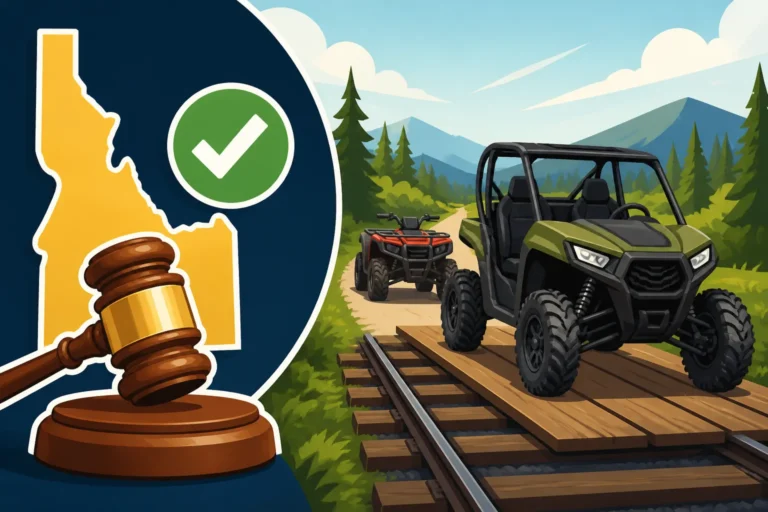
Now for the good news: Idaho law does provide a specific allowance for OHVs to cross these otherwise forbidden highways. The operative phrase here is "as directly as possible." This exception is not an invitation to ride along the highway for any distance, but rather to traverse it from one side to the other when you absolutely need to. Imagine you're on a county road that suddenly meets US-95, and directly across the highway, your county road continues, or a trail picks up. In this very specific scenario, you are generally permitted to cross. This exception recognizes the reality of Idaho's varied landscape and road network, where trails and secondary roads often intersect with major highways. It's a pragmatic approach to ensure that these highways don't become insurmountable barriers, completely severing trail connectivity or access to essential services in small towns.
What "Crossing Directly" Actually Means
So, you've hit US-95, and you know you can cross "as directly as possible." But what does that really look like on the ground? This isn't just about the shortest route; it's about minimizing your exposure to highway traffic and executing the maneuver safely and efficiently. There’s a big difference between a legitimate crossing and trying to skirt the rules by riding a bit further than necessary.
Minimal Distance, Maximum Safety
"Crossing directly" means taking the most perpendicular, shortest path across the highway pavement from one side to the other. Think of it like drawing a straight line from where your current road ends on one side of US-95 to where your destination road or trail begins on the other. You shouldn't be making wide turns or traveling diagonally down the highway to reach a crossing point that's a quarter-mile away if there's a more direct option right in front of you. This principle is all about reducing the time your OHV spends in active highway lanes. It emphasizes the need for maximum safety and minimal interaction with fast-moving traffic. This is also where your machine's setup, perhaps with aftermarket mirrors or enhanced lighting from companies like SuperATV, can really make a difference in your visibility and awareness, giving you every advantage when navigating such a high-risk maneuver. When in doubt, err on the side of caution and find the most straightforward crossing.
No Riding Along the Shoulder
This is a critical point that many riders misunderstand. The allowance to cross does not extend to riding along the shoulder of the highway. Even if it's just a hundred feet to the next intersection or a bridge, riding on the shoulder of US-95 is generally prohibited for OHVs. The shoulder is still considered part of the highway right-of-way, and using it for travel on an OHV defeats the purpose of the "direct crossing" exception. The intent is to get you across, not to allow you to use the highway as a travel corridor, even for a short distance. Officers are generally very strict about this rule because shoulders are for emergencies or broken-down vehicles, not for regular travel by slower-moving off-highway machines. If you find yourself needing to travel any distance parallel to US-95, you need to find an alternative route, perhaps a frontage road or another county road, even if it adds miles to your journey. [Idaho Roads Closed by Local Ordinance] might provide context on how local rules can sometimes offer alternative routes to avoid major highways.
Safety Considerations When Crossing US-95
Crossing a major highway like US-95 on an OHV is inherently risky. Even when done legally, you're placing a relatively small, slower-moving vehicle in the path of fast-moving, much larger traffic. This isn't a casual maneuver; it requires extreme caution, quick decision-making, and a keen awareness of your surroundings. Never underestimate the speed of highway traffic or the potential for a misjudgment to have severe consequences.
High-Speed Traffic and Limited Visibility
The biggest challenge when crossing US-95 is the speed of other vehicles. Cars and trucks travel at 55, 65, or even 75 mph, meaning they cover ground incredibly quickly. Your OHV accelerates and maneuvers differently, and you might not be seen as easily by drivers who aren't expecting a side-by-side to dart across the highway. Limited visibility can be a factor, especially at intersections or where there are hills and curves. Always look multiple times in both directions, making eye contact with drivers if possible. Consider that an oncoming vehicle might be harder to judge at highway speeds, especially if you're pulling a small trailer or have a load that changes your machine's profile. Remember that you also need to meet specific requirements for road use, including possessing a valid driver's license and having appropriate insurance. [Driver's License and Insurance on an Idaho Road Ride] details these requirements.
Essential Gear and Vigilance
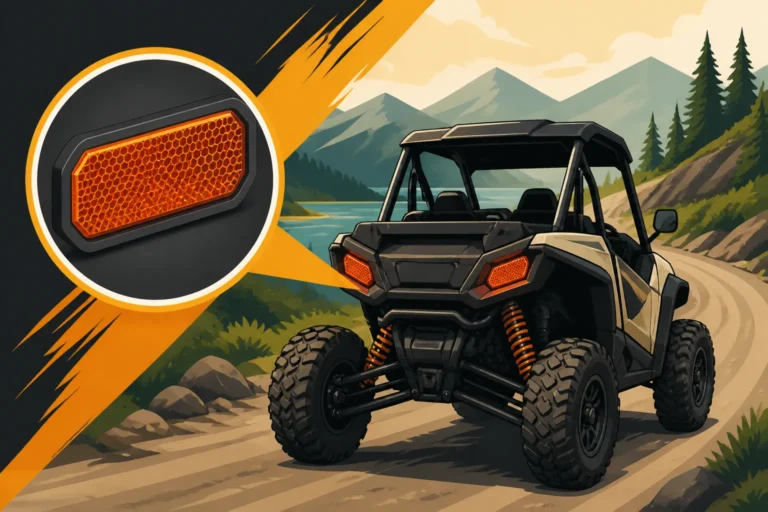
Before you even think about crossing US-95, ensure your OHV is properly equipped for any road-legal activity. This includes working headlights, taillights, brake lights, and a horn. Bright, reflective clothing for yourself and any passengers can significantly increase your visibility, especially in low light conditions or bad weather. Wearing a DOT-approved helmet is legally required for riders under 18 in Idaho, and it's a wise choice for everyone, regardless of age, given the risks involved in any road exposure. [Idaho Helmet Rules for Riders Under 18] and [Goggles or a Face Shield on the Road] both offer crucial safety information that applies here. Also, ensure your machine has an up-to-date OHV sticker and, if applicable, a restricted vehicle plate. [Idaho's Restricted Vehicle Plate and Road Use] explains the benefits and requirements of this plate. A momentary lapse in judgment or focus could be catastrophic. Put away distractions, stop completely, listen for traffic, and scan the road thoroughly before moving. Wait for a clear, substantial gap in traffic that allows you to cross safely without rushing or forcing other vehicles to brake. If you frequently find yourself in situations like this, investing in high-quality accessories from brands like SuperATV, such as upgraded LED lights or a loud horn, can provide a significant safety advantage.
Local Ordinances and Crossing Points
While state law generally governs highway crossings, local jurisdictions – counties and cities – have the authority to create their own ordinances regarding OHV use within their boundaries. This means that a legal crossing in one county might be complicated by a specific city ordinance a few miles down the road. It's crucial not to assume that state law is the only rule you need to follow; local rules can add layers of complexity.
Checking County and City Rules
Before planning a route that involves crossing US-95, it’s always a good idea to check for any relevant county or city ordinances in the area you’ll be riding. Some municipalities might have specific restrictions on OHV use, even on sections of roads that seem otherwise open. For example, a city might prohibit OHVs entirely within its core downtown area, which could impact where you can legally cross a highway if the crossing point is within city limits. You can usually find this information on the county or city website, or by contacting their sheriff's department or city clerk. Ignoring these local rules could lead to unexpected fines or citations, even if you’re following state law. [Idaho Roads Closed by Local Ordinance] highlights why this local knowledge is so important. Similarly, always ensure your machine is properly stickered, as penalties for unstickered OHVs apply everywhere. [Fines for an Unstickered OHV in Idaho] is a good resource for understanding those consequences.
Designated Crossing Areas and Underpasses
In some areas, particularly near popular trailheads or smaller towns, local authorities and the Idaho Department of Transportation might have established specific, marked crossing points for OHVs. These could be signalized intersections, designated at-grade crossings, or even underpasses or overpasses designed for multi-use trails that happen to cross under or over US-95. These are the safest and most recommended ways to cross any major highway. If such a designated crossing exists, always use it, even if it means riding a little further out of your way. These areas are usually designed with better sight lines, traffic controls, or grade separation to minimize conflict between OHVs and highway traffic. You might find these routes clearly marked on local OHV trail maps or via GPS apps. Always be on the lookout for signage that indicates an approved crossing point, as these are your best bet for a safe and legal traversal. Remember, alcohol limits also apply to OHV operators on roads, even for short crossings, so always ride sober. [Idaho Alcohol Limits for OHV Operators] provides vital information on this topic. By understanding and adhering to these rules, you can safely navigate Idaho's road network and continue enjoying your off-highway adventures. Many of these rules are commonly misunderstood, so it’s worth reviewing [Idaho Road Rules Riders Get Wrong] to ensure you're fully informed.
| Crossing Action | Legality & Safety | Best Practice |
|---|---|---|
| Riding along the shoulder of US-95 | Generally illegal for OHVs; high risk. | Avoid at all costs; find an alternate route. |
| Crossing directly at a T-intersection | Legal if done "as directly as possible." | Stop, look both ways multiple times, wait for large gap, cross quickly and perpendicularly. |
| Using a designated OHV underpass/overpass | Legal and safest method. | Always prioritize these facilities when available. |
| Traveling a short distance on US-95 to reach a crossing | Illegal; "crossing directly" does not mean traveling on the highway. | Do not ride on the main lanes or shoulder. |
| Crossing US-95 in the dark without proper lighting | Illegal and extremely dangerous. | Ensure all lights are functional, use reflective gear, avoid night crossings if possible. |
Disclaimer
This article is for general informational purposes only and does not constitute professional advice. Laws, prices and regulations vary by location and change over time. Consult a qualified professional for guidance on your specific situation.