Idaho Roads Closed by Local Ordinance
One of the most frustrating things an Idaho ATV or UTV rider can experience is planning an epic route, only to find a perfectly good-looking road suddenly closed to OHV traffic due to a local ordinance. It’s a common scenario that can throw a wrench into even the best-laid plans, leaving you scratching your head about what's allowed and where. This guide will help you understand why these closures happen, how to identify them, and what you can do to navigate Idaho’s complex web of local road rules without getting caught out.
The Reality of Local Control: Why Idaho Roads Aren't Always Open
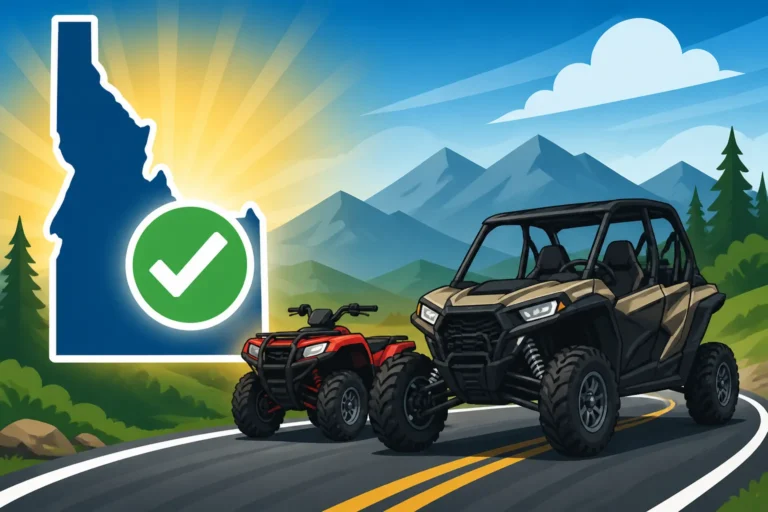
When you think about riding your ATV or UTV on a public road in Idaho, you probably first consider the state laws. Idaho has made great strides in opening up certain county and city roads to OHV use, which is fantastic for connecting trails and accessing services. However, it's a huge misconception to think that just because a road looks "open by default" at the state level, it automatically means you can ride your machine on it. Local control is a powerful force, and counties and cities absolutely have the authority to layer their own rules on top of — or even override — state guidelines, especially when it comes to restricting OHV access.
Idaho's "Open by Default" Rule and Its Exceptions
Idaho’s general approach to OHV use on public roads can often be characterized as "open by default" for eligible machines, particularly those displaying an [Idaho Restricted Vehicle Plate Explained] or a valid OHV sticker when on designated roads. This means that if a county or city road hasn't been specifically closed to OHV traffic, it might be fair game, provided you meet all other state requirements like having a driver's license, insurance, and appropriate safety gear. It’s a great system in theory, offering a lot of freedom.
However, this "open by default" concept carries a critical asterisk. It only applies until a local governing body decides otherwise. Imagine pulling up to a picturesque gravel road that connects two trail systems. You’ve checked your state rules, your machine is street legal, and you’re ready to roll. But then you see a sign, perhaps hand-painted or official-looking, stating "No OHV Traffic Beyond This Point" or "ATV/UTV Use Prohibited." That sign, if backed by a local ordinance, immediately negates the state's general "open" status. It's these exceptions, created at the county or city level, that riders often find themselves grappling with.
The Power of Local Jurisdictions to Restrict Access
Idaho's counties and cities hold significant autonomy over the roads within their boundaries. While the state can pass laws allowing OHV use on certain public roads, it doesn't strip local governments of their right to implement more restrictive measures. This means a county commission or a city council can vote to close specific roads, or even entire sections of their road network, to OHV traffic. They do this through what are called "ordinances" – local laws that carry the same legal weight as state statutes within their specific jurisdiction.
This patchwork system can be incredibly confusing, especially if you're riding near a county line or passing through several small towns on a single trip. One county might be incredibly OHV-friendly, actively designating routes and even inviting riders, while its neighbor might have passed ordinances decades ago that strictly prohibit OHV use on any county road. The key takeaway here is that you cannot assume uniformity. Just because you rode on a county road successfully in one part of Idaho doesn't mean the exact same type of road will be open two counties over. This local legislative power is often exercised due to various factors, which we'll explore next.
Common Reasons Localities Restrict OHV Use
So, why would a local government decide to close roads that the state might otherwise allow OHVs on? The reasons are diverse and often stem from local concerns and priorities.
- Public Safety Concerns: This is often the primary driver. Residents might express worries about OHVs speeding through residential areas, particularly where children play, or about the mixing of OHV traffic with higher-speed conventional vehicles. Poor sight lines, narrow roads, or a history of accidents involving OHVs can prompt local officials to act.
- Noise Complaints: OHVs, especially those with aftermarket exhausts, can be quite loud. Communities, particularly quiet rural neighborhoods or areas near recreational cabins, might push for restrictions to reduce noise pollution. This is particularly true if the road passes directly by homes.
- Dust and Environmental Impact: Unpaved roads, when heavily traveled by OHVs, can generate significant dust, affecting air quality for nearby residents and potentially impacting agriculture. There can also be concerns about erosion or damage to road infrastructure, though modern OHVs are generally designed to minimize impact.
- Preservation of "Quiet Enjoyment": Some communities simply want to maintain a specific character or atmosphere. They might prioritize quiet enjoyment for residents and other users (like cyclists or horseback riders) over motorized recreational access, especially on scenic or low-traffic roads.
- Lack of Enforcement Resources: In some smaller, more remote counties, local law enforcement might simply not have the resources to effectively patrol and enforce OHV rules on all county roads. Closing roads can simplify enforcement by drawing clear lines.
- Specific Land Use Designations: A road might pass through an area with unique local land use zoning, such as a wildlife refuge, a sensitive ecological zone, or a designated "quiet zone," leading to specific OHV restrictions.
Understanding these underlying reasons can help you anticipate where local closures might exist and why [Idaho City and County Ordinances That Close Roads] come into being. It's rarely arbitrary; there's usually a community-driven concern behind the decision.
Identifying and Interpreting Local Ordinances
The biggest challenge for riders isn't necessarily understanding why roads are closed, but how to know which ones are closed before you get there. Idaho doesn't have one central, comprehensive map that shows every single local ordinance affecting OHV road use. This means riders need to be proactive and informed, combining research with on-the-ground observation.
Where to Find Local OHV Road Rules
The best way to avoid an unpleasant surprise is to do your homework before you head out. This involves a bit of detective work, but it's well worth the effort to ensure a smooth, legal ride.
- County and City Websites: This is your first and best resource. Most counties and cities have official websites where they publish their ordinances. Look for sections related to "ordinances," "code enforcement," "public works," or "parks and recreation." Search specifically for terms like "OHV," "ATV," "UTV," "motorized vehicles," or "off-highway vehicles." Many will have specific maps or lists of roads that are open or closed. You might be surprised to find comprehensive guides, or you might find only cryptic legal text. [Finding an Idaho County's OHV Ordinance] often requires digging.
- Local Sheriff's Office or Police Department: These agencies are responsible for enforcing the local laws. A quick, polite phone call to the non-emergency line can often yield valuable information about specific road statuses or point you to the right department or website. They often have the most up-to-date practical knowledge.
- Local Powersports Dealerships and OHV Clubs: These are invaluable community resources. Local dealers, who sell and service machines, are typically well-versed in local riding rules because their customers ask about them constantly. OHV clubs actively engage with local governments, advocate for rider access, and often have the inside scoop on planned closures or openings. They might even have custom maps they've created for members.
- Idaho Parks and Recreation (IDPR): While IDPR primarily manages state trails and stickers, they can sometimes offer general guidance or direct you to county resources. They are not typically the enforcers of local road ordinances, but they are a great overall resource for OHV recreation in Idaho.
- Mapping Apps and Software: Increasingly, apps like onX Offroad are incorporating local restrictions, but always cross-reference this with official sources, as these can sometimes lag behind the latest ordinances. They are excellent for identifying land ownership but less consistently reliable for real-time local road use rules.
When you're looking for information, be specific. Instead of asking "Can I ride my ATV on roads here?", ask about a particular road or a specific area. "Is Main Street in your town open to restricted vehicles?" or "Are county roads in the XYZ drainage open to OHVs?" will get you much more useful answers.
Understanding Signage and Posted Closures
Even with thorough research, you'll still need to pay close attention to signs on the ground. Local ordinances are almost always accompanied by official signage where the closure begins.
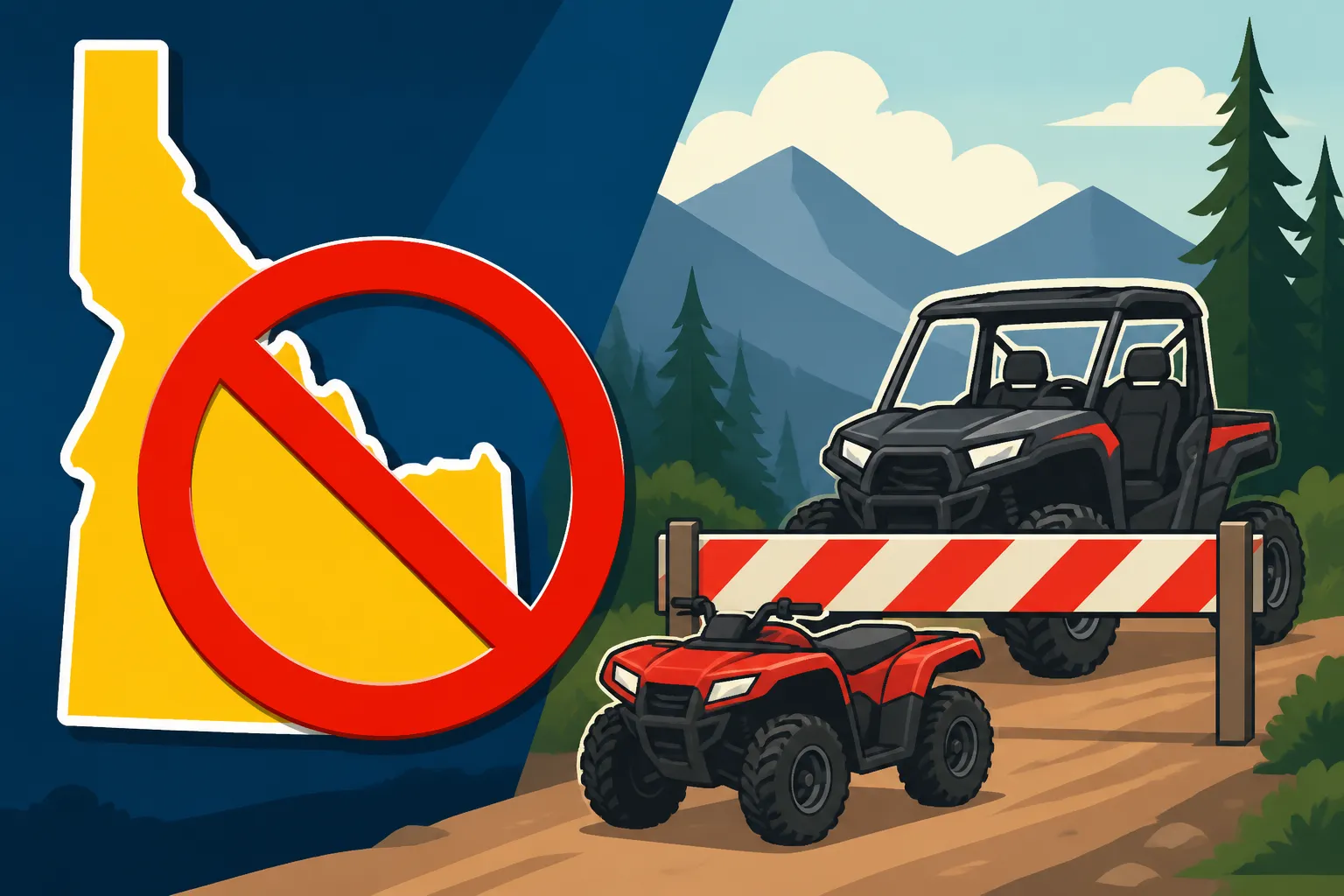
- Official Signs: Look for signs that are clearly posted by the county or city, often on metal posts at entry points to roads or intersections. These signs might explicitly say "OHV Use Prohibited," "No Off-Highway Vehicles," or feature a pictorial symbol of an ATV with a red circle and slash through it. These are legally binding.
- Homemade or Unofficial Signs: Be wary of signs that appear homemade or are posted by private citizens. While they might reflect a resident's desire for no OHV traffic, they don't necessarily have legal weight unless backed by an official ordinance and posted by the proper authority. However, they should still serve as a warning sign that OHV use might be unwelcome in the area, and it's always best to proceed with caution or find an alternative route to avoid conflict.
- Contextual Clues: Sometimes, the absence of specific "OHV Route" signs in areas where they are common elsewhere can be a subtle hint. If you’re riding in a county known for its OHV-friendly roads and suddenly all signage disappears, it might be worth a quick check on a map or a local resource before proceeding too far.
It's a good idea to refresh your knowledge of [What Idaho Requires Before You Ride a County Road], as these general requirements apply even on roads that are open.
Table: Identifying Road Status on Your Idaho OHV Trip
| Indicator Type | "Open" Road Characteristics | "Closed" Road Characteristics (by Local Ordinance) | Action for Rider |
|---|---|---|---|
| Official Signage | Green "OHV Route" or "Designated OHV Road" signs. | Red "No OHV," "OHV Prohibited," or ATV/UTV symbol with a red slash. Signs stating specific vehicle classes or weights are also common. | Obey signage. If closed, turn around or find an alternate legal route. |
| Local Government Info | County/City website lists road as open, or provides specific OHV route maps. Local Sheriff confirms openness. | County/City website lists road as closed in ordinances. Local Sheriff confirms closure. Local OHV clubs warn of restrictions. | Research before you go. Confirm details with local authorities if unsure. |
| Road Type/Location | Usually gravel, dirt, or low-traffic paved county roads connecting trails or remote areas. Often outside dense residential zones. | Often paved roads through residential areas, main streets of small towns, or roads leading to sensitive areas (e.g., parks, schools, subdivisions). | Be extra vigilant in residential or developed areas; these are common places for local closures. |
| Historical Use | Known by local riders/clubs as a long-standing OHV route. | Previously open, but recent local complaints or public meetings led to a new ordinance. | Don't rely solely on past experience; rules can change. Check for recent updates. |
How Ordinances Affect Different Machine Types
It's also important to remember that not all OHVs are treated equally under local ordinances. Some ordinances might be very specific, allowing ATVs but restricting wider side-by-sides, or vice-versa.
- Width Restrictions: Many ordinances are designed with certain machine widths in mind. A narrower ATV might be allowed on a specific road, while a wide-track side-by-side (like those with large aftermarket SuperATV lift kits or wider stances) might be prohibited if the road is deemed too narrow for safe passing or if it impacts pavement edges.
- Engine Size or Age: While less common for road ordinances, some local rules might historically have included restrictions based on engine size, particularly in areas where younger riders might be present. Always verify the specifics of an ordinance.
- Street Legal vs. Off-Road Only: The distinction between a machine that qualifies as "street legal" with an [Idaho Restricted Vehicle Plate] and one that is purely for off-road use is paramount. A local ordinance closing a road to "OHVs" will apply to all off-highway vehicles, regardless of their state registration status. Conversely, some ordinances might only restrict machines that lack street-legal equipment. The wording is critical.
Always read the ordinance's exact language if you can find it. Sometimes the devil is in the details, and a small exception or definition might apply directly to your machine.
Navigating Restricted Areas and Finding Alternative Routes
Encountering a closed road can be frustrating, but it doesn't have to ruin your ride. With a little preparation and flexibility, you can usually find ways to work around these local restrictions and continue your adventure. The key is to be prepared to adapt your plans.
Planning Your Ride to Avoid Surprises
Pre-planning is your best friend when it comes to dealing with potential local closures. Don't just hop on your machine and go; take some time to map out your route.
- Detailed Maps: Use a combination of traditional paper maps (like Forest Service or BLM maps) and digital mapping apps. Apps like onX Offroad or similar GPS tools can show property boundaries, trails, and sometimes even local road designations. Plot your intended course, identifying all the county and city roads you plan to use.
- Cross-Reference with Local Info: As discussed, once you've identified the roads, cross-reference them with information from county and city websites, sheriff's offices, or local OHV clubs. Look for specific ordinances that might affect those particular road segments. This proactive approach significantly reduces the chance of an unexpected roadblock.
- Identify Contingency Routes: Always have a "Plan B" (or even a "Plan C"). If a key road segment is locally closed, what's your alternative? Can you bypass it on an adjacent trail, or is there another county road a few miles away that might be open? Knowing these options beforehand saves valuable riding time and prevents frustration when you're out on the trail.
- Talk to Locals: If you're traveling to a new area, strike up a conversation with folks at local gas stations, diners, or general stores. Many rural Idahoans are incredibly knowledgeable about local road access and can offer firsthand advice on which routes to take and which to avoid. They might even know about temporary closures or conditions not yet posted online.
- Check for Seasonal Changes: Some local ordinances might have seasonal restrictions, such as prohibiting OHV use during mud season to prevent road damage or during specific hunting seasons in certain areas. Always check for the time of year you plan to ride.
By doing this groundwork, you'll feel much more confident about your route and minimize the chances of a sudden stop. This detailed planning is also essential for safe riding on [Which Idaho Roads Are Open to OHVs] in general.
What to Do When You Encounter a Closed Road
Despite your best planning, you might still unexpectedly encounter a locally closed road. Here's how to handle it responsibly:
- Turn Around, Don't Chance It: The absolute first rule is: do not ignore closure signs. Riding on a road explicitly closed by local ordinance is trespassing or a traffic violation, depending on the specific law, and can result in significant fines and legal trouble. It also gives OHV enthusiasts a bad name and can jeopardize future access. [Idaho Fines for Illegal Road Riding] can be steep.
- Consult Your Maps: Pull out your paper map or GPS device. Can you identify an alternative route that avoids the closed section? Look for parallel roads, connecting trails, or even a different staging area that might lead to your destination without using the restricted road. This is where your pre-planned contingency routes come in handy.
- Consider a Temporary Re-Route on a Paved Highway (If Legal): In some very limited circumstances, Idaho state law allows OHVs to cross state highways or ride briefly on the shoulder to connect two legal OHV routes. However, this is highly restricted, and many state highways are completely off-limits to OHVs. Never assume a state highway is an open bypass; check the specific rules for [Crossing an Idaho Highway on an OHV] carefully. This is a last resort and often not a viable option.
- Be a Good Steward: If you see a legitimate closure sign, respect it. If you believe a road should be open, or the signage is unclear, make a note of it and contact the local county or city officials after your ride to inquire. Don't engage in confrontation or argue with locals or law enforcement on the spot.
Sometimes, despite all efforts, a closed road simply means you have to change your destination for the day. That's part of the adventure in a state with diverse local regulations.
Equipping Your Machine for Diverse Terrain
Since you'll likely be transitioning between paved, gravel, and dirt roads, and possibly even some rugged trails to bypass closures, having a versatile machine is key. Upgrading certain components can make a big difference in comfort, safety, and capability.
- Tires: Investing in a good set of all-terrain tires designed for both road surfaces and off-road traction can be invaluable. This allows you to maintain grip on paved county roads while still performing well on loose gravel or muddy bypass trails.
- Suspension: A well-tuned suspension system not only provides a smoother ride on washboard gravel roads but also helps absorb impacts when you encounter unexpected bumps or rocky sections on an unmaintained bypass. If you find yourself frequently on rough roads, exploring aftermarket suspension components or lift kits from a brand like SuperATV can significantly improve your machine’s ground clearance and ride quality.
- Protection: Skid plates, A-arm guards, and rock sliders offer essential protection when you're forced onto rougher, less-traveled bypass routes that might have hidden obstacles. You don't want a punctured oil pan miles from nowhere.
- Navigation Tools: A reliable GPS unit or a smartphone with a downloaded offline map app is crucial. Cell service is spotty in many parts of Idaho, so you need tools that work without a signal. Many riders mount their GPS units securely, perhaps with a sturdy mount from a company like SuperATV, right on their dash for easy access.
- Communication Devices: A satellite messenger (like a Garmin InReach or Spot device) is highly recommended, especially when you're exploring unfamiliar areas or attempting bypass routes that take you far from civilization. This allows you to call for help even without cell service.
Ensuring your machine is prepared for a variety of conditions, not just a single type of terrain, gives you the flexibility to adapt to unexpected local road closures and maintain your sense of adventure. Remember to always carry [Keeping Paperwork on the Machine], including proof of insurance and registration.
Consequences of Riding on a Locally Closed Road
It might be tempting to "just chance it" if you see a road that looks perfectly clear but has a "No OHV" sign. However, the consequences of ignoring local ordinances can range from inconvenient to costly, and can even jeopardize your future riding privileges. Local law enforcement takes these regulations seriously, and ignorance of the law is generally not considered a valid excuse.
Understanding Fines and Penalties
The specific fines and penalties for riding on a locally closed road will vary widely depending on the county or city ordinance, the severity of the infraction, and whether it's a first offense.
- Citations and Fines: You can expect to receive a traffic citation or a violation notice, similar to a speeding ticket. Fines can range from modest to several hundred dollars, often comparable to other moving violations. Some local ordinances might even have higher penalties specifically for OHV infractions due to perceived damage or nuisance. [Idaho OHV Ticket Costs by Violation] can give you an idea of the range.
- Impoundment: In some cases, especially for repeat offenders or if the rider is deemed to be operating recklessly or dangerously, law enforcement might have the authority to impound your machine. Recovering an impounded ATV or UTV involves impound fees, daily storage fees, and potentially other administrative costs, which can quickly add up to a significant expense.
- Criminal Charges: While rare for simply riding on a closed road, if your actions lead to property damage, injury, or if you are found to be trespassing on private land adjacent to the closed road, more serious criminal charges could be filed.
- Impact on Future Access: Every citation issued for riding where prohibited reinforces the perception that OHV riders don't respect local laws. This can make it much harder for OHV advocacy groups to argue for opening more roads or maintaining existing access in the future. A negative incident can sour public opinion and lead to even stricter regulations.
It’s always a better choice to turn around and find a different route than to risk a fine or other legal trouble.
Enforcement by Local Law Enforcement
Local law enforcement agencies—county sheriff's deputies and city police officers—are the primary enforcers of these local ordinances.
- Active Patrols: In areas where OHV road closures are in effect due to community complaints, local law enforcement might conduct regular patrols, especially during peak riding seasons or on weekends. They are often specifically looking for OHV violations. [Sheriff Enforcement on Idaho Back Roads] is a real thing.
- Responding to Complaints: Local police or deputies often respond to calls from residents reporting OHV activity on restricted roads. A neighbor seeing you ride past their house on a closed road might just pick up the phone.
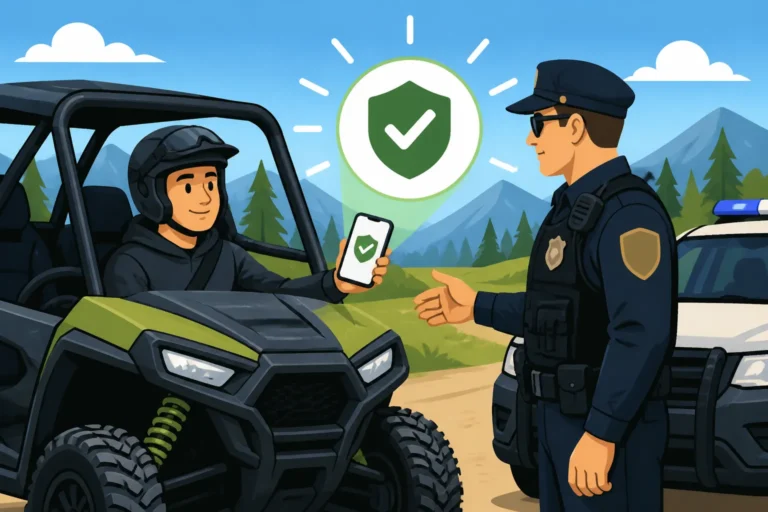
- Checkpoints: While less common for routine road closures, law enforcement might set up temporary checkpoints in areas known for high OHV traffic to ensure compliance with stickers, plates, and road rules. [What an Idaho Deputy Asks a Rider For] typically includes proof of registration, insurance, and a driver's license.
- Vigilance Near Residential Areas: You can expect law enforcement to be particularly vigilant on roads near homes, schools, parks, or other areas where safety or noise complaints are common. These are the very reasons many of these ordinances were put into place.
Do not expect a warning. While an officer might choose to educate you, they are well within their rights to issue a citation on the first encounter. Being polite and cooperative will always lead to a better outcome, even if you receive a ticket.
Protecting Your Riding Privileges
Beyond the immediate financial and legal consequences, repeatedly violating OHV laws, including local road closures, can have long-term impacts on your ability to enjoy riding in Idaho.
- Loss of License/Privileges: While not usually a first-offense penalty for a simple road closure violation, accumulating multiple traffic citations, especially those related to reckless operation or multiple OHV-specific infractions, could eventually lead to the suspension of your driver's license or other riding privileges.
- Insurance Issues: Some insurance policies may not cover incidents that occur while operating an OHV illegally. If you're involved in an accident on a closed road, your claim could be denied, leaving you personally liable for damages and injuries.
- Reputation and Community Relations: Every illegal ride, every disregarded sign, erodes the trust between the OHV community and local residents and officials. This makes it harder for everyone, not just the individual violator, to enjoy open access in the future. OHV clubs spend countless hours advocating for responsible access and working with local governments; disrespectful behavior undermines their efforts.
Being a responsible rider means more than just following state laws; it means actively respecting local rules and ordinances, even when they seem inconvenient. By doing your research, planning ahead, and making smart choices on the trail, you help ensure that Idaho's fantastic OHV opportunities remain available for everyone for years to come.
Disclaimer
This article is for general informational purposes only and does not constitute professional advice. Laws, prices and regulations vary by location and change over time. Consult a qualified professional for guidance on your specific situation.