Insurers and a Stolen Machine Claim
There are few feelings worse for an Idaho off-road enthusiast than walking out to where your ATV or side-by-side should be, only to find an empty space. The shock, the anger, the immediate worry about how you'll ever get back out on the trails – it's a gut punch. This comprehensive guide is here to walk you through the often-confusing process of dealing with your insurance company after your beloved machine has been stolen, ensuring you know your rights and what steps to take.
When Your Off-Road Machine Goes Missing: Immediate Steps
The moment you realize your ATV or UTV is gone, a whirlwind of emotions can hit you. It’s easy to feel helpless, but taking immediate, calculated steps is crucial for both law enforcement's ability to recover your machine and your insurance company's process. Time is of the essence, so try to move past the initial shock and into action mode as quickly as possible.
Contacting Law Enforcement Without Delay
Your very first call, after confirming your machine isn't just misplaced, needs to be to your local law enforcement agency – the sheriff's office if you're in a rural area, or city police if you're within city limits. This isn't just about reporting a crime; it's the foundational step for any insurance claim. Without an official police report, your insurance company won't even consider your claim.
When you call, be prepared to provide as much detail as you can. They'll need the exact location where the theft occurred, the date and estimated time frame of the disappearance, and a thorough description of your ATV or UTV. This includes the make, model, year, color, and most importantly, the Vehicle Identification Number (VIN). The VIN is like your machine's fingerprint; it's unique and essential for tracking. Mention any distinctive features, aftermarket parts, or damage. Did it have a specific decal? Was the winch rope frayed? Every small detail can help. They'll also ask about any potential witnesses or surveillance cameras in the area. Once you've made the report, ask for a copy of the police report number or a case number. This is what you'll provide to your insurance company. Remember, even if you just bought the machine, ensuring you have [Proof of Ownership for an Idaho OHV Title] is vital for proving the machine was yours to begin with.
Notifying Your Insurance Provider Promptly
After you've filed a police report, your next call is to your insurance carrier. Don't wait. Many policies have clauses requiring prompt notification of a loss. Delaying could potentially jeopardize your claim. When you contact your insurer, you'll typically speak with a claims representative. They will open a new claim for you and assign it a claim number.
During this initial call, you'll need to provide the police report number you just received, along with all the details about your stolen ATV or UTV. The representative will ask about your policy number and the circumstances of the theft. Be as factual and clear as possible. Avoid speculating or making assumptions. Simply state what you know. They might ask for details about how the machine was secured, such as if it was locked, garaged, or chained. This information helps them understand the situation but is generally not a reason to deny a valid theft claim if you have the right coverage. If you're unsure about your policy's specifics, this is the time to ask questions, like what your deductible will be and what the next steps are in their process. If you haven't recently reviewed your policy, this unfortunate event highlights the importance of understanding your [Insuring an ATV in Idaho] details.
Gathering Critical Documentation
This step often starts before a theft occurs – it's about being prepared. But if you haven't been meticulously organized, now is the time to gather everything you can. The police and your insurance company will both require specific documentation to proceed with your claim. This includes a copy of your machine's title (or registration if you're in the process of titling), the bill of sale, and any receipts for aftermarket parts or upgrades.
Think about photos – do you have any pictures of your ATV or UTV, especially ones that show its unique features or condition? These can be invaluable for identification. Jot down the VIN again, along with the make, model, year, and engine size. If you kept a log of maintenance or service records, have those ready as well. The more evidence you can provide that proves ownership, condition, and value, the smoother your claim process will be. For example, knowing [Where the VIN Sits on a Side-by-Side Frame] can help you confirm those crucial digits if you have a photo of the frame, even if the actual VIN plate is gone. Having these documents organized can significantly reduce stress during an already difficult time.
Decoding Your Policy: What Coverage Applies to Theft?
Understanding your specific insurance policy is paramount when filing a stolen machine claim. Not all policies are created equal, and what one covers, another might not. It’s a common misconception that if you have "insurance," you're covered for everything. Theft, in particular, falls under specific types of coverage, and knowing yours can set your expectations.
Comprehensive Versus Liability Coverage
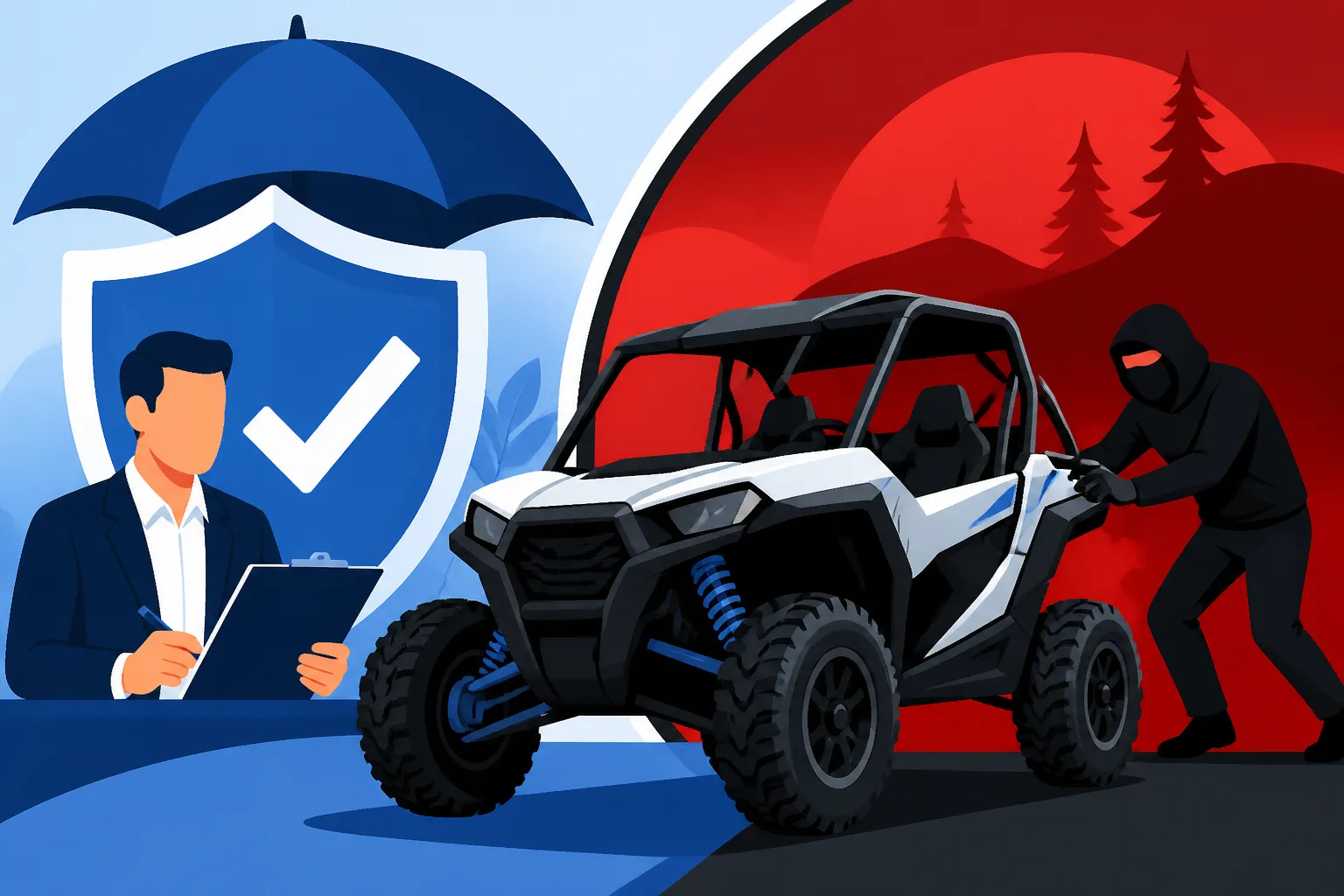
The key to coverage for a stolen ATV or UTV almost always lies with comprehensive coverage. This type of coverage is designed to protect your machine from damage or loss due to events other than collisions. Theft, vandalism, fire, natural disasters, and falling objects (like a tree limb) are all typically covered under comprehensive. If you only carry liability coverage, which is required for road use in Idaho, you will likely be out of luck for a theft claim. Liability only covers damages or injuries you cause to other people or their property while operating your ATV or UTV. It does nothing to cover your own machine.
Many riders opt for comprehensive coverage, especially if they have a newer, more expensive machine or still owe money on it (lenders almost always require it). Without it, the financial burden of replacing a stolen machine falls entirely on you. Carefully review your policy declarations page or call your agent to confirm if you have comprehensive coverage for your specific ATV or UTV. This distinction is critical and often misunderstood until an unfortunate event like theft occurs.
Deductibles and Actual Cash Value (ACV)
Even with comprehensive coverage, you won't get the full replacement cost of your machine without any deductions. Two primary factors come into play: your deductible and the Actual Cash Value (ACV) of your machine. Your deductible is the amount you are responsible for paying out-of-pocket before your insurance coverage kicks in. If your deductible is $500, for example, and your machine is valued at $5,000, the insurer would pay you $4,500 (minus any other deductions).
The most common method insurers use to value a stolen machine is its Actual Cash Value (ACV). This is not the price you paid for it new, nor is it necessarily what it would cost to buy a brand-new equivalent today. ACV is determined by taking the replacement cost of a similar machine and subtracting depreciation based on age, condition, mileage, and wear and tear. This means the settlement amount will likely be less than what you might hope for, especially for an older machine. Some policies offer "agreed value" or "stated value" coverage, particularly for custom or classic machines, which specifies a value upfront. However, ACV is the norm for most standard off-road vehicle policies. This is why having receipts for upgrades can be helpful, as they might influence the ACV calculation.
Exclusions and Policy Fine Print to Be Aware Of
While comprehensive coverage generally covers theft, insurance policies are complex documents, and they often contain exclusions that could impact your claim. It's crucial to read the fine print. Common exclusions or conditions related to theft might include:
- Unsecured Machines: Some policies might have language regarding reasonable precautions. If your machine was left completely unlocked and accessible in a high-crime area, an adjuster might question if reasonable steps were taken to prevent theft. However, this is usually difficult for an insurer to use to deny a claim outright unless there was gross negligence.
- Theft by Known Persons: If the theft was committed by a household member, for instance, some policies might exclude coverage.
- Commercial Use: If your machine was being used for commercial purposes (like a rental fleet or commercial tours) and your policy is for personal use, coverage could be denied.
- Lack of Reporting: As mentioned, failure to report the theft to the police promptly is a common reason for claim denial.
- Misrepresentation: If you provided false information when applying for the policy or filing the claim, it could be denied.
Understanding these potential pitfalls before you need to file a claim is ideal. If you're ever in doubt, discussing your policy with your agent can clarify any ambiguities. A little proactive understanding can save a lot of headaches later.
Navigating the Claim: From Report to Resolution
Once the initial shock wears off and you've filed your police report and notified your insurer, the real work of navigating the claims process begins. This phase requires attention to detail, clear communication, and sometimes, a bit of patience.
The Claim Form and Required Documents
Your insurance company will likely send you a formal claim form to complete. This form will ask for detailed information about the stolen machine, the circumstances of the theft, and your contact information. Fill it out thoroughly and accurately. Do not guess on information if you are unsure; it's better to state you don't know or to provide your best estimate with a note.
In addition to the form, the insurer will request all the documentation you've been gathering. This often includes:
- The police report number and the contact information for the investigating officer.
- A copy of your machine's title or current registration. Remember, Idaho titles every ATV over 50cc, so a title is usually expected.
- The original bill of sale or purchase agreement.
- Receipts for any major aftermarket accessories or upgrades you added.
- Photos of the machine, if available.
- A list of all stolen items, including tools, gear, or personal effects that were on or in the machine at the time of theft (if your policy covers these).
Be prepared to send these documents via email, fax, or mail, depending on your insurer's preferred method. Keep copies of everything you submit for your own records. This paper trail is invaluable if questions or disputes arise later.
Working with the Adjuster: Communication is Key
After you've submitted your initial paperwork, an insurance adjuster will be assigned to your case. This person is responsible for investigating your claim, determining coverage, and ultimately valuing your loss. They will be your primary point of contact throughout the process.
The adjuster will likely call you to discuss the details of the theft. Be honest, consistent, and cooperative. They may ask probing questions to understand the level of security, the specific location, and if there are any factors that could lead to recovery. They might also contact the police department to confirm the report and ask if there are any leads. It's perfectly acceptable to ask the adjuster for their contact information, including their direct phone number and email address, and to clarify the expected timeline for their investigation. Always document your communications: note down the date, time, who you spoke with, and a brief summary of the conversation. If you send emails, keep them professional and concise. Clear, consistent communication helps keep the process moving forward and minimizes misunderstandings.
Protecting Your Rights and Seeking Fair Value
When dealing with an insurance claim, remember that you have rights as a policyholder. While the adjuster works for the insurance company, their role is to facilitate a fair settlement according to your policy terms. However, there might be instances where you feel the proposed settlement doesn't accurately reflect the value of your stolen machine.
If you disagree with the valuation, you have the right to challenge it. This is where your detailed documentation comes in. If you have comparable sales data for similar machines in your area, or if you believe the adjuster undervalued specific aftermarket parts, present that information respectfully but firmly. You might need to provide repair estimates for any damage it had prior to theft (which would affect ACV) or receipts that prove the cost of specific upgrades. Sometimes, a well-worded letter outlining your position, backed by evidence, can prompt a re-evaluation. For more complex situations or if you feel your claim is being unfairly denied, you might consider consulting a legal professional. Resources like LawDepot offer templates for legal letters or demand letters that can sometimes be useful in formally asserting your position if you choose to go that route, though direct communication with your adjuster is always the first step. You'll want to ensure you have a clear understanding of your machine's value, perhaps by looking at sales of other [Buying a Used Side-by-Side in Idaho: The Paperwork] machines.
Beyond the Claim: Valuation, Settlement, and Recovery
The claims process doesn't always end with a simple check. There are nuances around how your machine is valued, what happens if it's found, and how to use your settlement to get back on the trail.
The Investigation Process and Waiting Period
After you file your claim, there will typically be a waiting period during which the insurance company and law enforcement continue their investigation. Insurers usually wait a certain amount of time, often 30 days or more, before officially declaring a machine "stolen and unrecovered" and proceeding with a payout. This waiting period allows law enforcement time to potentially recover the machine. During this time, the police may reach out with updates, or your adjuster might contact you for additional information.
It's important not to prematurely give up hope. Many stolen ATVs and UTVs are eventually recovered, sometimes weeks or even months later. However, they may not always be in the same condition. The insurance company's investigation will also involve verifying the facts of the theft, which might include reviewing police reports, interviewing witnesses (if any), and ensuring all policy conditions were met. This process can feel slow, especially when you're anxious to replace your lost machine, but it’s a standard part of due diligence.
Valuation of Your Stolen Machine
As discussed, the primary method for valuation is Actual Cash Value (ACV). The adjuster will use various resources to determine this, including industry guides, local market data for similar machines (considering make, model, year, condition, and mileage), and potentially your receipts for upgrades. It's common for an adjuster to compare your machine to others recently sold in Idaho, similar to what you might do if you were buying a used machine yourself.
If you have photos of your machine in excellent condition, or receipts for high-value accessories, be sure they are part of the adjuster’s evaluation. For instance, if you installed a new winch, upgraded suspension, or a custom stereo system, those additions increased the machine's value. Without proof of these enhancements, the adjuster might only value the stock machine, leading to a lower payout. This is why meticulous record-keeping is so important. If you feel the initial valuation is too low, present your counter-evidence clearly and calmly.
Receiving Your Settlement and What Happens if it's Recovered
Once the investigation is complete, the machine is deemed unrecoverable, and the value is agreed upon, your insurance company will issue a settlement check. If you have a loan on the machine, the check will typically be made out to both you and your lender. Your lender will take their portion, and any remaining funds will go to you. If you own the machine outright, the full settlement (minus your deductible) goes to you.
Here's a crucial point: What happens if your ATV or UTV is recovered after you've received a settlement check? In most cases, once the insurance company pays out a total loss claim for a stolen machine, they become the legal owner of that machine. If it's recovered, it belongs to them. They will then typically sell it to recoup some of their costs, especially if it was recovered damaged. If you wanted to get your specific machine back, you would usually need to buy it back from the insurance company, often through an auction process, and potentially deal with any damage. It's rare for an insurance company to simply give it back to you once a total loss payout has been made. Understanding this helps manage expectations if your machine reappears after you've already moved on with a new one.
It's a tough road when your machine is stolen, but knowing the process and having your ducks in a row can make a world of difference in getting a fair resolution from your insurer.
Disclaimer
This article is for general informational purposes only and does not constitute professional advice. Laws, prices and regulations vary by location and change over time. Consult a qualified professional for guidance on your specific situation.