Insuring a Side-by-Side Used for Plowing
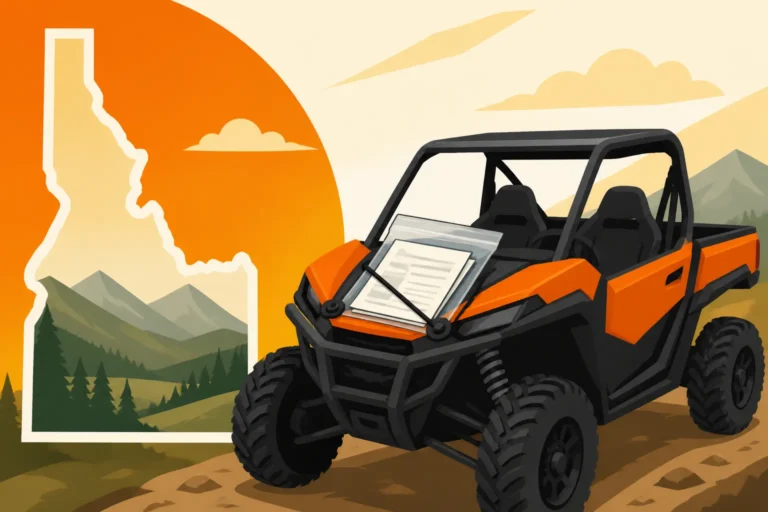
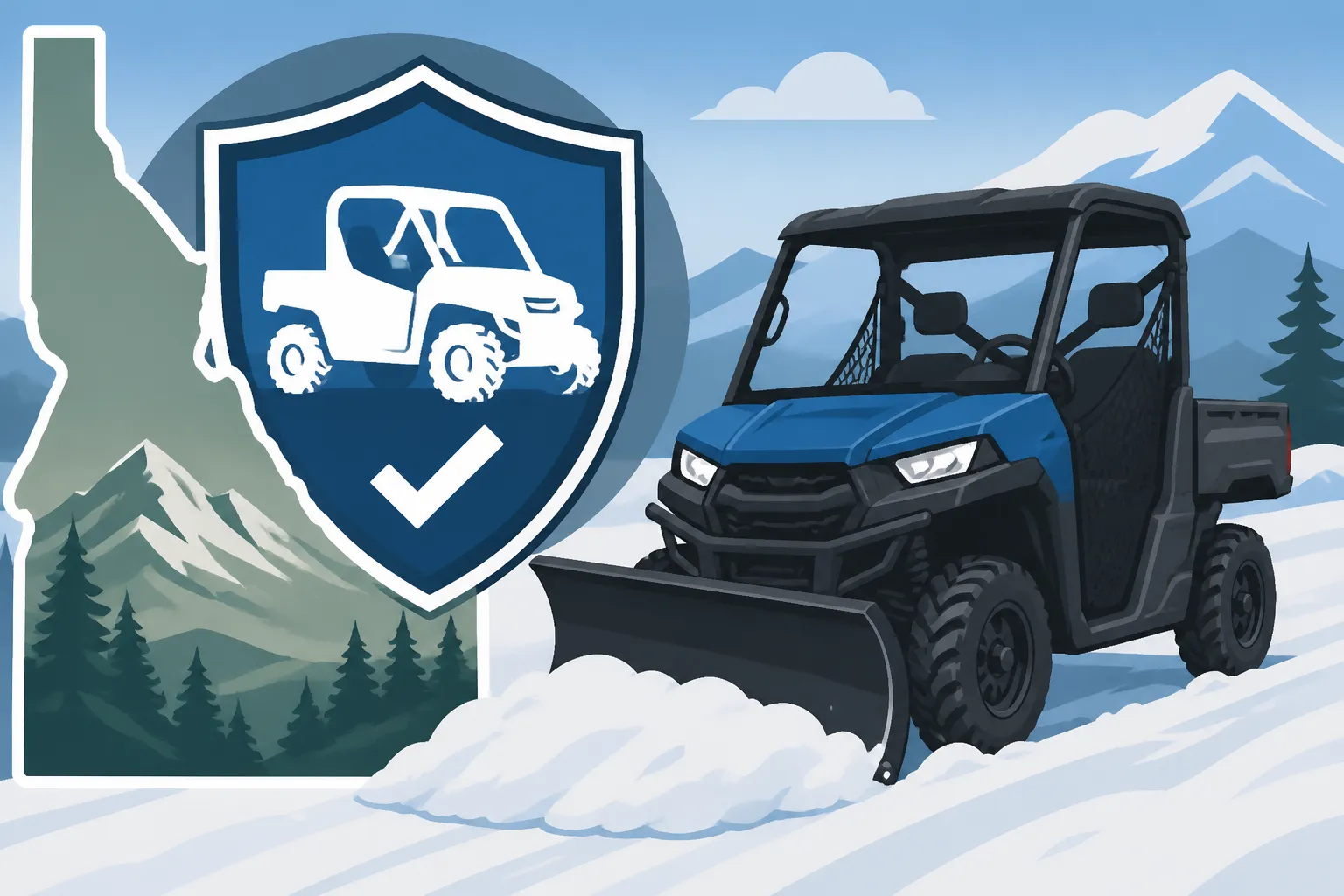
Using your side-by-side for plowing in Idaho is incredibly practical, especially when winter hits and you need to clear your driveway, or maybe even help out a neighbor. But when you switch from fun trail riding to serious snow removal, a lot of folks suddenly wonder, "Wait, is my machine still covered if something goes wrong while I'm pushing snow?" It’s a completely valid concern, because while your OHV insurance might be perfect for hitting the trails, plowing introduces a whole new set of risks. This guide will walk you through what you need to know about insuring your side-by-side specifically for plowing, making sure you're protected whether you're tackling your own driveway or helping out the community.
Why Plowing with Your Side-by-Side Changes Everything for Insurance
It’s easy to think of your side-by-side as a do-it-all machine, capable of both thrilling adventures and hard work. However, from an insurance perspective, the moment you attach a plow and start moving snow, you're fundamentally changing how your vehicle is being used. This shift in primary function introduces new levels of risk that a standard recreational policy might not be designed to cover, potentially leaving you exposed if an incident occurs.
Beyond Recreational Use: The Increased Risks
When you're out on the trails, your machine is typically facing risks associated with off-road terrain, potential rollovers, or collisions with other riders. These are scenarios insurers understand and price into standard OHV policies. Plowing, however, brings unique hazards into play. You're operating in colder, often slippery conditions, putting more strain on your engine and transmission, and regularly encountering stationary objects like mailboxes, fence posts, parked cars, or even unseen landscape features buried under the snow.
Think about the sheer force involved in pushing heavy, wet snow. This isn't just a gentle glide; it's a strenuous, often high-impact task. The risk of mechanical breakdown increases due to the added stress, and the chances of accidentally damaging someone else's property – or your own – go up significantly. An insurer will view this activity as a much higher likelihood for claims than simply cruising on a dirt road, which is why your coverage needs to reflect this change in use. This isn't about the machine itself, but the activity you're engaging in with it.
Idaho's Baseline OHV Insurance Requirements
Before you even think about plowing, it’s crucial to understand Idaho’s general requirements for off-highway vehicle insurance. For the most part, if your side-by-side is only used on private property, Idaho doesn't require you to carry liability insurance. You're free to ride your own land, plow your own driveway, or cruise your private fields without a specific insurance policy. However, this is a huge distinction, because if you accidentally cause damage or injury on your own property, you'll be personally responsible for those costs.
The landscape changes dramatically once you take your side-by-side onto public roads. If you plan to ride your OHV on any public road open to them in Idaho – which many counties do allow with the proper [Idaho's Restricted Vehicle Plate Explained] and [What Idaho Requires Before You Ride a County Road] – then you are legally required to carry liability insurance. This is the same type of liability coverage you’d need for a car, designed to cover damages and injuries you might cause to others. When you're plowing, even if it's just a short hop on a public road between driveways, these rules still apply, making adequate [Liability Insurance Idaho Road Riding Requires] non-negotiable.
Decoding Specific Coverage for Utility and Plowing Tasks
Standard OHV insurance policies are tailored for recreational use, protecting against common risks like theft, collision on a trail, or liability if you accidentally injure another rider. When you start using your side-by-side as a workhorse for plowing, those standard protections might not fully extend to your new tasks. It's essential to understand what specific additions and clarifications you'll need to seek from your insurer to ensure comprehensive coverage for this utility use.
Essential Endorsements and Add-Ons for Equipment Protection
When you attach a heavy snow plow to the front of your side-by-side, you're adding a significant piece of equipment that represents a considerable investment. A basic OHV collision policy might cover damage to the main vehicle, but the plow attachment itself could be a grey area. Many standard policies don't automatically extend comprehensive or collision coverage to accessories like plows, winches, or specialized utility boxes unless they are specifically noted.
This is where endorsements or add-ons come into play. An endorsement is essentially an amendment to your policy that adds or subtracts coverage. For plowing, you'll want to inquire about "equipment" or "accessory" endorsements that explicitly cover your plow attachment against damage, theft, or loss. This ensures that if you hit a hidden obstacle and bend your plow frame, or if it's stolen right off your machine, you're not left to shoulder the replacement cost entirely out of pocket. Be clear with your insurer about the value of your plow and any other significant attachments, as these additions will directly impact the coverage you need.
The Critical Distinction: Personal vs. Commercial Plowing
This is perhaps the most crucial conversation you'll have with your insurance provider. There's a world of difference between plowing your own driveway and property – or even helping a friend or neighbor purely as a goodwill gesture – and performing plowing services for a fee. If you are charging money for your plowing services, even if it's just for a few neighbors each winter, your activity shifts from personal utility use to a commercial enterprise.
Most personal OHV insurance policies explicitly exclude coverage for commercial activities. This means if you get into an accident while plowing for pay, your claim could be denied outright, leaving you personally liable for any damages, injuries, or legal fees. If you plan to offer plowing services commercially, even on a small scale, you absolutely must discuss this with your insurer. They will likely recommend a commercial liability policy, which is designed to cover the specific risks associated with operating a business, including property damage, bodily injury, and even errors and omissions that might arise from your services. This might feel like an extra step, but neglecting this detail could lead to devastating financial consequences.
Does Your Homeowners Policy Offer Any Plowing Protection?
It's a common and very fair question: "Since I'm plowing my own driveway, won't my homeowners insurance kick in if something goes wrong?" The answer is generally, "not for the machine itself," but there might be very limited, indirect liability coverage in specific situations. Homeowners policies are designed to cover your dwelling and property, as well as liability occurring on your premises that isn't related to a motor vehicle.
While your homeowners policy might offer some liability protection if, for example, a visitor slips and falls on snow you've cleared improperly on your own property, it almost certainly will not cover damage to your side-by-side or the plow attachment itself. Nor will it cover any damage you cause to a neighbor's property or injury to someone if you leave your property. Your homeowners insurance is not a substitute for proper OHV coverage, especially when engaged in an activity like plowing that involves a motor vehicle and potential for off-property impact. Always check with your agent directly about the specifics of your homeowners policy, but don’t rely on it as your primary source of protection for your side-by-side during plowing. For more general information, you can always review [Does Homeowners Insurance Cover an Idaho ATV?].
Key Questions and Smart Steps When Talking to Your Insurer
Navigating insurance can feel like trying to understand a new language, especially when you’re talking about a specific use case like plowing with your side-by-side. The key to securing the right coverage is clear, direct communication with your insurance provider. You need to be an advocate for your own protection, asking the right questions and being completely transparent about how you intend to use your machine. This proactive approach ensures there are no surprises if you ever need to file a claim.
What to Ask Your Provider About Plowing Coverage
When you call your insurance agent, don't just say "I want to plow with my side-by-side." Be specific and detailed. Start by explaining the machine you have and the exact plow attachment. Then, present scenarios:
- "Does my current OHV policy cover damage to my side-by-side and my plow attachment if I hit a hidden object while plowing my own driveway?" This clarifies physical damage coverage for both the machine and the accessory.
- "What if I accidentally hit my own mailbox or a sprinkler head on my property while plowing? Is that covered under property damage?" This delves into property damage liability, even for your own property.
- "If I accidentally throw snow onto my neighbor's property and cause damage, or if I accidentally hit their fence while plowing, what coverage applies?" This is crucial for third-party property damage.
- "I sometimes help out my elderly neighbor by plowing their driveway, but I don't charge them. Is this considered personal or commercial use, and will my personal OHV policy extend to their property?" This addresses the "friendly gesture" scenario versus commercial use.
- "What if I decide to start plowing for a fee next winter? What kind of commercial policy or endorsement would I need, and how would that change my premiums?" This is a vital question if there’s any chance of turning your plowing into a side business.
- "Are there any specific exclusions in my current policy regarding winter operation, utility use, or attachments like plows?" Always ask about exclusions to avoid nasty surprises.
Taking notes during these conversations, including the date and the name of the representative you spoke with, is always a smart move.
Documenting Your Equipment and Agreements
Beyond just talking to your insurer, having good documentation is a powerful layer of protection. When you purchase a plow attachment, ensure you have a clear [ATV Bill of Sale Wording Buyers Should Insist On] that lists the plow's make, model, serial number, and purchase price. This makes it easier to prove ownership and value if you ever need to file a claim for damage or theft. Similarly, if you're installing specialized lights, a winch, or other gear specifically for plowing, keep records of those purchases.
If you do decide to plow for others, even casually or for friends, consider having a simple written agreement. This doesn't need to be a complex legal document, but even a basic outline of what you're agreeing to do, what areas you'll clear, and any expectations about potential damage can be invaluable. For instance, a simple agreement could clarify who is responsible if a decorative garden gnome gets buried and broken. Resources like LawDepot can offer basic templates for general service agreements that you can adapt to outline your plowing services, protecting both you and your client by setting clear expectations. This isn't just about insurance; it's about good practice and preventing disputes. You can also explore LawDepot for other useful forms.
Avoiding Common Pitfalls and Ensuring Continuous Coverage
One of the biggest mistakes riders make is assuming their current policy covers everything, or simply not updating their insurer about new uses. Failing to disclose that you're regularly using your side-by-side for plowing could lead to a claim denial. Insurers base their premiums and coverage decisions on the information you provide; if that information is incomplete or inaccurate, they may invalidate your policy’s protection. Always be upfront about how you’re using your machine.
Another pitfall is letting your coverage lapse or forgetting to renew crucial endorsements. The winter season often comes quickly, and the last thing you want is to find out your plow coverage expired just as the first big snowstorm hits. Mark your calendar for renewal dates and set reminders. It's also wise to periodically review your policy, perhaps annually, especially if you add new attachments, change the scope of your plowing activities, or if your machine's value changes. Conditions for [Idaho OHV Registration Runs January to December] and stickers apply too, so keep all your paperwork up to date.
Potential Pitfalls and Smart Practices
While insuring your side-by-side for plowing is definitely achievable, there are several common traps riders fall into that can undermine their coverage. Being aware of these potential pitfalls and adopting smart practices can save you a lot of headache and financial strain down the road. It’s all about being proactive and transparent.
Underreporting Your Side-by-Side's Use
This is arguably the most significant mistake any side-by-side owner can make when it comes to insurance. Many people fear that telling their insurer about plowing will lead to higher premiums, so they simply don't mention it. However, deliberately or inadvertently underreporting how you use your machine is a risky gamble. If you file a claim for damage that occurred while plowing, and your insurer discovers you never disclosed this utility use, they have grounds to deny your claim entirely. This isn't just a minor inconvenience; it means you could be on the hook for thousands of dollars in repairs or liability costs.
Insurance policies are contracts built on good faith. When you sign that contract, you're agreeing to provide accurate information about the risks they're insuring. Plowing, especially if done frequently or commercially, changes the risk profile significantly. It’s always better to pay a slightly higher premium for proper coverage than to face a total denial and be left with zero protection when you need it most. Be honest and comprehensive when discussing your machine's usage with your agent.
Protecting Your Plow Attachment
Your snow plow is more than just an accessory; it’s a critical piece of equipment that likely cost a pretty penny. It’s easy to assume that because it’s attached to your side-by-side, it’s covered under your standard policy. As discussed, this isn't always the case. Many basic policies only cover the core vehicle and permanently affixed parts, not specialized attachments like plows.
To properly protect your plow, you need to ensure it's specifically itemized and covered under an "accessories" or "equipment" endorsement on your OHV policy. This way, if the plow itself is damaged in an impact, or even stolen separately from your side-by-side, you have financial recourse. Don't forget to include its value when discussing your coverage limits. Also, consider the physical security of your plow when not in use. Is it stored securely where it can't be easily damaged or stolen? A little preventative care goes a long way in reducing the risk of a claim.
Reviewing Your Policy Annually
Life, and your equipment, can change rapidly. You might initially buy a side-by-side for recreation, then decide to add a plow the next year. Or perhaps you started plowing for personal use but are now considering offering paid services. Each of these changes warrants a review of your insurance policy. What was adequate last year might not be sufficient this year.
Make it a habit to touch base with your insurance provider annually, ideally before winter rolls around. Discuss any new attachments, changes in how you use your machine, or even changes to your property that might impact liability, such as adding more driveways or features. This annual check-in is also a good opportunity to inquire about any new coverage options available, adjustments to market value for your side-by-side, or current deductible levels. Keeping your policy up-to-date ensures that your coverage truly reflects your current needs and protects you effectively through every Idaho winter.
| Coverage Type | Description | Relevance to Plowing | Key Considerations |
|---|---|---|---|
| Liability | Covers damages/injuries you cause to others or their property. | Essential for all public road use and critical for plowing others' property. | Standard personal policies may exclude commercial plowing. Check limits for property damage. |
| Collision | Covers damage to your side-by-side from an accident. | Highly relevant. Plowing increases risk of hitting fixed objects (mailboxes, curbs). | Ensure the policy covers utility use, not just recreational. |
| Comprehensive | Covers damage to your side-by-side from non-collision events (theft, fire, vandalism, falling objects). | Relevant. Protects against theft of the machine or plow, or damage from non-plowing incidents. | Verify if the plow attachment itself is covered under this or requires an add-on. |
| Accessory/Equipment Endorsement | Adds specific coverage for attachments like plows, winches, lights. | Crucial for plowing. Covers repair or replacement of the plow itself. | Must be specifically added. Declare the value of all attachments to your insurer. |
| Commercial Liability | Covers damages/injuries you cause when operating for a fee or business. | Mandatory if you plow for money. Standard personal policies will not cover this. | Separate policy or significant endorsement required. Crucial for any paid services. |
| Homeowners Liability | Limited liability coverage for incidents on your property. | Very limited relevance for the OHV itself. Might cover specific liability if a person is injured on your property due to your plowing. | Does NOT cover damage to your OHV or plow, nor liability off your property. Do not rely on it. |
Disclaimer
This article is for general informational purposes only and does not constitute professional advice. Laws, prices and regulations vary by location and change over time. Consult a qualified professional for guidance on your specific situation.