Riding an OHV Into Downtown McCall
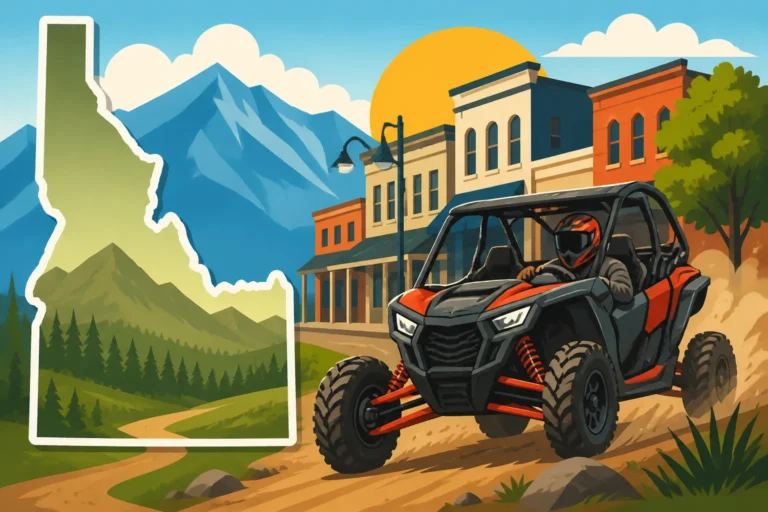
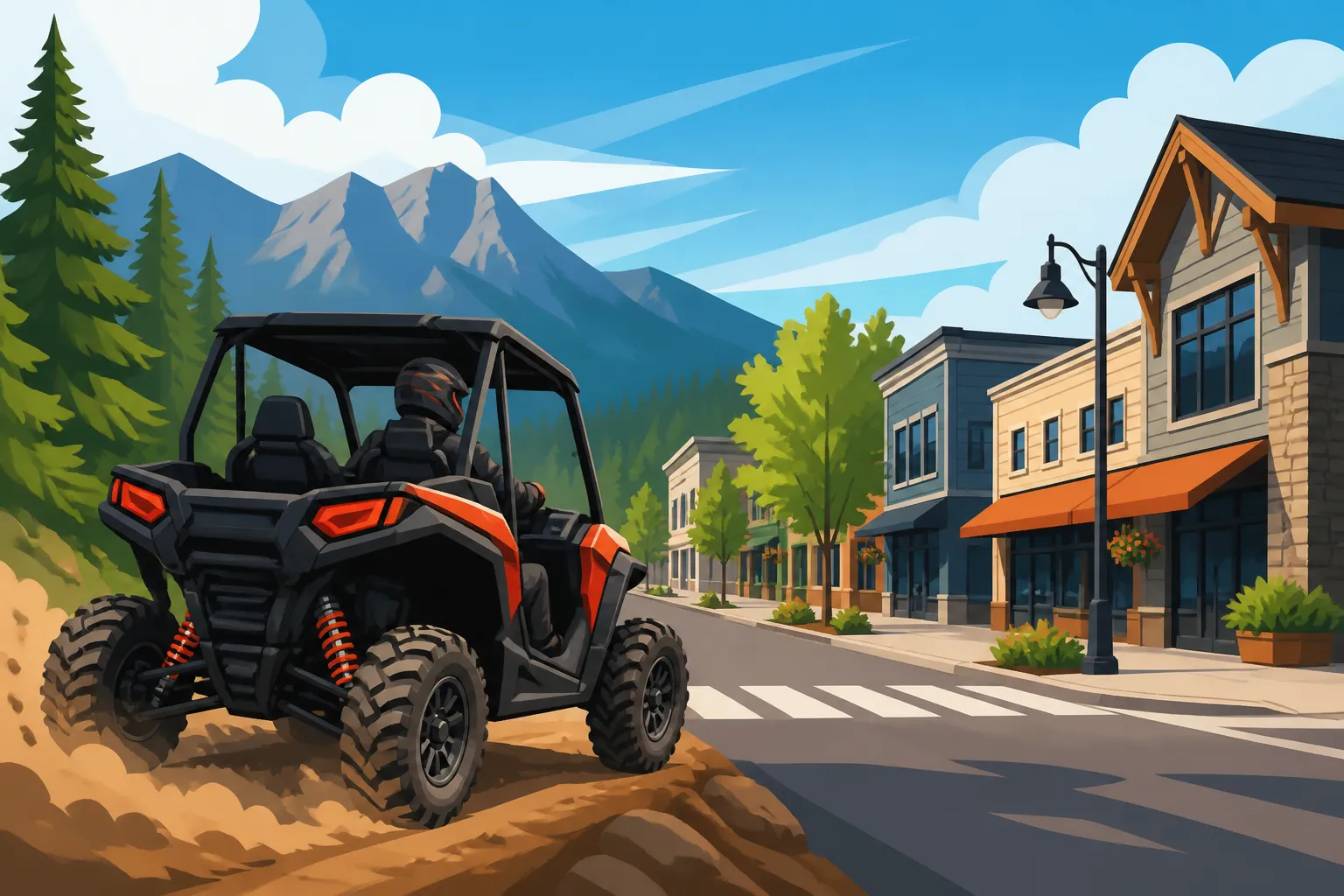
There's nothing quite like the dream of riding your side-by-side or ATV directly from the trailhead into a bustling mountain town for a bite to eat or to grab some groceries. For many of us who love exploring Idaho's incredible backcountry, the idea of rolling into a place like downtown McCall on our OHV is a huge draw, but the reality of local rules can be confusing and leave you wondering if it's even possible. This guide will walk you through exactly what you need to know to safely and legally ride your OHV into the heart of McCall, covering both state and local requirements.
Understanding Idaho's Foundation for Street Legal OHV Riding
Before you even think about putting tires on pavement in McCall, it's crucial to understand that Idaho has a statewide framework for making your OHV street legal. You can't just slap a license plate on your quad and call it good; there are specific requirements that apply everywhere, from the smallest logging road to the main streets of an incorporated town. Many riders get tripped up here, thinking that if a county road is open, any machine can use it. That's simply not the case, especially when you're entering a city limit.
The Restricted Use Plate: Your Golden Ticket
The single most important piece of the puzzle for riding an OHV on Idaho roads is the Idaho Restricted Use Plate, often simply called an "R Plate." This isn't just a fancy sticker or an optional extra; it's what legally designates your off-highway vehicle as capable of operating on certain public roads. Without this plate, your machine is strictly limited to trails and private property. It signals to law enforcement that you've met the state's baseline requirements for road use. You can think of it as your OHV's specialized driver's license for the road. [Idaho's Restricted Vehicle Plate Explained] is a great resource if you're still unclear on this.
Getting this plate involves a trip to the county assessor's office, where you'll register your machine and prove ownership. It's not a full highway registration, but it's your essential first step toward any street-legal aspirations. The plate itself will have a specific "R" series number, which clearly identifies it as a restricted vehicle.
Driver's License, Insurance, and State-Level Equipment
Beyond the R plate, Idaho law mandates several other critical components for anyone operating an OHV on a public road, including those within city limits. These aren't just suggestions; they are non-negotiable legal requirements designed for safety and accountability.
- Driver's License: You absolutely must possess a valid driver's license to operate an OHV on any public road in Idaho. This means a standard automobile driver's license, not just an OHV safety course certificate for younger riders (though that's important for trails). This requirement ensures that anyone operating a vehicle on the road has demonstrated basic driving competence. [Driver's License Requirements on Idaho Roads] covers this in more detail.
- Liability Insurance: Just like driving your car, you need liability insurance for your OHV when it's on public roads. This protects you and others in the event of an accident. While many OHV riders might have insurance for their machine to cover theft or damage, the state explicitly requires liability coverage for road use. [Liability Insurance Idaho Road Riding Requires] is an important read to ensure you're covered.
- Essential Equipment: Your OHV needs to be equipped with specific safety gear to be considered street legal in Idaho. This includes, but isn't limited to:
- Headlights: Must be on and visible from 500 feet.
- Taillights and Brake Lights: A red taillight visible from 500 feet and a red brake light visible from 200 feet when the brakes are applied.
- Mirrors: At least one mirror, affixed to the OHV, that provides a view of the highway for at least 200 feet to the rear. Many riders add a second mirror for better visibility.
- Horn: A working horn capable of emitting a sound audible from 200 feet.
- Turn Signals: Both front and rear turn signals are required. For many machines, this will involve an aftermarket kit. Companies like SuperATV offer comprehensive turn signal kits that are designed to integrate seamlessly into various OHV models, ensuring you meet this crucial requirement without a headache.
- Muffler and Spark Arrester: Your machine must have a functional muffler to keep noise levels reasonable, and a spark arrester is legally required on most public lands to prevent wildfires. While the spark arrester is more for trail use, ensuring your muffler is compliant is vital for road riding etiquette and legality.
- Reflectors: Additional reflectors may be required depending on the machine and its use.
Without these foundational elements, riding into McCall, or any Idaho town, would be illegal and could result in citations. It's always best to be over-prepared and compliant to avoid any issues with local law enforcement.
McCall's Local Rules: Navigating Downtown by OHV
Once you've got your machine street-legal according to Idaho state law, the next hurdle is navigating the specific rules of the town you want to visit. McCall, being a popular destination for outdoor enthusiasts, has its own approach to OHV access within city limits. It's not a free-for-all, but it's generally more accommodating than some other towns, provided you follow the rules.
Open Roads and Designated Access Points
McCall understands that many visitors arrive with their OHVs, eager to explore the surrounding forests and then grab a bite to eat. Generally, McCall allows OHVs that are street-legal (i.e., have an Idaho Restricted Use Plate, driver's license, insurance, and proper equipment) on most city streets, particularly those connecting to popular staging areas or trails. However, this is usually limited to what's necessary to access services like fuel, food, and lodging, or to traverse the town to get to another trail system.
You won't typically see riders joyriding aimlessly through residential neighborhoods. The focus is on purposeful travel. For instance, accessing shops along Lake Street or heading to a restaurant on Railroad Avenue would generally be acceptable if you're coming from or going to a trail. Local ordinances can sometimes designate specific routes or prohibit OHVs from certain main arteries, especially during peak seasons or for special events. It’s always smart to check the City of McCall's official website or inquire with local authorities if you're unsure about a particular street, as rules can evolve. [Riding Through McCall, Stanley and Salmon] can provide some broader context on how these towns handle OHVs.
Parking, Fueling, and Local Etiquette
Riding into town isn't just about what roads you can use; it's also about how you conduct yourself once you're there. Parking an OHV in downtown McCall requires some common sense and respect for other visitors and businesses.
- Parking: When you pull into downtown McCall, treat your OHV like any other vehicle. Park it legally in designated parking spots. Do not block sidewalks, fire hydrants, or private driveways. Parking lots for businesses are fair game if you're patronizing them, but be mindful of space, especially during busy times. You wouldn't park your pickup truck across two spots, so don't do it with your side-by-side.
- Fueling: Filling up your OHV at a gas station in McCall is typically straightforward. Just pull up to the pump like any other vehicle. It's often a great opportunity to grab a snack or drink for the next leg of your journey.
- Noise and Speed: This is where local etiquette truly comes into play. While your machine needs a legal muffler, aftermarket exhausts can still be loud. Keep your speed low in town, especially on Main Street where pedestrians are common. Be courteous, minimize excessive revving, and always prioritize safety. Loud machines and reckless driving are the quickest ways for local authorities to restrict OHV access in the future. [Idaho Noise Rules Near Mountain Towns] highlights the importance of being considerate.
- Visibility Flags: While not always strictly enforced within city limits, many riders choose to use visibility flags, especially if they have tall antennas, as an added safety measure. This helps make your machine more visible to other motorists and pedestrians, particularly useful if you're navigating around parked cars or through intersections. If you're looking for durable flags or mounts, SuperATV offers a variety of options that can enhance your visibility and ensure you’re seen on town streets.
Adhering to these unwritten rules, as well as the explicit legal ones, helps foster a positive relationship between the OHV community and McCall residents and businesses, ensuring continued access for everyone.
Gearing Up for Your Ride: Essential Equipment and Smart Planning
Beyond the legal necessities, a successful and enjoyable ride into downtown McCall also depends on practical preparation. You'll want to ensure your machine is not only compliant but also equipped for a comfortable and safe journey through town and back to the trails.
Recommended Safety Gear and Accessories
While Idaho state law has minimum equipment requirements for road use, there are several items you should always consider having on your machine, especially when mixing with road traffic and pedestrians.
- Helmets and Eye Protection: While adults over 18 are not legally required to wear a helmet on a public road in Idaho, it is always a wise choice for safety. For anyone under 18, helmets are mandatory. Eye protection, such as goggles or a face shield, is strongly recommended for all riders to protect against dust, debris, and insects, making your ride much more comfortable. [Idaho Helmet Rules for Riders Under 18] and [Goggles or a Face Shield on the Road] offer specific guidance.
- Side-by-Side Specifics: If you're in a side-by-side, ensure seatbelts are worn by all occupants. Many side-by-sides now come standard with doors or nets, which are good safety features when on any road. If you've modified your machine, ensure any roll cage or safety enhancements still allow for clear visibility and safe operation in traffic.
- Weather Appropriate Clothing: Even if it's sunny on the trail, temperatures can drop quickly, especially in the mountains. Dress in layers, and consider rain gear, as a sudden shower can make a short ride into town very uncomfortable.
- Basic Tool Kit and Repair Items: While you hope not to need them in town, a basic tool kit, tire repair kit, and small air compressor can get you out of a bind if you experience a flat or minor mechanical issue. This is especially true if you plan to continue on trails after your town visit.
Remember, a well-prepared rider is a safe rider, and these extras can make all the difference in turning a potential hassle into a minor inconvenience.
Planning Your Route and Being a Respectful Visitor
Thinking ahead about your route and your intentions in McCall will make your visit smoother. Don't just follow a buddy; know where you're going and what the local expectations are.
- Check Motor Vehicle Use Maps (MVUMs): While MVUMs primarily cover forest and BLM roads, they can give you an idea of how trails connect to county roads leading into town. Understanding the bigger picture helps you plan a legal and logical route from the trails into McCall. [Reading an Idaho Motor Vehicle Use Map] is a crucial skill for any Idaho rider.
- Consider Peak Times: McCall can get very busy, especially on summer weekends and during events. If you're riding into town during these peak times, be extra cautious of increased pedestrian and vehicle traffic. Consider visiting during off-peak hours if possible for a more relaxed experience.
- Support Local Businesses: When you ride into McCall, take the opportunity to support the local economy. Grab a meal, fill up your tank, or pick up some souvenirs. Local businesses appreciate the patronage from the OHV community.
- Leave No Trace: This principle applies just as much in town as it does on the trails. Don't litter, dispose of trash properly, and respect private property. A positive impression helps ensure OHV access continues.
| Requirement for Road Use in Idaho | Status for McCall Access | Notes |
|---|---|---|
| Idaho Restricted Use Plate (R-Plate) | Mandatory | This is non-negotiable for any public road access in Idaho. |
| Valid Driver's License | Mandatory | Standard automobile license required for operator. |
| Liability Insurance | Mandatory | Proof of financial responsibility required. |
| Headlights (on) | Mandatory | Visible from 500 feet. |
| Taillights (red) | Mandatory | Visible from 500 feet. |
| Brake Lights (red) | Mandatory | Visible from 200 feet when braking. |
| At Least One Mirror | Mandatory | Providing view 200 feet to the rear. Consider two for better visibility. |
| Working Horn | Mandatory | Audible from 200 feet. |
| Front & Rear Turn Signals | Mandatory | Aftermarket kits (like those from SuperATV) are common for this. |
| Muffler & Spark Arrester | Mandatory | Keep noise levels compliant and prevent wildfires. |
| Helmet (if under 18) | Mandatory | Highly recommended for all riders, regardless of age. |
| Eye Protection | Recommended | For comfort and safety. |
| Pavement-Friendly Tires | Recommended | Aggressive knobs wear quickly on pavement and can damage roads. |
| Low Speed & Courtesy | Highly Recommended | Essential for a positive OHV presence in town. |
Riding your OHV into downtown McCall can be a fantastic part of your Idaho adventure, blending the thrill of the trails with the convenience and charm of a mountain town. By understanding and adhering to both Idaho state law and local expectations, you ensure a safe, legal, and enjoyable experience for everyone.
Disclaimer
This article is for general informational purposes only and does not constitute professional advice. Laws, prices and regulations vary by location and change over time. Consult a qualified professional for guidance on your specific situation.