Riding an OHV on an Idaho River Bar
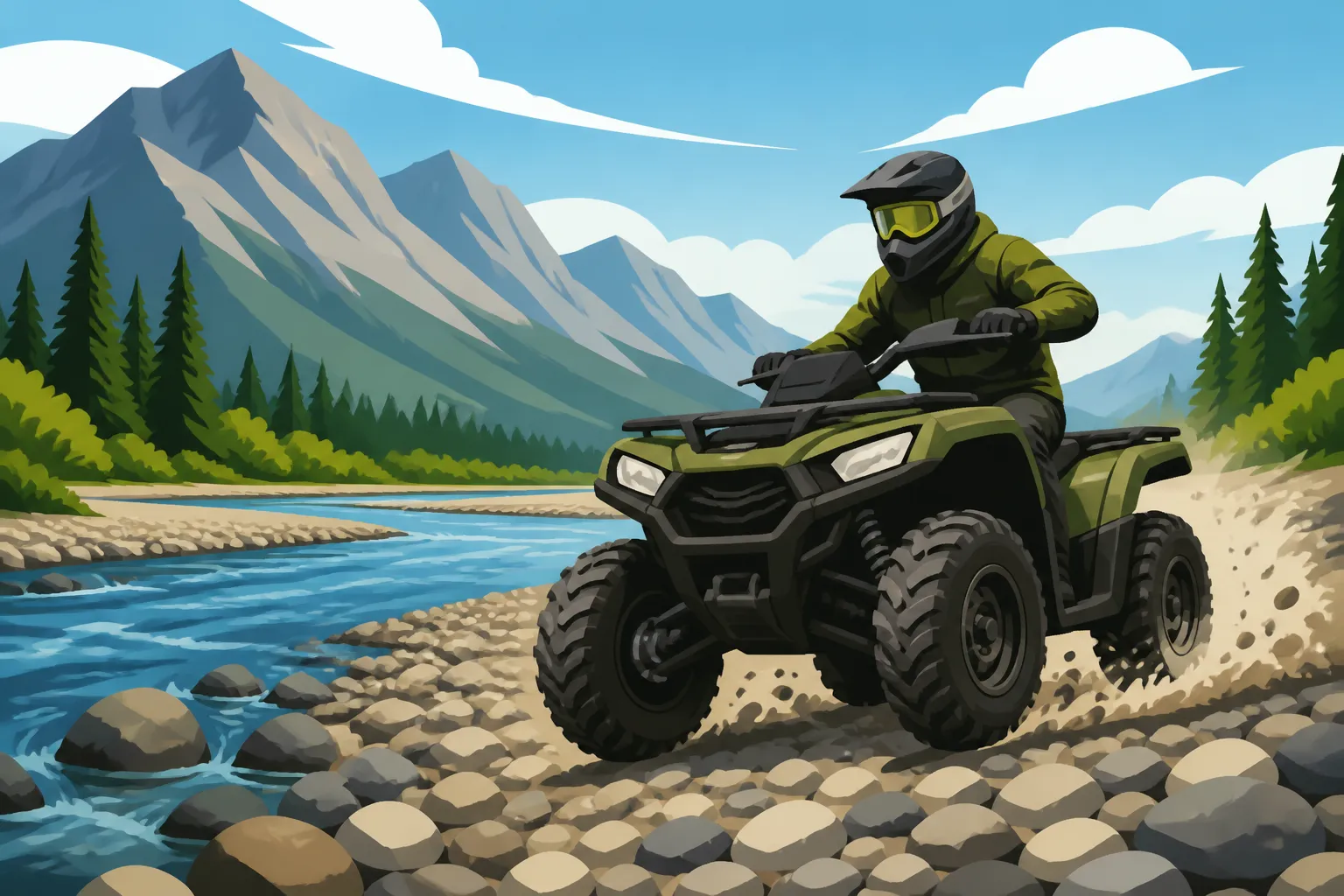
There's nothing quite like the feeling of kicking up some dust on an Idaho river bar, with the sun glinting off the water and the open expanse stretching before you. It feels wild, unrestricted, like the ultimate freedom for your ATV or UTV. But before you point your rig towards that tempting gravel, it’s crucial to understand that what looks like open range might actually be a tangle of complex regulations, private property lines, and environmental protections. Many riders get caught off guard by the rules of riding on river bars, turning what should be a fantastic day into a frustrating or even ticket-worthy experience. This guide aims to clear up the confusion, helping you understand where you can legally ride, what you need to do to prepare, and how to enjoy Idaho's river bars responsibly.
The Allure and the Ambiguity of Idaho's River Bars
Idaho's rivers are iconic, slicing through mountains and carving vast, open spaces. For off-highway vehicle (OHV) enthusiasts, these river bars offer a unique riding experience: wide-open throttle opportunities, challenging sandy patches, and a sense of remoteness that's hard to find elsewhere. It’s easy to look at a sprawling gravel bar and assume it’s fair game, especially if you don’t see any "No Trespassing" signs immediately. This leads to a common misconception among riders: "if it's not posted, it's open."
However, this assumption is where many riders unknowingly run into trouble. The reality is that river beds and banks in Idaho are often subject to a complex web of ownership and jurisdictional rules that aren’t always immediately obvious from the bank. What appears to be a continuous stretch of public land could actually shift between state-owned, federally managed, and privately held sections, sometimes within just a few hundred yards. This confusing patchwork of regulations is a major source of frustration for riders who just want to enjoy the outdoors without breaking any rules. You might be riding along, having a great time, only to discover later that you've been on private land or a protected habitat without any clear signage to guide you. It feels unfair when the rules aren't plain to see, but the onus often falls on the rider to know.
Understanding Public vs. Private River Beds
One of the biggest hurdles in understanding river bar access revolves around land ownership. In Idaho, the legal definition of who owns what along a waterway can be incredibly nuanced. For rivers deemed "navigable" at the time of statehood, the state of Idaho generally owns the riverbed up to the ordinary high-water mark. This means that, in theory, the public has access to these state-owned riverbeds. However, the exact location of this "high-water mark" isn't always clear to the casual observer, and what constitutes a "navigable" river can be a complex legal question, not always immediately apparent on a map.
Then there's private ownership. Many landowners along Idaho's rivers hold title to the land right up to the river's edge, or even across non-navigable streams. This creates a critical challenge for riders: how can you tell where public access ends and private property begins when you’re out on a river bar? Without specific, detailed maps or local knowledge, it’s practically impossible to discern these boundaries. Making the mistake of assuming access based solely on the appearance of the land can lead to serious trespassing issues, frustrating landowners and potentially leading to citations. Always remember the fundamental principle: if you don’t have explicit permission, and you can’t verify it’s public land, treat it as private. This approach is your best defense against inadvertently violating [Idaho Trespass Law for Riders].
Jurisdictional Layers: State, Federal, and Local
The complexity doesn't stop at public versus private. Even on public lands, you're dealing with multiple layers of jurisdiction, each with its own set of rules and limitations. The Idaho Department of Lands (IDL) manages state-owned riverbeds and associated lands, often with specific regulations regarding motorized use, especially concerning environmental protection. Adjacent to these state lands, you might find vast tracts managed by federal agencies like the Bureau of Land Management (BLM) or the U.S. Forest Service (USFS). Each of these federal entities has its own comprehensive travel management plans, often outlined in Motor Vehicle Use Maps (MVUMs), which dictate where OHVs can and cannot go.
To further complicate matters, local county and city governments can impose their own ordinances, particularly near populated areas, bridges, or designated recreational zones. A county might have a blanket ban on OHVs within a certain distance of a bridge, or a city might prohibit motorized vehicles on riverfront parks. This creates a confusing patchwork where you might be riding perfectly legally on a BLM section, only to cross into a USFS area with different rules, or even a city limit where motorized access is entirely forbidden, all without any clear signs indicating the change. Riders need to be incredibly diligent in their research, consulting not just state guidelines but also federal and local regulations that could impact their ability to ride a particular river bar. Understanding [Idaho Rules on Forest Service Roads] and [Idaho Rules on BLM Roads] is a good start, but riverbeds often have unique considerations.
Essential Permits, Stickers, and Equipment
Even if you manage to pinpoint a river bar where OHV riding is explicitly permitted, you're not entirely in the clear without ensuring your machine and your gear meet Idaho's general requirements for public land use. The assumption that "off-trail" riding on a river bar somehow exempts you from basic OHV regulations is a dangerous one. Law enforcement officers, whether from the local sheriff's department, Idaho Fish and Game, or federal agencies, still patrol these areas and can issue citations for non-compliance.
Beyond the legal necessities, responsible riding on a river bar also calls for specific safety and environmental considerations. The terrain can be unpredictable, ranging from soft sand to slippery rocks, and the proximity to water adds another layer of potential hazards. Being prepared isn't just about avoiding a ticket; it's about protecting yourself, your machine, and the fragile river ecosystem you're enjoying.
The Non-Negotiable Idaho OHV Sticker
Let's get this straight: if you're riding an OHV on any public land in Idaho, including river bars, you absolutely need an Idaho OHV sticker. There’s no ambiguity here. This sticker is your permit to ride legally on designated public trails, routes, and areas. It’s not just a formality; the funds generated from the sale of these stickers are directly reinvested into Idaho's OHV program. This money supports trail maintenance, signage, education, and crucially, enforcement efforts that help keep our riding areas safe and accessible for everyone.
Trying to save a few dollars by skipping the sticker is a false economy. Riding without one can lead to significant [Penalties for an Unstickered OHV in Idaho], often far exceeding the cost of the sticker itself. Enforcement officers frequently patrol popular river access points and other public riding areas, and they will check for current stickers. Don't let a simple oversight ruin your day. Make sure your sticker is properly displayed and up to date before you head out. You can find out [What an Idaho OHV Sticker Costs Each Year] through Idaho Parks and Recreation.
Safety and Environmental Gear for River Bar Riding
River bar riding can be exceptionally fun, but it comes with its own set of challenges. The terrain is constantly changing due to water flow, and environmental factors are always at play. Therefore, having the right equipment isn't just about legal compliance; it's about being prepared for anything and minimizing your impact.
First, spark arresters are non-negotiable. These devices are legally required on OHVs operating on public lands in Idaho, and for good reason. They prevent hot carbon particles from escaping your exhaust and potentially igniting dry grasses or debris, especially critical during Idaho's dry summers. Without one, you're not only risking a citation but also a devastating wildfire. Equally important are proper mufflers. While not as strictly regulated for decibel levels on all public lands, excessive noise is a common complaint, particularly near residences or popular fishing spots. Being considerate with your noise output contributes to a positive public image for OHV riders and helps prevent further restrictions. You can learn more about these requirements in [Mufflers and Spark Arresters].
Beyond the exhaust, consider your recovery gear. River bars often feature soft sand, loose gravel, and sometimes mud, all of which can easily bog down an OHV. A reliable winch is an absolute lifesaver in these situations. Brands like SuperATV offer robust recovery winches and durable traction boards that are specifically designed for getting you unstuck from challenging terrains like soft, shifting riverbeds. Having a shovel, tow strap, and a working knowledge of how to use them safely is also critical. Finally, remember your environmental responsibility. Carry a small spill kit to contain any accidental fluid leaks and always, always pack out everything you pack in—and then some, if you spot any litter left by others.
Navigating the Law: What to Check Before You Go
The feeling of uncertainty about where you can legally ride is one of the most common frustrations for OHV enthusiasts in Idaho. It can feel like you need a law degree and a surveyor's eye to figure out if that enticing river bar is truly open to you. However, the burden of responsibility ultimately falls on the rider to know the rules and the land. Proactive research is not just recommended; it's absolutely essential to ensure a legal and enjoyable outing. Don't rely solely on word-of-mouth or outdated maps. Take the time to do your homework before your wheels hit the dirt.
Ignoring this step is like driving without a seatbelt—you might be fine, but if something goes wrong, the consequences can be severe. A simple misunderstanding of property lines or a lack of awareness about a seasonal closure can result in fines, vehicle impoundment, or even permanent loss of access to riding areas for everyone if rider behavior leads to stricter regulations. Being a responsible rider means being an informed rider.
Researching Land Ownership and Access
To avoid unwanted encounters with landowners or law enforcement, your first step should always be to thoroughly research the specific river bar you intend to visit. Start with online resources. County GIS (Geographic Information System) maps can often provide detailed property ownership information, though they might not always clearly delineate the "high-water mark" for state-owned riverbeds. For federal lands, the BLM and USFS publish Motor Vehicle Use Maps (MVUMs), which are indispensable. These maps clearly show designated routes, areas open to motorized travel, and any restrictions. While MVUMs are excellent for trails and forest roads, they may not explicitly cover riverbeds, so additional research is often needed. You can check out [Reading an Idaho Motor Vehicle Use Map] for more guidance. Apps like [onX Offroad for Idaho Trails] can also be incredibly helpful, providing satellite imagery and land ownership overlays right on your phone, though always double-check the accuracy of boundaries, especially near waterways.
When online resources aren't clear, don't hesitate to reach out directly. Contact the local Idaho Department of Lands (IDL) office, the nearest BLM field office, or the US Forest Service ranger district responsible for the area. Explain exactly where you want to ride and ask about current regulations. While seeking local knowledge from fellow riders can be helpful, always verify that information with official sources. Rules change, and what was permissible last year might not be this year.
Understanding Specific River and Riparian Area Restrictions
Beyond general land ownership, river corridors themselves often have specific restrictions that are unique to riparian environments. These can vary significantly depending on the river, the time of year, and local ecological concerns. For example, many river sections have seasonal closures to protect spawning fish (like salmon or steelhead) or nesting birds. Riding during these times can disturb critical habitats and lead to severe fines.
You also need to be aware of designations such as "wilderness study areas" or "wild and scenic rivers." These areas are often managed to preserve their natural character, and motorized use is typically prohibited, even on seemingly open river bars. For a deeper dive into these protected areas, you can refer to [Idaho Wilderness Areas Closed to Motors]. Furthermore, it's crucial to understand the distinction between riding on a dry river bar and riding in the water. In many cases, driving an OHV directly in a stream or river is illegal due to concerns about disturbing fish, degrading water quality, and damaging aquatic habitats. Even if you're on a permitted section of a river bar, avoid driving through the actual water unless it's a designated crossing. Always prioritize protecting the resource that makes these areas so special.
| Scenario | Ownership/Jurisdiction | General OHV Access (Always Verify!) | Key Considerations |
|---|---|---|---|
| Idaho Navigable River | State of Idaho (below high-water) | Potentially open, but state regulations apply | Sticker required, avoid disturbing vegetation/wildlife, check for seasonal closures. |
| BLM-Adjacent River | Federal (often above high-water) | Check MVUM for travel management areas | Sticker required, stay on designated routes, respect all BLM rules, SuperATV gear helps with varied terrain. |
| Forest Service River | Federal (often above high-water) | Check MVUM for designated routes | Sticker required, strict adherence to Forest Service rules, fire restrictions. |
| Private Land River | Private (up to river's edge) | NO TRESPASSING WITHOUT PERMISSION | Always get written permission, know boundaries, respect landowner's wishes. |
| City/County Riverfront | Local government | Highly restricted, often prohibited | Check local ordinances, usually parks or designated access points only. |
Responsible Riding on River Bars
Riding an OHV on an Idaho river bar is a privilege, not a right. Beyond simply adhering to the letter of the law, responsible riders also embrace an ethical approach that prioritizes environmental protection and respect for all other users of these precious natural spaces. The future of OHV access to river bars, and indeed all public lands, hinges on our collective ability to act as stewards of the environment.
When riders leave a negative impact—whether it’s through trash, noise, or damage to fragile ecosystems—it fuels opposition to OHV use and can lead to stricter regulations, closures, and even outright bans. Nobody wants to see their favorite riding spot become off-limits. By committing to responsible practices, we ensure that Idaho's stunning river bars remain open and enjoyable for generations of OHV enthusiasts to come. It’s about more than just avoiding a ticket; it’s about preserving the very experience we cherish.
Minimizing Environmental Impact
The unique, dynamic nature of river bars means they are often home to delicate ecosystems. Minimizing your environmental footprint is paramount. The golden rule here is simple: stay out of the water. Driving directly in streams or rivers can churn up sediment, harm aquatic insects and fish eggs, and contaminate water quality. Even shallow crossings should be approached with caution and only if explicitly permitted as part of a designated route. Focus your riding on the dry portions of the bar.
Equally important is avoiding vegetation. Even sparse grasses, willows, or young saplings on a river bar play a crucial role in stabilizing the bank and providing habitat for wildlife. Driving over these plants can lead to erosion, especially during high water events, and destroy critical nesting or feeding areas. Adhere to the "Tread Lightly!" principles, which emphasize responsible outdoor recreation. This means staying on designated routes, if they exist, and always being mindful of your surroundings. Having quality protection for your machine can also help. For instance, SuperATV skid plates can shield your vehicle's underside, preventing accidental leaks of oil or fuel onto the sensitive river bar ecosystem if you encounter hidden obstacles. And, of course, the age-old mantra: pack it in, pack it out. Don't leave any trash behind, and if you see litter, consider packing that out too.
Respecting Other Users and Wildlife
River bars are rarely exclusive to OHV riders. They are often popular spots for a variety of other outdoor enthusiasts, including fishermen casting their lines, kayakers floating downstream, hikers enjoying the solitude, and wildlife seeking food and shelter. Being considerate of these other users is a fundamental aspect of responsible riding. Your noisy OHV can easily disrupt a peaceful fishing experience or startle wildlife. Therefore, be mindful of your speed, especially when approaching areas where other people or animals might be present. Slow down, keep your distance, and be ready to stop if necessary.
Noise pollution is another significant concern. While your machine is required to have proper mufflers and spark arresters, excessive revving or aftermarket exhausts can still be incredibly disruptive. Think about the impact your machine's noise has on the quiet enjoyment of others and on the wildlife that calls the river corridor home. This is particularly relevant in areas close to towns or campgrounds, where [Idaho Noise Rules Near Mountain Towns] might apply. Give wildlife a wide berth, especially during sensitive times like nesting seasons for birds or calving season for deer and elk. Disturbing protected species can lead to legal penalties beyond simple trespassing fines. By sharing these spaces respectfully, we help ensure a harmonious environment for everyone and reinforce the idea that OHV riders are responsible members of the outdoor community.
Disclaimer
This article is for general informational purposes only and does not constitute professional advice. Laws, prices and regulations vary by location and change over time. Consult a qualified professional for guidance on your specific situation.