DOT Helmet Standards for Trail Riders
You're out there, enjoying the incredible beauty of Idaho's trails, whether it's the twisty single track of the Sawtooth National Forest or the wide-open expanse of the Owyhee Desert. It's exhilarating, but also comes with questions, especially when those trails occasionally intersect with or lead onto county roads. One of the biggest head-scratchers for many riders is understanding what "DOT certified" actually means for their helmet and if it's truly necessary for their off-road adventures. This guide is here to cut through the confusion and help you understand why DOT helmet standards are important for Idaho trail riders, especially those who venture beyond private land.
Why DOT Certification Matters for Off-Road Riding
When you think of DOT certification, your mind might immediately jump to street motorcycles, and you wouldn't be wrong. The Department of Transportation (DOT) sets safety standards for helmets used on public roads, and for good reason: they're designed to protect your most important asset in the event of a crash. But for us ATV and UTV enthusiasts, especially here in Idaho where we often transition from remote trails to county roads, understanding these standards isn't just about legal compliance—it's about genuine safety.
Understanding the DOT Standard
The DOT standard, officially Federal Motor Vehicle Safety Standard (FMVSS) No. 218, is a set of minimum performance requirements that all motorcycle helmets must meet to be legally sold for on-road use in the United States. When a helmet is DOT certified, it means the manufacturer has tested it and affirmed that it meets these stringent criteria. This isn't just a sticker; it represents a commitment to a certain level of impact protection, penetration resistance, and retention system effectiveness. The shell must be rigid enough to distribute impact forces, the liner must absorb energy, and the chin strap must stay securely fastened.
What many riders don't realize is that meeting these standards involves specific tests. For example, a DOT-approved helmet undergoes impact attenuation testing, where it's dropped onto different surfaces at various points to measure how well it absorbs energy. It also faces penetration tests to ensure sharp objects won't pierce the shell easily. These aren't tests designed for light bumps on a dirt track; they're designed for serious, high-energy impacts that can occur at road speeds, but also often happen when an ATV or UTV rider unexpectedly hits a tree or rolls their machine on a technical trail.
Beyond the Trailhead: Idaho's Road Rules
Here in Idaho, our riding often isn't confined to just private property or designated off-road parks. We have an incredible network of Forest Service roads, BLM routes, and even county roads that are legally open to OHV use, provided you have the right setup and follow the rules. This is where the DOT certification becomes critical. If you're riding your quad or side-by-side on any public road—even just to get from one section of trail to another or to [Riding Town to Trailhead in Idaho]—you are subject to Idaho's road laws.
For riders under 18, Idaho law is very clear: you must wear a DOT-compliant helmet when operating or riding as a passenger on an OHV on public lands, including trails and roads. You can find more details on this in [Idaho Helmet Rules for Riders Under 18]. Even if you're an adult, if you plan to access or cross any county or Forest Service roads, having that DOT certification on your helmet means you're meeting a recognized safety standard and are less likely to run into issues with law enforcement. It’s peace of mind, knowing that if you encounter an Idaho sheriff's deputy on a remote road, your gear meets the requirements.
The Different Types of Helmets and Their DOT Status
Picking a helmet can feel like a maze. There are so many styles, brands, and claims out there. Understanding how different helmet types typically align with DOT standards is key, especially when balancing trail comfort with road legality in Idaho.
Dirt Helmets vs. Street Helmets
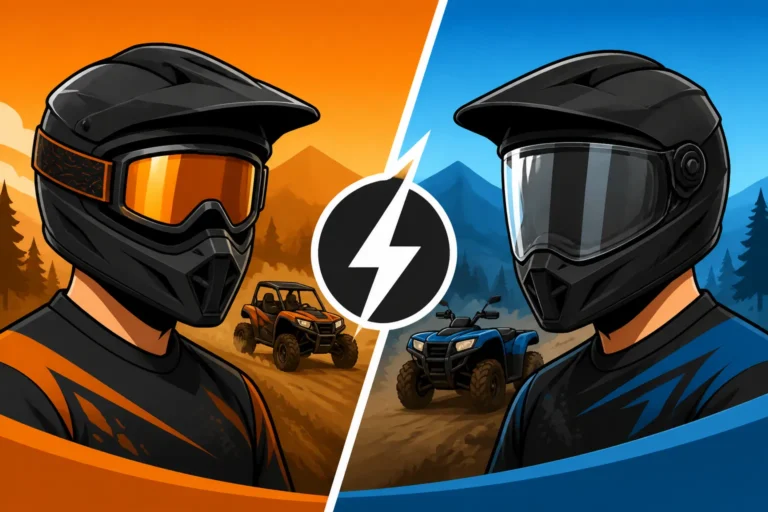
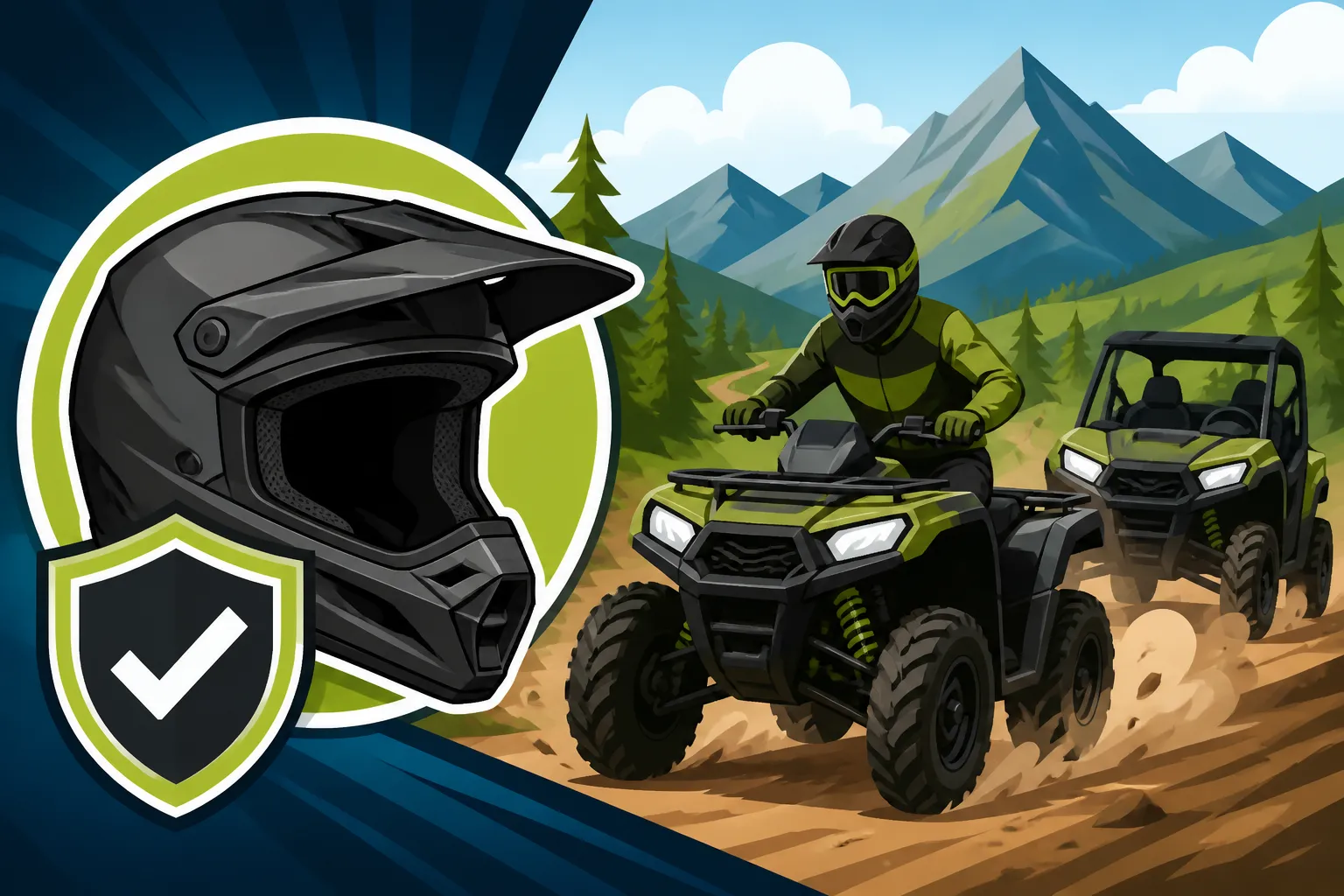
Traditionally, a "dirt bike" helmet, with its aggressive styling, prominent visor, and extended chin bar, has been the go-to for off-road enthusiasts. These helmets are designed with ventilation in mind, crucial for keeping cool during strenuous trail rides, and often prioritize a wide field of vision for navigating technical terrain. Many, but not all, dirt helmets are DOT certified. It's crucial to always check for the DOT sticker on the back of any helmet you consider, regardless of its style. Without that sticker, it's not legally compliant for road use in Idaho.
Street helmets, on the other hand, come in various forms like full-face, modular, and open-face. Full-face helmets offer the most comprehensive protection, completely enclosing your head and face. Modular helmets provide the flexibility of flipping up the chin bar, which can be nice for brief stops or communicating, but should always be fully closed while riding. Open-face helmets, while comfortable, offer less protection, particularly to the chin and jaw area. All reputable street helmets will be DOT certified, and often carry other certifications like Snell or ECE, which represent even higher safety standards.
The Rise of Dual-Sport Helmets
For many Idaho riders who blend trail riding with road sections, dual-sport helmets have become a popular compromise. These helmets essentially combine features of both dirt and street helmets. They have the aggressive look, extended visor, and good ventilation of a dirt helmet, but often come with a clear face shield that can be pulled down like a street helmet, offering better wind and debris protection on the road. Many dual-sport helmets also have improved sound insulation compared to a pure dirt helmet, which is a blessing on longer road stretches.
A good dual-sport helmet, like options you might consider from brands that often carry a wide array of powersports gear, will almost always be DOT certified. This makes them a fantastic "do-it-all" option for someone exploring the [Magruder Corridor and Idaho Backcountry] one minute and then cruising into a small town like Stanley for gas or lunch the next. Just remember, even with the versatility of a dual-sport, always confirm the DOT certification before you buy, and make sure any face shield or goggles meet [Eye Protection That Meets the Rules].
Table: Helmet Types and Idaho Riding Suitability
To help you visualize the trade-offs, here’s a quick overview:
| Helmet Type | Key Features | Typical DOT Status | Best For Idaho Riding Scenario | Pros | Cons |
|---|---|---|---|---|---|
| Dirt Helmet | Extended chin bar, prominent visor, max vent | Usually DOT | Dedicated trail riding, competitive racing, minimal road use | Excellent ventilation, lightweight, wide vision for trails, goggle-friendly | Less wind protection on roads, can be noisy, goggles needed |
| Full-Face Street | Full head & face coverage, integrated visor | Always DOT | Long road sections, touring, some open-trail riding | Max protection, wind/debris shield, quieter on roads, often comfortable | Can be hot/less ventilated on slow trails, heavier, more restricted vision |
| Modular Street | Chin bar flips up, integrated visor | Always DOT | Mixed road/trail, convenience for stops, communication | Versatile for short stops, good road protection, integrated shield | Heavier than full-face, less secure if chin bar is up, complex |
| Dual-Sport | Mix of dirt/street features, visor, face shield | Always DOT | Ideal for riders who blend extensive trail and county road riding in Idaho | Best of both worlds, good ventilation, road protection, versatile | Can be a bit heavier than pure dirt, visor can catch wind at speed |
| Open-Face | Exposed face/chin, usually visor or goggles | Always DOT | Casual cruising, low speeds, very limited trail or road use | Light, airy, wide field of vision, good for very hot weather | Least protection, especially for face and chin, noisy at speed |
Choosing and Maintaining Your DOT-Certified Helmet for Idaho Trails
Selecting the right helmet isn't a one-size-fits-all decision, and neither is keeping it in top condition for years of adventures across Idaho's diverse terrain. It’s an investment in your safety, and a properly chosen and maintained helmet will serve you well, whether you’re tackling steep climbs or cruising a gravel road.
Getting the Right Fit
This is perhaps the most crucial step. A DOT-certified helmet is only as effective as its fit. A helmet that's too loose can shift during an impact, compromising its protective capabilities. One that's too tight can be uncomfortable and distracting, leading to fatigue and reduced focus.
When trying on helmets, look for one that feels snug all around your head, with no pressure points. Your cheeks should feel a slight compression, and the helmet shouldn't wobble when you shake your head from side to side. If you push the chin bar up, it should move your scalp, not just slide up your face. Different brands and models have different internal shapes (round oval, intermediate oval, long oval), so try on several to find the one that best matches your head shape. Remember, the padding will compress slightly over time, so a new helmet should feel a little tight but not painful. It's truly a personal item, and rushing this decision can lead to regret later on a long ride through the [Idaho Panhandle Riding Around Coeur d'Alene].
Features to Look For Beyond DOT
While DOT certification is the baseline for safety and legality on Idaho roads, specific features can enhance your experience on the trails:
- Ventilation: Look for helmets with ample vents, especially if you ride in warmer weather or engage in physically demanding off-road riding. Good airflow helps prevent overheating and fogging.
- Weight: Lighter helmets reduce neck fatigue, which is a real consideration on long days exploring the [Danskin Mountains OHV Area Near Boise].
- Visor Design: A good peak visor helps block sun glare and deflect roost from other riders. For dual-sport helmets, ensure the face shield offers clear optics and is easily removable for cleaning or when you prefer to wear goggles.
- Goggle Compatibility: If you prefer goggles for dusty trail conditions, make sure the eyeport of the helmet is large enough to comfortably accommodate them. Many dirt and dual-sport helmets are designed with this in mind.
- Removable/Washable Liner: You’re going to sweat, and that liner will get dirty. Being able to remove and wash it makes a huge difference in hygiene and comfort.
- Impact Protection Systems: Some higher-end helmets incorporate advanced rotational impact protection systems. While not a DOT requirement, these can offer an extra layer of safety, especially for the types of impacts common in ATV and UTV rollovers or unexpected tumbles.
Caring for Your Helmet
Your helmet is a piece of safety equipment, not just an accessory. Proper care ensures it continues to protect you effectively.
- Cleaning: Use mild soap and water for the shell. Avoid harsh chemicals or solvents, which can damage the shell material or internal components. For the liner, follow the manufacturer's instructions; typically, gentle hand washing and air drying are best.
- Storage: Store your helmet in a cool, dry place, away from direct sunlight or extreme temperatures. Avoid hanging it by the chin strap or leaving it in a spot where it can fall. A helmet bag is a great investment for protection against scratches and dust.
- Inspection: Regularly inspect your helmet for any signs of damage—cracks in the shell, frayed straps, or compressed liner foam. If your helmet has sustained an impact, even if it looks fine on the outside, it might have internal damage. Most manufacturers recommend replacing a helmet after any significant crash, as well as every five to seven years, as materials can degrade over time. Never buy a used helmet, as you can't be sure of its history.
Remember, a helmet is a single-impact device. If it takes a hit, its ability to protect you in a subsequent crash is compromised. It’s a small price to pay for your safety, especially when you're adventuring in the remote and rugged beauty of Idaho's trails.
The Legal and Practicalities of Helmets on Idaho Roads and Trails
Navigating Idaho's rules for ATV and UTV use on public roads and trails requires more than just an OHV sticker; it demands an understanding of safety gear, especially helmets. It’s all about staying safe and legal, so your focus can remain on the incredible scenery and the joy of the ride, rather than worrying about a citation.
Who Needs a Helmet in Idaho?
Idaho law is quite specific about helmet use for OHV riders:
- Under 18: If you are under 18 years old, you must wear a DOT-compliant helmet when riding an ATV, UTV, or dirt bike on any public land, which includes designated trails, Forest Service roads, BLM land, and any county roads open to OHVs. This applies whether you are operating the machine or riding as a passenger. This is an absolute requirement, and deputies enforce it to keep young riders safe. For more specifics, check out [Idaho Helmet Law for Riders Over 18] and [Helmet Rules for a 17-Year-Old in Idaho].
- 18 and Over: If you are 18 or older, Idaho law does not mandate helmet use for OHV operation on public roads or trails, unless you are riding a motorcycle. However, this legal allowance does not diminish the safety benefits. Many experienced adult riders, especially those who ride machines with greater power or speed, choose to wear a helmet regardless. The potential for injury in an off-road crash is just as real for adults as it is for younger riders.
- Passengers: If a passenger is under 18, they must wear a DOT-compliant helmet. For adult passengers, the same rules apply as for adult operators. Seatbelts and roll cages are standard on many UTVs, but they don't offer the same head protection as a helmet in all types of incidents.
Penalties for Non-Compliance
Riding without a required DOT-compliant helmet can lead to more than just a stern warning. Law enforcement officers, whether from the Idaho Sheriff’s Department or Forest Service rangers, can issue citations for non-compliance. These fines vary, but they are certainly more expensive than the cost of a good helmet. More importantly, riding without proper head protection significantly increases your risk of serious injury or worse in the event of an accident. It's a risk that no scenic vista or adrenaline rush is worth. You can find more information about potential consequences in articles like [Idaho Fines for Illegal Road Riding].
Integrating Safety with Fun
The goal isn't to make riding feel like a chore; it's to ensure you can continue to enjoy Idaho's trails safely for years to come. Investing in a quality, DOT-certified helmet is a fundamental part of that. Think of it as essential gear, much like good tires or reliable brakes.
When you're planning a trip to a favorite riding area, say the [Idaho's Sawtooth National Forest Trails], and your route involves several miles of county road to connect trail segments, having that DOT sticker on your helmet means one less thing to worry about. You can focus on the trail, the views, and the camaraderie of your riding group. Plus, many helmets today, including options you might find from reputable powersports accessory retailers like SuperATV, are designed with advanced features that enhance comfort and reduce fatigue, making them feel less like a burden and more like an integral part of your riding experience. From innovative ventilation systems to comfortable moisture-wicking liners, modern helmets are a far cry from the bulky, uncomfortable models of decades past.
Ultimately, whether required by law or not, a DOT-certified helmet is your first line of defense against head injuries. In the unpredictable world of Idaho's off-road riding, where conditions can change in an instant, and unexpected obstacles can appear around any corner, that protection is invaluable.
Disclaimer
This article is for general informational purposes only and does not constitute professional advice. Laws, prices and regulations vary by location and change over time. Consult a qualified professional for guidance on your specific situation.