Winter Road Riding in Idaho
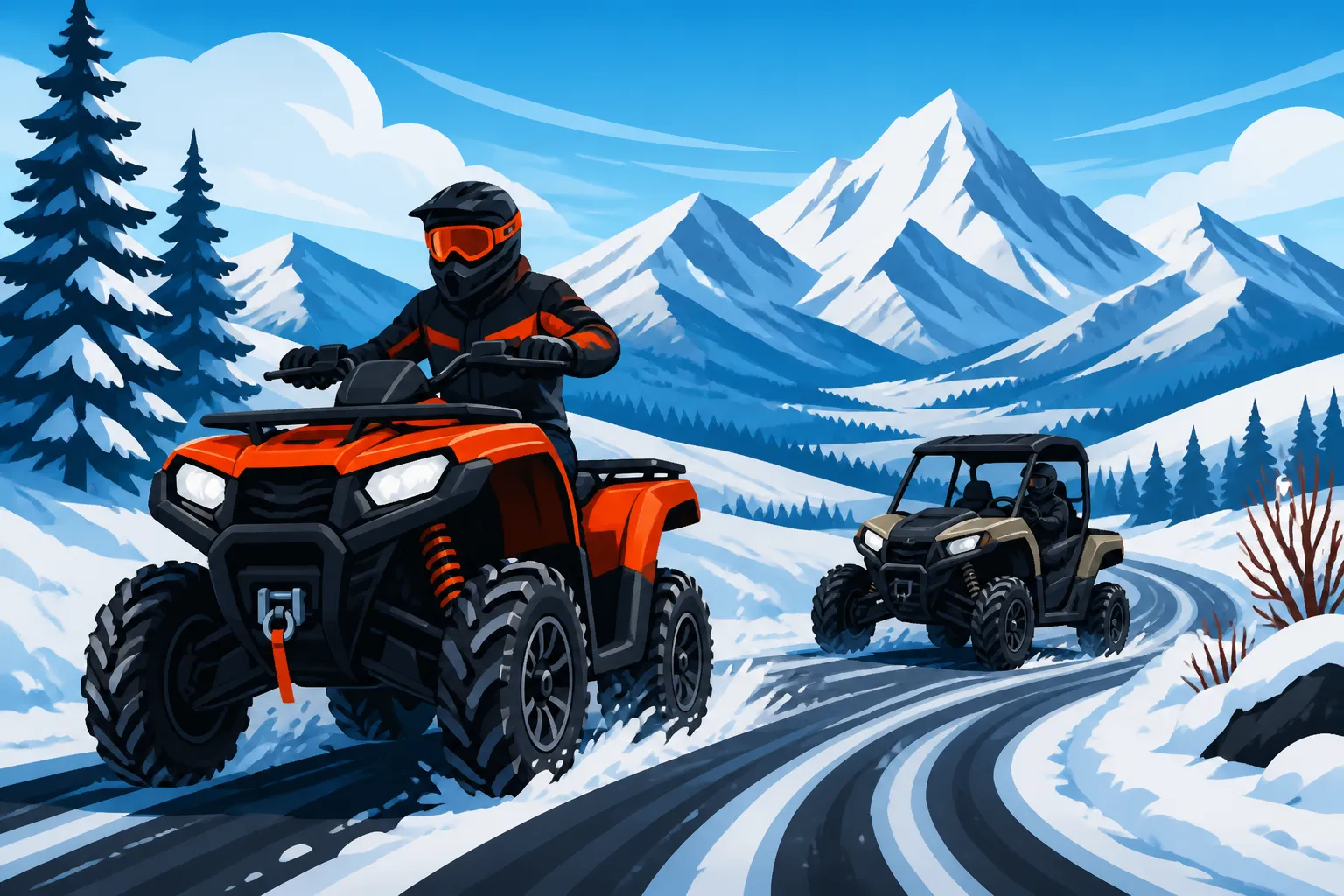
There's nothing quite like the crisp air and serene beauty of Idaho's backcountry roads dusted with snow, and the call of an ATV or side-by-side exploring those winter landscapes is strong for many. However, heading out onto public roads in the colder months presents a unique set of challenges and responsibilities, from unexpected ice patches to specific legal requirements and essential gear. This comprehensive guide will help you understand the nuances of safely and legally enjoying Idaho's roads when winter arrives.
Understanding Idaho's Winter Road Landscape for OHVs
When the snow starts to fly and temperatures drop across Idaho, the riding landscape transforms dramatically. While many higher-elevation trails close for the season, a surprising number of county and forest service roads can remain accessible and open to OHVs, offering a completely different kind of adventure. However, the accessibility doesn't mean the rules and conditions are the same as in summer. Riders need to be acutely aware of which roads are truly open, the impact of varying weather, and how to prepare for the unique demands of cold-weather travel.
Which County Roads Stay Open to OHVs in Winter?
This is where things can get a little tricky, and it's a common point of frustration for riders. While Idaho state law allows for OHVs on certain county roads, individual counties retain the authority to impose their own restrictions. What might be open in Boise County could be closed in Bonner County. In winter, these local ordinances can become even more complex, often tied to snow removal schedules, school bus routes, or even the sheer impracticality of maintaining certain remote roads. Many county roads that are passable in summer might become entirely snowed in, unplowed, or designated for snowmobile-only use once significant snow accumulates.
The best approach is always to check with the specific county's highway department or local sheriff's office for their current winter OHV policies and road conditions. Don't assume that because a gate isn't physically locked, the road is legally open to your machine, especially if it's blanketed in snow. Sometimes, what looks like a clear path is actually a maintained snowmobile trail, and mixing motorized uses can lead to fines or dangerous situations. Remember, even if the road is open, you still need to have your machine properly stickered and, if required for road use, your [Idaho Restricted Vehicle Plate Explained] displayed.
Seasonal Closures and Thaw Considerations
Beyond county-level decisions, many Forest Service and BLM roads have seasonal closures that go into effect well before the first snowflake. These closures protect wildlife, prevent road damage during wet periods, and ensure safety. While some roads might reopen for specific uses like snowmobiling, others remain closed to all motorized traffic until late spring or early summer. Even on roads that are technically open, spring thaw can create incredibly muddy, rutted, and impassable conditions that are not only damaging to the road but also dangerous for riders. The ground freezes deeply in winter, and when it starts to melt, the saturated soil beneath can quickly turn a gravel road into a bog.
Understanding the "shoulder seasons" – late fall and early spring – is just as important as knowing full winter conditions. A road that's clear in November might be under several feet of snow by December, only to become a muddy mess in March. Always consult Motor Vehicle Use Maps (MVUMs) for national forests and BLM land, which often detail seasonal closures. These maps are the ultimate authority for federal lands and provide specific dates for when roads are open or closed to particular types of vehicles. Failing to check these resources can lead to trespassing citations and resource damage.
The Allure and Risks of Winter Riding on Public Roads
Riding Idaho's back roads in winter offers an unparalleled sense of solitude and beauty. The silence of snow-covered forests, the crisp air, and the unique challenges of navigating icy patches or packed snow can be incredibly rewarding. It’s a chance to see familiar landscapes in a completely new light, often with wildlife more visible against the white backdrop. The satisfaction of successfully navigating a challenging snowy road is a feeling many winter enthusiasts chase.
However, these rewards come with inherent risks that demand a higher level of preparedness and caution than a summer ride. Visibility can be drastically reduced by snowfall, fog, or simply the shorter daylight hours. Temperatures can plummet unexpectedly, leading to hypothermia risks if your machine breaks down. Traction is always a concern, with hidden patches of black ice or deep snowdrifts catching riders off guard. Furthermore, winter often means fewer other people around, making self-sufficiency and emergency preparedness paramount. A minor breakdown in July is an inconvenience; a minor breakdown in January can quickly become a life-threatening situation if you're not equipped.
Essential Gear and Machine Preparations for Cold Weather Riding
Riding through an Idaho winter demands much more than just throwing on an extra jacket. Both you and your machine need specific preparations to handle the cold, ice, and snow. Skimping on these can quickly turn a scenic outing into a miserable or even dangerous ordeal. Think of it not just as comfort, but as an essential safety measure.
Tire Choices and Traction Solutions for Snow and Ice
Standard all-terrain tires designed for dirt and rocks often struggle significantly on snow and ice. For serious winter road riding, specialized tires are a game-changer, if not an absolute necessity. Snow-specific tires for ATVs and UTVs have deeper, wider lugs and a softer rubber compound that remains pliable in cold temperatures, offering much better grip than their all-season counterparts.
Beyond tread design, traction aids are crucial. Studded tires are often the best choice for mixed conditions involving ice and packed snow. The metal studs bite into slick surfaces, providing a surprising amount of grip that can prevent dangerous slides. You can often purchase tires pre-studded or add studs to appropriate tires yourself. Always check local regulations regarding [Studded Tires for Frozen Two-Track] use on roads, as rules can vary. Tire chains are another option for extreme snow, especially on larger side-by-sides, providing excellent traction but limiting speed and potentially damaging road surfaces if not used correctly. Some riders even opt for track systems, which replace wheels entirely with tank-like tracks, transforming a UTV into an incredibly capable snow machine. Companies like SuperATV offer robust track systems that can conquer deep snow and icy conditions where tires simply won't cut it. However, track systems have their own considerations for road use, which we'll discuss later.
Machine Maintenance for Freezing Temperatures
Cold weather puts extra strain on your machine, so a thorough pre-winter inspection is non-negotiable. Start with your battery; cold temperatures drastically reduce battery capacity, making it harder to start. Ensure your battery is fully charged and consider a cold-weather-rated battery if you plan extensive winter riding. Antifreeze levels in liquid-cooled machines should be checked and topped off, ensuring it's rated for the lowest expected temperatures. Engine oil also needs attention; consider switching to a lighter-weight synthetic oil designed for cold weather, as it flows better at startup.
Beyond fluids, inspect all hoses and belts for cracks or wear, as cold can make rubber brittle. Ensure your lights are fully functional, as daylight hours are short in winter, and visibility is paramount. It’s also wise to carry a small emergency kit with tools, spare spark plugs, and a tow strap. A small, portable jump starter can be a literal lifesaver if your battery gives up miles from anywhere. Keep your fuel tank as full as possible to prevent condensation from forming and freezing in the fuel lines. A little fuel system de-icer can also be a good preventative measure.
Rider Comfort and Safety in the Cold
Your personal gear is just as vital as your machine's setup. Layering is the golden rule of cold-weather dressing. Start with a moisture-wicking base layer, add insulating layers like fleece or down, and top it with a waterproof, windproof outer shell. Hand and foot protection are critical; heated grips and heated gloves or mitts can make a massive difference in keeping your hands functional and warm. Waterproof, insulated boots are a must to prevent frostbite. Don't forget proper head and neck protection, like a balaclava or neck gaiter, especially under your helmet. [Idaho Helmet Rules for Riders Under 18] require helmets for younger riders, but they are a smart choice for all ages in cold weather to protect against the elements.
Visibility is also key for rider safety. Brightly colored outerwear makes you more noticeable to other road users, including snowmobiles or plows. A high-quality, fog-resistant helmet visor or anti-fog inserts are essential, as cold breath can quickly obscure your vision. Carrying emergency supplies like extra warm clothes, high-energy snacks, a thermos with a hot drink, a first-aid kit, and a way to signal for help (like a satellite messenger, as cell service is often nonexistent in Idaho's backcountry) should always be part of your winter packing list.
Legal Requirements for Winter Road Riding in Idaho
Riding off-highway vehicles on Idaho's public roads always comes with legal stipulations, but winter weather adds another layer of considerations. These aren't just suggestions; they are laws designed for safety and to ensure all road users can coexist, even in challenging conditions. Ignorance of these rules will not protect you from a citation or, worse, an accident.
Plate and Sticker Requirements in Snowy Conditions
Just like any other time of year, if you're riding an OHV on Idaho's public roads, it absolutely must be properly registered and stickered. This means you need a valid [Idaho Restricted Vehicle Plate Explained] if you're on roads generally open to other vehicle traffic, or an [Idaho OHV Sticker Cost This Year] displayed, which is required for access to designated OHV trails and many Forest Service roads. Don't think that because there's snow on the ground, enforcement somehow relaxes. Sheriffs and Idaho Parks and Recreation (IDPR) officers still patrol, even in winter.
Make sure your plate and sticker are clearly visible and free of snow and ice. A plate obscured by slush or a sticker peeling off due to cold weather can still earn you a ticket. If you're running a tracked machine, the same rules apply; the registration is for the vehicle, not just its wheel configuration. Many riders find that mounting their restricted plate higher on their UTV, perhaps on the roll cage, helps keep it out of the direct path of snow and mud thrown up by the tracks.
Lighting and Visibility Rules for Short Winter Days
Idaho's winter days are short, and dusk descends quickly, often bringing with it reduced visibility due to cloud cover, fog, or falling snow. This makes proper lighting not just a convenience, but a critical safety requirement. Your OHV must be equipped with working headlights, taillights, and brake lights. Headlights must be on when riding on public roads, especially after sunset or during periods of low visibility. Remember the rules for [Headlight Rules After Sunset].
Consider upgrading your machine's lighting system if you plan on extensive winter riding. Aftermarket LED light bars can dramatically improve forward visibility, helping you spot hazards like snowdrifts, icy patches, or even wildlife that might be harder to see in the dim winter light. Many riders also add amber or white auxiliary lights for improved peripheral vision. Reflective tape on your machine, helmet, and clothing can significantly increase your visibility to other vehicles, especially important on roads where you might encounter larger trucks or plows.
Special Considerations for Road Use with Tracked Machines
Tracked OHVs are incredibly capable in deep snow, transforming your side-by-side or ATV into a winter beast. However, using them on roads, especially paved ones, comes with specific rules and practicalities. While tracks provide unparalleled flotation and traction in fresh powder, they can be much less stable and harder to control on hard-packed snow or ice. They also limit your top speed significantly compared to wheels.
Legally, if your tracked machine is otherwise compliant for road use (properly plated, insured, etc.), it can generally be operated on the same county roads open to wheeled OHVs. However, you'll need to be extra cautious. Track systems can also be harder on paved surfaces, and some local jurisdictions might have specific ordinances regarding their use, though these are less common for designated OHV routes. Most importantly, be acutely aware of how tracked machines handle on varying surfaces; the grip you have in deep snow will be very different from the grip you have on an exposed patch of frozen asphalt or black ice. Always practice first in a safe, open area to get a feel for the unique dynamics of tracks on different winter road conditions.
Navigating Hazards and Sharing the Road in Winter
Idaho's winter roads, while beautiful, are full of potential dangers that demand heightened awareness and specific defensive riding techniques. Beyond simply following the rules, understanding the unique hazards and how to safely interact with other road users is key to a successful winter ride.
Recognizing and Avoiding Black Ice and Snow Drifts
Black ice is arguably the most insidious winter road hazard. It's a thin, nearly invisible layer of ice that forms on pavement, often where moisture has frozen. It's especially common in shaded areas, on bridges, and in dips where water tends to collect. The danger lies in its invisibility; it looks like wet pavement, but offers virtually no traction. Always assume that shaded areas and bridges could harbor black ice, and reduce your speed accordingly. Avoid sudden braking, accelerating, or steering changes when you suspect its presence. If you do hit black ice, try to remain calm, keep your steering wheel straight, and gently ease off the throttle.
Snowdrifts, while more visible, can be equally dangerous. Even a seemingly clear road can have sudden, deep drifts that can throw your machine off course, high-center it, or conceal hazards beneath. When approaching a drift, assess its depth and texture. If it's too deep or unknown, it might be better to turn around than risk getting stuck or damaging your machine. Watch for wind patterns, as they often indicate where drifts are likely to form and reform quickly, even on roads that have been recently plowed.
Sharing Winter Roads with Plows, Log Trucks, and Skiiers
You won't be the only one on Idaho's winter roads. Plow trucks are the unsung heroes of winter travel, but they demand respect and caution. They are large, slow-moving, and often operate with limited visibility. Give them a wide berth, and never try to pass a plow on the right. When a plow is approaching, move over as far as safely possible and be aware of the large plume of snow and ice they can throw. Log trucks continue to run year-round in many parts of Idaho, particularly in the northern regions. These are heavy, powerful vehicles that need a lot of space to stop and maneuver, especially on icy or snowy roads. They often travel at speed, and their drivers may not be expecting an OHV on a remote back road. Always yield to larger vehicles, and use pull-outs if you need to let them pass.
Furthermore, winter brings out cross-country skiers, snowshoers, and even fat-tire cyclists who might be using the same forest roads you are. These non-motorized users are often quiet and can be easily overlooked. Reduce your speed, be prepared to stop, and give them plenty of room, especially on blind corners. The shared-use aspect of Idaho's public lands means being considerate and safe with everyone enjoying the winter landscape.
Emergency Preparedness for Remote Winter Rides
Getting stranded in the Idaho backcountry during winter is a serious situation, and robust emergency preparedness is non-negotiable. Beyond the gear mentioned earlier, pack a shovel for digging out snow, a tow rope or recovery strap (and know how to use it safely with your machine and another vehicle, if you're riding with a buddy), and a full tank of gas (or extra fuel in an approved container). A winch on your machine, like those available from SuperATV, can be a lifesaver for self-recovery or assisting a riding partner.
Crucially, always let someone know your planned route and estimated return time. If riding alone, carry a personal locator beacon (PLB) or a satellite communication device like a Garmin InReach. Cell phone service is unreliable or nonexistent in vast areas of Idaho's mountains. A warm sleeping bag or emergency bivy sack, fire starting materials, and a means to melt snow for water are also wise additions. Even a minor mechanical issue can turn into an overnight survival situation if you're unprepared for the cold. Remember, when you're far from pavement, help can be hours or even a full day away.
Planning Your Idaho Winter Road Ride
A successful and enjoyable winter road ride in Idaho starts long before you ever turn the key. Thorough planning helps mitigate risks, ensures you stay within legal boundaries, and maximizes your enjoyment of the unique winter landscape. Don't leave your trip to chance; a little homework goes a long way.
Checking Road Conditions and Weather Forecasts
This is perhaps the single most critical step for any winter ride. Road conditions in Idaho can change dramatically in a matter of hours, especially in the mountains. Always check multiple sources:
- Idaho Transportation Department (ITD) 511: While primarily for highways, it often gives an indication of general weather patterns and major pass conditions.
- National Weather Service (NWS): Look for forecasts specific to the elevation and geographic area you plan to ride. Pay attention to wind chill, snowfall predictions, and freezing rain advisories.
- Forest Service or BLM Websites/Offices: These are invaluable for current conditions on federal roads and trails. They often post notices about [Snow-Covered Forest Roads in Spring] or seasonal closures. A quick phone call can often clarify specific road statuses.
- Local Sheriff's Office or County Highway Department: As mentioned earlier, they are the best source for county road specifics.
- Webcams: Many mountain passes and popular recreation areas have webcams that can give you a real-time visual of snow depth and road conditions.
Remember that even a sunny forecast can hide dangerous conditions like black ice, especially early in the morning or in shaded canyons. Always err on the side of caution.
Route Planning and Fuel Stops in Winter
Winter route planning is different from summer. Roads you're familiar with might be impassable, unplowed, or much slower going. Use updated maps, ideally a GPS unit with pre-loaded routes or apps like onX Offroad, and cross-reference them with MVUMs. Consider shorter loops or out-and-back rides, as conditions can deteriorate rapidly, making a full day's planned loop suddenly unrealistic.
Fuel is another major consideration. Many small gas stations in remote towns might have reduced winter hours or even be closed for the season. Always start with a full tank and carry extra fuel if your route is long or takes you far from services. Plan your stops carefully. A good strategy is to choose a destination or a turnaround point that allows for extra fuel capacity. For instance, if riding near a town like Stanley, know which gas stations are reliably open year-round. Thinking about fuel availability is crucial when you are riding [Riding Through McCall, Stanley and Salmon] in the winter.
Where to Find Open Roads and Trail-Friendly Towns
Finding reliably open winter OHV roads requires a bit of research, but there are areas known for being more accommodating. Lower elevation county roads or designated winter OHV areas (which are less common for general road riding and more for snowmobiling) are good starting points. Some communities actively welcome OHV riders year-round, recognizing the economic benefit. Towns like [OHV Access on Stanley Streets] or [Riding an OHV Into Downtown McCall] might have specific rules for OHVs on town streets but can serve as excellent base camps for exploring surrounding county or Forest Service roads that remain open.
Look for areas with established snowmobile trail networks that often share segments of plowed roads or have nearby county roads that are also OHV-friendly. It's a matter of connecting the dots and doing your due diligence with local authorities. The best way to discover reliable winter routes is often through local OHV clubs, who maintain strong relationships with land managers and often have the most up-to-date information on seasonal access and conditions. They're also a great resource for learning about [Checking Snowpack Before a Mountain Trip] and avoiding unexpected closures.
Disclaimer
This article is for general informational purposes only and does not constitute professional advice. Laws, prices and regulations vary by location and change over time. Consult a qualified professional for guidance on your specific situation.