Sheriff Enforcement on Idaho Back Roads
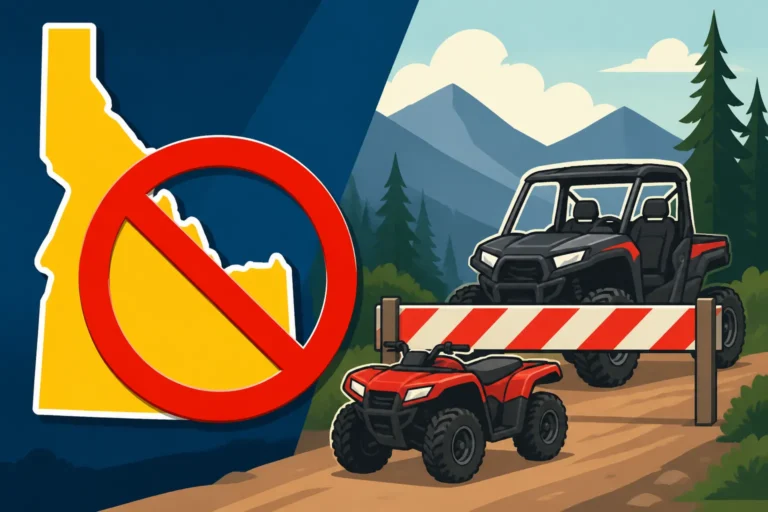
Many riders, especially those new to exploring Idaho's vast and wild landscape, often wonder if anyone is truly out there on those remote back roads, far from the paved highways and populated towns. The truth is, while it might feel like you're miles from anywhere, Idaho's sheriffs and other law enforcement agencies absolutely patrol these remote areas. This guide will help you understand why they're out there, what they're looking for, and how to ensure your off-highway vehicle (OHV) adventures stay fun, safe, and legal.
The Reality of Sheriff Presence on Idaho Back Roads
It’s easy to feel a sense of absolute freedom when you're deep in the Boise National Forest or exploring the vast Owyhee Desert, but that feeling doesn't mean you're beyond the reach of the law. Idaho's back roads, forest service roads, and BLM routes are public lands, and with that public access comes responsibility and, yes, enforcement. Deputies are often present, even when you least expect it, ensuring that everyone can safely enjoy these incredible natural resources.
Why Deputies Patrol Remote Areas
Sheriff's deputies and other law enforcement agencies patrol Idaho's remote back roads for a myriad of reasons, not just to catch speeders. Think about it: these vast tracts of public land, while beautiful, can also be targets for various illicit activities. Property crime, like thefts from remote cabins or vehicles left at trailheads, is a real concern. Illegal dumping and littering plague some scenic spots, necessitating patrols to catch those spoiling the environment. Furthermore, hunting and fishing seasons bring a surge of activity, and with it, the potential for violations, which game wardens and deputies collaborate to address.
Beyond these specific infractions, public safety is always paramount. Deputies are often the first responders to accidents on remote trails, lost hikers or riders, or medical emergencies far from an ambulance. They conduct welfare checks, assist in search and rescue operations, and generally maintain order in areas that can otherwise feel isolated and lawless. The presence of law enforcement also acts as a deterrent, helping to keep everyone honest and ensuring that the wild lands remain accessible and enjoyable for all responsible users. So, while you might not see a patrol car every mile, knowing they could be out there serves a vital purpose for the community and the environment.
How Patrols Are Conducted
Patrols on Idaho's back roads aren't always what you might envision from city streets. Instead of constant, highly visible loops, these operations are often more strategic and adapted to the terrain. Deputies might conduct routine patrols, driving known routes or checking popular staging areas, especially on weekends or during peak recreation seasons. They often coordinate with other agencies, like the Forest Service or BLM, to target specific problem areas or respond to community complaints. For instance, if a particular area has seen an increase in illegal camping or excessive noise, deputies might focus their efforts there.
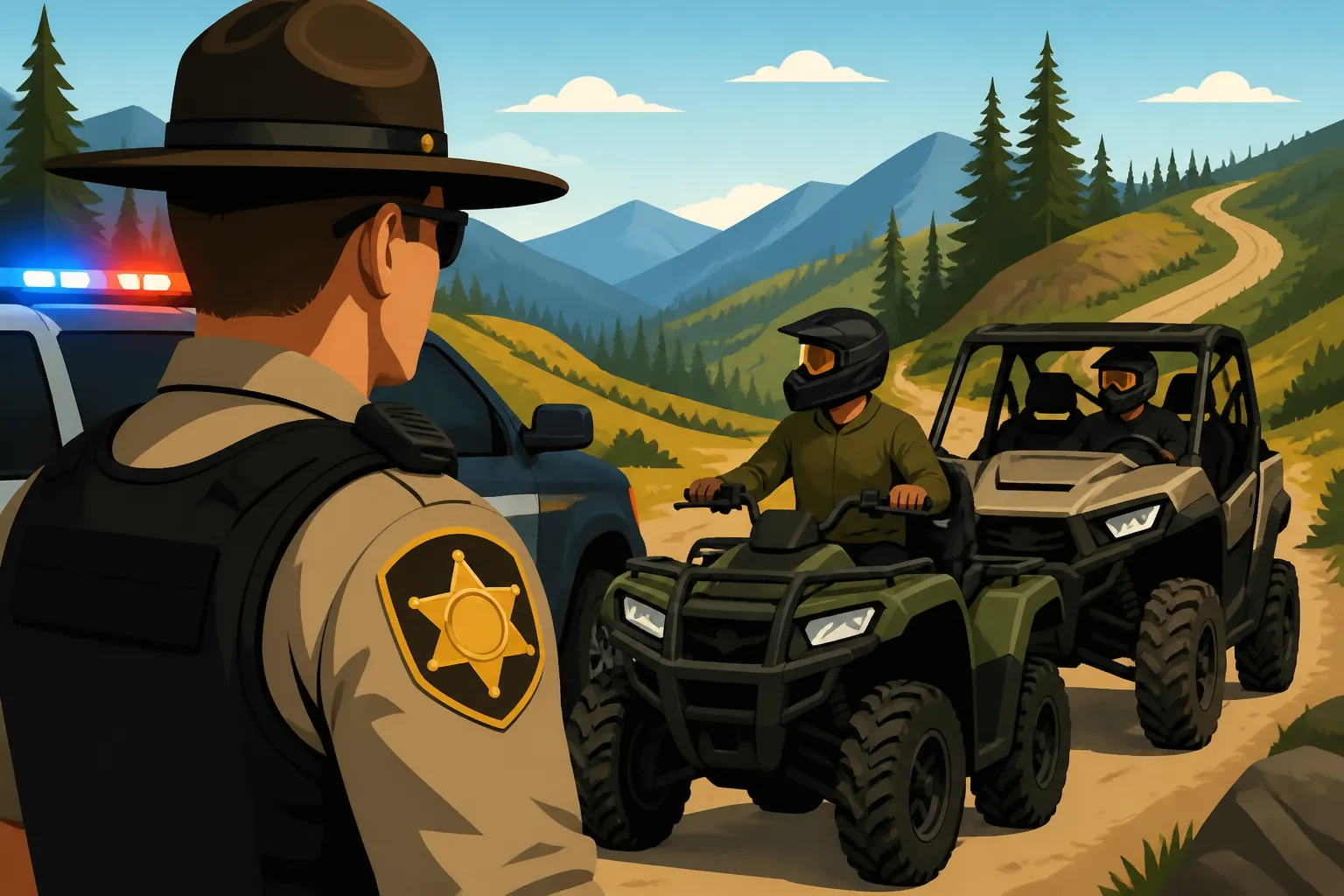
These patrols aren't limited to standard police cruisers either. Given the rugged nature of Idaho's backcountry, deputies frequently utilize vehicles better suited for off-road travel. This could mean marked four-wheel-drive trucks, or in some cases, deputies might even be on ATVs or UTVs themselves, allowing them to access trails and areas that a conventional patrol vehicle simply couldn't reach. Some agencies even employ horseback patrols in certain wilderness interface areas. The methods are diverse, but the goal remains the same: to have a presence, respond to incidents, and ensure compliance with state and local regulations, even miles down a dusty gravel road.
Common Violations Deputies Look For
When a sheriff's deputy spots an OHV on a back road, they're not just idly curious. They're quickly assessing several key elements to ensure the rider and machine are operating legally and safely. Ignoring these fundamental requirements is often what leads to an unexpected stop and a potential citation, disrupting an otherwise perfect day of riding.
Registration and Licensing Infractions
One of the most immediate things a deputy will check for is proper registration. This is crucial for riding on public lands and, especially, on county roads where OHVs are permitted. Every OHV in Idaho, whether it's a quad, side-by-side, or dirt bike, needs an [Idaho OHV Sticker] if you're riding on public land. This sticker needs to be current and displayed correctly. An expired sticker, or worse, no sticker at all, is a quick way to get pulled over.
If you're riding on a county road, the rules become even more stringent. Your machine will likely need an [Idaho Restricted Vehicle Plate], commonly known as an "R" plate. This plate signifies your machine meets certain requirements to be operated on designated county roads. Deputies will check for its proper display – it can't be tucked away or obscured. Furthermore, for any road riding, the operator typically needs a valid driver's license, just as if they were driving a car. Operating an OHV on a county road without the appropriate license or registration is a definite red flag for law enforcement and can lead to fines and other penalties.
Equipment and Safety Violations
Beyond registration, deputies are also keen on ensuring your OHV is equipped for safe operation and meets Idaho's specific requirements, particularly if you're venturing onto roads or shared public routes. This isn't just about compliance; it's about preventing accidents and protecting everyone on the trails and roads. Critical items include proper lighting – headlights, taillights, and brake lights are not just for night riding; they're often required during the day on roads. Mirrors are essential for situational awareness, and a functional horn is a must for alerting others.
Noise is another big one. All OHVs on public lands are required to have a spark arrester to prevent wildfires, and an effective muffler to keep noise levels within acceptable limits. Aftermarket exhausts from companies like SuperATV can offer performance benefits, but riders need to ensure any modifications still comply with Idaho's sound and spark arrester laws. A machine that's excessively loud or belching sparks is a sure way to draw attention. Helmet laws for riders under 18 are strictly enforced, and even for adults, wearing a helmet is highly recommended. Deputies will also observe if occupants are utilizing seatbelts or other safety restraints, especially in side-by-sides, as these are designed as crucial safety features.
Operational Violations
Once a deputy has ascertained that your machine is properly registered and equipped, their focus will shift to how you're riding. Operational violations are a significant concern on Idaho's back roads, as they directly impact public safety and the condition of the trails. Speeding is a common issue; even on gravel roads, posted speed limits or common-sense limits apply, especially around blind corners, campgrounds, or residential areas. Reckless operation, such as spinning donuts, excessive dust, or riding in a manner that endangers others, will quickly grab an officer's attention.
Perhaps one of the most serious operational violations is riding under the influence. Idaho has strict [Idaho Alcohol Limits for OHV Operators], mirroring those for passenger vehicles. Deputies are trained to spot signs of impaired riding, and a DUI on an OHV carries severe consequences. Another major concern is unauthorized trail use. Many areas have designated trails for OHVs, and venturing off these marked routes can lead to significant environmental damage and trespass violations. [Idaho Trespass Law for Riders] is clear: stay on designated routes and respect private property boundaries. Riding on closed trails, in wilderness areas, or on private land without permission are all offenses that deputies actively patrol for and can result in substantial fines and even impoundment of your machine.
What to Expect During an OHV Stop
Getting pulled over, especially in a remote area, can be a little unsettling. However, knowing what to expect and how to respond can make the process smoother for everyone involved. Deputies are typically professional and focused on safety and compliance, and your cooperation goes a long way.
The Initial Approach and Officer Demeanor
If a sheriff's deputy decides to stop you, it will usually be signaled by flashing lights, a siren, or clear hand gestures, much like a regular traffic stop. Even on a dusty trail, they have ways to get your attention. When you realize you're being stopped, the most important thing is to pull over to a safe spot as quickly as possible, away from blind corners or heavy traffic. Turn off your engine and, if in a side-by-side, keep your hands visible on the steering wheel. If on a quad or dirt bike, place your hands on the handlebars. Removing your helmet and sunglasses can help the deputy see your face clearly and demonstrates a willingness to cooperate.
Deputies are trained to approach with caution, especially in remote settings where they might be alone. Their demeanor will typically be firm but polite, focusing on the reason for the stop and ensuring everyone's safety. They might ask a few initial questions about your destination or if you know why you were stopped. Remaining calm, courteous, and respectful is crucial. Arguing or being uncooperative can escalate the situation unnecessarily, potentially leading to additional citations or a longer stop. Remember, their primary concern is to verify your compliance and ensure the safety of everyone on public lands.
Documents a Deputy Will Ask For
Just like driving a car on a paved road, when you're operating an OHV, especially on a county road or designated route, there are certain documents you should always have readily available. A deputy making a stop will undoubtedly ask for these, and having them organized and accessible will make the process much quicker. First and foremost, they'll want to see your valid driver's license if you're operating on a road where one is required. This confirms you have the legal privilege to operate a motor vehicle.
Next, expect to present proof of ownership, often in the form of your machine's [Proof of Ownership for an Idaho OHV Title] or current registration. This verifies the machine belongs to you and isn't stolen. They'll also check your current [Idaho OHV Sticker] or restricted vehicle plate to ensure it's valid and properly displayed. Finally, if you're riding on a public road, proof of liability insurance is usually required. Many riders keep these documents in a waterproof pouch on their machine, or at least a digital copy on their phone, although a physical copy is always preferable in case of no cell service. The fewer obstacles you present to the deputy in verifying your information, the smoother the interaction will be. This is exactly [What an Idaho Deputy Asks a Rider For] during a stop.
Vehicle Inspection and Questions
After checking your documents, a deputy might conduct a brief visual inspection of your OHV. This isn't usually an exhaustive mechanical check, but rather a quick verification of key safety and compliance items. They'll likely look for basic safety features: ensuring your tires are in good condition, checking that your headlights, taillights, and brake lights are functional, and that a spark arrester is present on your exhaust. They will also verify the Vehicle Identification Number (VIN) on your machine against your paperwork to confirm it matches. This is a standard procedure to deter theft and ensure the correct machine is being operated.
During this inspection, the deputy might ask you a few questions. These commonly include inquiries about where you're headed, what route you're taking, and if you're aware of any specific rules or closures in the area. They might also ask about any aftermarket modifications you've made. For instance, if you've installed a lift kit or upgraded tires from a company like SuperATV, the deputy might inquire if these modifications meet legal height or width restrictions for the trails you plan to ride. It's always best to answer truthfully and politely. Remember, their goal is to ensure you're riding safely and legally, and a brief inspection and a few questions are part of that due diligence to protect both riders and the environment.
Penalties and Consequences of OHV Violations
Nobody wants to face fines or other penalties after a fun day of riding, but ignorance of the law is rarely an excuse. Understanding the potential repercussions of various OHV violations in Idaho can help reinforce the importance of riding responsibly and legally. The consequences can range from a minor inconvenience to serious legal trouble and financial strain.
Understanding Fines and Citations
If a deputy determines you've committed an OHV violation, the most common outcome is a citation, which is essentially a ticket. These citations come with associated fines, and the amount can vary significantly based on the severity and type of infraction. Minor violations, such as an expired sticker or an improperly displayed plate, might result in a relatively small fine. However, more serious offenses like speeding, reckless operation, or operating an unregistered machine on a county road can carry much steeper penalties.
[Idaho OHV Ticket Costs by Violation] will differ, but they are designed to be a deterrent. For instance, riding on a closed trail might not only incur a fine but also potentially lead to charges for resource damage, which can be significantly more expensive. The citation will usually detail the specific violation, the fine amount, and instructions on how to pay it or how to contest it in court. It's important to read the citation carefully and understand your options. Ignoring a citation can lead to further penalties, including increased fines, court summons, or even a warrant for your arrest if left unaddressed.
Machine Impoundment and Other Repercussions
While fines are the most common consequence, some OHV violations can lead to far more severe outcomes, including the impoundment of your machine. This is a serious repercussion that can be costly and incredibly inconvenient. Scenarios that might trigger an impoundment often involve significant safety risks or illegal activity. For example, if you are cited for operating your OHV under the influence ([Idaho Alcohol Limits for OHV Operators]), deputies have the authority to impound your machine to prevent you from continuing to ride while impaired. Similarly, if your machine has no valid title or registration and there are questions about its ownership or legality, impoundment might occur.
Beyond impoundment, other repercussions can impact your future riding privileges and finances. Repeated violations could lead to a temporary or permanent suspension of your ability to operate an OHV on public lands. Your insurance premiums could increase, or your policy might even be canceled if you have a history of serious operational violations or accidents. In cases involving significant property damage or injury, civil lawsuits could follow, adding a layer of legal and financial stress. The goal of these escalating penalties is to ensure that riders understand the importance of adherence to the law and responsible operation, protecting both themselves and the environment.
Court Process and Appealing a Ticket
If you receive an OHV citation in Idaho and believe it was issued in error, or if you wish to contest the charges, you have the right to appeal it in court. This typically involves appearing before a judge in the county where the citation was issued. The court process usually begins with an arraignment, where you formally enter a plea of "guilty," "not guilty," or "no contest." If you plead not guilty, a trial date will be set. At trial, you'll have the opportunity to present your side of the story, offer evidence, and call witnesses, just as the deputy who issued the citation will do.
Appealing an OHV ticket can be a complex process, and it's essential to be prepared. Understanding the specific law you are accused of violating, gathering any documentation or photos that support your case, and presenting yourself professionally in court are all critical. For more serious offenses, or if you're unfamiliar with court procedures, it's often advisable to seek legal counsel. An attorney experienced in traffic or misdemeanor cases can help navigate the legal system, explain your rights, and represent your interests effectively. While it might seem like a lot of hassle for an OHV ticket, properly addressing the citation, whether by paying it or successfully appealing it, ensures you resolve the issue and avoid further legal complications.
Staying Compliant and Riding Responsibly
Responsible OHV riding in Idaho is about more than just avoiding tickets; it's about preserving access to incredible public lands, ensuring safety for all users, and protecting the environment for future generations. A proactive approach to compliance and safety will not only keep you out of trouble but also enhance your entire riding experience.
Pre-Ride Checks and Planning
Before you even load up your machine and head to the trailhead, a thorough pre-ride check is essential. This isn't just a suggestion; it's a critical safety measure that can prevent breakdowns in remote areas and ensure you meet all legal requirements. Check your tires for proper inflation and wear, inspect your brakes, ensure all your lights (headlights, taillights, brake lights) are working, and test your horn. Verify your spark arrester is clean and functional, and your muffler isn't excessively loud.
Beyond the machine itself, effective trip planning is paramount. Always check the current conditions and regulations for the area you intend to ride. This includes knowing [Idaho Trails Open in May] or if any fire closures are in effect. Obtain a Motor Vehicle Use Map (MVUM) for Forest Service lands or consult BLM maps to ensure you're riding on designated routes and not trespassing or entering restricted areas. Companies like SuperATV provide a wide range of aftermarket accessories that can enhance your machine's capabilities and safety, but always confirm that any new parts comply with Idaho's specific laws regarding vehicle width, height, and noise. Being prepared means you can focus on the adventure, not on potential problems.
Knowing the Rules for Road Riding
Idaho offers incredible opportunities to ride your OHV from trail to town or connect various trail systems via county roads, but this freedom comes with very specific rules. It's crucial to understand these distinctions because the requirements for [Riding an ATV on the Road in Idaho] are different from those for strictly off-road trail use. For road riding, your machine will almost certainly need to be equipped with mirrors, a horn, working headlights and taillights, and often turn signals. More importantly, you'll need an Idaho Restricted Vehicle Plate, which indicates your machine is road-legal for designated routes.
Furthermore, the operator must have a valid driver's license. This isn't just for paved roads; it applies to any public road where OHVs are permitted. Always know which specific county roads or sections of roads are open to OHV traffic. Not all roads are. Many counties have specific ordinances, and state highways are generally off-limits except for direct crossings. Understanding [Idaho Rules on Forest Service Roads] and [Idaho Rules on BLM Roads] is also vital, as these often have different regulations regarding speed, right-of-way, and specific vehicle requirements than typical county roads. The responsibility falls on the rider to know and follow these rules to avoid citations and ensure safe coexistence with other vehicles.
Becoming Part of the Solution
Beyond simply following the rules to avoid a ticket, responsible OHV riders have a vital role to play in ensuring the long-term sustainability and access to Idaho's incredible trail systems. Being part of the solution means actively promoting good riding etiquette and becoming an advocate for the sport. Always practice Tread Lightly! principles, staying on designated trails, packing out everything you pack in, and respecting wildlife and private property.
Consider joining a local OHV club. These clubs are often at the forefront of trail maintenance, working with land management agencies to keep trails open and in good condition. They organize volunteer work parties, educate riders, and advocate for OHV access. If you witness illegal activity, such as littering, destructive riding, or trespassing, report it to the appropriate authorities. By being a vigilant and responsible user, you contribute to a positive public perception of OHV recreation. Ultimately, the future of riding on Idaho's back roads depends on all of us taking ownership of our impact and upholding the values of responsible outdoor recreation.
Common OHV Violations & Consequences in Idaho
Here's a quick overview of some common OHV violations in Idaho and their potential repercussions. Remember, specific fines and actions can vary based on the county, severity, and discretion of the enforcing officer.
| Violation Type | Specific Examples | Potential Consequences |
|---|---|---|
| Registration/Licensing | Expired OHV sticker, No Restricted Plate on road | Fines, potential impoundment, additional fees for overdue registration |
| No valid driver's license for road use | Fines, driver's license points, possible vehicle impoundment | |
| Equipment | Missing spark arrester, Excessive noise (muffler) | Fines, ordered to fix equipment, potential impoundment until fixed |
| Missing headlights/taillights (road use) | Fines, safety hazard citation, ordered to fix | |
| Under-18 rider without DOT-approved helmet | Fines for rider and/or supervisor, safety hazard | |
| Operational | Riding on closed/undesignated trails | Fines, resource damage penalties, trespass charges, potential impoundment |
| Speeding on a county road | Fines, traffic infraction points, potential for reckless driving charges | |
| Operating under the influence (DUI) | Significant fines, license suspension, vehicle impoundment, possible jail time | |
| Reckless riding / Endangering others | Fines, reckless driving charges, potential injury liability, impoundment | |
| Documentation | Not carrying proof of insurance (if required) | Fines, proof required at court, potential for additional fees |
| No proof of ownership / Title issues | Fines, potential impoundment until ownership verified |
Disclaimer
This article is for general informational purposes only and does not constitute professional advice. Laws, prices and regulations vary by location and change over time. Consult a qualified professional for guidance on your specific situation.