Riding Slowly Past Roadside Homes
Riding ATVs slowly past Idaho roadside homes reduces noise and dust disruptions for residents living near trails.
Legal here, illegal one county over.
What each state allows, the mirrors, horn and signals a conversion requires, and the county and city overrides that quietly change the answer.

Riding ATVs slowly past Idaho roadside homes reduces noise and dust disruptions for residents living near trails.
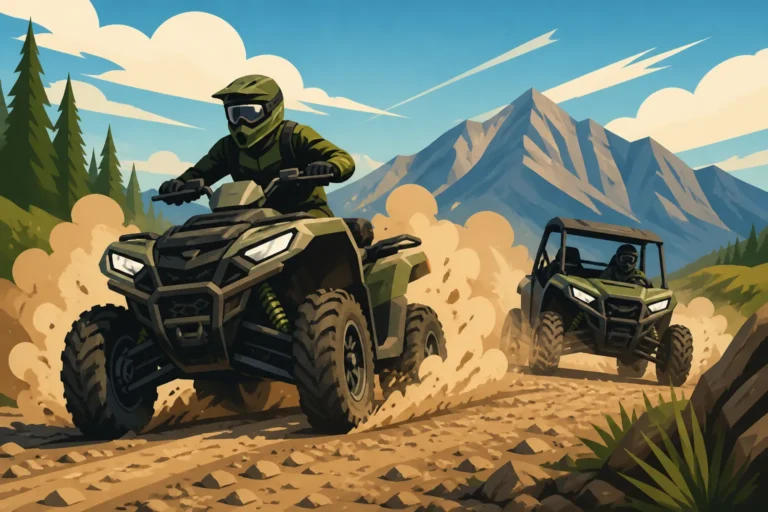
Idaho gravel roads create visibility hazards and machine wear during dry summer months through airborne dust particles.
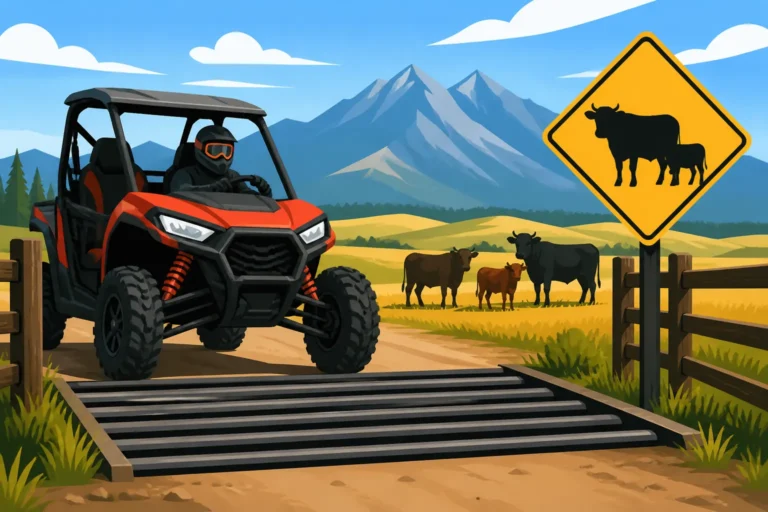
Cattle guards and open range signs in Idaho explain livestock right-of-way laws and safety rules for OHV riders.
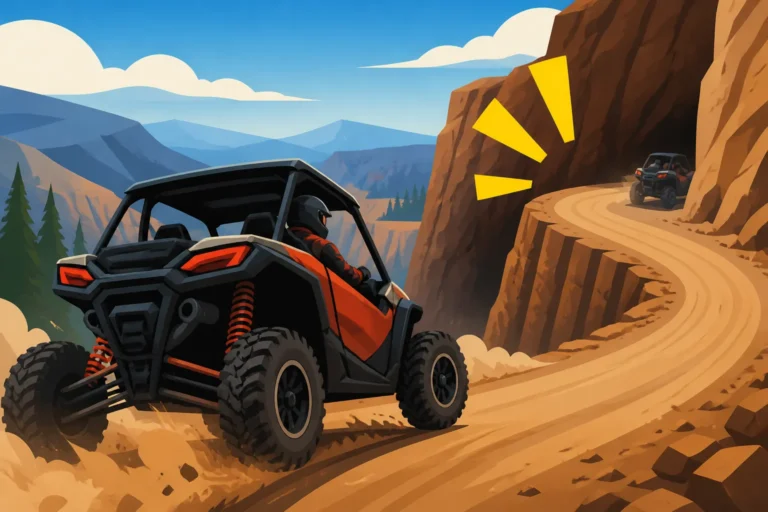
Idaho canyon road blind curves present hidden risks like wildlife, gravel, and narrow lanes that require careful driving strategies.

Idaho backroad safety strategies for ATV and UTV riders sharing narrow routes with eighty thousand pound log trucks.
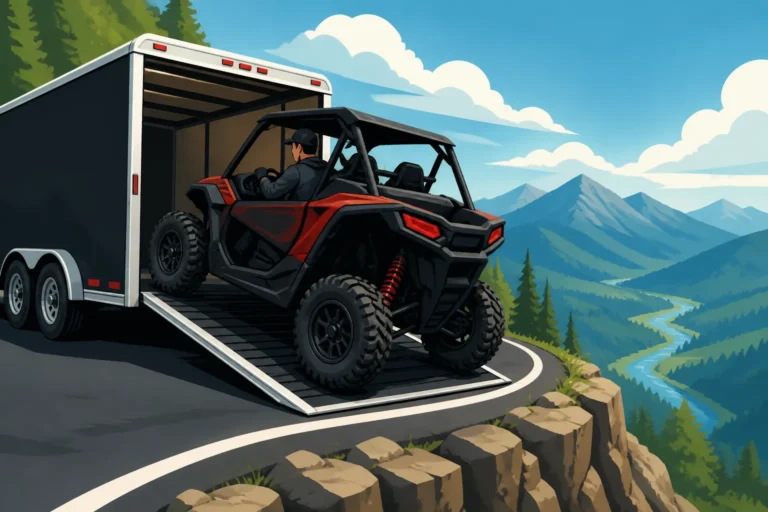
Roadside loading techniques for ATVs and UTVs on narrow Idaho mountain roads prevent accidents and equipment damage.
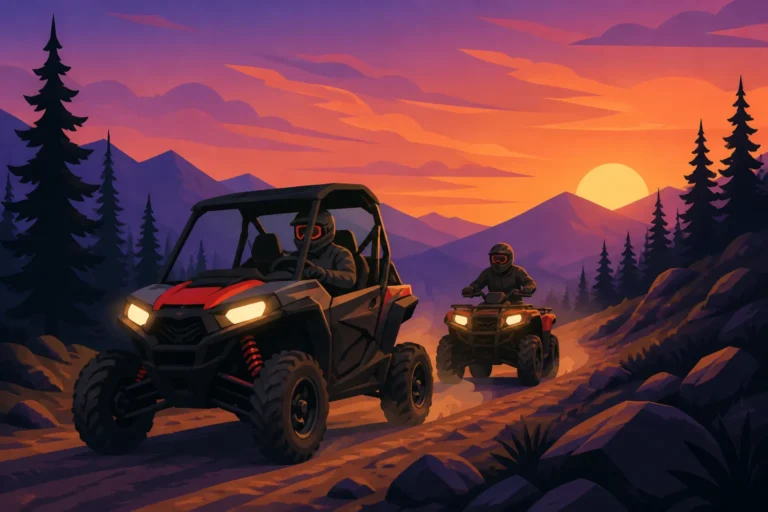
Idaho law requires working headlights visible for 500 feet and functioning taillights when operating OHVs after dark.
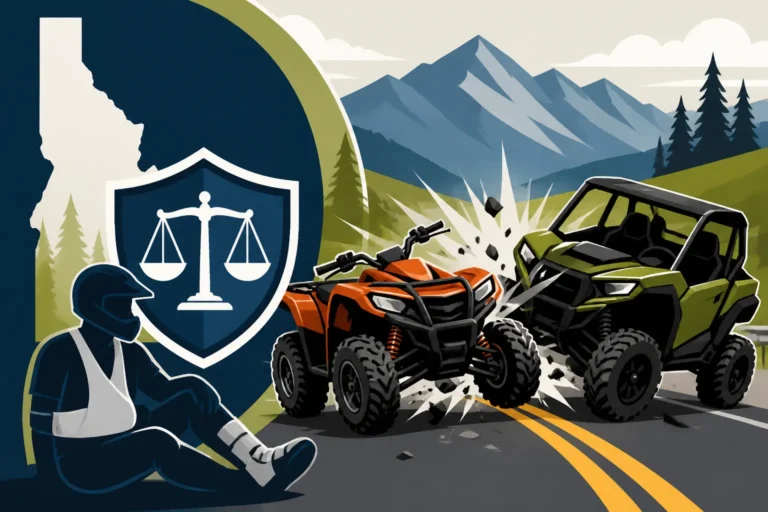
Idaho OHV injury claims require understanding restricted vehicle plates, county road rules, and operator liability after crashes.

Idaho OHV collision laws and comparative negligence rules determine who pays for property damage and personal injury.
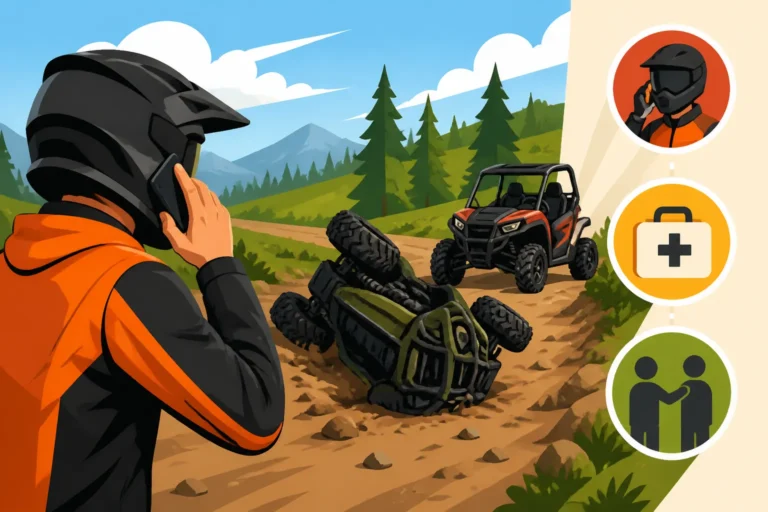
ATV and UTV crashes in Idaho backcountry require checking injuries, calling for help, and assessing vehicle damage.