Blind Curves on a Canyon Road
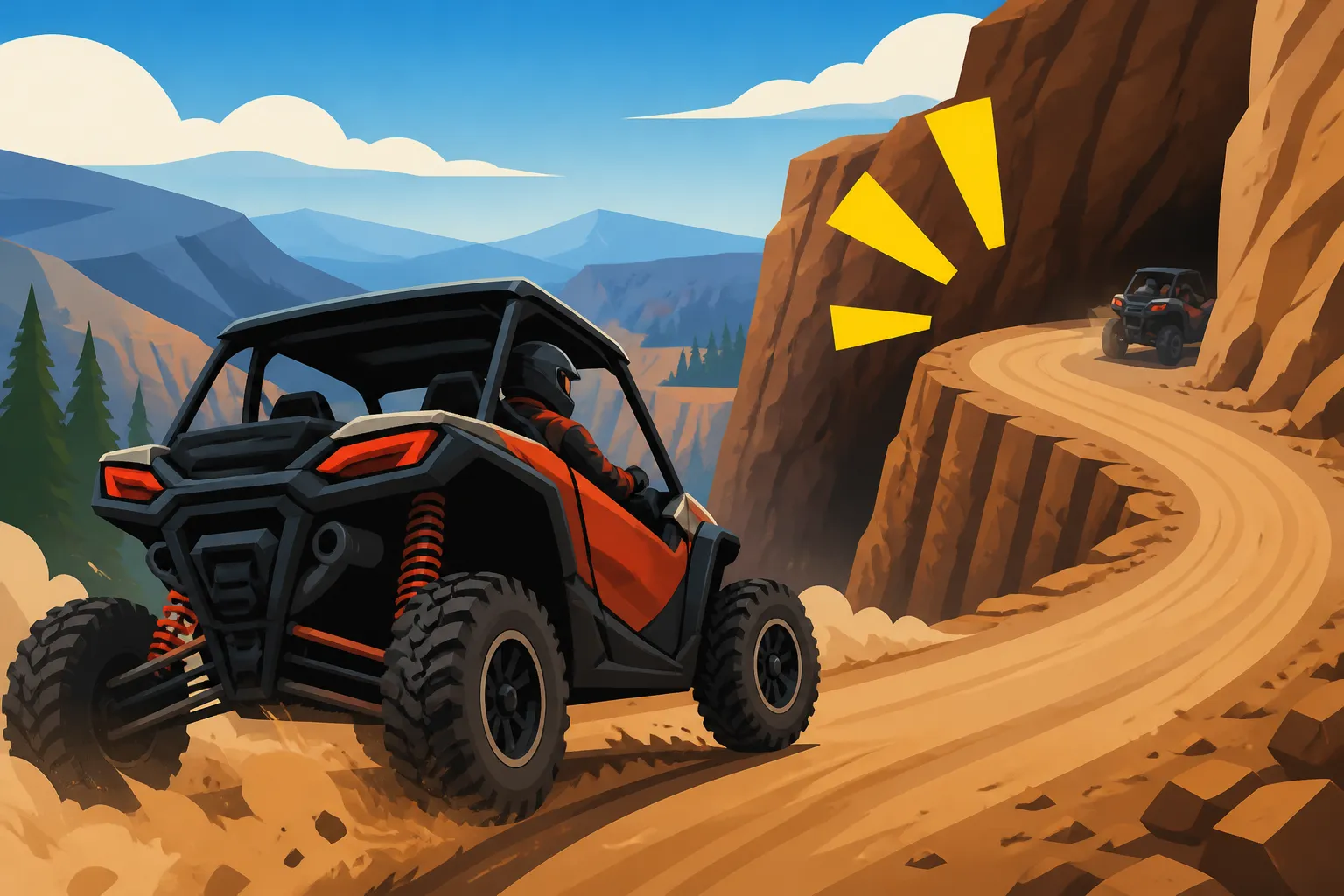
We've all been there: you're enjoying the stunning scenery of an Idaho canyon road, the sun is shining, and then you approach a blind curve. That sudden knot of anxiety in your stomach as you wonder what might be around the bend – an oncoming side-by-side, a deer, a fallen rock, or even a logging truck. Navigating these unpredictable stretches of road requires more than just good driving skills; it demands a specific mindset, proactive strategies, and a keen awareness of your surroundings. This guide is dedicated to helping you master those blind curves, providing practical insights and actionable advice to ensure your canyon road adventures are as safe and enjoyable as they are breathtaking.
Understanding the Treacherous Nature of Blind Canyon Curves in Idaho
Idaho's beauty often comes with its challenges, and our canyon roads are a prime example. While incredibly scenic, they present unique risks, especially when it comes to blind curves. It's not just about what you can't see; it's about the combination of factors that amplify the danger. Recognizing these inherent risks is the first step toward mitigating them and becoming a safer, more confident rider.
Why Canyon Roads Are Particularly Risky
Canyon roads, by their very nature, are designed to follow the contours of the landscape, which means they often wind, dip, and climb through terrain with limited visibility. You'll encounter a combination of factors that make these routes exceptionally tricky. For starters, many Idaho canyon roads are narrower than typical paved highways, sometimes barely wide enough for two vehicles to pass comfortably, especially if one is an OHV and the other a larger truck. These roads can also feature steep drop-offs on one side, adding to the psychological pressure and leaving little room for error if you misjudge a turn or encounter an unexpected obstacle.
Beyond the physical layout, the road surface itself can be a major contributor to risk. Many of these roads are gravel, often with varying degrees of loose rock, washboards, or even unexpected patches of mud, especially after a rain. Dust kicked up by other vehicles or even your own machine can severely reduce visibility, creating temporary blind spots even on straightaways, let alone around a bend. Then there's the wildlife factor; Idaho's canyons are home to deer, elk, moose, and even smaller critters that can dart out onto the road without warning. Encountering any of these animals mid-curve, or even their droppings, can lead to sudden evasive maneuvers that are hard to recover from in a tight spot.
The Psychological Impact and What It Means for Riders
The uncertainty of a blind curve doesn't just present a physical hazard; it also has a significant psychological impact on riders. That momentary flash of anxiety or trepidation as you approach a bend you can't see around is perfectly normal. It's your brain's way of signaling potential danger. However, how you react to that feeling can make all the difference. Some riders might become overly cautious, slowing down excessively or even freezing, which can also be dangerous if you're not maintaining proper momentum. Others might become overconfident, assuming the road is clear or that they can react quickly enough to any situation. Both extremes can lead to problems.
The key is to cultivate a mindset of "expect the unexpected" without succumbing to panic. This means consciously choosing to reduce speed, heighten your senses, and prepare for immediate action, all while maintaining a calm and controlled approach. It's about finding that balance between confidence in your riding abilities and a healthy respect for the inherent dangers of the environment. Rush decisions born from anxiety, or complacent decisions from overconfidence, are equally risky. Your mental game is just as crucial as your machine's performance when navigating these challenging sections of Idaho's stunning backcountry.
Essential Safety Strategies for Navigating Blind Curves
Once you understand the specific challenges of Idaho's canyon roads, the next step is to adopt proactive safety strategies. These aren't just suggestions; they're habits that can dramatically reduce your risk of an accident and ensure a much more relaxed and enjoyable ride. It's about being prepared, being visible, and communicating your presence effectively, especially when the road ahead is hidden from view.
Slow Down and Expect the Unexpected
This might sound like basic advice, but it's the absolute cornerstone of blind curve safety. The faster you're going, the less time you have to react to an unforeseen hazard. On a canyon road, with its uneven surfaces, narrow confines, and potential for obstacles, reducing your speed isn't just wise—it's critical. As you approach any curve where your sightline is obscured, immediately ease off the throttle and be ready to brake. Assume there is something, or someone, around that bend that you need to avoid. This could be anything from an oncoming UTV, a bicyclist, a group of hikers, an elk crossing the road, or a fresh rockslide.
Practicing trail braking can be incredibly beneficial here. This technique involves maintaining light pressure on your brakes as you enter and proceed through the initial part of a turn, allowing you to control your speed and quickly apply more braking force if needed. It keeps your suspension loaded and ready for quick adjustments. Remember, the goal isn't to crawl, but to travel at a speed that allows you to stop safely within the distance you can see. If you can only see 20 feet around the corner, you need to be able to stop in 20 feet. It's simple physics, and it saves lives.
Positional Riding and Lane Discipline
Where you position your machine on the road, especially around a blind curve, can significantly impact your safety. The general rule is to stay as far to the right as is safely possible without putting a wheel off the road or into a soft shoulder. This provides the maximum buffer zone from any oncoming traffic that might be cutting the corner or from obstacles that might be closer to the center line. However, "safely possible" is the key phrase. If the very edge of the road is crumbling, has loose gravel, or drops into a ditch, you'll need to adjust your position to maintain control.
While staying right is paramount, it's also worth thinking about how your position affects your sightline. Sometimes, by hugging the outside of a right-hand curve, you can slightly extend your view further around the bend. Conversely, on a left-hand curve, staying to the right of your lane (near the outside edge of the curve) can also help you see further. The absolute worst place to be is hugging the center line, especially on a blind curve, as this puts you directly in the path of oncoming traffic. Always give yourself as much room as possible. For riders in a group, maintain appropriate spacing. On some extremely narrow roads, you might also consider [Riding Single File on a Narrow Road] to maximize safety.
Communication and Visibility
In an environment where direct visual cues are limited, making your presence known through other means becomes crucial. Your horn is your friend, but use it judiciously. A quick, short tap on the horn as you approach a truly blind corner can alert any unseen vehicles or pedestrians without startling wildlife or annoying nearby residents. It's not about leaning on it, but giving a polite, clear warning.
Beyond sound, visibility is paramount. Always ride with your headlights on, even during the brightest part of the day. This simple act makes your OHV much more noticeable to others, whether they are approaching from a distance or just around that blind bend. If you're riding a side-by-side, ensure all your lights are functioning correctly – headlights, taillights, and brake lights. Consider adding aftermarket LED lights for enhanced brightness, which some reputable brands like SuperATV offer to improve your forward visibility and make your machine stand out. For some roads, particularly where dust is prevalent or sightlines are consistently poor, [Visibility Flags on a Road Section] can also be a good idea, especially if you're riding taller machines or in a group.
Equipment and Vehicle Considerations for Enhanced Safety
While riding skills and awareness are paramount, your equipment plays a critical role in how safely you can navigate Idaho's challenging canyon roads. Ensuring your machine is in top condition and that you, as a rider, are properly geared up, can literally be the difference between a close call and a serious incident. Investing in the right gear and maintaining your vehicle diligently are non-negotiable for serious backcountry riders.
Ensuring Your Machine is Road-Ready
Before you even leave the staging area, a thorough inspection of your OHV is essential, particularly if you plan to hit any roads with blind curves. First and foremost, your brakes must be in perfect working order. Test them for responsiveness and ensure they aren't spongy or grabbing. On canyon roads, you'll be using them frequently, often in unexpected situations. Next, check your tires. Proper inflation, good tread, and no signs of damage are crucial for maintaining traction on varied surfaces like loose gravel, dirt, or even brief patches of pavement. Worn tires significantly increase your stopping distance and reduce control.
Your suspension system is also key. Well-maintained shocks and springs help absorb bumps and keep your tires firmly planted, which is vital for control when you're braking or turning suddenly. If you're serious about tackling rough Idaho roads, consider aftermarket suspension upgrades from companies like SuperATV that can provide better dampening and stability. Finally, confirm all your lighting is fully functional. This includes headlights, taillights, and brake lights, as well as turn signals if your machine is equipped for road use. Many local ordinances in Idaho for OHV road access require [Lighting Rules for Riding After Dark in Idaho], but these are equally important during the day for visibility. Don't forget your horn and [Mirrors on a Road-Legal Side-by-Side] – both are critical for awareness and communication.
Rider Gear and Personal Preparedness
Your personal gear is your primary line of defense. A DOT-approved helmet is non-negotiable, not just for those under 18 where Idaho law dictates [Idaho Helmet Rules for Riders Under 18], but for all riders. It provides critical protection against head injuries. Eye protection, such as goggles or a face shield, is also vital to shield your eyes from dust, debris, and glare, ensuring clear vision at all times. Wearing appropriate clothing – long sleeves, pants, sturdy boots, and gloves – offers protection against abrasions, scrapes, and the elements. Idaho weather can change rapidly in the mountains, so layers are always a smart choice.
Beyond the essentials, consider what you carry on your person or in your machine. A well-stocked first aid kit should be standard, along with plenty of water and emergency food. Given the often remote nature of Idaho's canyon roads, cell service can be spotty to non-existent. Carrying a GPS device or, even better, a [Carrying a Satellite Messenger Into Dead Zones] can be a lifesaver in case of a breakdown or emergency. Think about how you secure this gear too; durable cargo boxes or bags, some of which are available through accessories lines like SuperATV, can keep your essentials safe and secure even on the roughest terrain. Being prepared means you can focus more on the ride and less on potential problems.
Beyond the Curve: Broader Road Safety in Idaho's Canyons
While blind curves demand specific attention, they are just one aspect of safely navigating Idaho's diverse canyon roads. A comprehensive approach to road safety requires considering everyone you might encounter, understanding the local rules, and acknowledging the dynamic environmental factors that can influence your ride. It's about being a responsible, informed, and courteous user of shared public lands and roads.
Sharing the Road with Other Users
Idaho's canyon roads aren't just for OHVs; they're multi-use corridors that can be shared with a variety of vehicles and people. You might encounter cars, pickup trucks, cyclists, hikers, horseback riders, and often, commercial vehicles like log trucks. [Sharing a Road With Log Trucks] is a particularly important skill, as these large vehicles have long stopping distances, limited maneuverability, and often create significant dust. Always give them ample room, and if necessary, pull over and stop to allow them to pass safely. When encountering other OHVs, maintain a safe distance and be courteous.
Dust is another major concern on dry canyon roads. When following another vehicle, whether it's an OHV or a car, keep enough distance so that the dust cloud doesn't obscure your vision. If you're creating a lot of dust, be mindful of those behind you or any homes or campgrounds you might be passing. Slowing down not only reduces your dust footprint but also shows respect for others. Remember, these roads are a shared resource, and polite, defensive riding contributes to a positive experience for everyone.
Local Ordinances and Idaho Regulations
Understanding the legal framework for OHV use on Idaho's roads is critical, not just for avoiding fines but for safety. Not all canyon roads are open to OHVs, and those that are often have specific requirements. [What Idaho Requires to Ride a County Road] includes things like an OHV sticker, appropriate lighting, mirrors, and often a driver's license. Before heading out, research the specific county or Forest Service district you plan to ride in, as [Idaho City and County Ordinances That Close Roads] can vary. Some towns might prohibit OHVs on certain streets, while others might welcome them.
Furthermore, ensure your machine is properly registered and that you have the necessary documentation. If you're riding a side-by-side that's been made "street legal" with a restricted vehicle plate, understand what [Idaho's Restricted Vehicle Plate Explained] actually allows you to do. [Driver's License and Insurance on an Idaho Road Ride] are also crucial, as operating an OHV on a public road usually requires these, just like operating a car. Being fully compliant with all state and local laws not only keeps you out of trouble but also ensures your machine is equipped with the safety features legally required for road use, such as a horn and adequate lighting, elements that are sometimes part of road-legal kits offered by companies like SuperATV.
Environmental Factors and Trail Conditions
The natural environment of Idaho's canyons adds another layer of complexity to road safety. Beyond the immediate view around a blind curve, you need to consider broader conditions. Road surfaces can change dramatically. A smooth stretch of gravel can suddenly turn into a washboard section, a rocky climb, or a sandy patch. Always be looking ahead and scanning for these changes, adjusting your speed and riding style accordingly. Sun glare can be particularly intense in canyons, especially in the early morning or late afternoon, making it even harder to spot obstacles or oncoming traffic. Quality eye protection is a must, and sometimes even tinted visors or sunglasses under goggles can help.
Seasonal changes also play a significant role. Spring run-off can create unexpected water crossings or wash out sections of road. [Snow-Covered Forest Roads in Spring] can hide hazards or turn into slick mud traps. In summer, periods of drought can lead to extreme dust, and during fire season, [Smoke and Visibility in Idaho Fire Season] can reduce visibility to dangerous levels, sometimes leading to unexpected road closures. Always check current conditions and weather forecasts before embarking on a canyon road adventure, and be prepared to turn back if conditions become unsafe.
| Safe Riding Practices for Blind Canyon Curves | Risky Habits to Avoid |
|---|---|
| Slow down significantly before the curve. | Speeding into the unknown. |
| Assume there's an obstacle or vehicle around the bend. | Assuming the road is clear. |
| Stay as far right as safely possible. | Hugging the center line. |
| Tap your horn to announce your presence. | Relying only on visual cues. |
| Ride with headlights on, day or night. | Not using lights during daylight. |
| Maintain your brakes, tires, and suspension. | Neglecting vehicle maintenance. |
| Wear all appropriate safety gear. | Skimping on helmets or eye protection. |
| Be aware of dust, sun glare, and wildlife. | Tunnel vision on the road ahead. |
| Keep adequate following distance in groups. | Riding too close to other vehicles. |
| Research local road rules and ordinances. | Ignoring local OHV regulations. |
Disclaimer
This article is for general informational purposes only and does not constitute professional advice. Laws, prices and regulations vary by location and change over time. Consult a qualified professional for guidance on your specific situation.